How I Choose The Best Time Of Year To Travel
I used to think picking travel times was all about the weather.
It seemed simple enough.
More sunshine.
Less rain.
Better trip.
But the more I travelled, the more I realised timing affects far more than just the forecast.
Crowds can be a pain.
Prices go up and down
Energy levels fluctuate.
Local events happen.
How a place feels.
I am not totally sure how much it changes things but it seems important now.
I spend time figuring out when to go almost like I do picking the spot itself. It kind of depends on what you want out of the trip.
Sometimes that part gets overlooked.
1. I Start With The Type Of Trip I Actually Want
Before I look at weather charts or average temperatures, I try to think about what kind of trip I want.
Am I looking for:
- museums and cultural sites?
- long walking days?
- food experiences?
- photography opportunities?
- festivals and events?
- relaxation?
Different styles of travel often suit different times of year.
A city break spent exploring museums and historic neighbourhoods has very different requirements to a beach holiday.
Starting with the experience I want helps me evaluate seasons more realistically.
2. I Look At Crowds Before I Look At Weather
This probably surprises some people.
Weather matters.
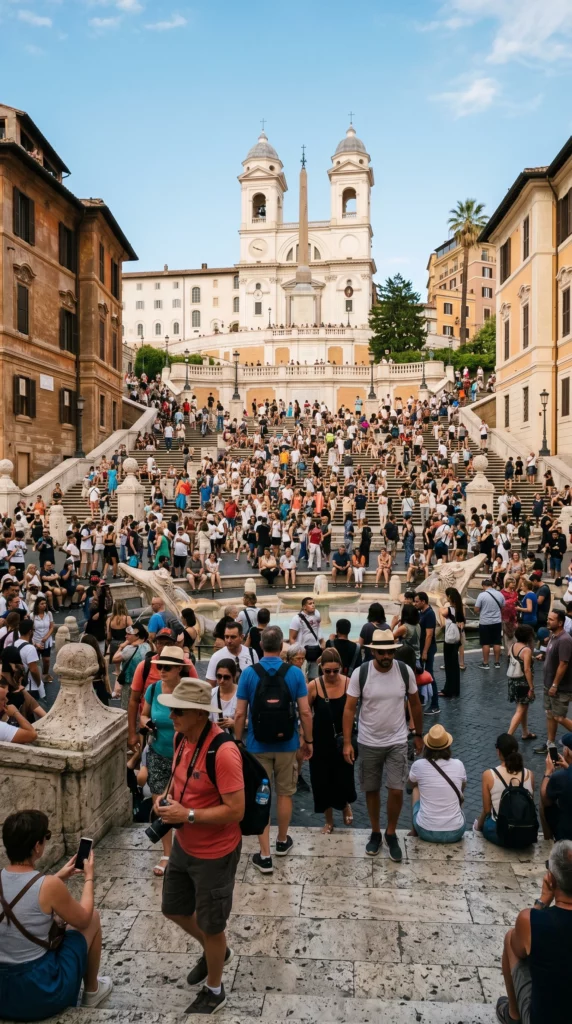
But huge crowds can completely change how a destination feels.
Standing shoulder-to-shoulder with hundreds of people at a famous attraction may not ruin a trip, but it can absolutely change the experience.
Over time I’ve realised I generally enjoy destinations more when I have a little breathing room.
That doesn’t mean avoiding popular places altogether.
It simply means understanding what peak season may look like before committing to it.
For me, fewer crowds often improve a trip more than a few extra degrees of sunshine.
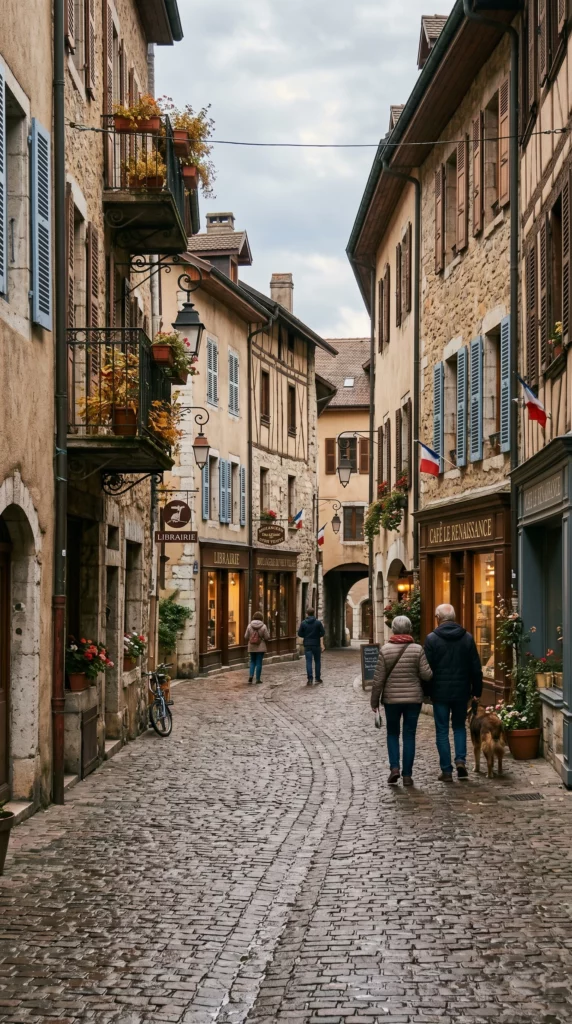
3. Shoulder Season Is Usually My Sweet Spot
If there is one travel planning habit that consistently works well for me, it is looking closely at shoulder season.
That period between peak season and the quietest months often offers a balance that I really enjoy.
You can often find:
- lower prices
- shorter queues
- fewer crowds
- easier accommodation choices
- and still reasonably good weather
Italy is probably one of the best examples.
Travelling slightly outside the busiest summer months often allows you to experience many of the same places without quite the same intensity.
Every destination is different, but shoulder season is usually one of the first things I investigate.
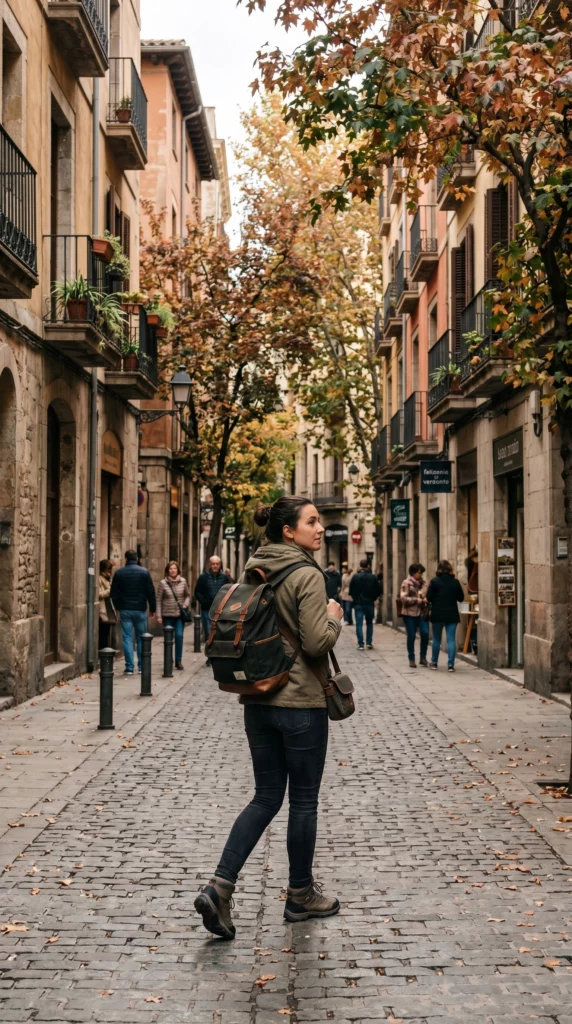
4. I Check Local Events And Holidays Early
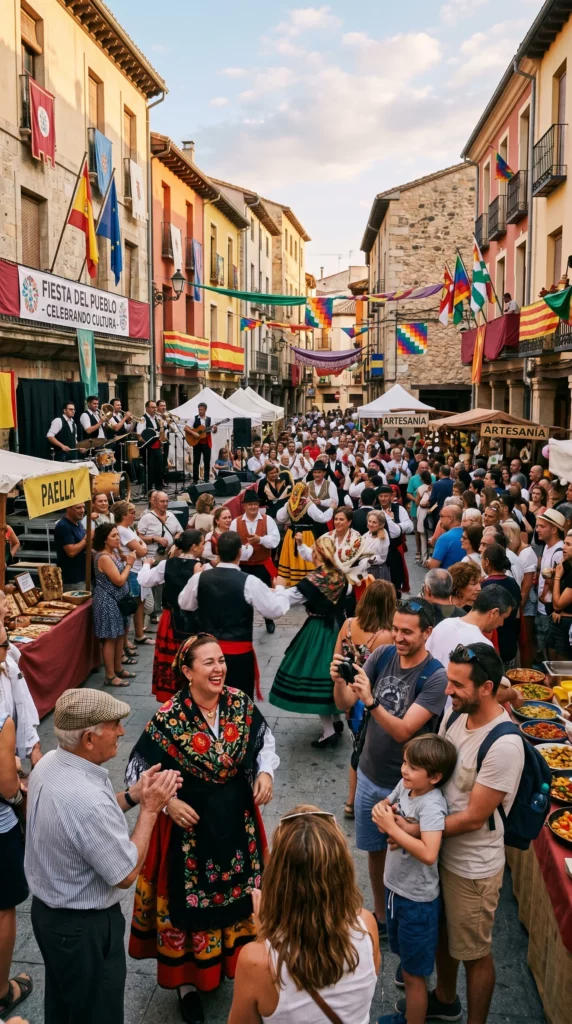
One thing that can completely change a trip is discovering a major event after you’ve already started booking things.
Sometimes that’s a positive surprise.
Other times it means:
- accommodation prices jump
- attractions become busier
- transport gets more crowded
- availability becomes limited
These days I always try to research:
- public holidays
- school holidays
- festivals
- major sporting events
- local celebrations
before making final decisions.
Even if I ultimately choose those dates, I prefer doing so knowingly.
5. Weather Matters — But Not As Much As I Thought
When I first started travelling, I probably gave weather more importance than almost anything else.
Now I see it more as one factor among many.
A destination doesn’t become uninteresting simply because temperatures are slightly cooler.
Likewise, perfect sunshine doesn’t automatically guarantee a great experience.
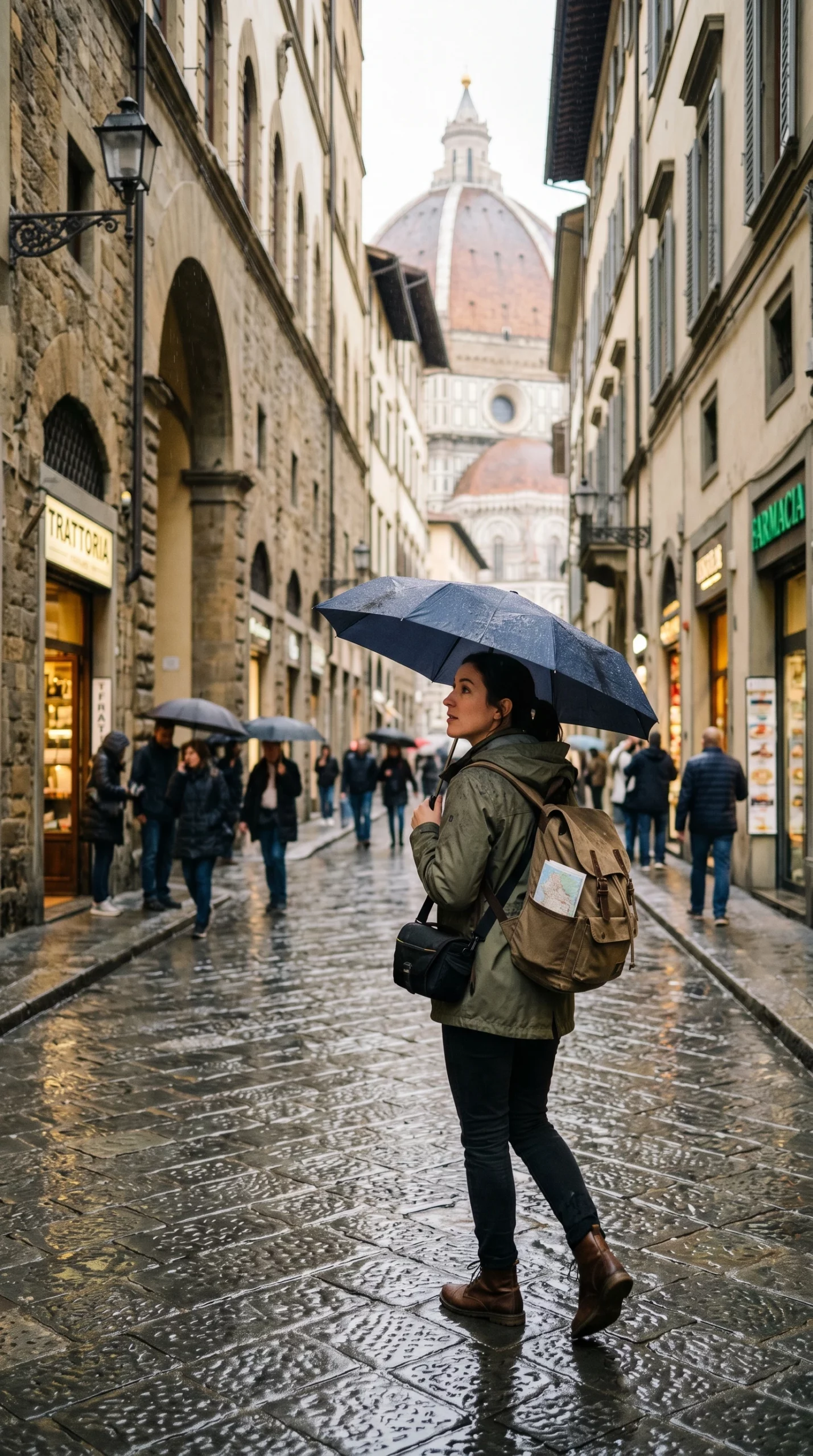
In fact, some of my favourite travel memories happened during weather that wasn’t particularly great at all.
I still remember getting absolutely drenched by a wave while trying to take photos near the harbour in Rethymno on Crete. At the time I was freezing and thoroughly questioning my life choices. Looking back now, it’s one of the funniest memories from the trip.

Weather influences comfort, but it doesn’t automatically determine whether a day becomes memorable.
But weather is usually only one part of a much bigger picture.
6. I Think About My Own Energy Levels Too
This is something I rarely considered when I first started travelling.
Now I think about it constantly.
Walking through historic cities for eight or ten hours a day feels very different in extreme summer heat than it does during milder temperatures.
The same applies to:
- hiking
- public transport
- long sightseeing days
- and simply moving around comfortably
As I’ve travelled more, I’ve become much better at recognising the conditions where I personally enjoy travelling most.
The “best” season on paper isn’t always the best season for me.
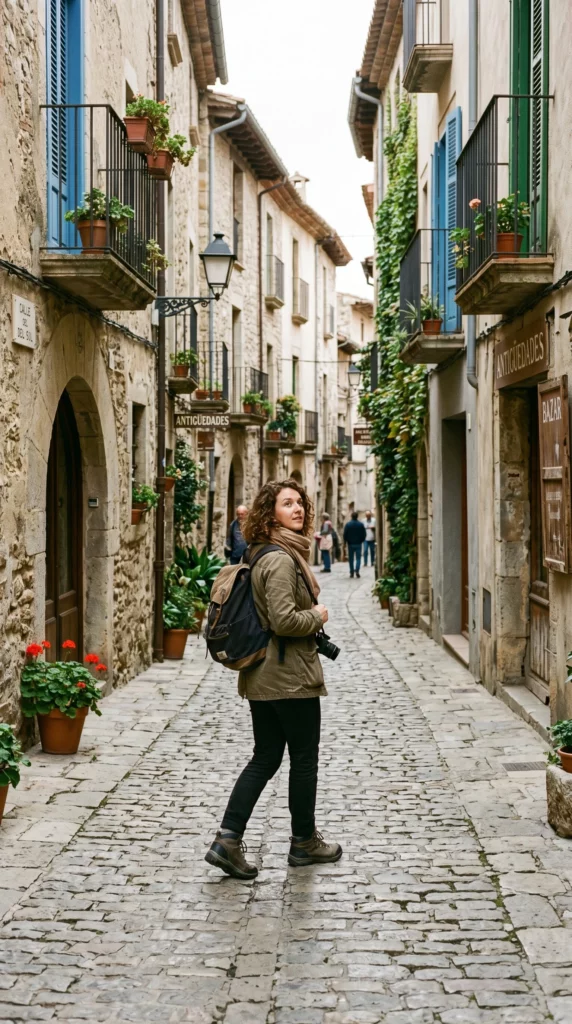
7. There Is Rarely One Perfect Time To Go
One thing travel has taught me is that every season involves trade-offs.
Peak season may offer:
- better weather
- longer daylight hours
- more activities
But it can also bring:
- bigger crowds
- higher prices
- less flexibility
Off-season travel might offer:
- quieter attractions
- lower costs
- more local atmosphere
But may come with weather challenges or reduced opening hours.
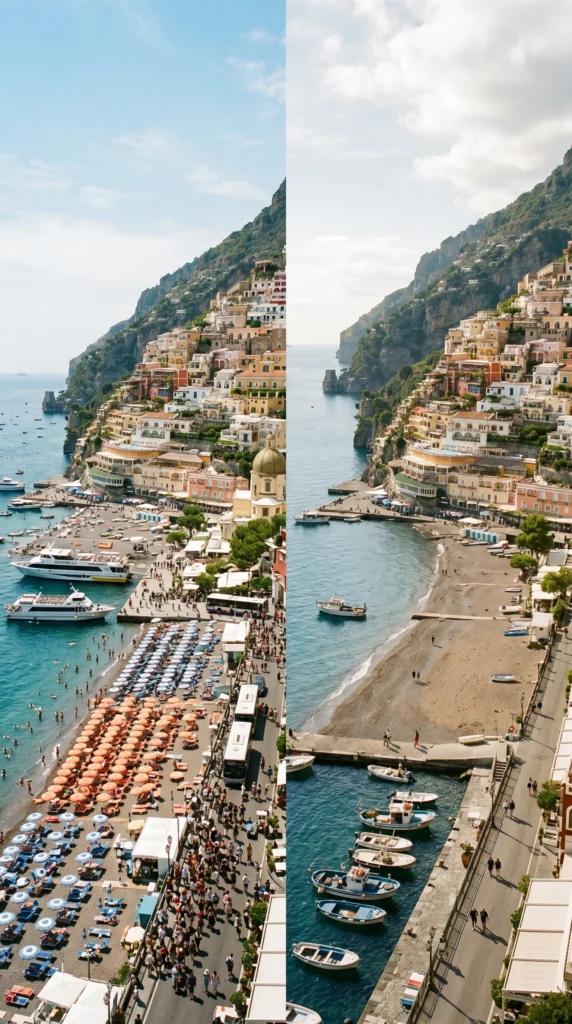
Looking back, I sometimes wonder whether I would have enjoyed the Amalfi Coast a little more earlier in the season. While the crowds may have been larger, some additional activities were operating and bus services were running more frequently. That extra flexibility would probably have suited the way I like to travel.
In the end the goal isn’t finding a perfect season.
The goal is understanding which trade-offs matter most for the trip you’re trying to create.
Sometimes the best time to travel isn’t the objectively best season at all.
Sometimes it’s simply the time that works best for your budget, annual leave, and life circumstances.
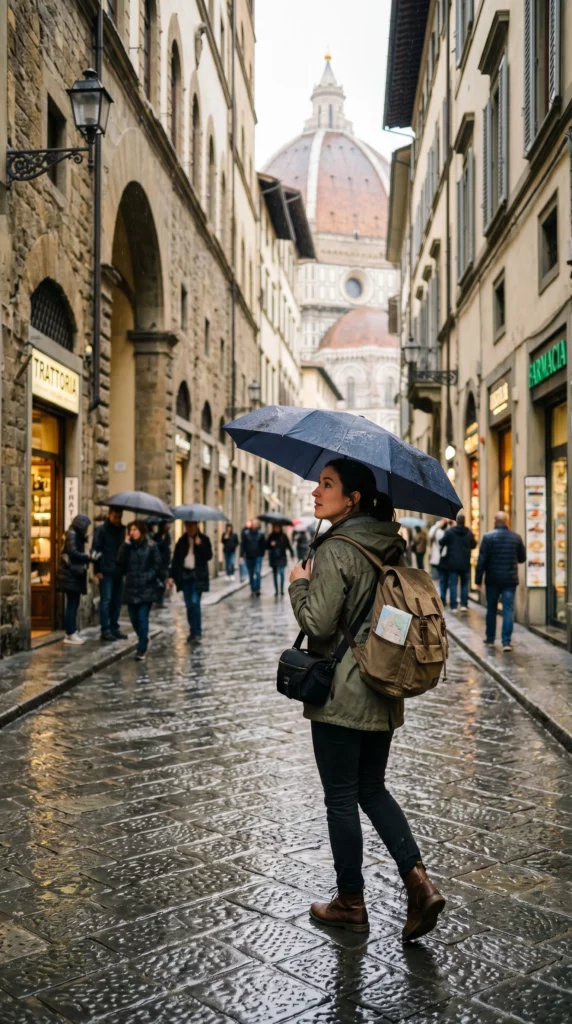
The Best Time To Travel Depends On What You Value Most
I used to think choosing travel dates was about finding the perfect month.
Now I think it’s more about understanding priorities.
Every season offers advantages.
Every season offers compromises.
The destinations don’t change nearly as much as the experience surrounding them.
For me, choosing when to travel is really about deciding which version of a destination I want to experience.
TLDR
- I start by thinking about the type of trip I want
- Crowds often influence my decision more than weather
- Shoulder season is usually my preferred balance
- Local events and holidays can completely change a trip
- Weather matters, but it isn’t everything
- Energy levels play a bigger role than I once realised
- There is rarely one perfect time to visit anywhere
FAQ
How do I choose the best time of year to travel?
Start by thinking about the type of experience you want, then consider crowds, weather, pricing, events, and your own travel style.
Is shoulder season a good time to travel?
For many destinations, shoulder season offers a balance of reasonable weather, lower prices, and fewer crowds.
Does weather matter more than crowds?
Not always. For some travellers, slightly cooler weather may be preferable if it means avoiding peak-season crowds.
Why should I check local events before booking travel?
Major events, holidays, and festivals can affect prices, availability, crowd levels, and the overall atmosphere of a destination.
Is there a perfect time to visit a destination?
Usually not. Every season comes with benefits and trade-offs, so the best choice depends on your priorities and travel goals.