How I Build A Travel Budget Spreadsheet
For a long time, planning a travel budget felt slightly intimidating to me.
I would look at trips I wanted to take and think:
“Surely this is going to cost far more than I can realistically afford.”
Everything felt overwheliming because all the costs existed separately in my head:
- flights
- accommodation
- tours
- insurance
- transport
- spending money
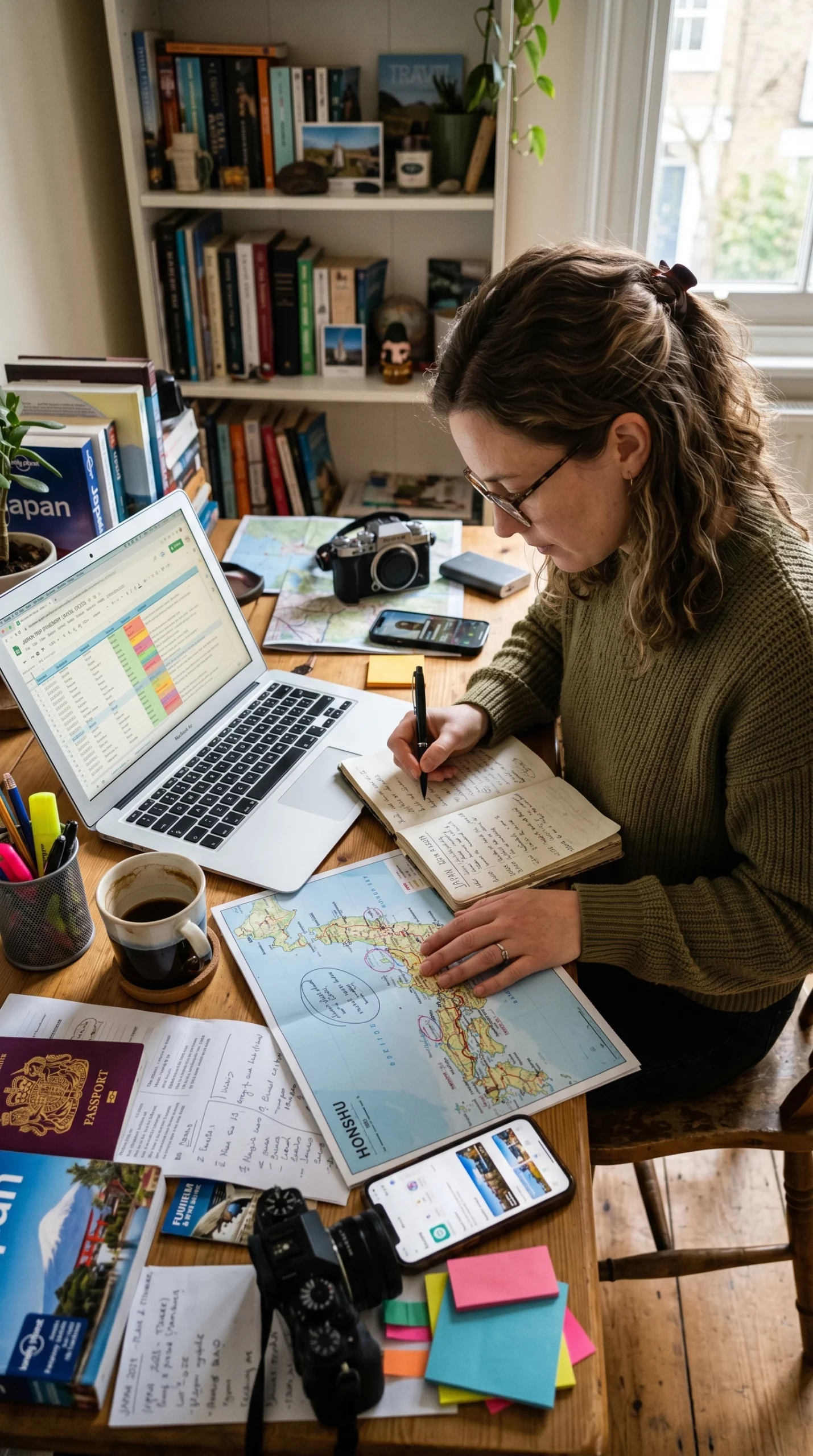
At some point, I started building travel budget spreadsheets simply to organise the chaos in my brain a little better.
Surprisingly, instead of making travel feel restrictive, it actually made trips feel more achievable.
Not because I suddenly became financially perfect.
But because seeing everything clearly made it easier to understand:
- what was realistic
- where compromises could happen
- and how much flexibility I actually had
Now, creating a trip budget spreadsheet is usually one of the first things I do once a trip idea starts becoming serious.
1. I Start With Rough Estimates First
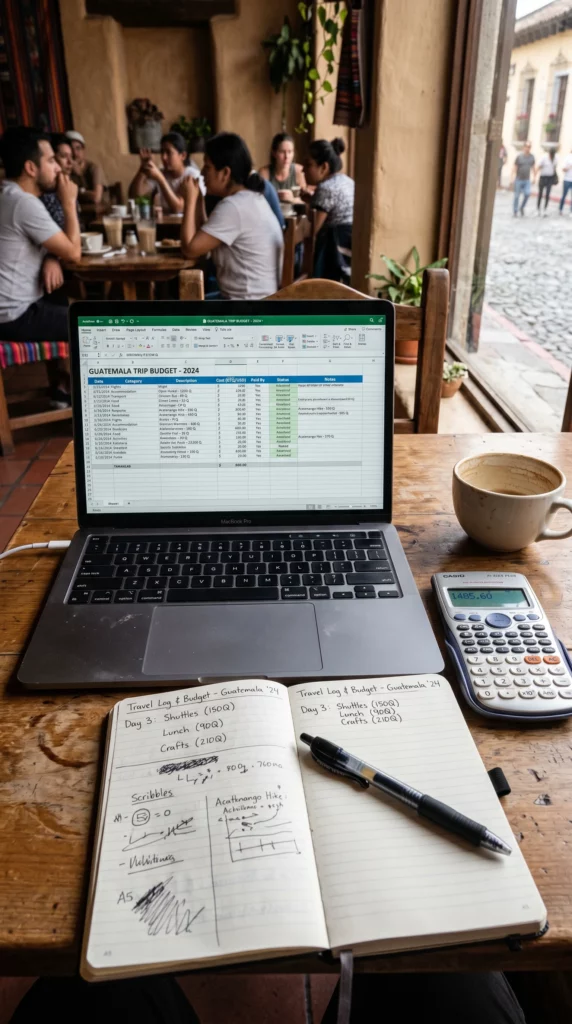
When I first begin planning, I don’t worry too much about exact prices.
At that stage, I’m usually still comparing multiple destinations and possibilities anyway.
So I start with rough estimates for major categories like:
- flights
- accommodation
- tours
- insurance
- transport
- and daily spending money
The goal early on isn’t precision.
It’s simply getting a broad understanding of:
“Is this trip realistically possible?”
That alone removes a surprising amount of uncertainty.

2. I Build Separate Versions For Different Destinations
One thing I’ve learned is that comparing destinations in your head gets confusing very quickly.
So when I’m seriously considering multiple trips, I usually create separate spreadsheet tabs or sheets for each destination.
That allows me to compare things more realistically:
- overall cost
- trip length
- comfort level
- transport complexity
- and how much flexibility each option gives me
Sometimes destinations I initially assumed would be cheaper end up becoming surprisingly expensive once everything is added properly.
Other times, more ambitious trips suddenly start looking much more achievable than expected.
Seeing the numbers side-by-side makes decision making much calmer.

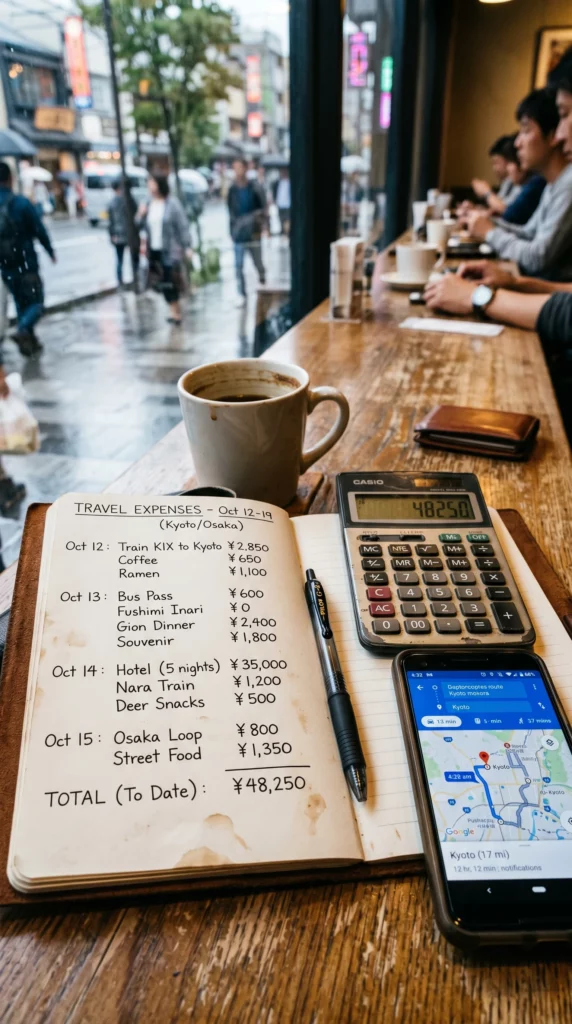
3. I Include More Than Just Flights And Hotels
One mistake I think many people make while budgeting is focusing only on the obvious big-ticket items.
In reality, smaller expenses add up quickly.
These days, my spreadsheets usually include things like:
- airport transfers
- train tickets
- eSIMs
- insurance
- tours
- laundry
- buffer money
- local transport
- and average daily spending estimates
I would much rather slightly overestimate costs than pretend certain expenses or emergencies won’t exist.
That doesn’t mean budgeting every coffee or snack perfectly.
It just means acknowledging that travel involves alot more moving parts than flights and accommodation alone.
4. I Inflate Prices Slightly On Purpose
One thing I do intentionally now is slightly inflate many estimated costs.
Not dramatically.
Just enough to create a small financial buffer.
Flights might increase.
Transport prices might fluctuate.
Unexpected expenses happen.
And honestly, travel usually feels far less stressful when every single dollar isn’t already fully allocated before departure.
Sometimes the extra buffer ends up becoming:
- emergency protection
- extra experiences
- slower travel days
- or simply reassurance
- or even the start of the next trip.
Psychologically, that flexibility matters a lot.

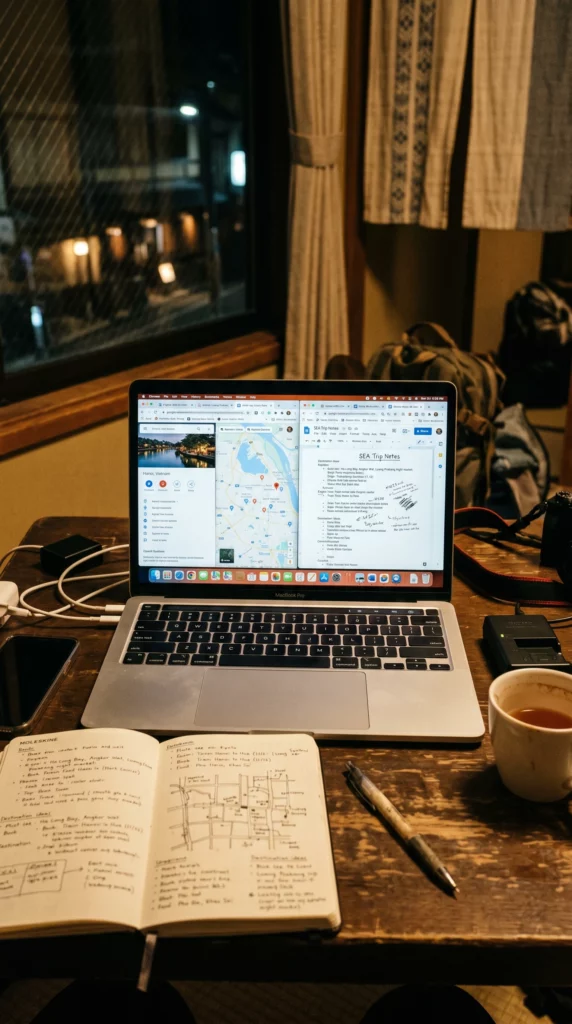
5. I Use The Spreadsheet To Make Trade-Off Decisions
Probably the most useful part of budgeting isn’t the numbers themselves.
It’s understanding trade-offs.
For example:
- Would I rather travel longer or pay for more comfort?
- Is a single supplement actually worth the extra cost?
- Would an apartment save money compared to hotels?
- Could slower movement between destinations reduce transport costs?
The spreadsheet helps me visualise those decisions much more clearly.
Sometimes seeing the reality of the numbers can force difficult choices.
But it also prevents unrealistic expectations from quietly snowballing into stress later.
6. The Goal Isn’t Perfect Accuracy
Over time, I’ve realised that my spreadsheet doesn’t need to predict every detail perfectly to still be incredibly useful.
Travel always changes slightly once you’re actually there.
Prices fluctuate.
Plans evolve.
Unexpected opportunities appear.
The spreadsheet is simply there to provide structure and perspective.
It’s less about controlling every outcome and more about making sure the overall trip feels financially manageable before I start committing to bookings.
That distinction matters.

7. Seeing The Numbers Makes Trips Feel More Real
One thing I didn’t expect when I first started building travel spreadsheets was how motivating they would become.
At some point, the trip stops feeling like a vague idea and starts feeling tangible.
You can:
- visualise progress
- understand priorities
- identify realistic timelines
- and slowly watch the trip move closer to becoming possible
For me, that shift completely changed how I think about travel planning.
The spreadsheet stopped feeling like a restriction.
Instead, it became one of the tools that helped make travel feel achievable in the first place.
Travel Planning Feels Less Overwhelming When Things Become Visible
I think a lot of travel anxiety comes from uncertainty.
When everything exists vaguely in your head, it’s easy to assume trips are impossible, unaffordable, or far more complicated than they actually are.
For me, budgeting spreadsheets simply made things visible.
Not perfect.
Not guaranteed.
Just clearer.
And honestly, clarity makes planning feel much calmer.

TLDR
- I start travel budgets with rough estimates rather than exact prices
- Separate spreadsheets help compare destinations more realistically
- Small travel costs add up quickly and deserve planning space
- I intentionally build small financial buffers into trips
- Budget spreadsheets help visualise trade-offs clearly
- The goal is clarity and flexibility, not perfect accuracy
- Seeing the numbers makes trips feel more achievable
FAQ
Why use a travel budget spreadsheet?
Travel budget spreadsheets help organise costs clearly and reduce uncertainty while planning trips.
What should be included in a travel budget?
Flights, accommodation, transport, insurance, tours, spending money, eSIMs, and small buffer funds are all useful to include.
How accurate should a travel budget spreadsheet be?
It doesn’t need to be perfectly accurate. The goal is to create realistic expectations and manageable flexibility.
Should you include buffer money when planning travel?
Yes. Small financial buffers help reduce stress when prices fluctuate or unexpected expenses appear during a trip.
How do travel spreadsheets help with trip planning?
They make trade-offs, priorities, and realistic travel possibilities much easier to visualise and compare.