

7 Reasons Why I Probably Won’t Travel Without an eSIM Again
I didn’t start using eSIMs because I love travel technology.
I started using them because I wanted travel to feel simpler.
Before my first long international trip, the idea of changing physical SIM cards always stressed me out slightly. I was convinced I would lose my regular SIM somewhere between airports, hotels, and exhausted travel days.
An eSIM ended up solving far more problems than I expected.
Not perfectly. Not magically. But enough that I now struggle to imagine travelling independently without one.

1. They Give Me More Peace Of Mind While Travelling
One of the biggest advantages of using an eSIM is simply knowing I can stay connected.
That doesn’t mean they are perfect or infallible. Coverage still varies, and technology occasionally fails like anything else.
But having reliable mobile data while moving through unfamiliar places reduces a surprising amount of low-level travel stress.
It becomes easier to:
- check directions
- access bookings
- contact accommodation
- look up transport information
- or quickly solve problems when plans change unexpectedly
For independent travel especially, that peace of mind matters more than I expected.
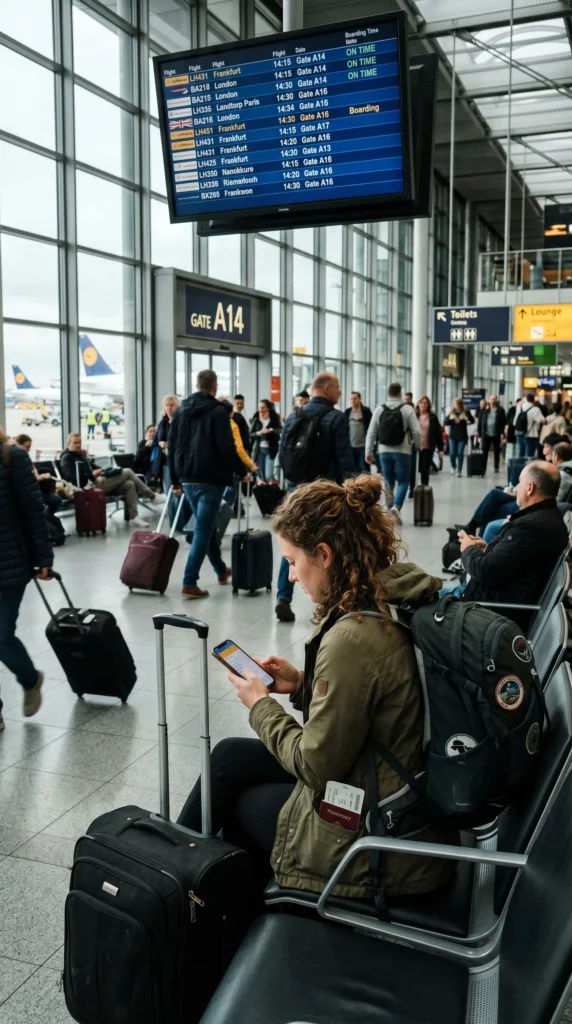
2. Navigation Becomes Much Easier
This was probably the biggest practical improvement for me personally.
Having consistent mobile data made navigating cities dramatically easier, especially while using Google Maps alongside public transport systems and self-guided exploration.
It also changed how confidently I moved through places.
Instead of stopping constantly to reconnect to public Wi-Fi or screenshot directions in advance, I could adjust in real time while walking.
I still think offline maps are worth downloading as backup, especially in case coverage drops or battery becomes an issue, but having live navigation available removed a huge amount of friction from independent travel days.

3. It’s Easier To Learn About Places While You’re In Them
One thing I didn’t fully anticipate was how often I would search for extra information while travelling.
Sometimes I wanted to quickly understand the history of a building. Other times I looked up opening hours, local customs, ticket information, or transport updates while already standing nearby.
That ability to access information immediately changed how I experienced places.
Instead of waiting until I returned to the hotel, I could follow curiosity in real time.

4. Flexible Travel Days Become Easier With An eSIM
I rarely plan every lunch or dinner in advance while travelling.
Most of the time I wander.
Sometimes I change direction entirely because a street looks interesting, I get distracted by a market, or I simply stay somewhere longer than expected.
Having mobile data made those flexible travel days much easier.
If I became hungry, I could quickly search nearby restaurant reviews or recommendations without needing to fully structure the day beforehand.
That flexibility fits the way I naturally like to travel.
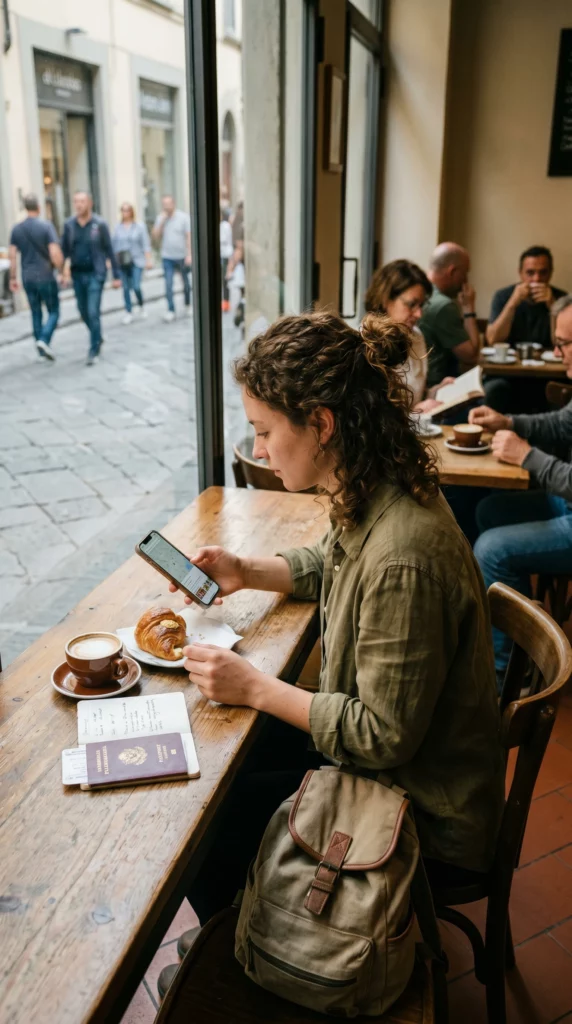
5. Staying In Contact With Family Feels Simpler
One thing that initially confused me about eSIMs was whether I would still receive calls and messages through my normal number.
In my experience, my regular SIM continued handling calls and SMS while the eSIM managed mobile data.
That made staying connected with family far easier than I expected.
I didn’t feel like I was temporarily disappearing while overseas.
6. The Cost Was More Predictable Than I Expected
One thing I appreciated about using eSIMs was the simplicity of the pricing.
In most cases, I paid once for a set amount of data and a specific usage period.
For example, during my time in Italy, I eventually needed to buy a second eSIM because my original plan covered 28 days and I stayed for around five weeks.
But even then, I still found the system easier and more predictable than trying to organise local physical SIM cards in each destination.
I also used far less mobile data than expected because hotels, cafés, and restaurants often provided Wi-Fi throughout the trip.
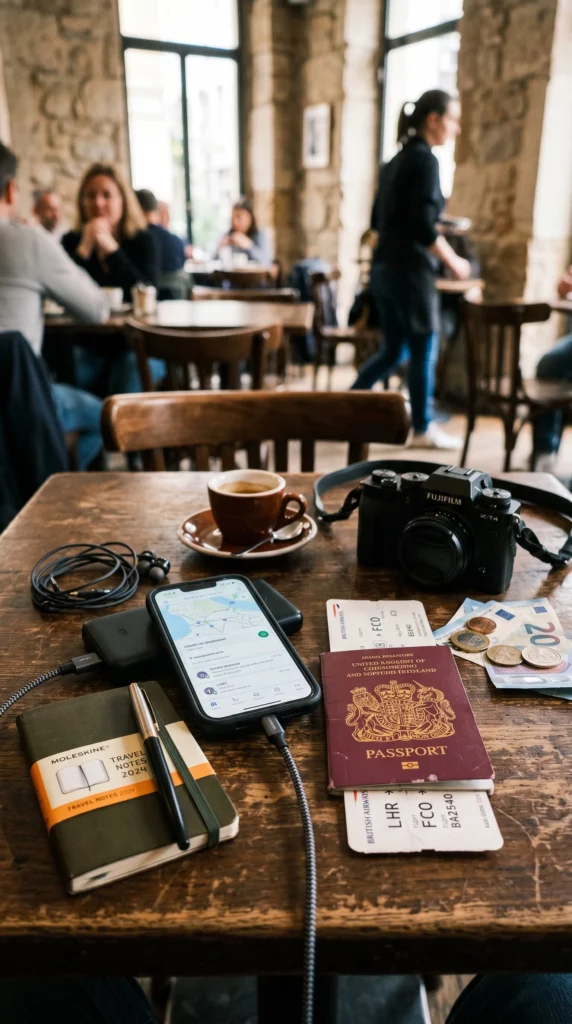
7. I Don’t Miss Swapping Physical SIM Cards
This might honestly be one of the biggest reasons.
Changing physical SIM cards always created a strange level of paranoia for me.
I constantly worried about:
- losing my original SIM
- damaging it
- forgetting where I stored it
- or struggling to swap everything back properly later
That feeling became especially noticeable in destinations like Cuba, where connectivity already feels more complicated than usual.
Using an eSIM removed that entire layer of stress.
eSIMs Quietly Changed How I Travel
The biggest change wasn’t actually the technology itself.
It was the flexibility that came with staying connected more consistently.
Navigation became easier. Independent exploration felt less stressful. Spontaneous decisions became simpler to manage.
None of those things individually transformed travel.
But together, they made moving through unfamiliar places feel calmer and more manageable.
And that’s probably why I struggle to imagine travelling without an eSIM now.

TLDR
- eSIMs made navigation and independent travel easier
- Staying connected reduced low-level travel stress
- Real-time information access improved flexibility while exploring
- Restaurant searches and spontaneous decisions became simpler
- My regular SIM still handled calls and messages normally
- Pricing felt more predictable than expected
- Avoiding physical SIM swaps removed a surprising amount of stress
FAQ
What is an eSIM for travel?
An eSIM is a digital SIM that allows travellers to activate mobile data plans without physically changing SIM cards.
Are eSIMs worth it for international travel?
For many travellers, yes. They make navigation, communication, and independent travel much easier.
Can you still use your normal phone number with an eSIM?
Usually, yes. In many cases, your physical SIM continues handling calls and SMS while the eSIM manages mobile data.
Do eSIMs work in every country?
Coverage varies depending on the provider and destination, but many eSIM companies now support large international regions.
Do all phones support eSIMs?
No. Older phones and some budget devices may not support eSIM functionality, so it’s important to check compatibility first.
Explore Further
|
Why You Should Use Offline Maps |