
5 Reasons I Always Download Offline Maps Before Travelling Now
For a long time, I treated offline maps for travel as something optional.
Useful maybe. Sensible in theory. But not something I truly relied on.
That changed after a few travel experiences taught me the same lesson repeatedly:
technology works wonderfully… until suddenly it doesn’t.
Now, even when I travel with an eSIM and reliable mobile data, I still download offline maps before almost every trip.
Not because I expect everything to fail.
But because having a backup quietly changes how confidently I move through unfamiliar places.
1. They Reduce Panic When Data Suddenly Stops Working
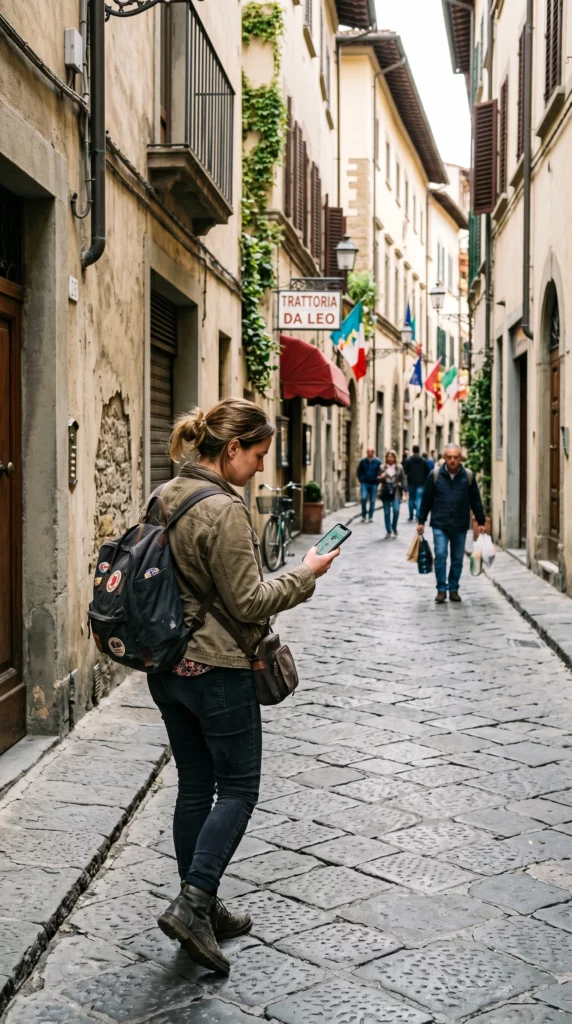
The moment that changed my thinking happened in Bologna.
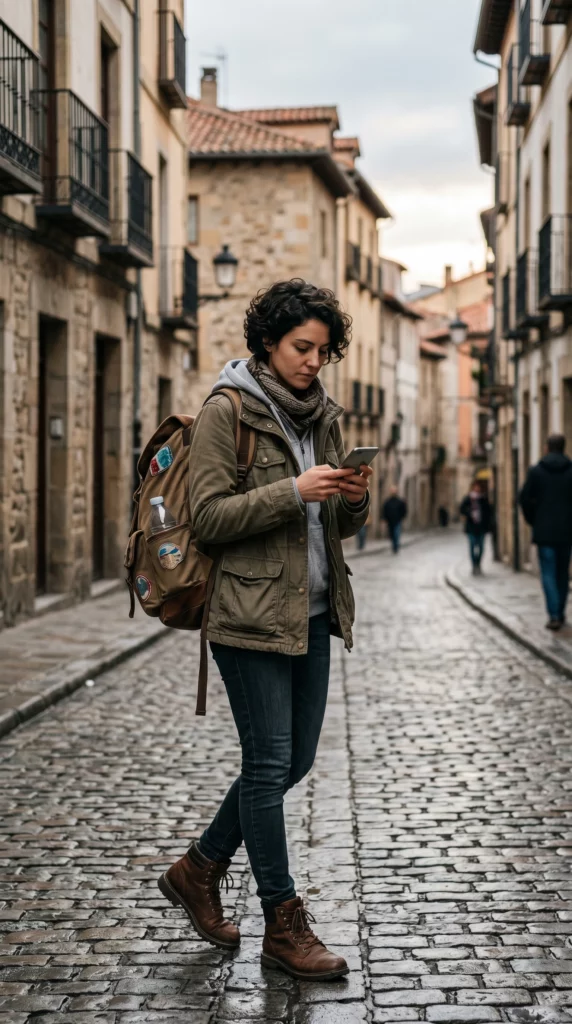
Up until then, I had become heavily reliant on live navigation and mobile data while travelling through Türkiye and later Italy. Everything had worked smoothly enough that I stopped thinking much about backup systems at all.
Then one morning, my mobile data simply stopped working.
To this day, I’m still not entirely sure what caused it.
Unfortunately, it happened on the exact morning I was due to leave for a tour starting early in the day.
I got extremely lucky.
The night before, I had already walked to the meeting point once to familiarise myself with the route. Without realising it, I had accidentally created my own backup plan.
That experience taught me something important:
offline maps are less about navigation itself and more about reducing panic when things unexpectedly stop working.

2. They Help Before You Fully Understand A Place
My first experience using offline maps was in Cuba back in 2019.
At the time, I had no idea how difficult getting mobile data would be once I arrived, so I prepared as though I would have no internet access at all.
That led me to MapsMe.
I downloaded maps for all the areas I planned to visit, especially Havana where I expected to spend most of my free time exploring independently.
Surprisingly, it worked fairly well.
I eventually managed to get a local SIM card anyway, which allowed me to compare both systems side by side, and most of the time the directions were fairly consistent.
What mattered most, though, was the confidence it gave me before I fully understood the city itself.

3. They Make Independent Exploration Feel Easier
One of the best parts of travelling independently is the freedom to wander.
You change direction unexpectedly. You stop longer somewhere interesting. You take side streets simply because they look intriguing.
Offline maps support that kind of travel surprisingly well.
Even if they are not your primary navigation system, they create reassurance in the background. You know that even if mobile coverage disappears, you can still roughly understand where you are and how to get back.
That changes behaviour.
You move through places more calmly because you are less afraid of becoming completely disconnected.
4. Offline Maps Work Best As A Backup System
Ironically, I no longer think offline maps work best as the main navigation system.
When I revisited MapsMe years later before travelling through Türkiye in 2024, I was surprised by how much the app had changed. More features sat behind paywalls, reviews had declined noticeably, and the experience felt far more commercialised than I remembered.
At that point, travelling with an eSIM and live Google Maps felt easier and more practical for daily use.
But Bologna taught me something important:
backup systems still matter.
Now I usually combine both approaches:
- live navigation for daily travel
- offline maps quietly sitting in the background in case something fails
That balance works much better for me personally.
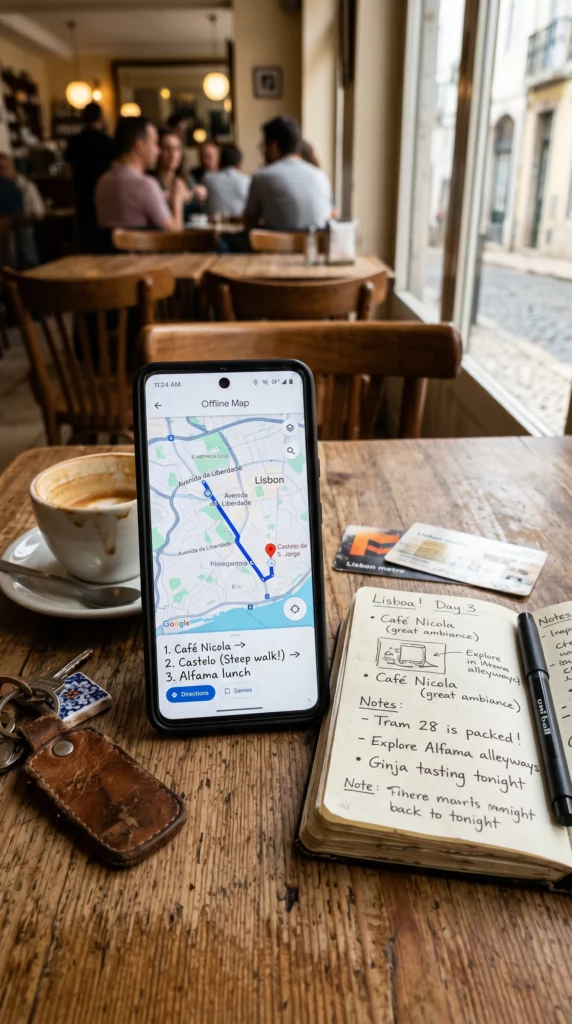
5. They Quietly Increase Travel Confidence
The biggest advantage of offline maps is probably psychological.
They reduce the feeling that one technical problem could completely derail the day.
That doesn’t mean you become fearless or perfectly organised overnight.
You still take wrong turns. You still get confused occasionally. You still misjudge distances and directions sometimes.
But having a backup removes a layer of uncertainty.
And over time, that changes how confidently you move through unfamiliar places.
For me, offline maps are no longer the main system.
They are simply something I would rather have and not need than suddenly need and not have.

Travel Feels Better When You Build Small Backup Systems
One thing independent travel has gradually taught me is that confidence rarely comes from eliminating uncertainty completely.
Usually, it comes from building enough small backup systems that uncertainty feels manageable.
Offline maps became one of those systems for me.
Not dramatic.
Not perfect.
Just quietly useful.

TLDR
- Offline maps reduce panic when mobile data fails unexpectedly
- They help build confidence in unfamiliar destinations
- They support slower and more independent exploration
- Offline maps work best as backup systems rather than primary navigation
- Having backup systems quietly changes how confidently you travel
FAQ
Are offline maps worth downloading before travelling?
Yes. Even if you mainly use live navigation, offline maps provide a valuable backup when mobile data or coverage fails.
What is the best offline map app for travel?
Many travellers use apps like Google Maps offline downloads or MapsMe, although features and pricing vary over time.
Do offline maps work without internet?
Yes. Once downloaded, offline maps can continue working without mobile data or Wi-Fi.
Can offline maps replace live navigation completely?
They can help significantly, but many travellers still prefer live navigation for real-time updates and transport information.
Why are offline maps useful for independent travel?
They reduce stress, increase flexibility, and help travellers feel more confident exploring unfamiliar places independently.