The First Things I Do When Planning A Trip
Planning a trip used to feel overwhelming to me.
Too many destinations.
Too many tabs open.
Too many possibilities competing for attention all at once.
For a long time, I thought experienced travellers must somehow have a perfect system where every decision came together neatly from the beginning.
In reality, most of my trips have slowly taken shape through a mix of research, budgeting, flexibility, and gradually narrowing down what actually matters most to me.
Over time, I’ve realised that planning a trip feels much easier once you stop trying to plan everything perfectly all at once.
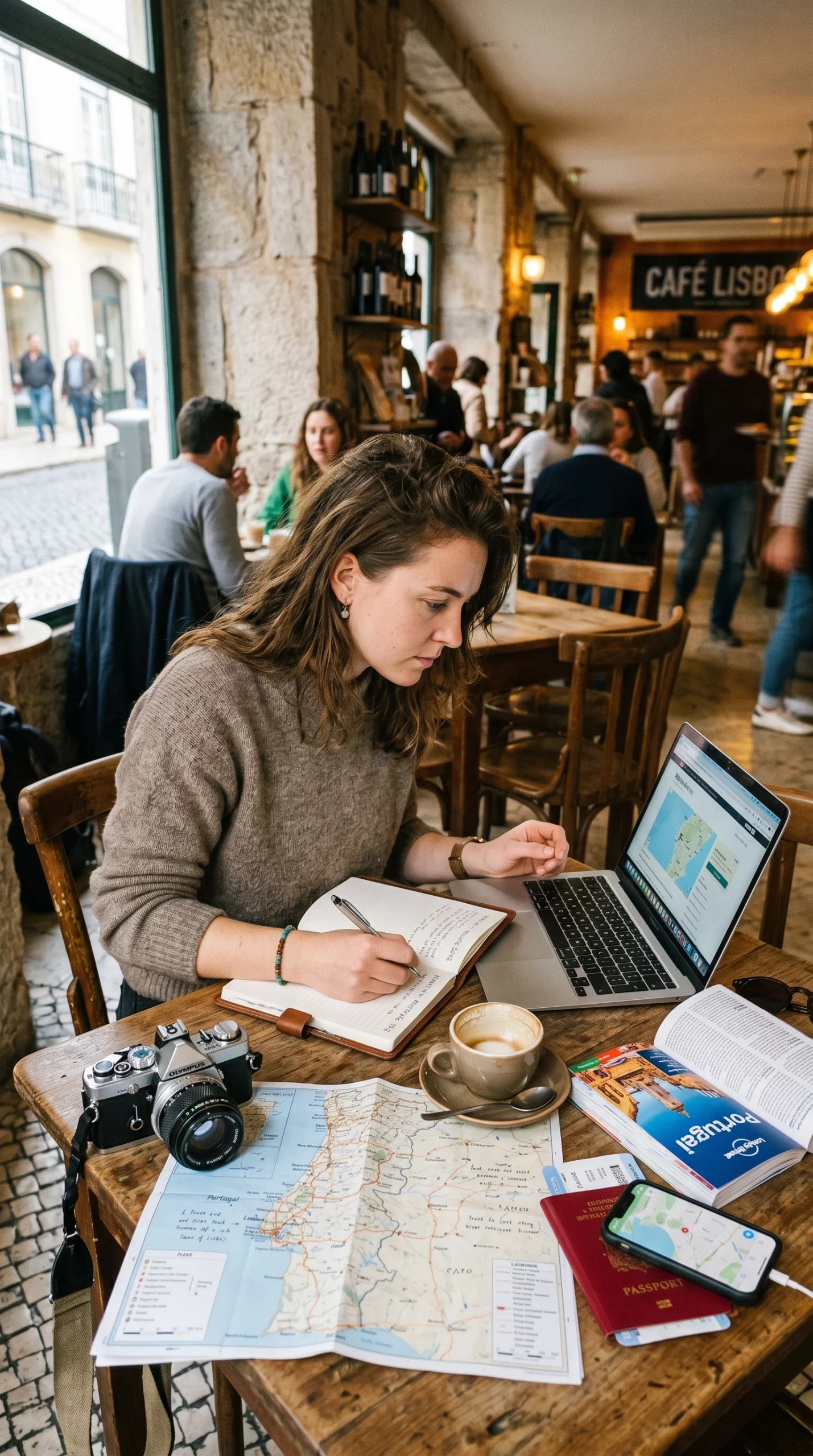
Now, instead of jumping straight into bookings, these are usually the first things I focus on when planning a trip.
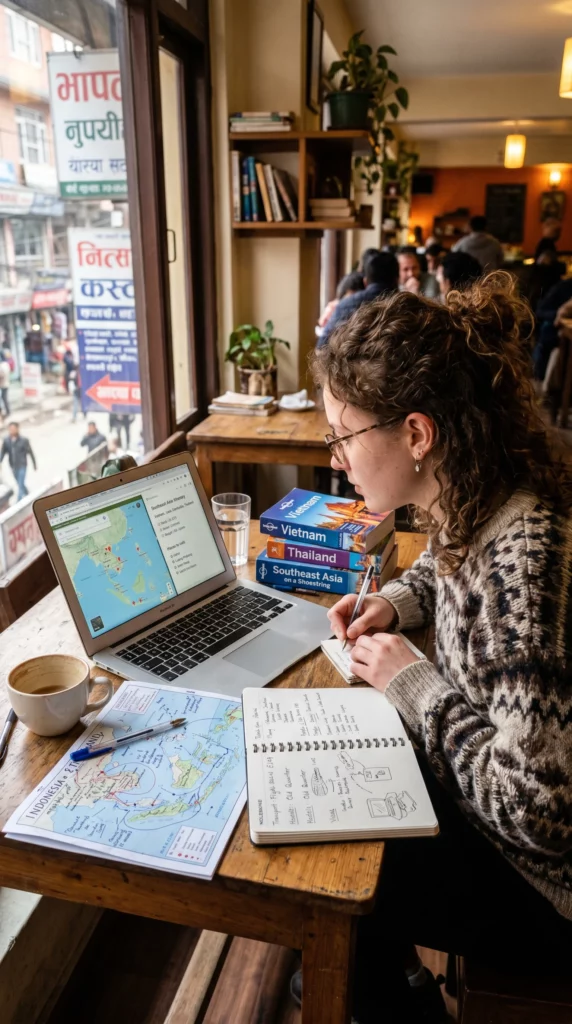
1. I Start With Time And Budget Reality
Before I let myself disappear too deeply into travel inspiration, I first try to understand what is realistically possible.
Usually that starts with:
- how much annual leave I actually have available
- when I could realistically travel
- and what sort of budget I can comfortably manage
That probably sounds less exciting than immediately researching dream destinations, but it helps narrow possibilities surprisingly quickly.
I also try to avoid planning trips entirely around credit, .
Some people approach this differently, and that’s completely their choice, but personally I prefer treating credit cards as emergency backup systems rather than primary travel funding. Instead I build a realistic budget.
For me, travel feels much more enjoyable when I know my normal life at home is still financially stable while I’m away.
Oddly enough, realistic constraints often make planning a trip feel easier rather than more limiting.
2. I Build A Shortlist Before I Commit To Anything
I almost always start with too many ideas, how can you not when the world has so much to offer?
There are usually multiple countries, cities, or routes competing for attention at the same time.
So rather than forcing myself to immediately choose one destination, one of my first steps in planning a trip is to build a shortlist first.
Then I start comparing:
- seasons
- crowd levels
- weather
- pricing
- energy levels
- and how each destination fits the type of trip I actually want
These days, I often lean toward shoulder season travel because it usually creates the best balance between:
- manageable crowds
- more reasonable pricing
- and still having decent weather
The goal at this stage isn’t perfection.
It’s simply reducing the chaos enough that decisions can slowly start forming.
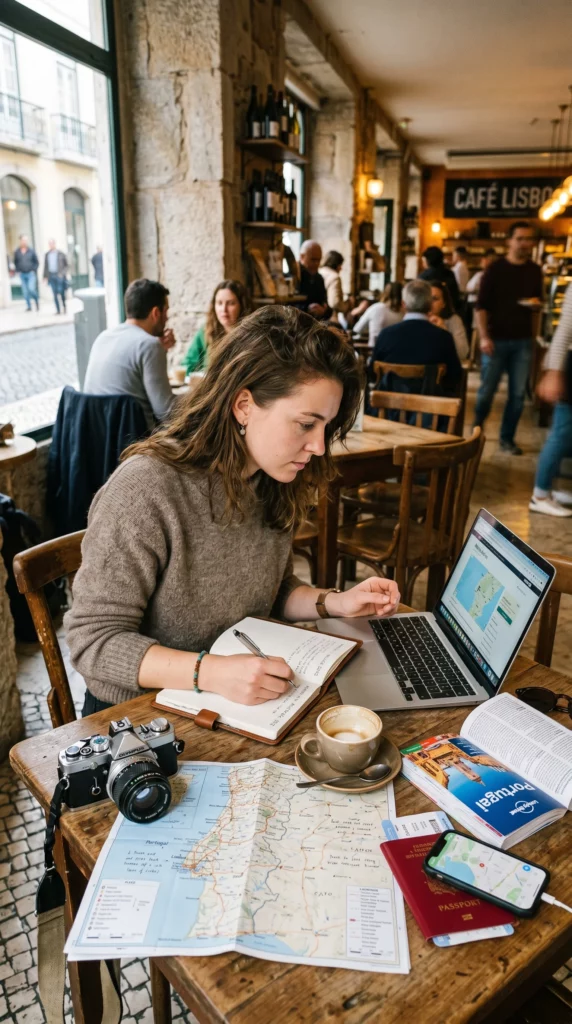
3. I Start With A Big Wish List And Pull Back Later
One thing I’ve learned about myself is that I naturally plan trips backwards.
I don’t start with strict limitations first.
I start with the version of the trip where I imagine doing absolutely everything.
Every city.
Every museum.
Every day trip.
Every experience.
Only after that do I start pulling things back into something realistic.
That process actually works surprisingly well for me because it helps identify what I’m genuinely most excited about before budget, time, and logistics start forcing compromises.
Sometimes the things I initially thought were “must-do” experiences quietly disappear once I start prioritising properly.
Other things remain important no matter how much I reduce the plan.
That usually tells me a lot.

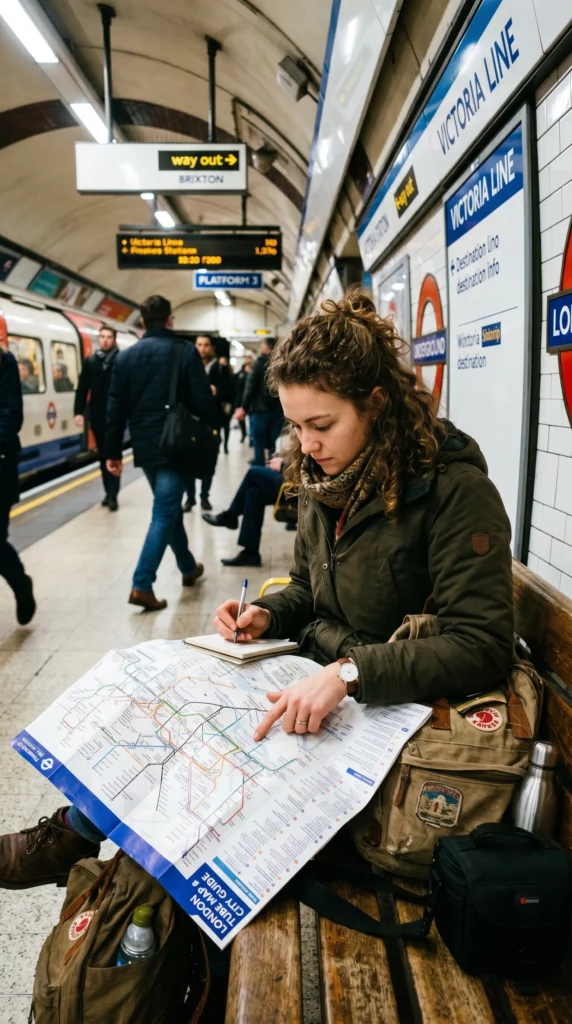
4. I Think About Movement Earlier Than Most People Expect
One thing that changed my travel planning completely was realising that geography matters more than individual attractions.
Now, fairly early in the process of planning a trip, I start thinking about:
- walkability
- public transport
- neighbourhoods
- distances between places
- and how I’ll realistically move through a destination day-to-day
That often influences where I stay just as much as price does.
I would rather stay somewhere slightly less perfect if it makes the overall flow of the trip easier and less exhausting.
This is also why I spend time understanding:
- transport systems
- airport transfers
- train stations
- and the general shape of a city before arriving
Independent travel feels much calmer once places stop feeling completely foreign.
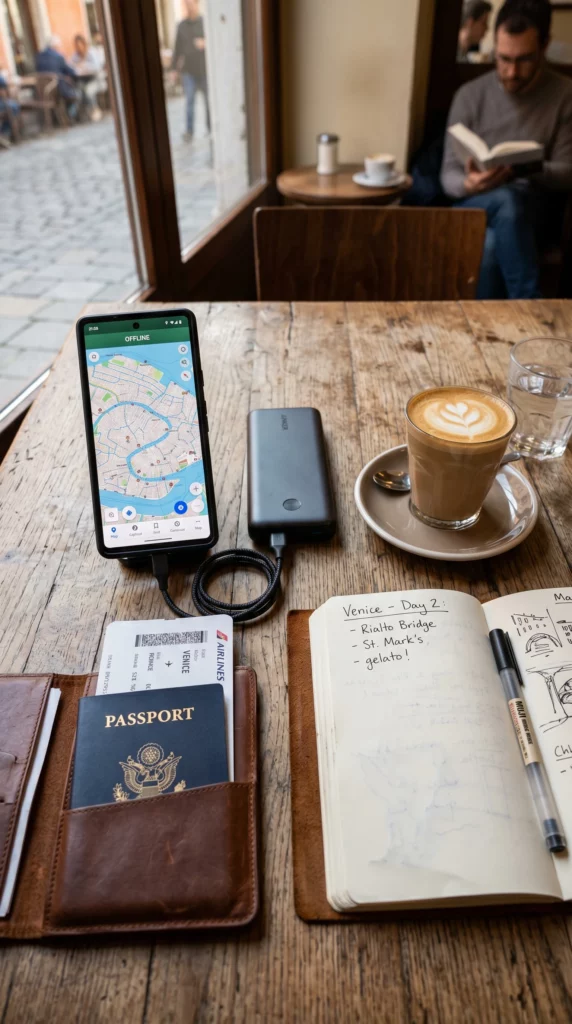
5. I Build Flexible Travel Systems Early
One thing travel has taught me repeatedly is that rigid plans tend to create unnecessary stress.
So now I try to build flexibility into trips wherever possible.
That can mean:
- refundable accommodation
- backup navigation systems
- offline maps
- eSIMs
- portable chargers
- or simply leaving small gaps between major transport connections
None of these things guarantee that problems won’t happen.
But they reduce the feeling that one small issue could completely derail the entire trip.
Psychologically, that makes a huge difference.
6. Booking Usually Comes Later Than People Think
Once I’ve narrowed things down properly, that’s usually when I start moving into actual bookings.
Even then, I tend to research first rather than rushing.
For flights, I usually monitor prices for a while before committing.
For accommodation, I often prioritise refundable options if possible.
For tours or transport, I try to understand:
- flexibility
- cancellation policies
- and how much structure I actually want before locking things in
Over time, I’ve learned that booking something quickly simply to feel organised doesn’t always create a better trip.
Sometimes it just creates more pressure and potentially more cost later.

7. I Try To Leave Space For The Trip To Naturally Evolve
One of the biggest changes in my travel style over the years is that I no longer try to control every hour of a trip in advance.
I still plan.
Probably more than some people.
But I also try to leave room for:
- unexpected discoveries
- slower days
- changing energy levels
- recommendations from locals
- or simply spending longer somewhere than I originally expected
Some of my favourite travel experiences were never part of the original plan at all.
Now I see planning less as creating a perfect schedule and more as building a flexible framework that supports the kind of trip I actually want to have.
Good Travel Planning Isn’t About Perfect Control
I think a lot of people assume experienced travellers always feel completely organised and confident while planning trips.
Honestly, most of us are probably still figuring things out as we go.
The difference is usually just that experience teaches you which parts matter most, which parts are flexible, and which problems become easier once you stop trying to solve everything at once.
For me, planning feels far less overwhelming now because I focus less on perfection and more on building enough structure that the trip can gradually take shape naturally.
TLDR
- I start by understanding realistic time and budget limits
- Building a shortlist helps reduce destination overwhelm
- I begin with a large wish list before narrowing priorities
- Thinking about movement early makes trips feel calmer later
- Flexible backup systems reduce travel stress significantly
- I usually research thoroughly before rushing into bookings
- Leaving room for flexibility often improves trips dramatically
FAQ
What is the first step when planning a trip?
For me, the first step is understanding realistic time and budget limits before researching destinations too deeply.
How do you plan a trip without getting overwhelmed?
Breaking the process into smaller stages helps significantly. I usually focus on shortlists, priorities, and flexible planning rather than trying to organise everything at once.
Should you book trips far in advance?
It depends on the destination and travel style, but I usually prefer researching carefully before rushing into bookings.
Why is flexibility important when planning travel?
Flexible plans reduce stress when schedules, transport, weather, or energy levels change unexpectedly during a trip.
How do you decide where to stay while travelling?
I usually prioritise a balance between location, transport access, walkability, and overall trip flow rather than simply choosing the cheapest option.