
How I Choose Where To Stay
When I first started travelling, choosing accommodation felt fairly straightforward.
I would compare prices, look at a few photos, check the star rating, and book whatever seemed like the best deal.
Over time, I realised that where I stayed often influenced my trip far more than the accommodation itself.
A great hotel in the wrong location can create hours of extra travel, unnecessary stress. It also means a lot more time spent getting around than you expected.
Meanwhile, a simpler place in the right area can make exploring a city feel effortless.
These days, I spend far more time thinking about location than I do comparing amenities.
It seems kind of obvious once you notice it. I might be oversimplifying this part but the location part is what really matters most now.
Here are the main things I consider when choosing where to stay.

1. I Start By Understanding The Layout Of The City
One of the first things I do when researching a destination is figure out how the city actually works.
Every city has its own geography, transport systems, neighbourhoods, and natural gathering points.
Some cities are very compact and walkable.
Others look close together on a map but require significant travel time between attractions.
I learned this lesson the hard way in Santorini.
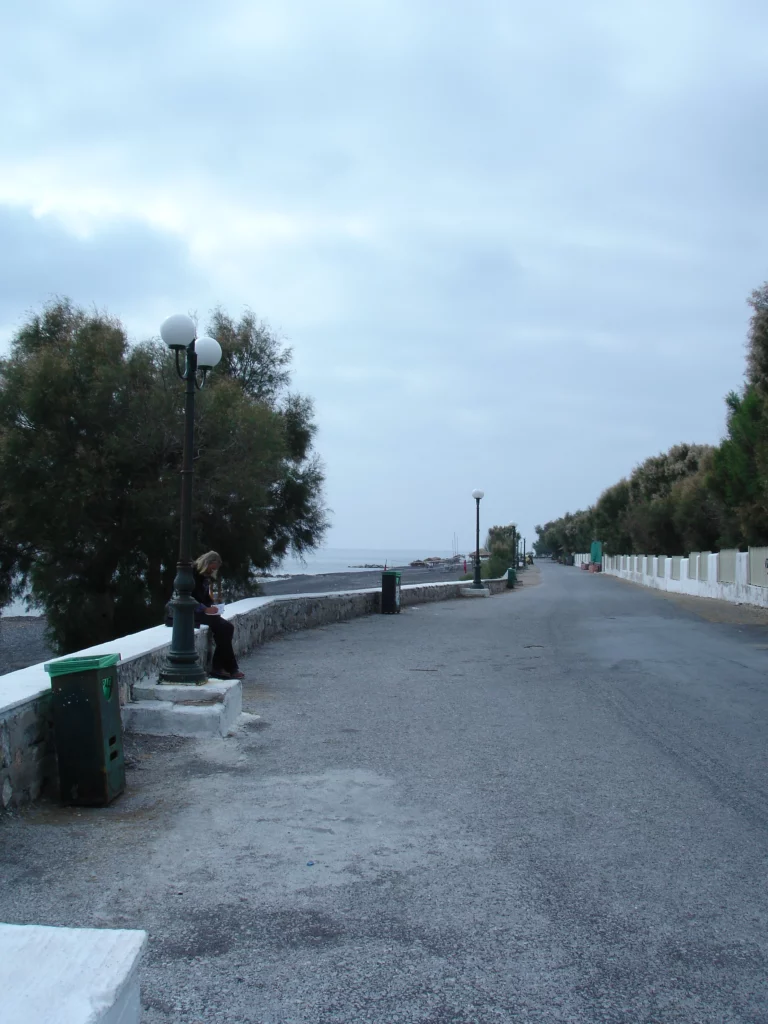
Before that trip, I don’t think I fully appreciated how much accommodation location could effect an experience. I booked a hostel in Perissa because, in my head, Santorini was simply Santorini. I thought I was staying reasonably close to Fira and the places I wanted to spend most of my time.
I wasn’t.
Thankfully the hostel included an airport pickup, so arriving wasn’t a problem. After that, however, I quickly realised I had misunderstood both the geography of the island and the realities of travelling there during the off-season, which wasn’t intentional and a story for another day.
The buses were infrequent. One didn’t show up at all. On one occasion, a hostel staff member found me at the bus stop and actually drove me from Perissa to Fira so I could catch the bus onwards to Oia.
I only just made the final bus back at the end of the day.
The hostel itself was perfectly fine.
The problem wasn’t the accommodation.
The problem was that I hadn’t fully understood how the island worked before deciding where to base myself.
These days, before I even begin comparing accommodation, I try to understand:
- where the main attractions are
- where people spend most of their time
- how public transport connects different areas
- and how much movement I expect to do each day
The better I understand the shape of a destination, the easier it becomes to identify areas that make sense as a base.
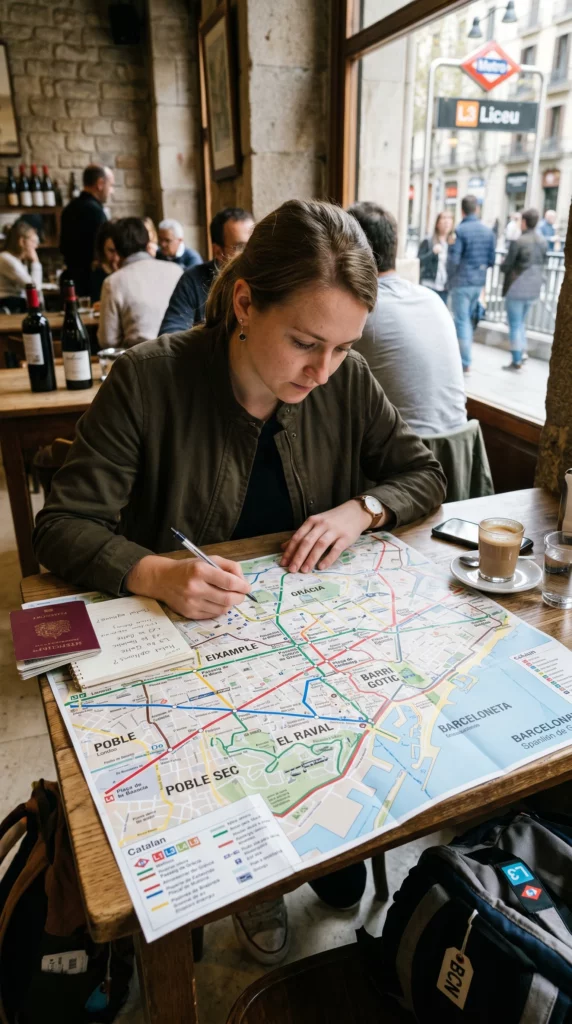
2. I Think About How I Want To Experience The Destination
Not every trip has the same goal.
Sometimes I want to spend most of my time walking through historic neighbourhoods.
Other times I know I’ll be taking day trips, using trains regularly, or spending more time around food markets and local restaurants.
The experience I want often influences my accommodation decisions more than the accommodation itself.
For example:
- a railway station area may make sense for frequent day trips
- a historic centre may suit a city-break focused on walking
- a quieter neighbourhood may be better for a slower trip
I try to choose an area that supports the way I actually want to experience the destination.

3. Transport Matters More Than I Thought
This is probably one of the biggest lessons travel has taught me.
When I was younger, I mainly looked at price.
Now I spend much more time looking at transport connections.
Questions I often ask include:
- How easy is it to reach from the airport?
- Is there a metro station nearby?
- Will I need trains for day trips?
- How easy will it be to get home after a long day?
None of these things are particularly exciting.
But they can have a huge impact on how comfortable a trip feels.
Good transport connections often create more flexibility throughout the entire journey.
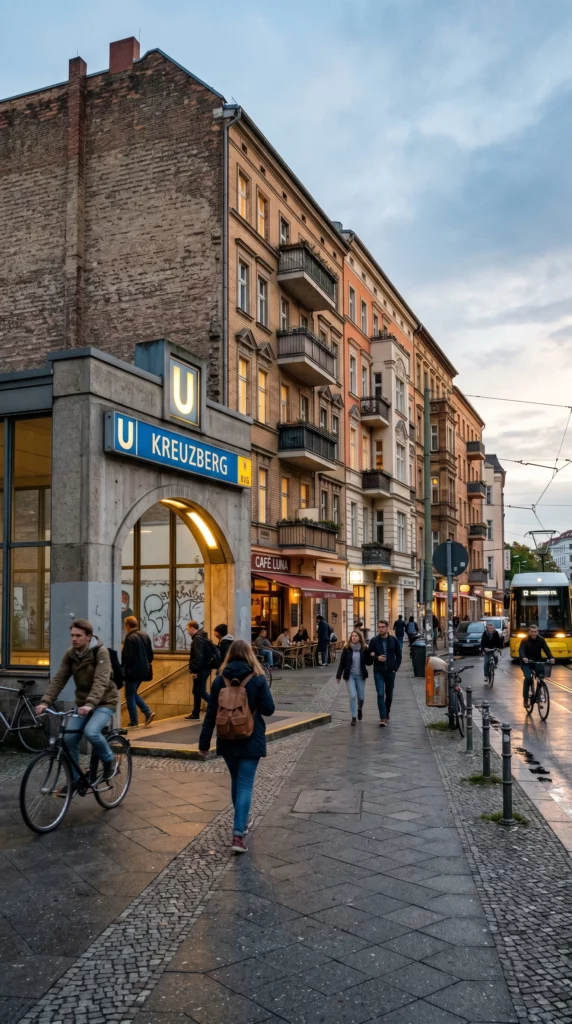
4. I Look Beyond The Tourist Centre When Choosing Where To Stay
This doesn’t mean avoiding the centre completely.
Sometimes staying right in the middle of everything makes perfect sense.
Istanbul is a good example of that. Being based centrally made it much easier to experience the city the way I wanted to, with many of the places I wanted to visit either walkable or well connected.
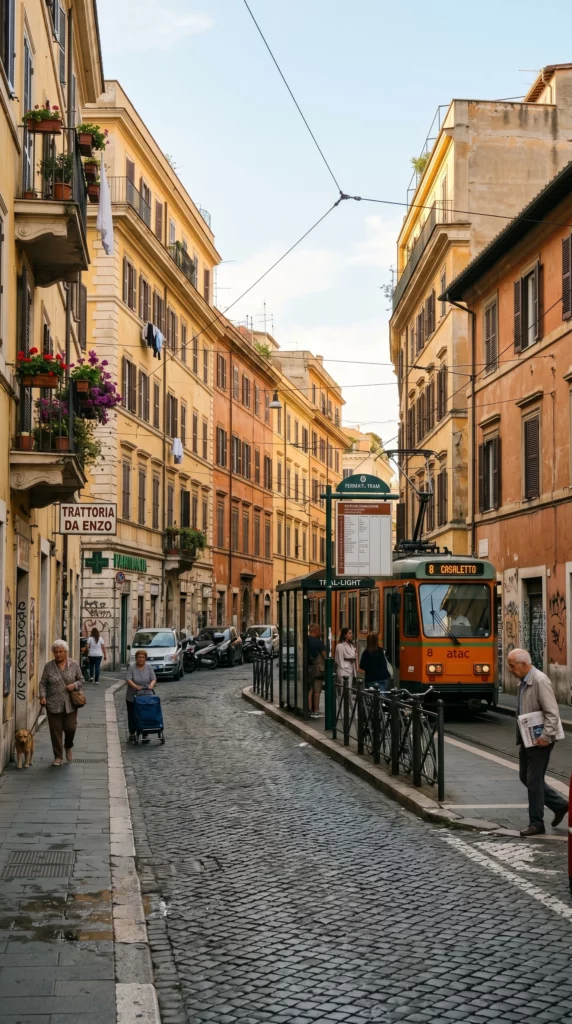
Rome taught me a different lesson.
On more recent visits, I’ve often found myself looking slightly outside the most obvious tourist areas. Not far away, just far enough to gain a little breathing room.
Areas with good transport links but slightly lower prices.
Areas where I wasn’t surrounded by crowds every minute of the day.
The key is understanding what you’re gaining and what you’re giving up.
A fifteen-minute walk or short metro ride can sometimes dramatically improve your options.
5. I Balance Cost Against Convenience
One thing I try to remember is that cheaper accommodation isn’t always cheaper overall.
Sometimes saving money on the room means:
- spending more on transport
- spending more time commuting
- limiting flexibility
- making early starts more difficult
That doesn’t mean the most expensive option is best either.
I simply try to think about the full cost of the decision rather than focusing entirely on the nightly rate.
Often the best value option sits somewhere in the middle.

6. I Read Reviews For Different Reasons Now
When I first started booking accommodation, I mostly looked at ratings.
Now I read reviews much more selectively.
I’m usually looking for clues about things like:
- noise levels
- neighbourhood feel
- transport access
- cleanliness
- safety concerns
- common frustrations
Over time, I’ve also learned to read between the lines a little.
Sometimes people are highlighting genuinely useful issues.
Other times they’re frustrated by things that were fairly predictable based on the location they chose.
A hotel beside a major railway station may attract different crowds than a quiet suburban neighbourhood.
A property in the heart of a historic centre may be noisier than somewhere further out.
Neither is automatically right or wrong.
The question is whether those trade-offs suit the type of trip you’re trying to have.
The overall rating is useful.
But the details often tell a much clearer story.

7. The Best Accommodation Isn’t Always The Best Choice
One thing I’ve realised over time is that the “best” accommodation on paper isn’t always the best option for me.
The highest rating.
The biggest room.
The fanciest amenities.
None of those things matter much if the location doesn’t suit the trip.
I would often rather stay somewhere simpler if it means:
- easier walking
- better transport access
- less time commuting
- and more time actually experiencing the destination
I’ve also become increasingly interested in accommodation that offers something beyond convenience.
Staying with locals, guesthouses, and more personal forms of accommodation can sometimes provide insights into a destination that hotels simply can’t.
That’s something I’m still exploring and will probably write more about in the future.
For me, where I stay is really about creating a base that supports the type of trip I want to have.

Choosing Where To Stay Is Really About Reducing Friction
I used to think accommodation decisions were mostly about finding the nicest place I could afford.
Now I see them differently.
The right accommodation doesn’t just provide somewhere to sleep.
It makes moving around easier.
It makes decisions simpler.
It reduces stress.
And it helps the destination fit together more naturally.
For me, that’s usually far more valuable than an extra star rating or a few additional amenities.

TLDR
- I start by understanding how the city is laid out
- The type of trip I want influences where I stay
- Transport connections matter more than I once realised
- Areas outside tourist centres can offer surprising advantages
- I balance accommodation costs against overall convenience
- Reviews help reveal details ratings often miss
- The best location often matters more than the best accommodation
FAQ
How do I choose where to stay in a new city?
Start by understanding the city’s layout, transport options, and the type of experience you want from the trip.
Is it better to stay in the city centre?
Not always. Areas just outside the centre can sometimes offer better value, easier transport, and a more local atmosphere.
What should I look for in accommodation reviews?
Look beyond ratings and pay attention to comments about noise, transport access, safety, and neighbourhood atmosphere.
Does location matter more than accommodation quality?
For many trips, location has a bigger impact on the overall experience than room size or amenities.
How can I avoid choosing the wrong area to stay?
Research neighbourhoods, transport links, and how you’ll move around the destination before booking accommodation.