Why Not All Tours Are Created Equal (Small vs Large Groups)
I used to think tours were pretty much the same no matter what.
You signed up with a bunch of people.
You followed an itinerary.
You visited interesting places.
Prices and where you went were the main things that stood out at first.
After actually going on a few though it started to seem like the number of people made more difference than I expected.
Two tours might visit many of the same places, but feel entirely different depending on how many people you were travelling with.
It feels like my view on tours stayed similar overall, but I got clearer on what kind of travel I actually wanted.
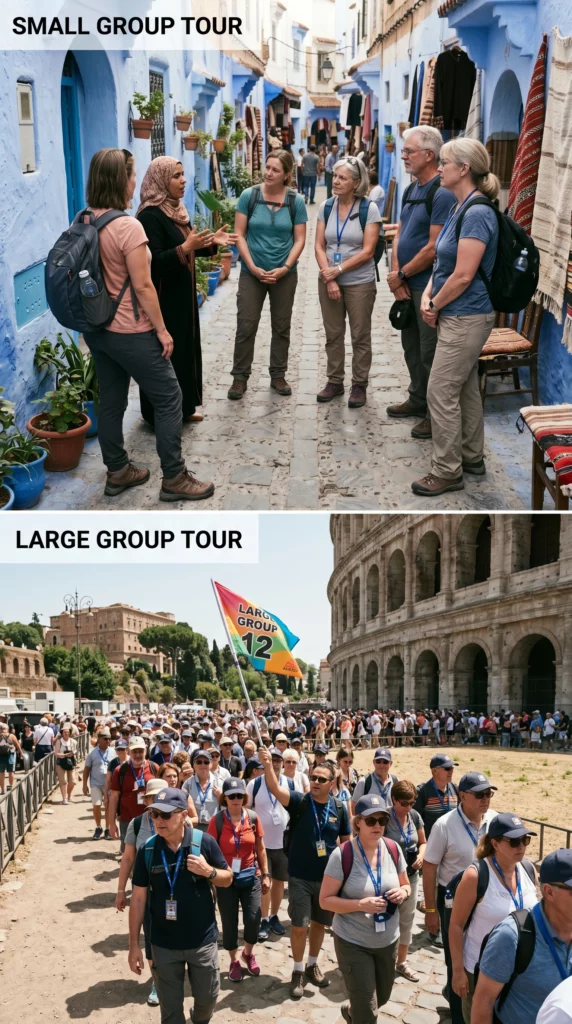
It seems smaller groups let things move slower sometimes. Large ones can get loud and rushed in ways that make it hard to really look around.
Here are some of the biggest differences I’ve noticed when comparing small group tours vs large group tours.
Are Small Group Tours Better Than Large Group Tours?
Not necessarily. Small group tours often offer more flexibility, easier social connections, and a more personal experience. Large group tours can provide more social energy, structure, and sometimes lower costs. The best choice depends on your personality, travel style, and what you want from the trip.
1. Group Size Changes The Entire Atmosphere
The first thing I noticed was how different the atmosphere feels.
Large tours often have a lot of energy.
There are always people around.
Someone is usually organising something.
Conversations are happening everywhere.
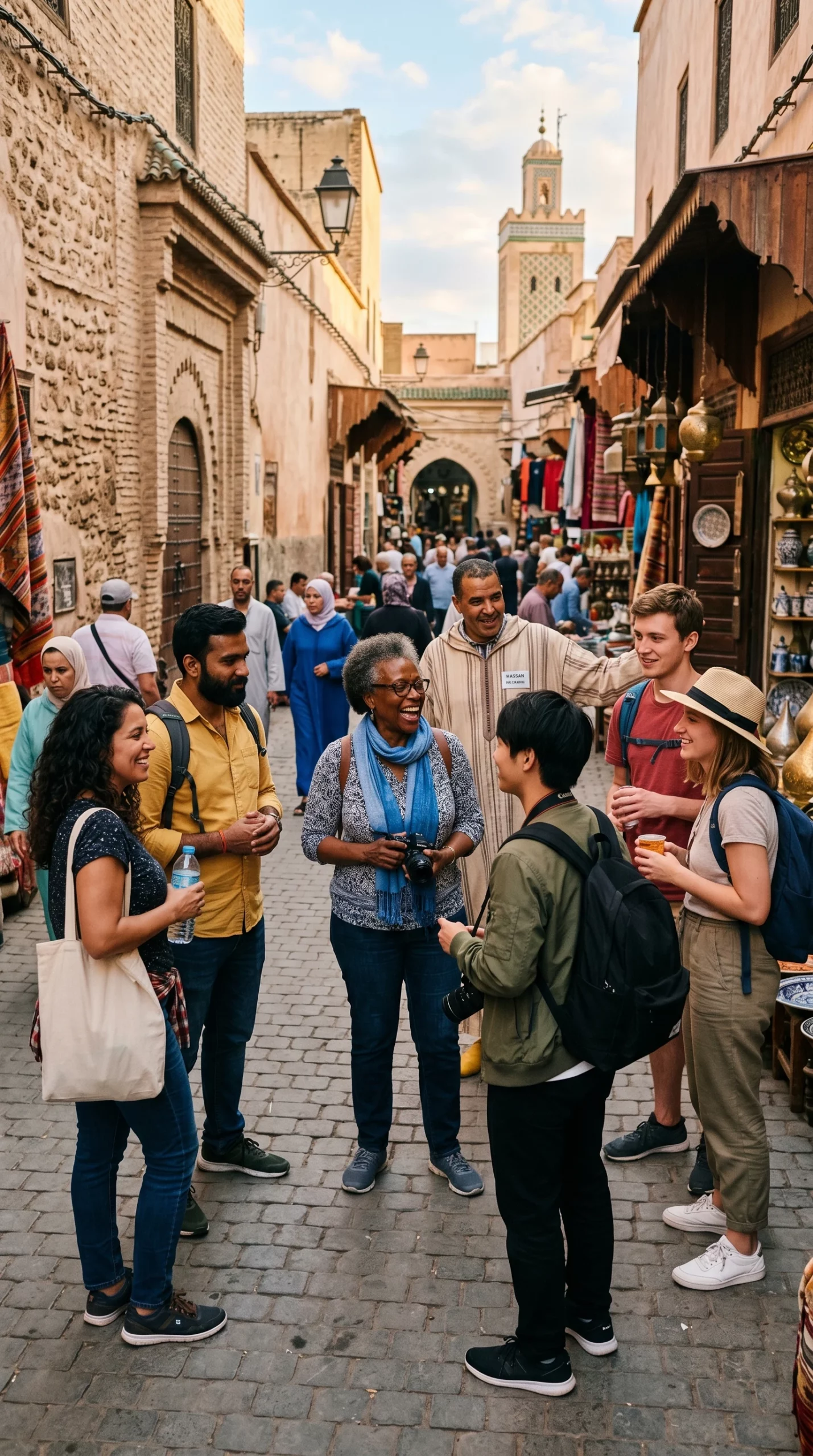
Small group tours tend to feel calmer.
You still have the social side of travel, but it often feels more relaxed and less overwhelming.
Neither atmosphere is automatically better.
They’re simply different.
And different travellers may be looking for different things.
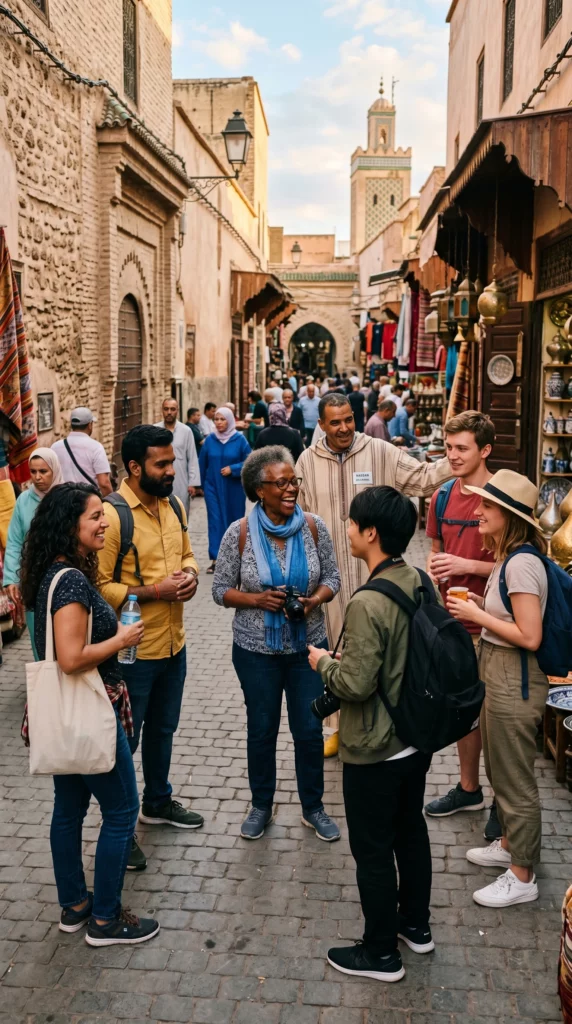
2. It’s Easier To Get To Know People In Smaller Groups
One of the biggest differences for me has been how relationships form.
My first Contiki tour around America in 2004 had a large group.
I was eighteen and travelling with my cousin and her friend, which probably made the experience easier.
I still have a few people from that trip on social media today.
But even then, it was impossible to know everyone equally well.
There were simply too many people.
Smaller tours create a different dynamic.
When there are fewer people, conversations tend to happen repeatedly throughout the trip.
You naturally get to know people better.
By the end of the tour, the group often feels less like a collection of strangers and more like a temporary community.
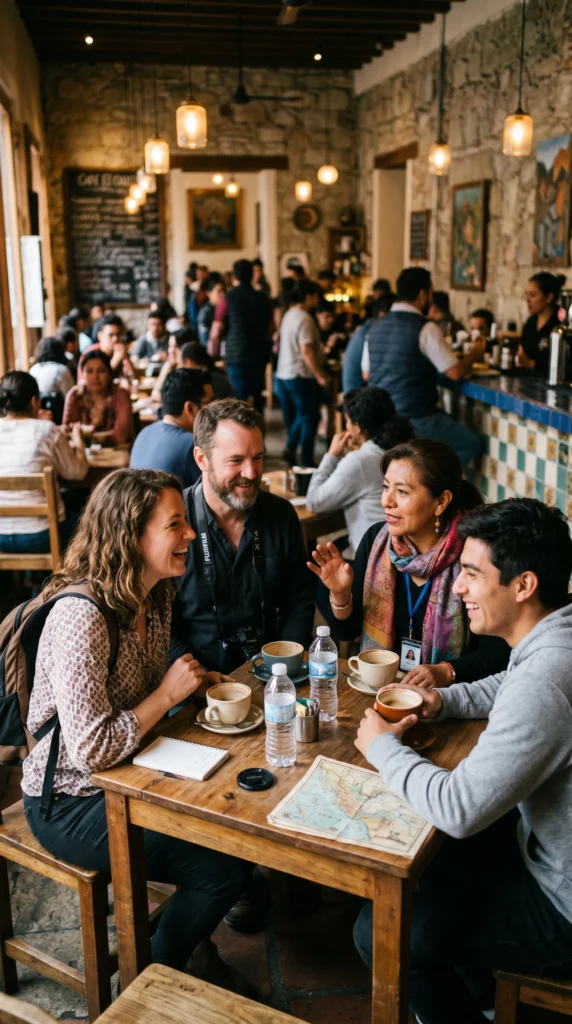
3. Small Groups Often Feel More Flexible
This was something I didn’t fully appreciate when I first started travelling.
Larger groups require more structure.
Moving fifty people from one place to another takes organisation.
Moving twelve people is a very different challenge.
On my Eastern Europe Contiki tour in 2007, a small group of us eventually decided we wanted a different experience between Poland and Germany.
Rather than take the scheduled coach, around eight of us organised our own train journey instead.
Looking back, I think that was one of the first signs that I was beginning to want a little more independence in my travel.
Not necessarily complete independence.
Just a little more flexibility than the tour structure naturally allowed.
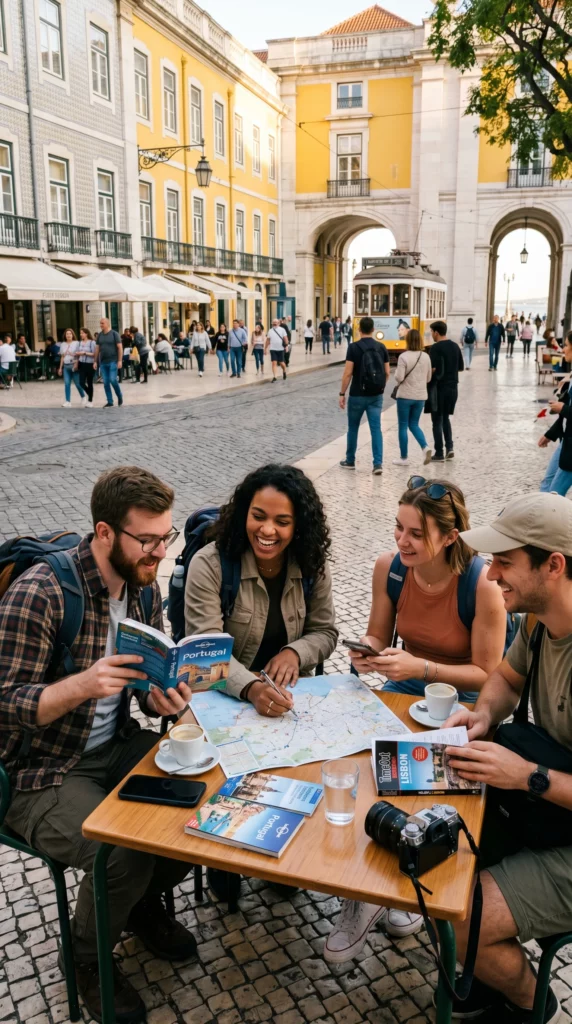
4. Large Groups Can Create Their Own Momentum
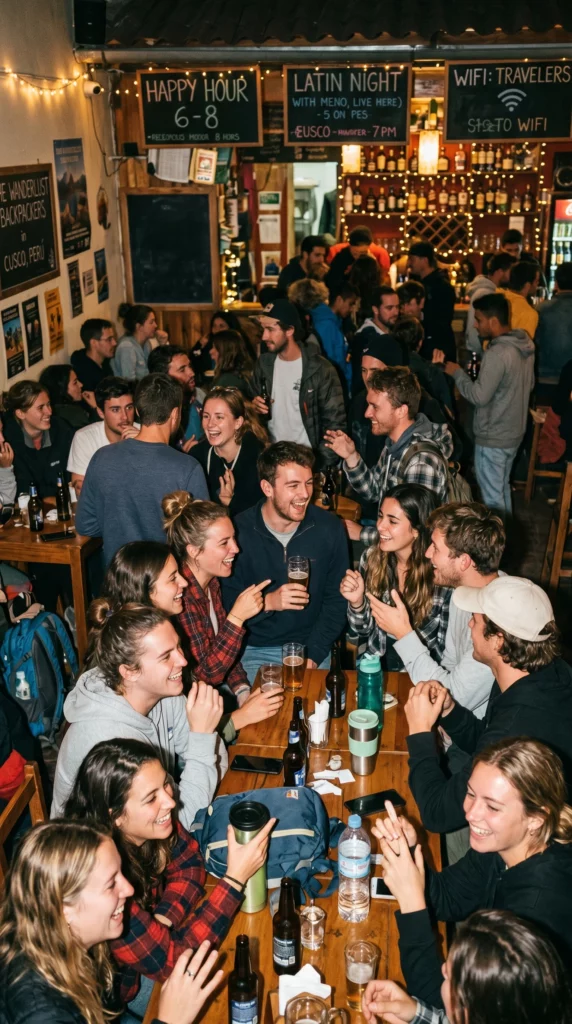
One advantage of larger tours is that there is always something happening.
There are more personalities.
More friendships forming.
More group activities.
More opportunities to find people who share your interests.
For younger travellers especially, that energy can be a huge part of the appeal.
At eighteen, I probably enjoyed that side of travel far more than I realised at the time.
The social experience was almost as important as the destination itself.
5. The Guide Experience Feels Different
The guide can have a huge impact on any tour, regardless of size.
But group size often changes the relationship you have with them.
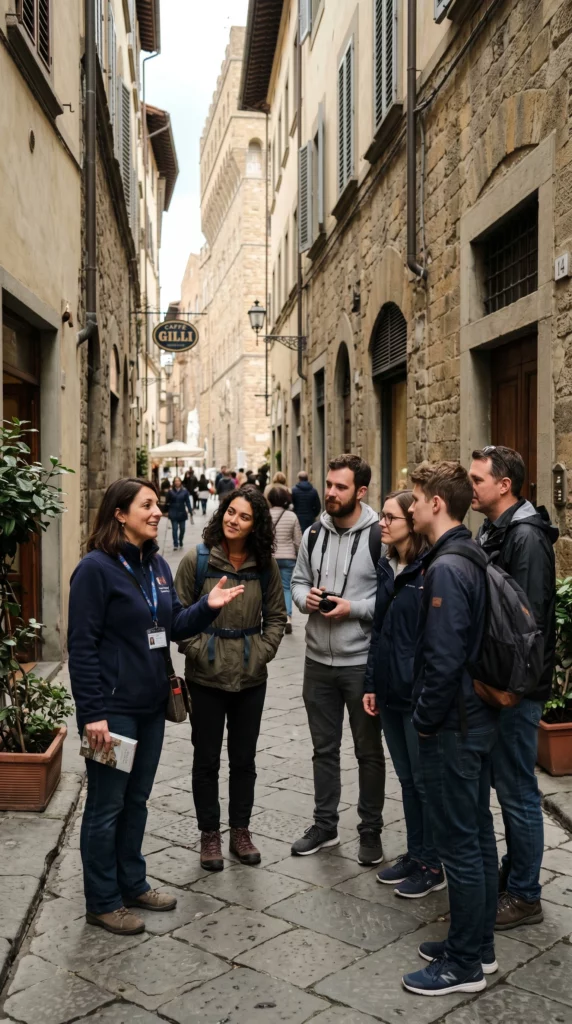
On smaller tours, conversations feel more natural.
It’s easier to ask questions.
Easier to seek recommendations.
Easier to have casual discussions throughout the day.
On larger tours, the guide often takes on more of a presenter role, sometimes even like a glorified chaperone.
They’re managing a bigger group and delivering information to more people at once.
Neither approach is necessarily better.
But they create very different experiences.
6. Tour Culture Matters Too
One lesson I learned over time is that group size isn’t the only factor.
Tour culture matters as well.
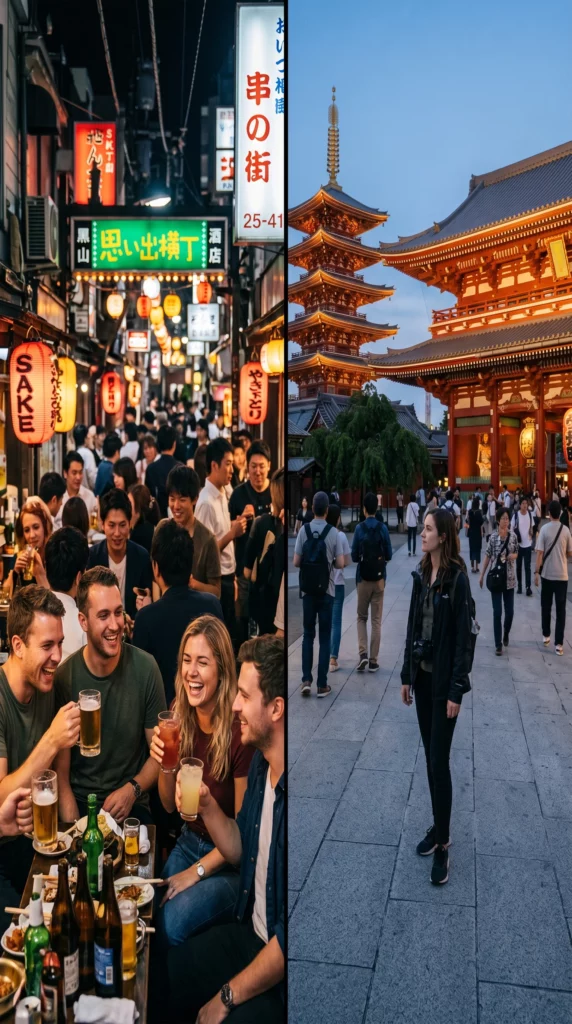
When I travelled with Contiki, the social side of the trip was a major part of the experience.
There was a strong nightlife culture and plenty of opportunities to celebrate together.
In this period of my travels, I always tell people I saw a little bit of a lot of countries.
For many travellers, that’s exactly what they’re looking for.
It simply became less important to me over time.
When I started looking at trips to Mexico and Cuba years later, I found myself drawn toward companies like G Adventures and Intrepid instead.
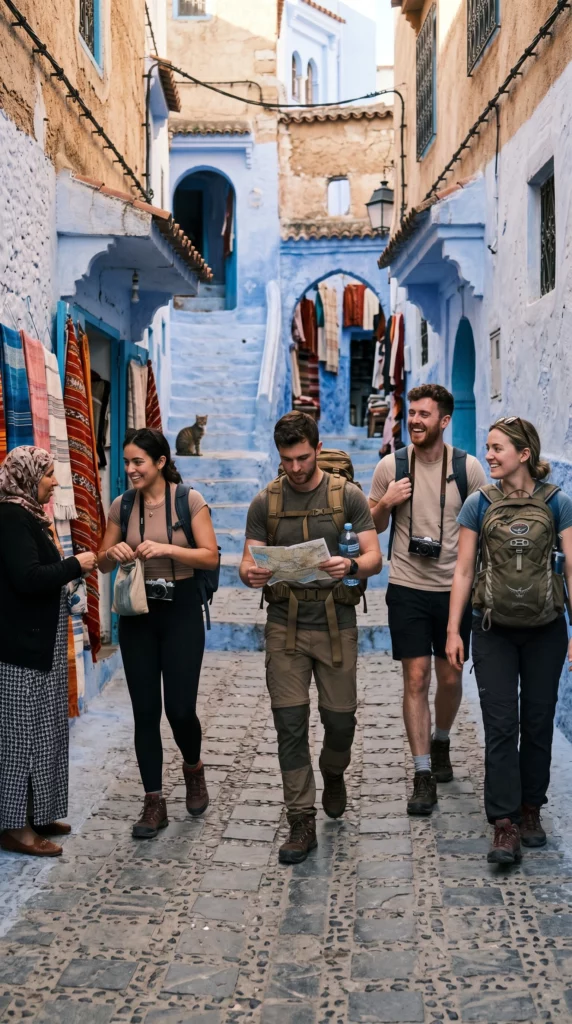
The smaller groups appealed to me.
The travel style appealed to me.
And the focus seemed to align more closely with what I wanted from the experience. To see places more extensively, to truly understand.
I wasn’t looking for more parties.
I was looking for more destination.
7. The Best Choice May Change Over Time
Perhaps the biggest lesson I’ve learned is that there isn’t one perfect tour style.
At eighteen, a larger group suited me perfectly.
At twenty, I was already starting to seek out a little more independence.
By the time I reached Mexico and Cuba, smaller groups felt like a much better fit for who I had become as a traveller.
For a while, I thought my feelings about tours were changing.
Looking back, it was actually me that was changing.
The larger tours suited a younger version of myself.
The smaller tours suited the traveller I was becoming.
And that’s why I no longer think in terms of good tours and bad tours.
I think in terms of what fits me now.

The Best Tour Is The One That Matches What You Want
One of the biggest mistakes I see people make is asking whether tours are good or bad.
That’s usually the wrong question.
A better question is:
“What kind of tour experience am I looking for?”
Because two tours visiting the same destinations can feel completely different depending on:
- group size
- travel style
- pace
- culture
- and the people travelling alongside you
Understanding that helped me stop judging tours as a single category.
Instead, I started thinking about what kind of experience I actually wanted.
That made choosing much easier.
TLDR
- Group size can completely change the feel of a tour
- Smaller groups often make it easier to form connections
- Larger groups usually require more structure
- Big tours can create strong social energy
- Guides often interact differently with small and large groups
- Tour culture can matter as much as group size
- The best choice may change as you grow as a traveller
FAQ
Are small group tours better than large group tours?
Not necessarily. Small group tours often provide more flexibility and personal interaction, while large groups can offer stronger social energy and structure.
What is considered a small group tour?
It varies by company, but many small group tours operate with around 8–18 travellers.
Are large group tours more social?
They can be. Larger groups often create more opportunities to meet different people and participate in group activities.
Why do some travellers prefer small group tours?
Smaller groups often allow for more meaningful interactions, greater flexibility, and a more relaxed atmosphere.
Does tour preference change over time?
It can. Many travellers find that the type of tour they enjoy evolves as their travel style and priorities change.