
How to Use Public Transport in Any Country Without Feeling Completely Lost
Using public transport in a foreign country can feel unfamiliar very quickly.
Even when the system itself is efficient, the experience of navigating it isn’t always intuitive. Signs look different. Ticketing works differently. The rhythm of movement changes.
It’s not just about learning the system.
It’s about learning how to move within it.

The Initial Friction Is Normal
The first interaction with a transport system is rarely smooth.
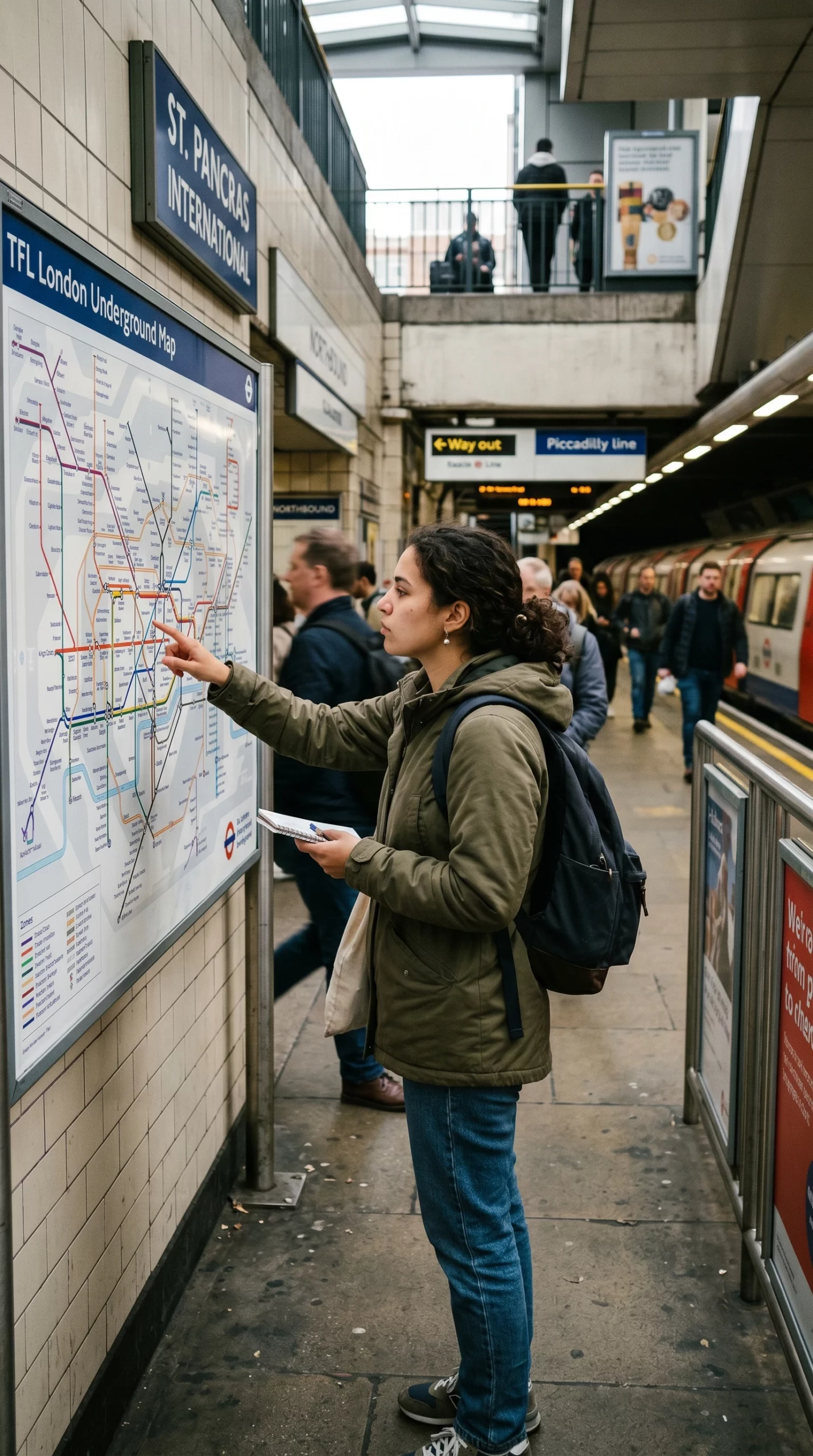
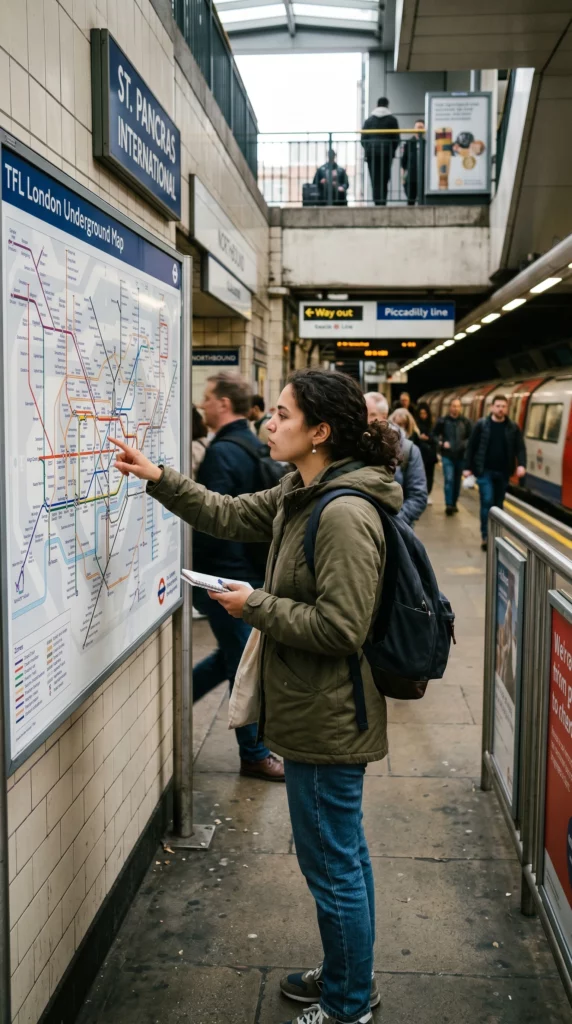
You hesitate at ticket machines. You double-check maps. You watch what other people are doing before making a decision.
This isn’t a failure to understand.
It’s part of adjusting.
Most systems only begin to make sense after you’ve used them once or twice.
Start Small Before You Go Further

It’s easy to feel like you need to understand everything immediately.
In reality, you don’t.
Starting with a short, simple journey is often enough to build confidence. One stop on a metro line, a short tram ride, or a single bus route.
Once you’ve done that, the system begins to feel more manageable.
Confidence builds through repetition, not preparation alone.
Focus on Direction, Not Perfection

Trying to understand every detail before moving can slow you down.
Instead, it helps to focus on direction.
Where is the line heading? What is the final stop? Which side of the platform do you need?
These small pieces of information are often enough to get you moving.
Precision comes later.
Use Landmarks and Anchors

Transport systems can feel abstract when viewed only as maps.
It becomes easier when you connect them to places.
Stations near major landmarks — like the Colosseum in Rome or ferry terminals along the Bosphorus in Istanbul — act as anchors.
They give you reference points that make the system easier to understand.
Expect the System to Feel Different
No two cities operate in exactly the same way.
Some rely heavily on metro lines. Others are built around buses, trams, or ferries. Ticketing systems vary, and so does the level of signage and clarity.
Expecting differences reduces frustration.
You’re not trying to find a familiar system — you’re learning a new one.
Observe Before You Act
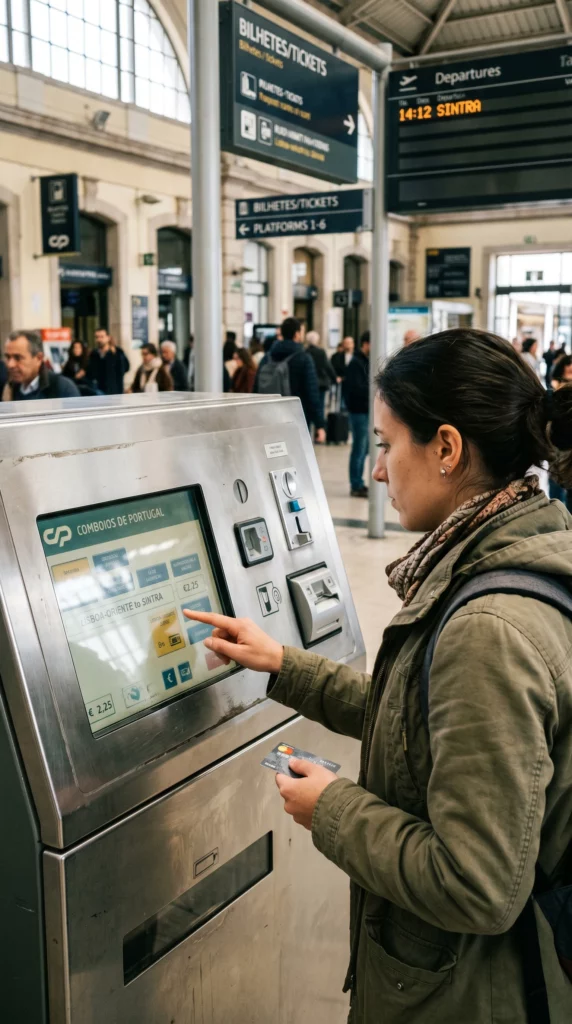
One of the easiest ways to understand a transport system is to watch how others use it.
How do people enter and exit? Where do they validate tickets? How do they move through stations?
These small observations often answer questions more quickly than instructions.
Movement Becomes Easier With Use
What feels unfamiliar at first becomes routine surprisingly quickly.
After a few journeys, the hesitation fades. The system becomes easier to read. Decisions feel more automatic.
This shift happens gradually, often without noticing.
The key is to start.
Public Transport Is Part of the Experience
It’s easy to see public transport as something purely functional.
But it also provides a different view of a city.
You see how people move, where they gather, and how daily life is structured.
Using it is not just about getting from one place to another.
It’s part of understanding where you are.

TLDR
- Feeling unsure at first is normal
- Start with simple journeys to build confidence
- Focus on direction rather than understanding everything
- Use landmarks to orient yourself
- Observe how others use the system
- Confidence builds through repetition
FAQ
How do I use public transport in a country I don’t understand?
Start with simple journeys, observe how others move through the system, and focus on direction rather than perfection.
Is public transport difficult in foreign countries?
It can feel unfamiliar at first, but most systems become easier to use after a few attempts.
What is the easiest way to learn a transport system?
Using it. Practical experience helps more than trying to understand everything in advance.
Should I plan routes in advance?
Planning helps, but flexibility and observation are just as important once you’re on the ground.
Is it safe to use public transport while travelling?
In most major cities, public transport is safe and widely used, though awareness of surroundings is always important.