How to Choose the Right Area to Stay in Istanbul (Without Getting Overwhelmed)
Choosing where to stay in Istanbul can feel overwhelming very quickly.
The city is large, spread across two continents, and made up of neighbourhoods that feel completely different from one another. What looks close on a map can take much longer to navigate in practice.
It’s not just about location.
It’s about understanding how the city is structured — and how you want to move through it.
The Challenge: Istanbul Doesn’t Behave Like a Typical City
In many cities, choosing where to stay is a matter of centrality.
In Istanbul, that logic doesn’t always hold.
The Bosphorus divides the city. Transport routes aren’t always direct. And neighbourhoods can feel distinct enough that staying in the wrong one can change the entire rhythm of your trip.
Trying to stay “in the middle” doesn’t always solve the problem.
Understanding the areas matters more.
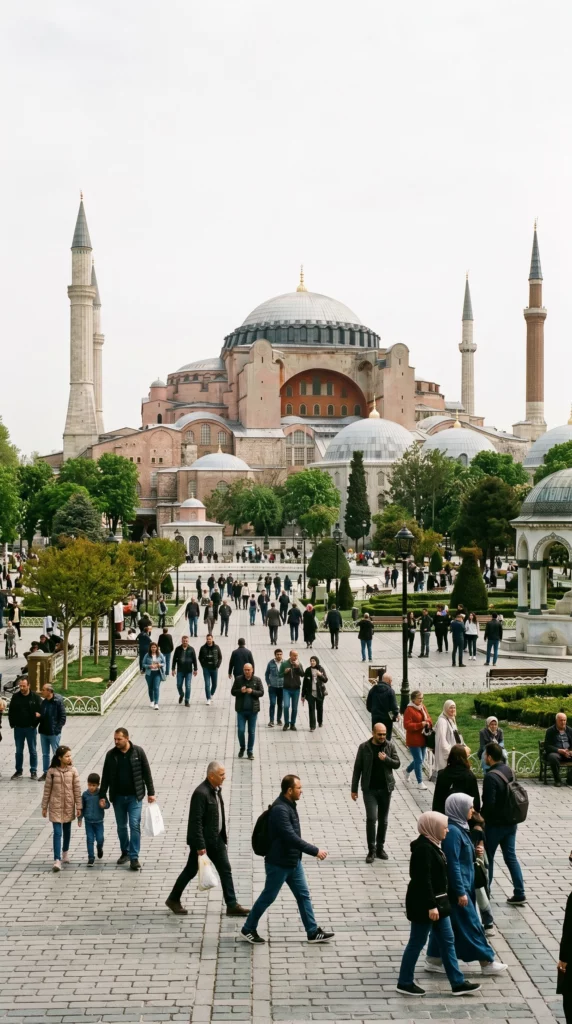
Sultanahmet — Close to History, Slower Evenings
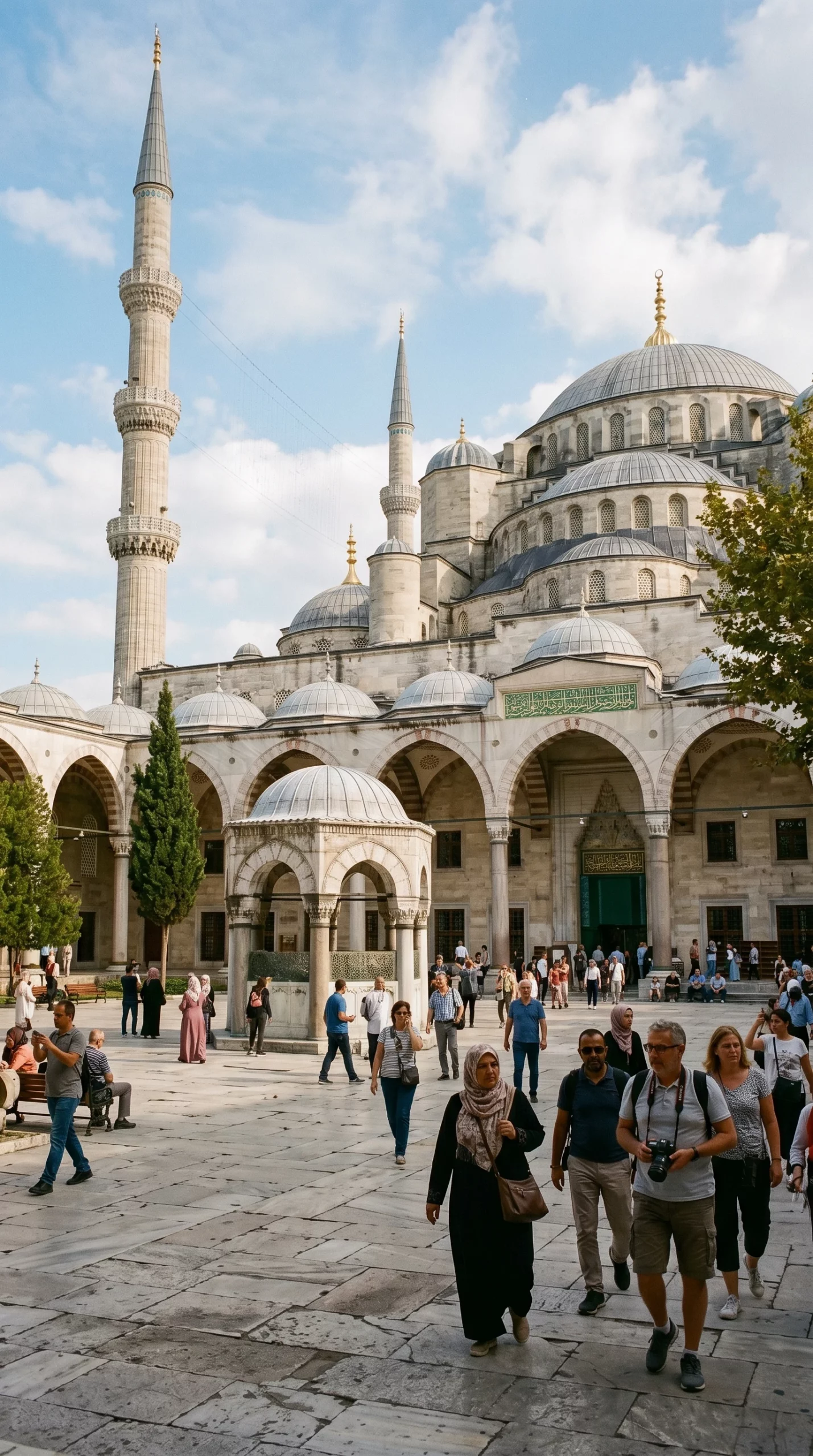
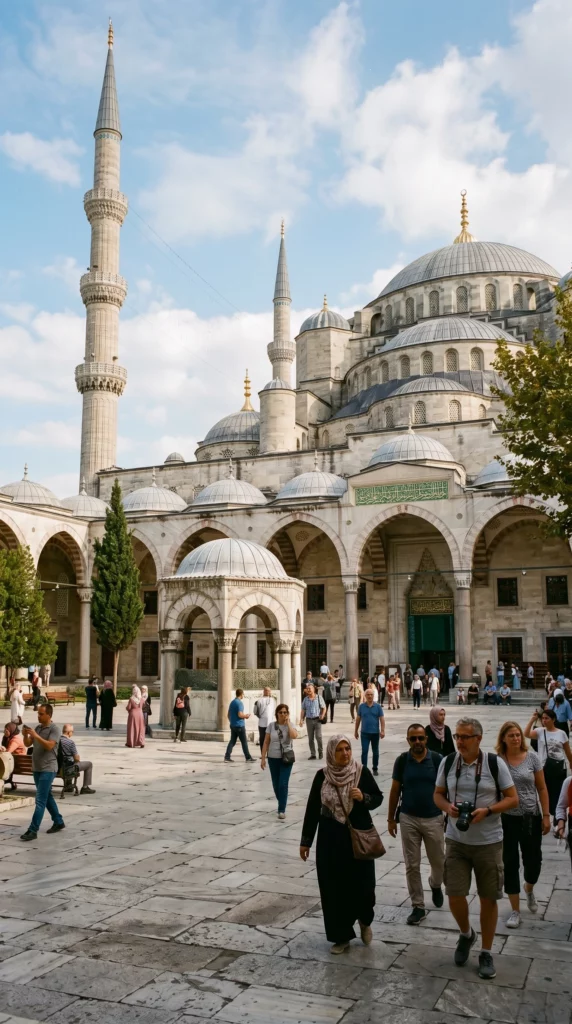
In the historic peninsula, Sultanahmet places you within walking distance of some of Istanbul’s most significant landmarks, including the Hagia Sophia and the Blue Mosque.
During the day, the area is active and busy.
But in the evenings, it quiets noticeably. Shops close earlier, and the pace slows.
Staying here works well if your priority is immediate access to historic sites. But it can feel less dynamic outside peak hours.
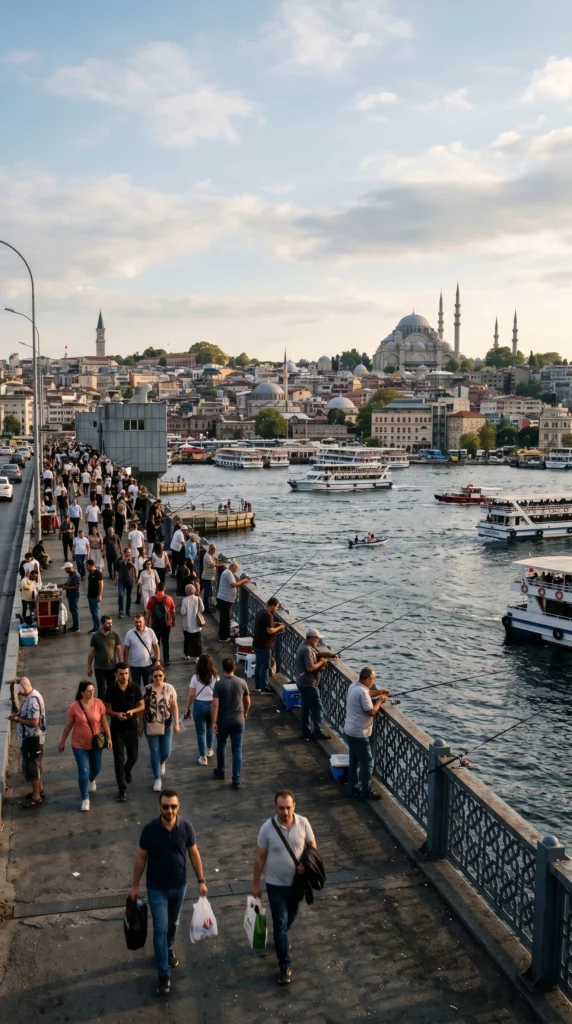
Karaköy — Connected and Transitional
Across the Golden Horn, Karaköy sits between the historic peninsula and more modern districts.
It is well connected, with access to trams, ferries, and walkable routes across the Galata Bridge.
The area itself feels transitional — a mix of older structures, newer spaces, and constant movement.
It works well as a base if you want flexibility and connectivity, rather than a defined atmosphere.
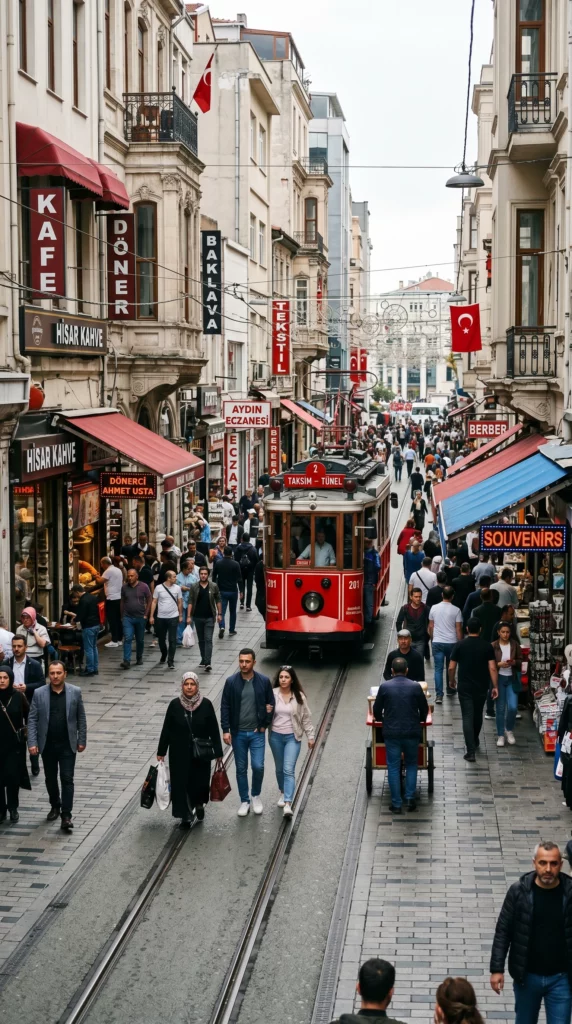
Beyoğlu (Taksim Area) — Active and Wide-Ranging
Moving further north, Beyoğlu expands outward from Taksim Square.
This is a larger, more varied area. Some parts are busy and commercial, while others feel more local and residential.
It offers a broader range of accommodation and easier access to different parts of the city.
But it also requires more awareness of where exactly you are staying within the district.

Kadıköy — A Different Perspective
On the Asian side, Kadıköy offers a completely different feel.
It is less focused on tourism, more local in rhythm, and often more relaxed. Streets are lively without being overwhelming, and daily life feels more visible.
Staying here means relying more on ferries to move between continents.
But that movement becomes part of the experience rather than a limitation.
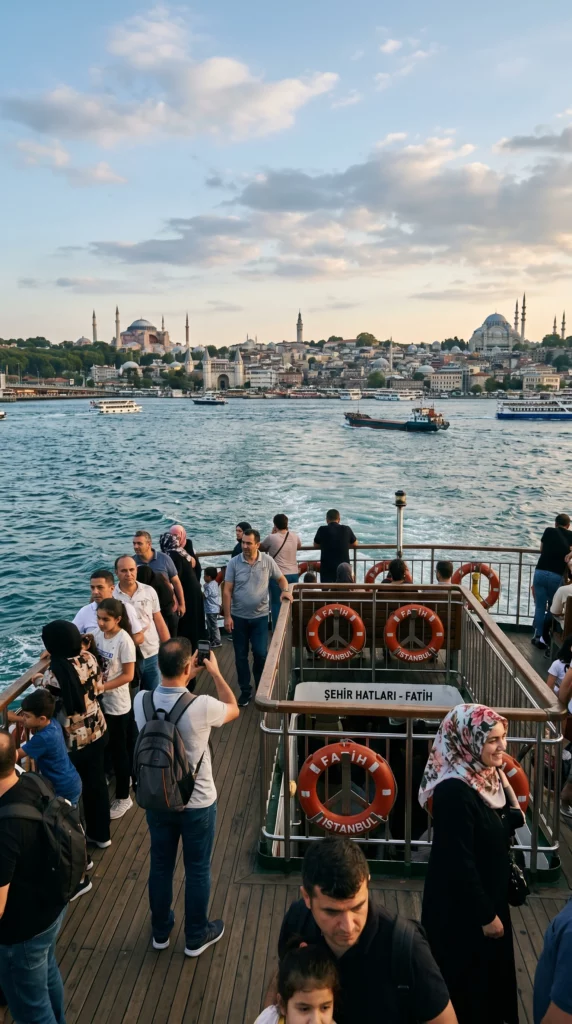
Movement Matters More Than Distance
In Istanbul, distance is less important than connection.
Two areas may appear close, but require multiple transport changes. Others may be further apart, but linked directly by ferry or tram.
This is where many decisions become confusing.
It helps to think less about being “close to everything” and more about being well connected to where you want to go.
Matching Your Base to Your Travel Style
There isn’t a single correct area to stay in Istanbul.
Instead, the decision depends on how you want to experience the city.
- If your focus is historic landmarks → Sultanahmet
- If you want connectivity and movement → Karaköy
- If you prefer a broader, more varied base → Beyoğlu
- If you want a local, less touristic feel → Kadıköy
Each works — but for different reasons.
Istanbul Isn’t Meant to Be Simplified
Part of what makes Istanbul compelling is also what makes it harder to navigate.
It doesn’t reduce easily to a single centre or a simple layout.
Trying to simplify it too much can lead to frustration.
Choosing the right area isn’t about finding the perfect location.
It’s about choosing the version of the city you want to experience.
TLDR
- Istanbul’s neighbourhoods feel very different from each other
- Sultanahmet is historic but quieter at night
- Karaköy offers strong connectivity
- Beyoğlu provides variety but requires location awareness
- Kadıköy offers a more local experience
- Choose based on movement and experience, not just distance
FAQ
What is the best area to stay in Istanbul?
There isn’t one best area. Sultanahmet is central for history, while Karaköy and Beyoğlu offer better connectivity.
Is it better to stay in Sultanahmet or Taksim?
Sultanahmet is better for historic sites, while Taksim offers more variety and easier movement across the city.
Should I stay on the Asian side of Istanbul?
Kadıköy is a strong option if you’re comfortable using ferries and want a more local experience.
Is Istanbul easy to get around from any neighbourhood?
Not always. Connectivity varies, so it’s important to consider transport links when choosing where to stay.
How do I choose where to stay in Istanbul?
Focus on how you want to move through the city — whether that’s walking, using trams, or taking ferries.