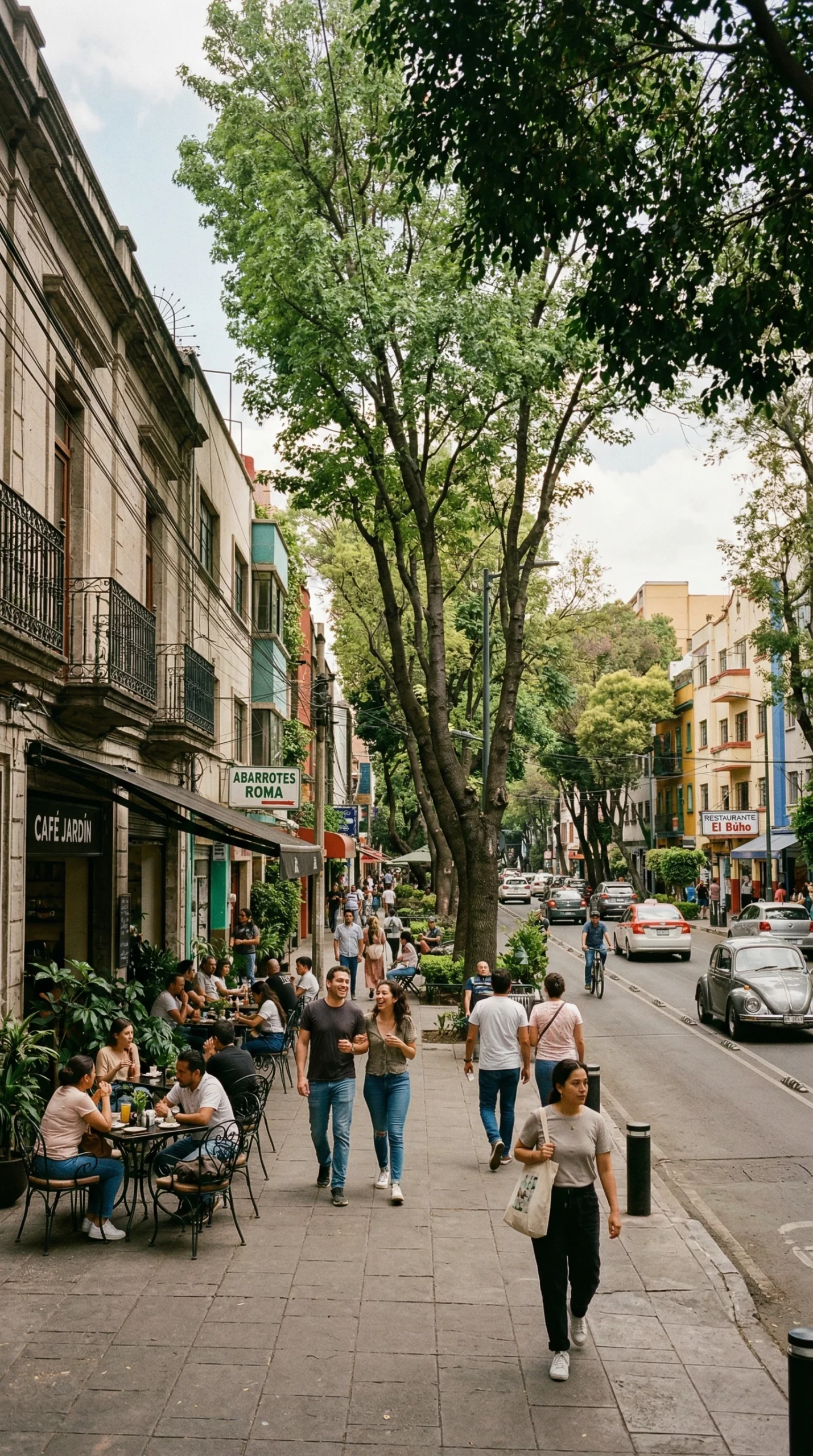
Mexico City Neighbourhood Guide: Understanding Where to Stay
Mexico City is not experienced as a single place.
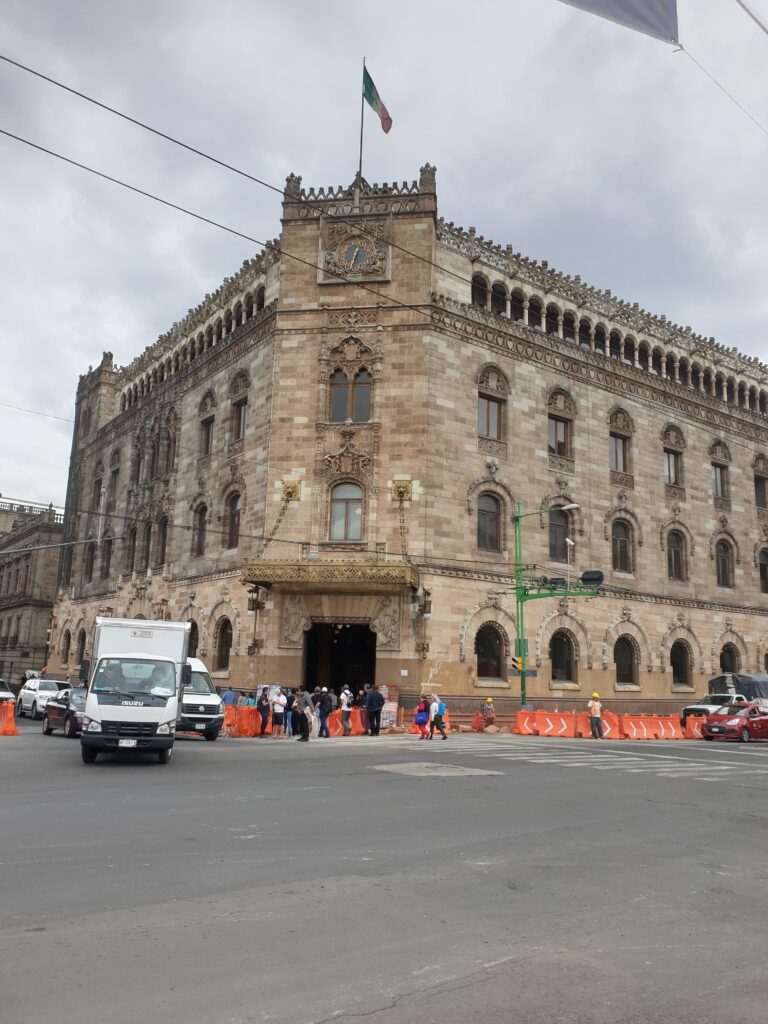
It unfolds in sections.
Neighbourhood by neighbourhood, the city shifts — in pace, in atmosphere, in scale. What feels calm and walkable in one area can feel dense and overwhelming in another just a short distance away.
Understanding Mexico City is less about seeing everything, and more about knowing where you are within it.
Centro Histórico — Dense, Historic, and Constant
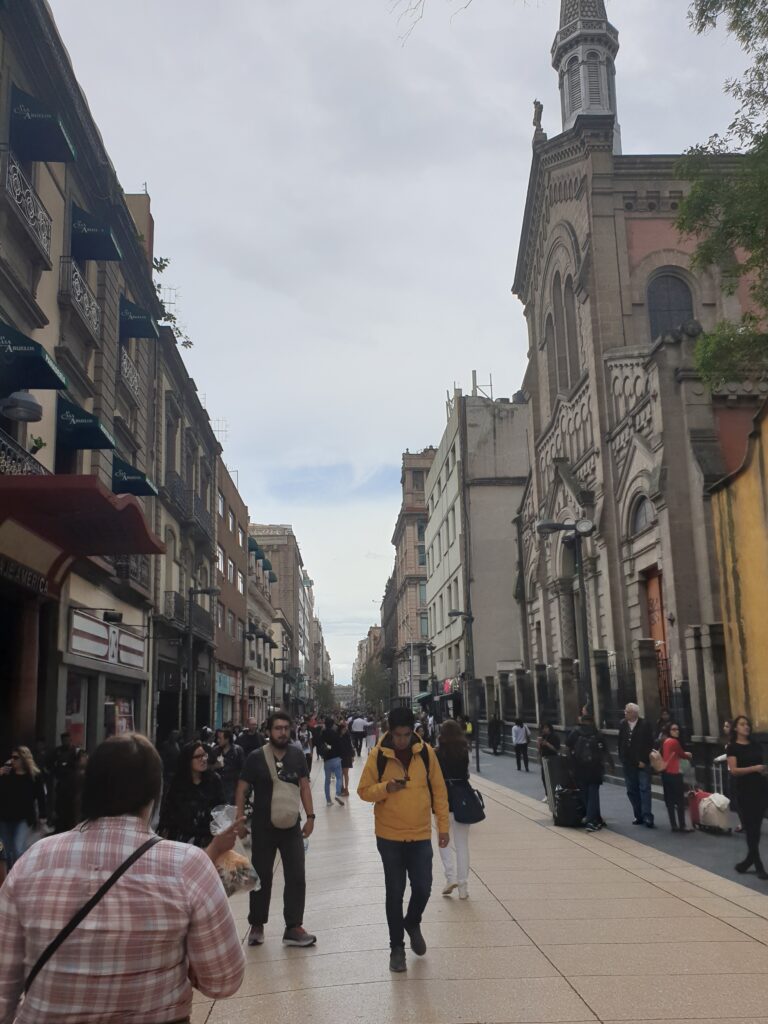
Centro Histórico is where the city’s history is most visible.
Colonial buildings, wide plazas, and major landmarks sit alongside constant movement. Streets fill quickly, and the rhythm is immediate — busy, layered, and at times overwhelming.
It is an important place to begin.
But it is not necessarily a place to stay for long periods.
Centro provides context. It anchors your understanding of the city. But the density means it is often best experienced in shorter visits, with space elsewhere to reset.
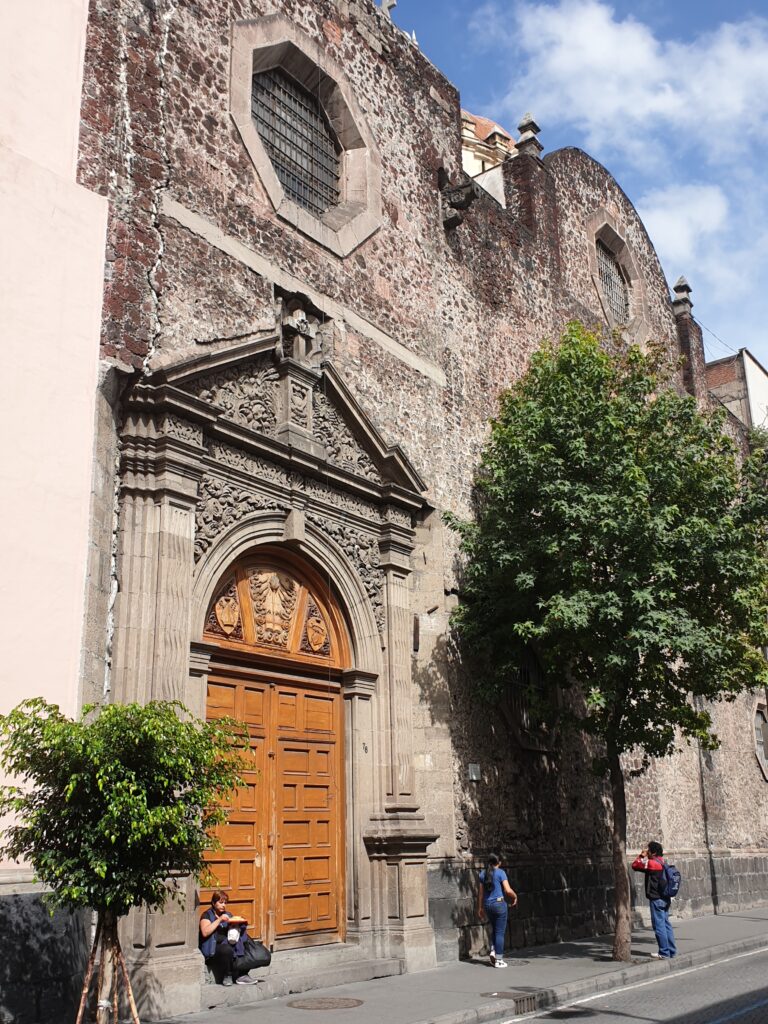
Roma Norte — Walkable and Balanced
Roma Norte offers a different pace.
Tree-lined streets, smaller cafés, and a steady flow of daily life make it one of the most walkable areas of the city. It feels structured without being rigid, active without being overwhelming.
This is where many visitors naturally find their rhythm.
It is also where the scale of Mexico City becomes more manageable. Streets connect easily, and movement feels intuitive.
Roma Norte is not quiet — but it is balanced.

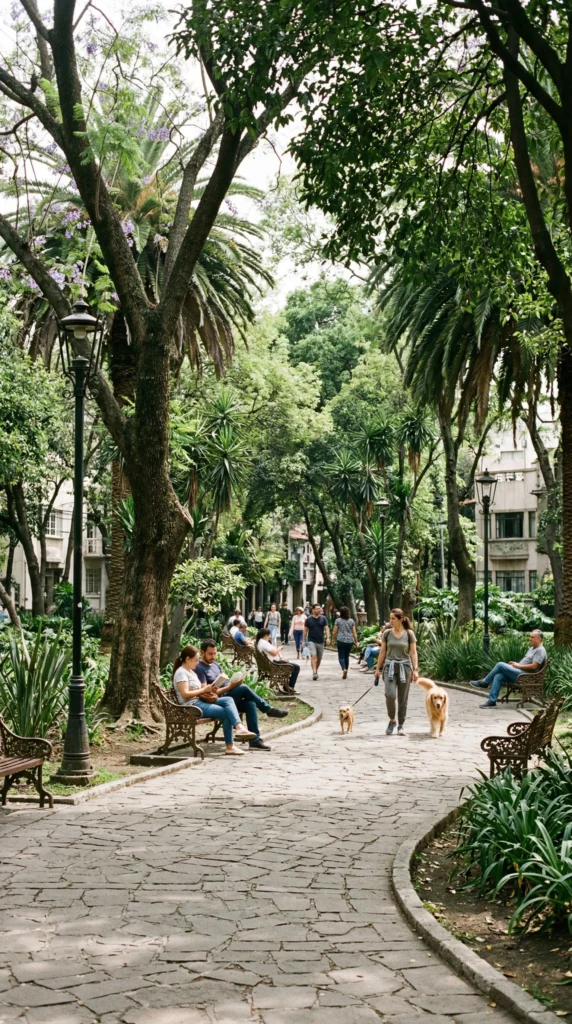
Condesa — Green Space and Slower Movement
Next to Roma Norte, Condesa shifts the tone slightly further.
The presence of parks, particularly Parque México, creates space within the city. Streets curve more gently, and the pace feels slower.
It is still connected, still active, but softened.
Condesa works well when you want access to the city while maintaining a sense of calm. It is a place where walking is less about navigating and more about lingering.
Coyoacán — A Different Rhythm Entirely
Coyoacán sits further from the centre, both geographically and atmospherically.
It feels more contained, more local, almost village-like in comparison to the rest of the city. Public squares, quieter streets, and a slower pace define the experience.
Getting here takes more intention.
But that distance is part of its value.
Coyoacán offers contrast. It shows another side of Mexico City — one that is less about scale and more about stillness.
Scale Changes Everything
Mexico City is large in a way that is difficult to fully appreciate before arriving.
Distances between neighbourhoods are significant, and moving between them takes time. What appears close on a map can feel far in practice.
On my visit, I felt this more than expected.
There were moments of fatigue and light-headedness, likely influenced by the altitude. It changed how I approached the city. Instead of trying to cover as much as possible, I began to move more deliberately.
I chose not to climb the Pyramid of the Sun, even though I had already visited the Pyramid of the Moon. Standing at the base and looking up was enough.
That shift — from doing everything to choosing what mattered — made the experience more manageable, and more meaningful.
Moving Between Neighbourhoods
Getting around Mexico City requires a mix of approaches.
Walking works well within neighbourhoods like Roma Norte and Condesa. But moving between districts often requires the Metro, a car, or a combination of both.
The key is not to move constantly.
Instead, structure your time around one or two areas per day. Let each neighbourhood be experienced on its own terms rather than rushing between them.
This approach reduces fatigue and allows the city to feel more coherent.
Choosing Where to Base Yourself
Where you stay in Mexico City shapes your entire experience.
Rather than focusing on centrality alone, it helps to consider how you want your days to feel.
- If you want structure and walkability, Roma Norte works well
- If you prefer more space and greenery, Condesa offers that balance
- If you are looking for a slower, more local rhythm, Coyoacán provides it
There is no single “best” area.
There is only the area that matches your pace.
Mexico City Is Experienced in Sections
You do not experience Mexico City all at once.
You experience it in parts.
Each neighbourhood reveals a different version of the city — and understanding comes from moving between them gradually, not trying to combine them into a single, continuous experience.
The scale can feel overwhelming at first.
But once you begin to see the city as a collection of distinct areas, it becomes easier to navigate — and more rewarding to explore.
TLDR
- Mexico City is best understood neighbourhood by neighbourhood
- Centro Histórico provides context but can feel intense
- Roma Norte offers balance and walkability
- Condesa introduces green space and a slower pace
- Coyoacán provides a quieter, more local experience
- Focus on one or two areas per day rather than trying to cover everything
FAQ
What is the best neighbourhood to stay in Mexico City?
Roma Norte and Condesa are often the most balanced options, offering walkability, accessibility, and a manageable pace.
Is Centro Histórico a good place to stay?
It is rich in history but can feel crowded and intense. Many travellers prefer to stay elsewhere and visit during the day.
How far apart are neighbourhoods in Mexico City?
Distances can be significant. Moving between neighbourhoods often requires transport rather than walking.
Is Mexico City walkable?
Some neighbourhoods are highly walkable, particularly Roma Norte and Condesa. The city as a whole is too large to explore entirely on foot.
How should I structure my days in Mexico City?
Focus on one or two neighbourhoods per day. This helps manage energy levels and allows for a more meaningful experience.