Audio Tour vs Guided Tour: 7 Things That Actually Matter Before You Choose
Choosing between an audio tour and a guided tour sounds simple at first.
One is independent. One involves a group. One gives you flexibility. The other provides structure.
But once you actually start travelling, the decision becomes more nuanced than that.
The type of tour you choose changes:
- how you move
- what you notice
- how much context you absorb
- and even how connected you feel to a place
Neither option is automatically better.
The difference usually comes down to the kind of experience you want.
1. Pace Changes Everything
One of the biggest differences between audio tours and guided tours is pace.
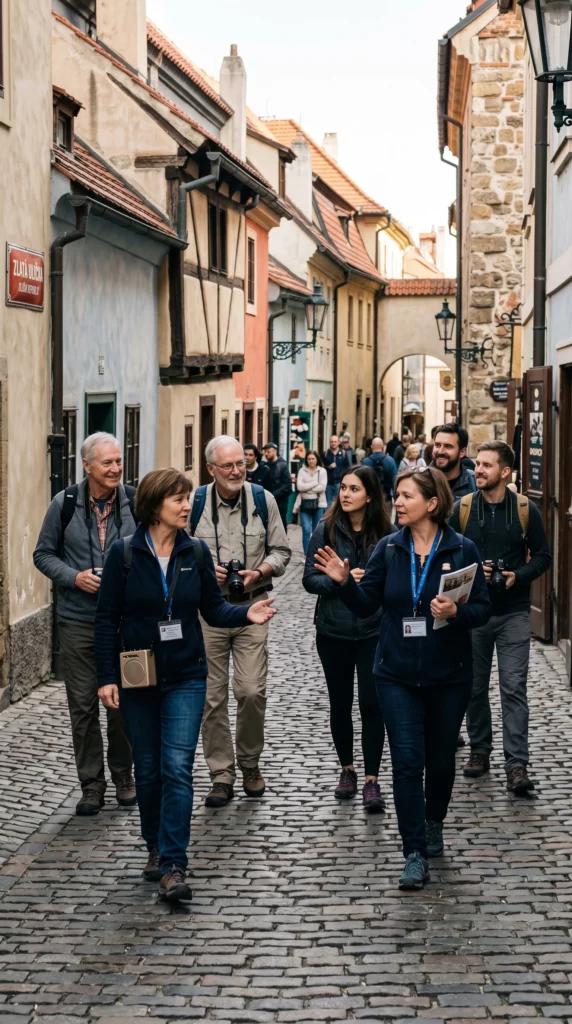
Guided tours move collectively. You follow a set route, stop where the guide stops, and move when the group moves.
This creates momentum, which can be useful in large or complex sites.
Audio tours work differently.
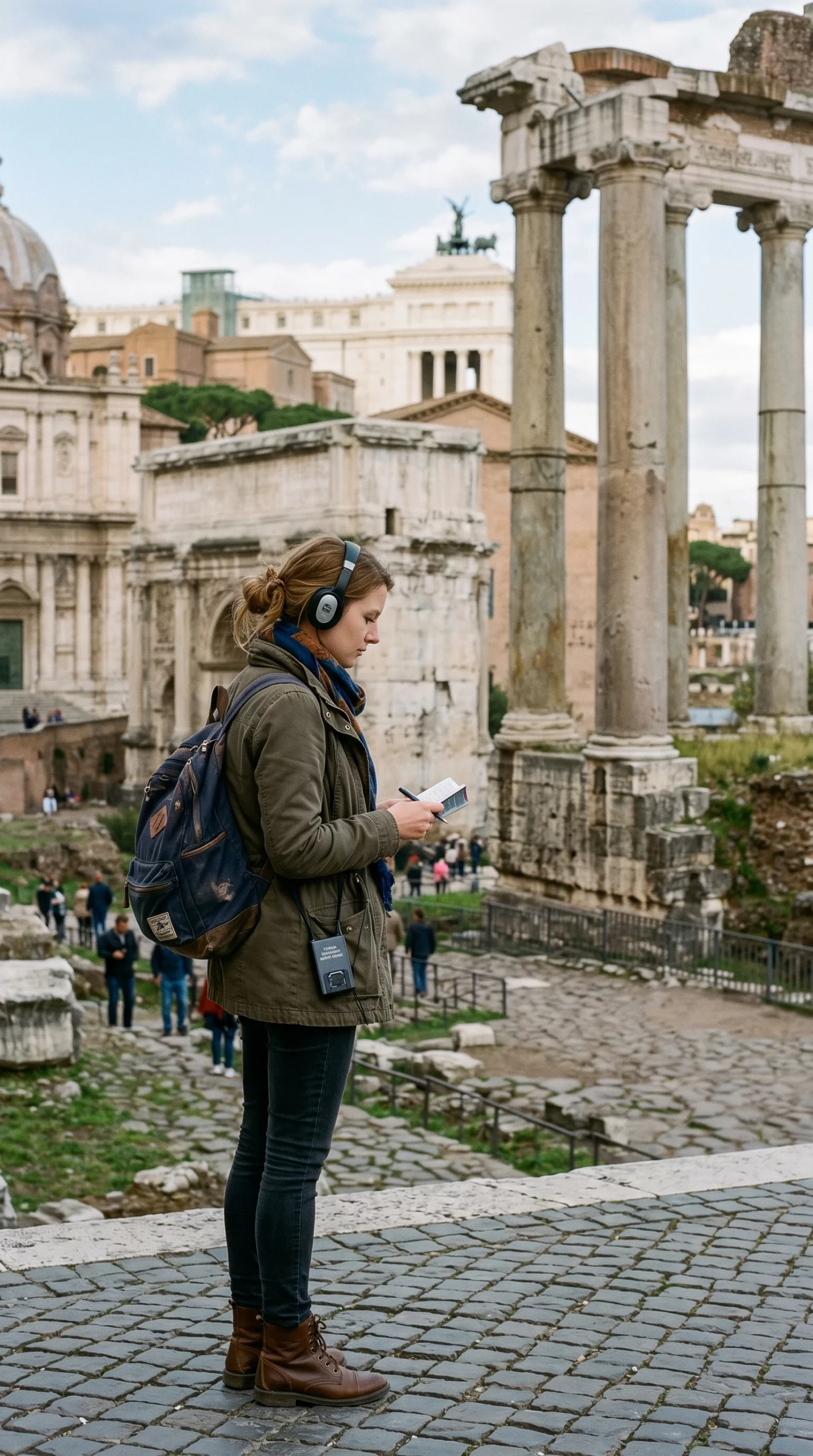
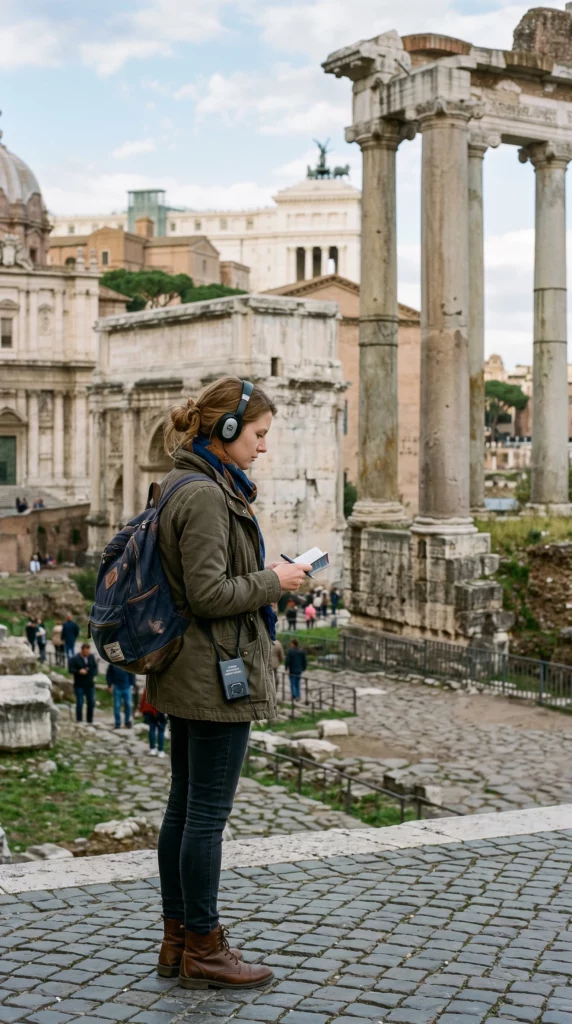
You control the rhythm entirely. You can pause longer in one area, skip sections that don’t interest you, or stop simply because something caught your attention.
For travellers who prefer slower observation, this often feels more natural.
2. Guided Tours Usually Provide Better Context
A good guide can connect information in ways that are difficult to replicate independently.
Historical timelines, cultural context, religious significance, and political nuance often become easier to understand when explained in real time.
This can be especially valuable in places layered with history, such as the Hagia Sophia or the ruins of Pompeii.
Audio tours provide information too, but they are usually less adaptive. They can explain a place, but they can’t respond to questions or shift based on group interest.
Another advantage of guided tours is the ability to ask questions in real time. Small details, unexpected observations, or points of confusion can be clarified immediately in a way audio tours simply can’t replicate.

3. Group Energy Can Improve — or Change — the Experience
Travelling with a group changes how places feel.
Sometimes this improves the experience. Shared reactions, unexpected conversations, and a strong guide can create energy that would not exist independently.
Other times, group movement can feel limiting.
The group dynamic itself also matters more than many travellers expect. One person monopolising the guide’s attention or constantly interrupting can change the rhythm of the experience for everyone else.
You may want to stay longer somewhere, move more slowly, or simply experience the space quietly.
This is one of the biggest differences between the two approaches:
guided tours create shared experience, while audio tours create personal space.

4. Audio Tours Often Feel More Immersive
Audio tours can create a stronger sense of discovery.
Without needing to follow a group, you pay more attention to the environment itself. You notice smaller details, observe people more naturally, and move more instinctively through a place.
For some travellers, this creates a deeper sense of immersion.
It feels less like being shown a place and more like gradually understanding it yourself.

5. Some Destinations Work Better With Guides
Not every place suits the same style of exploration.
Large archaeological sites, historically complex locations, or destinations with layered political or religious significance often benefit from guided explanation.
Other places work better with slower, independent movement.
Neighbourhoods, markets, public spaces, and quieter historical areas often reveal themselves more naturally without rigid structure.
The destination itself matters.
I noticed this particularly at Pompeii, where our guide had been running tours for decades. The depth of knowledge, small details, and ability to connect the site together in real time made the experience significantly richer than it would have been independently.
6. Audio Tours Require More Personal Effort
Audio tours provide freedom, but they also require more decision-making.
You are responsible for:
- navigation
- pacing
- attention
- and interpretation
For confident travellers, this can feel rewarding.
For newer travellers, it can sometimes feel mentally tiring — especially in busy or unfamiliar destinations.
Guided tours reduce that cognitive load significantly.
7. Most Trips Benefit From Both
The best option is often not choosing one over the other.
Many trips work best with a combination of both approaches.
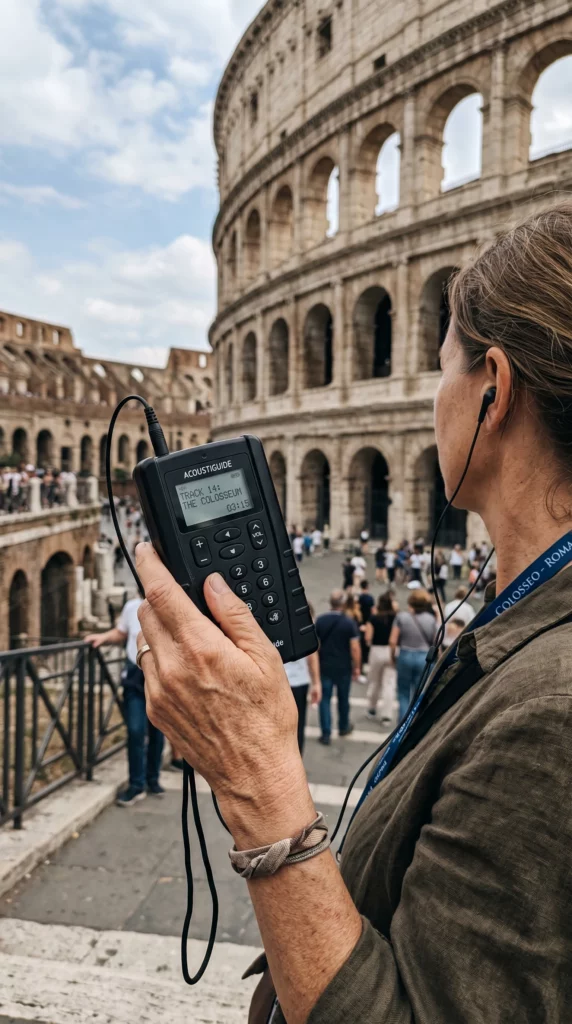
A guided tour early in a trip can provide historical and cultural context. Independent exploration afterward allows space to absorb and personalise the experience.
The balance matters more than the category.
Cultural Travel Is About Attention, Not Format
It’s easy to frame guided tours and audio tours as competing approaches.
In reality, both can create meaningful travel experiences.
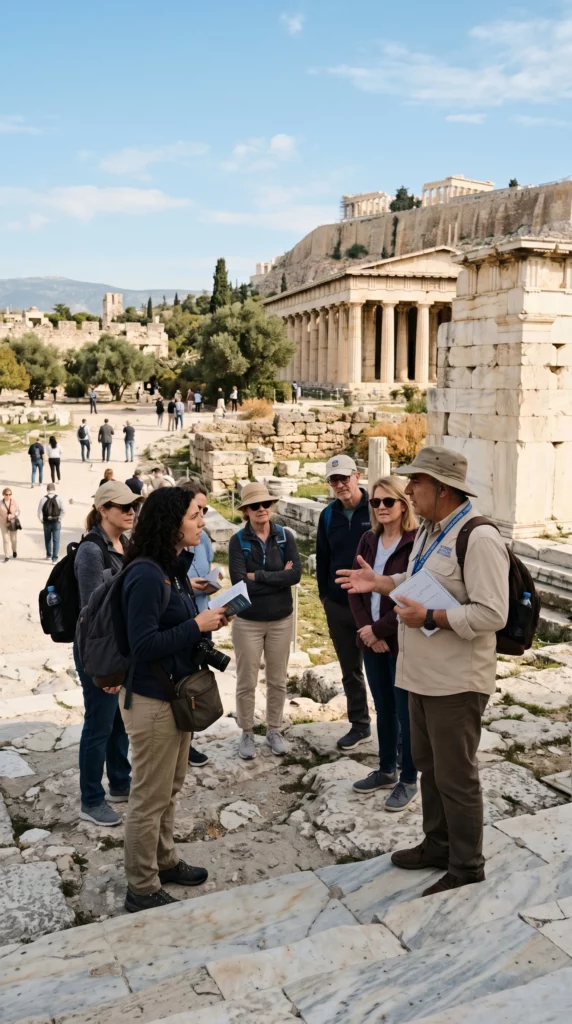
A guided tour can feel deeply immersive with the right guide. An audio tour can completely change how you observe a place when approached slowly.
The format matters less than your willingness to engage with what is around you.
TLDR
- Guided tours provide structure, explanation, and shared experience
- Audio tours offer flexibility and slower movement
- Pace changes how you experience a destination
- Some places naturally suit guided interpretation
- Audio tours require more personal navigation and focus
- Most trips benefit from a combination of both approaches
FAQ
Are audio tours better than guided tours?
Neither is automatically better. Audio tours offer flexibility, while guided tours provide live explanation and structure.
Are guided tours worth it for cultural travel?
Yes, especially in destinations with complex history or cultural context.
Do audio tours feel more immersive?
For many travellers, yes. Independent pacing often creates a stronger sense of discovery and observation.
Which is better for solo travellers?
Audio tours suit travellers who enjoy independence, while guided tours can provide social interaction and reassurance.
Should I combine guided and independent travel?
Usually, yes. Many travellers benefit from using guided experiences for context and independent exploration for flexibility.