
Moving Through Rome Well: A Practical Guide to Pace and Place
Rome feels walkable.
And in many ways, it is. Major landmarks appear within reasonable distance of one another, narrow streets invite wandering, and turning a corner often reveals another layer of history.
But Rome is also expansive, uneven, and physically demanding. Distances look short on a map. In reality, cobblestones, heat, crowds, and gentle inclines accumulate quickly.
Understanding how to get around Rome is less about transport efficiency and more about pacing the city properly.
Understand the Geography First
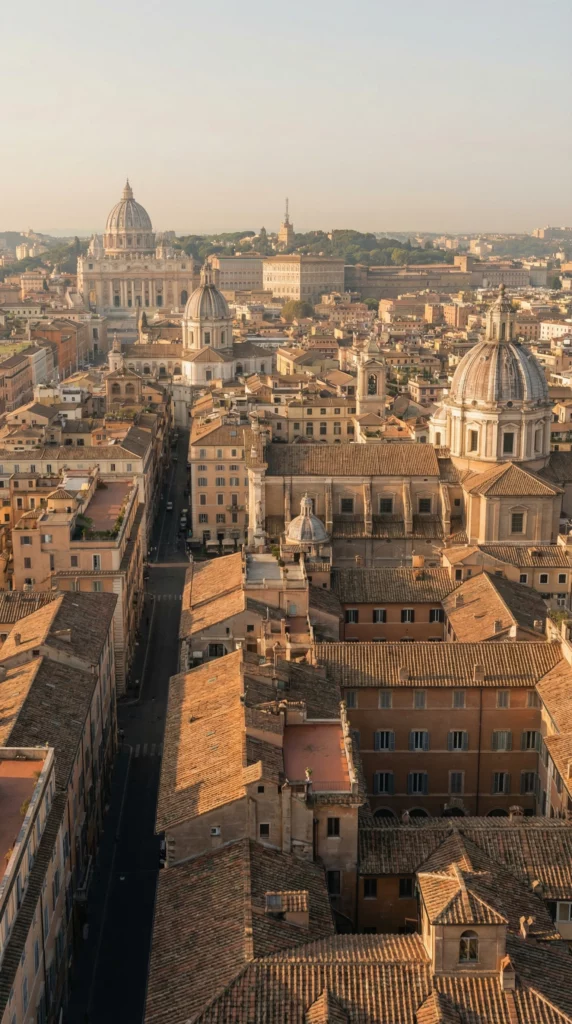
Before planning routes, understand the layout.
Rome is not organised around a single centre. Instead, it is layered across districts shaped by different eras.
Broadly speaking, visitors tend to move between:
- The Ancient Rome area (including the Colosseum and Roman Forum)
- The historic centre around the Pantheon and Piazza Navona
- The Vatican side, including Vatican City
- Trastevere, across the river
These areas are walkable between one another — but not effortlessly so. Attempting to cover multiple clusters in a single day often leads to fatigue rather than absorption.
Think in zones. Move within one zone at a time.
Walk More Than You Expect
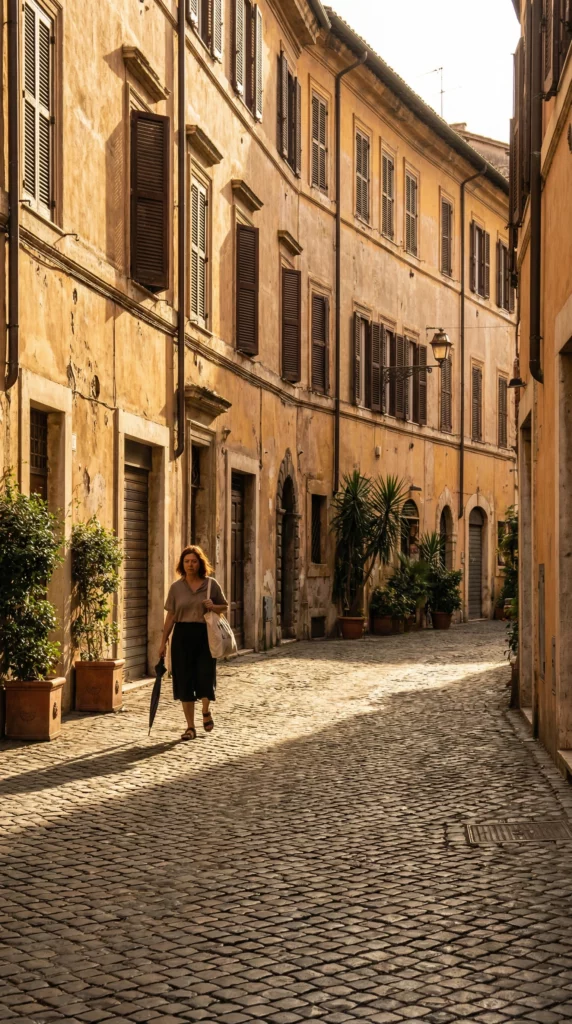
Most visitors walk far more in Rome than anticipated.
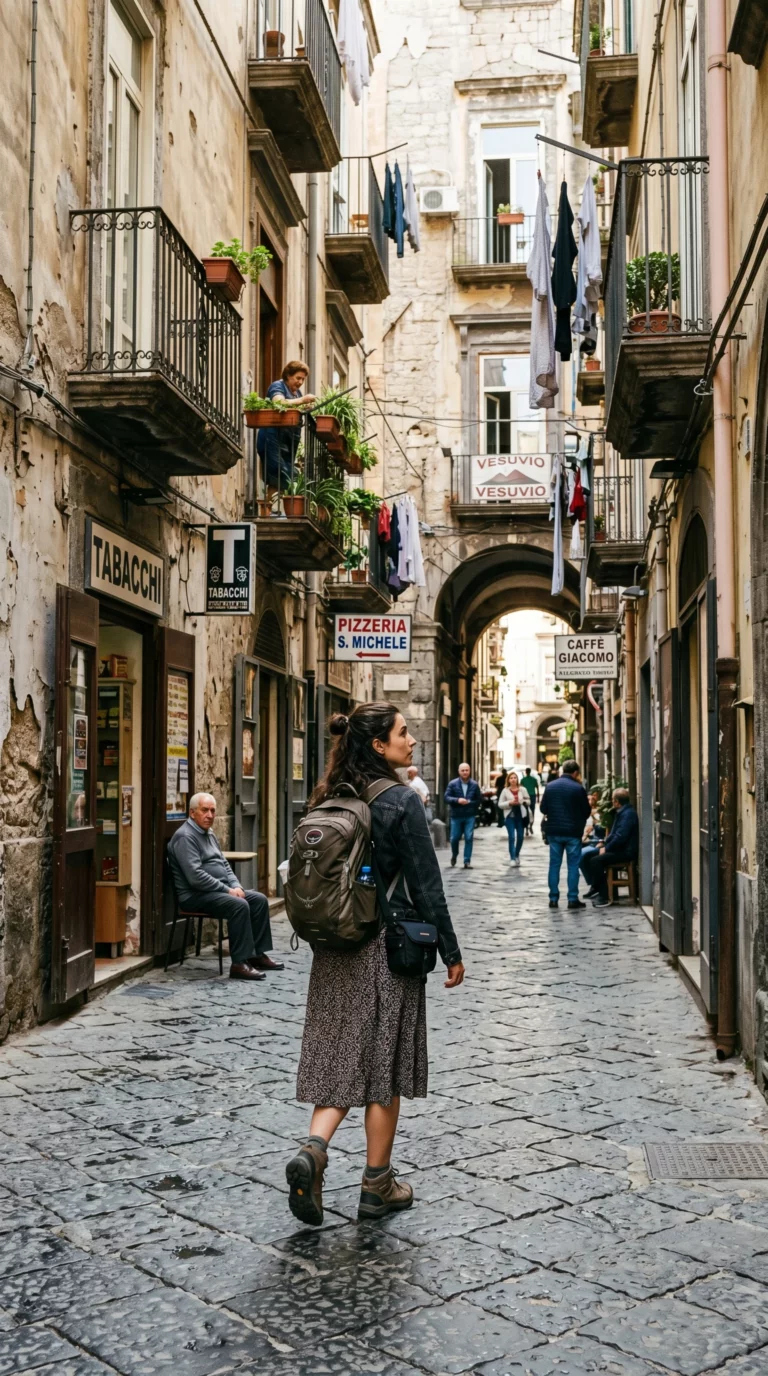
The city rewards walking because details are everywhere: fountains, church façades, fragments of columns embedded in walls, courtyards glimpsed through open doors.
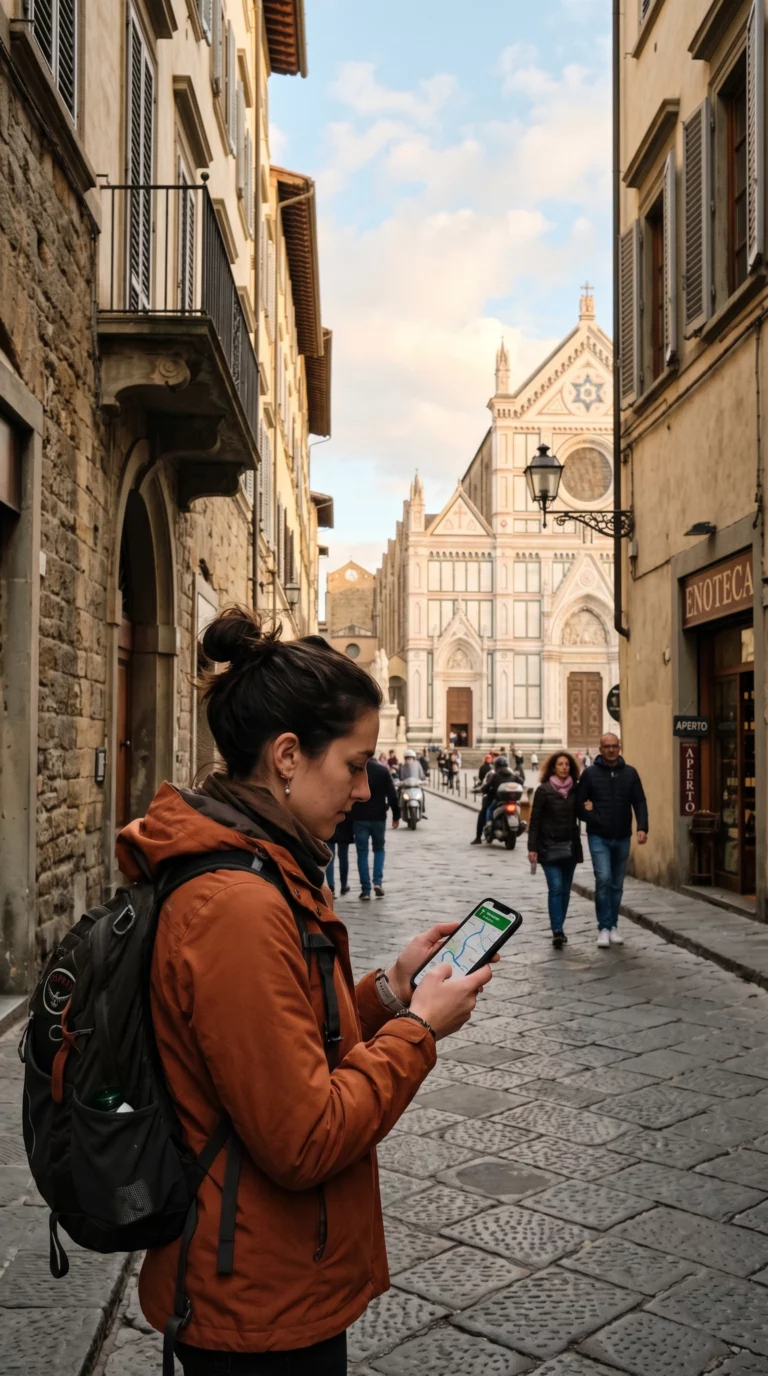
But walking in Rome is not the same as walking in a modern grid city.
- Pavements are uneven.
- Streets are narrow.
- Summer heat can be intense.
- Shade is not always consistent.
On my own visit, staying near Circo Massimo meant that nearly everything unfolded on foot. Metro journeys were minimal — perhaps ten percent of movement overall — and mostly used to connect to areas further out.
Walking allowed the city to reveal itself gradually. But it also required realistic pacing.
Use Public Transport Strategically

Rome’s Metro system is limited but useful.
There are only a few main lines, and they intersect at key points. The Metro is most helpful for reaching the Vatican area quickly or returning across longer distances when energy drops.
Buses fill the gaps, though they can be crowded and slower due to traffic.
Rather than relying heavily on transport, it works best as a tool for:
- Crossing longer stretches when tired
- Avoiding midday heat
- Connecting districts that are not comfortably walkable
Plan transport as support — not the backbone of your day.
Time Major Sites Carefully
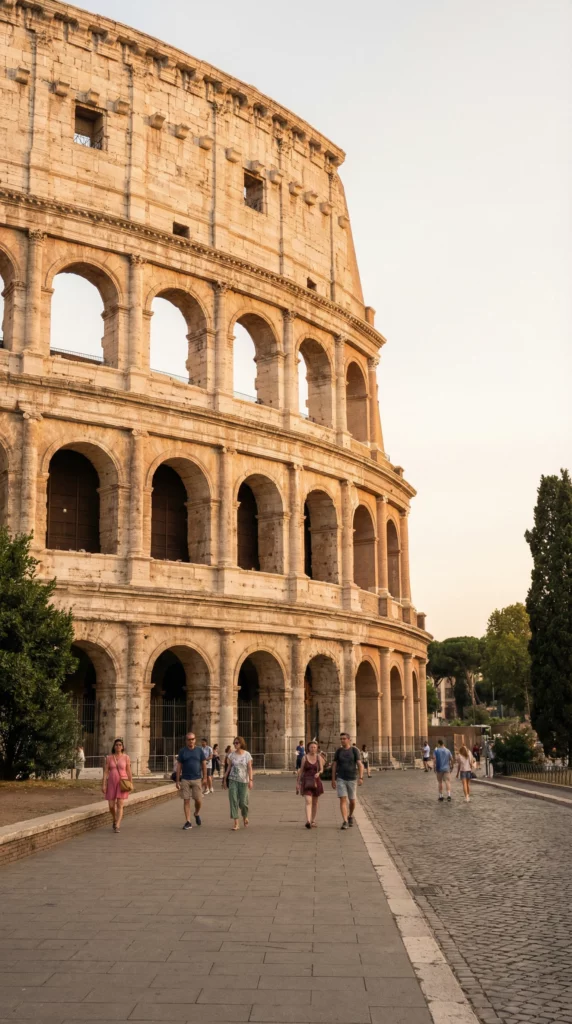
Stacking major landmarks into one day is tempting.
Colosseum in the morning. Vatican in the afternoon. Pantheon before dinner.
Technically possible. Rarely enjoyable.
Large sites in Rome require time and attention. They are dense with history and often emotionally or physically intense.
Choose one anchor. Allow space around it. Walk the surrounding streets. Sit. Observe.
The city accumulates meaning slowly.
Pay Attention in Faith Spaces
Churches in Rome are not museums. They are active places of worship.
Even small neighbourhood churches may contain significant art and architecture.
Basic etiquette matters:
- Dress modestly in major basilicas.
- Speak quietly.
- Be aware of services taking place.
- Avoid treating sacred spaces as photo opportunities alone.
Rome’s religious layer is woven into daily life. Moving through it respectfully changes how the city feels.
Choose Your Base Carefully
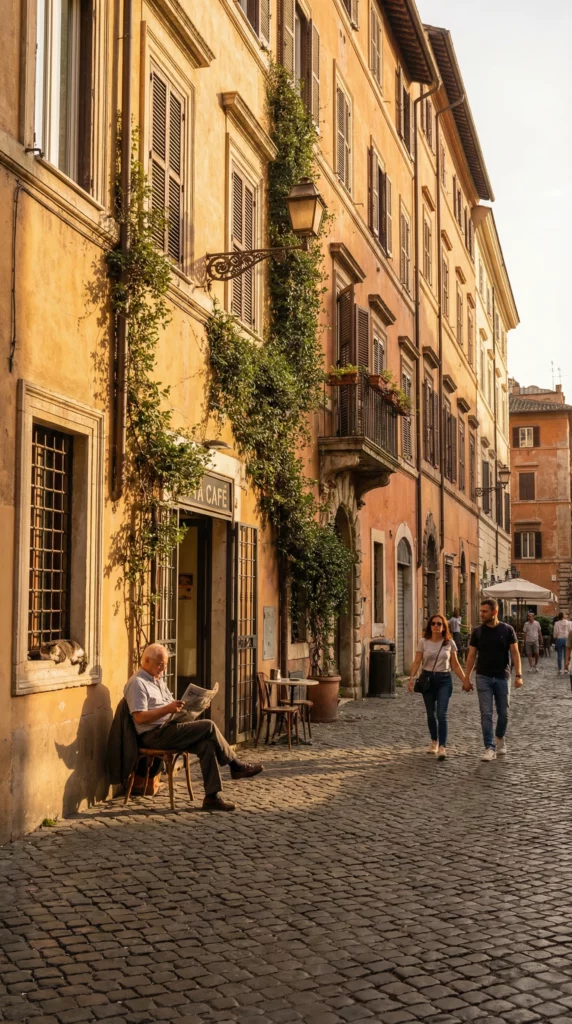
Where you stay in Rome influences how you move.
Areas around the historic centre allow easy walking between multiple districts. Staying near Circo Massimo, for example, places you within reach of the ancient sites while remaining slightly removed from the busiest tourist corridors.
Proximity reduces pressure. It allows midday pauses and flexible evenings.
In a city like Rome, centrality often supports slower, more intentional travel.
Rome Rewards Patience
Rome is not efficient.
It is cumulative.
You notice fragments first. Then patterns. Then connections between eras layered into the same street.
Understanding how to get around Rome is ultimately about accepting its rhythm.
Walk when you can. Use the Metro when it helps. Structure your days by zone. Leave room to notice.
The city will not be completed. But it can be experienced deeply.
TLDR
- Think in zones rather than crossing the entire city daily.
- Expect to walk more than planned.
- Use the Metro strategically, not constantly.
- Avoid stacking major landmarks into one day.
- Stay centrally to reduce daily transport time.
Rome reveals itself slowly.
FAQ
Is Rome easy to walk around?
Rome is walkable but can be physically demanding. Uneven streets, heat, and crowd density require realistic pacing.
What is the best way to get around Rome?
Walking is often the most rewarding way to experience the city. The Metro is useful for longer distances or when energy is low.
How many major landmarks should I visit in one day?
One major site per day is usually sufficient. Adding smaller supporting experiences works better than stacking multiple large attractions.
Is public transport in Rome reliable?
The Metro is straightforward but limited in coverage. Buses are extensive but can be affected by traffic.
Where should I stay in Rome for easy movement?
Central areas near the historic centre or close to ancient sites often allow the most flexibility and reduced travel time.