Rome Food Culture: History, Class, and Everyday Ritual
Empire, Simplicity, and the Discipline of the Table
Introduction: Simplicity That Isn’t Simple
In Rome, food rarely announces itself loudly.
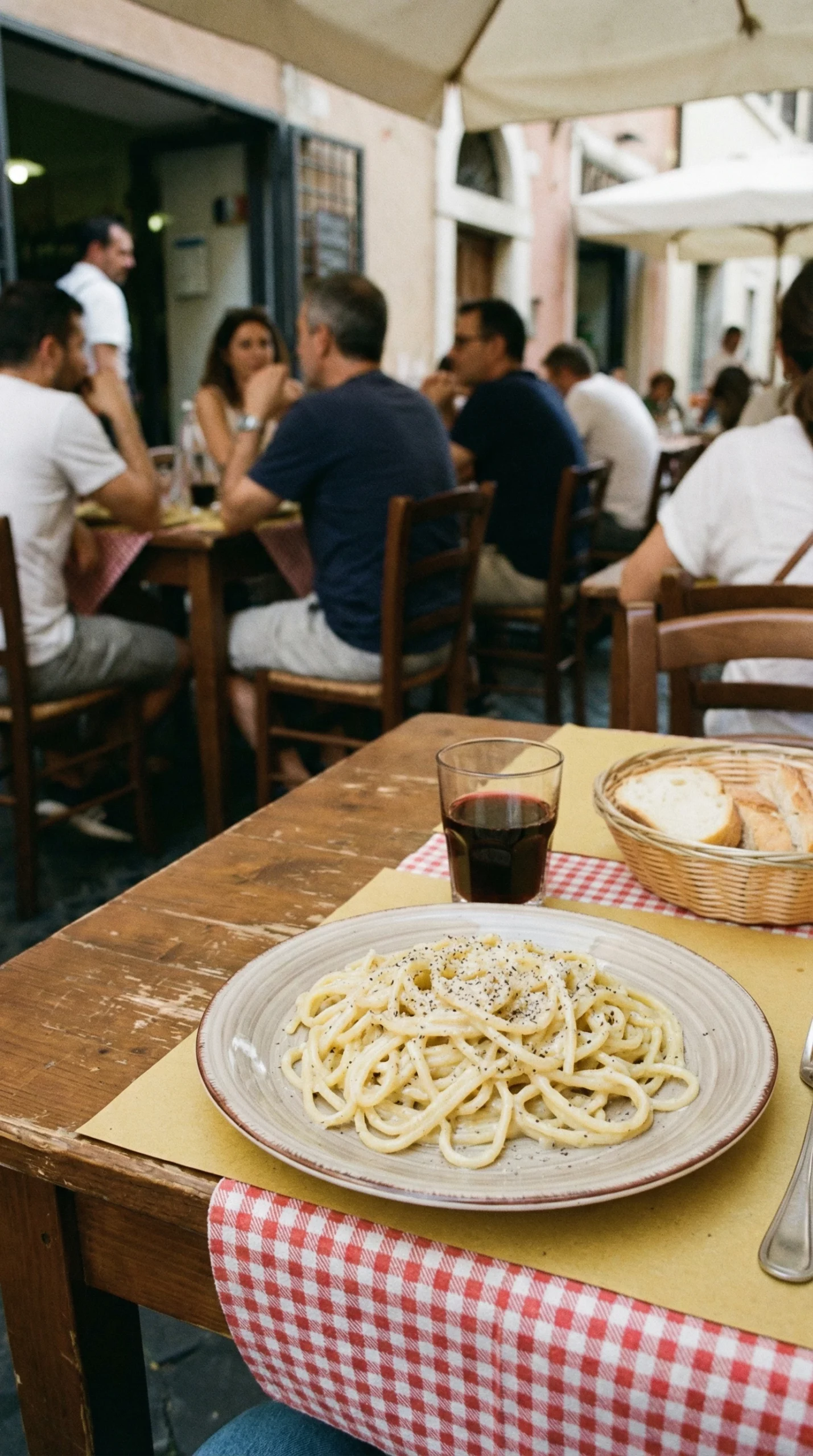
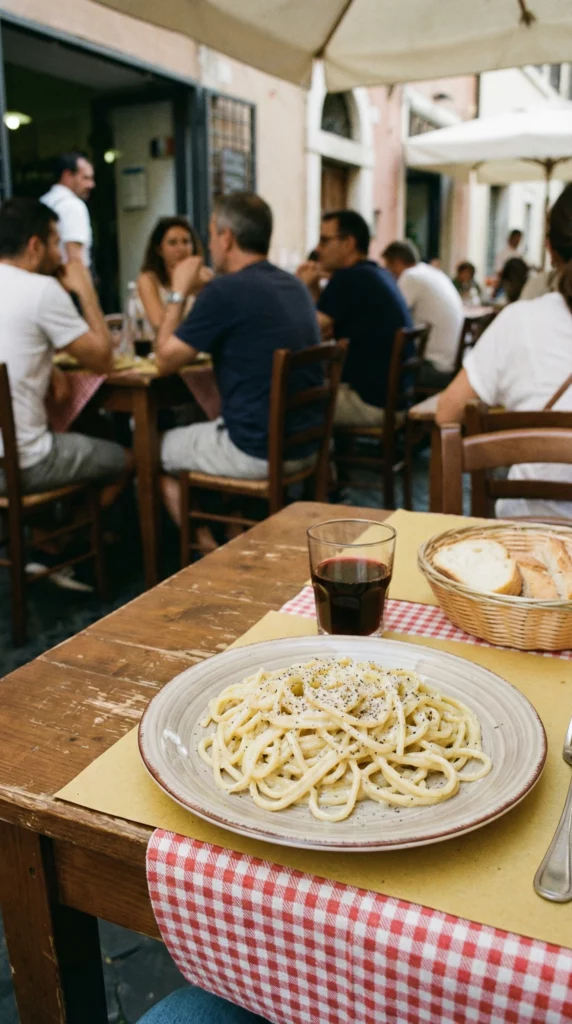
There is no performance in cacio e pepe. No decoration in carbonara. No excess in a plate of pasta served in a modest trattoria.
Yet Roman food culture is anything but simple.
It is shaped by empire, by poverty, by Catholic ritual, by class distinction, and by a long-standing respect for ingredients that borders on discipline.
The first time I ate in Rome, I was surprised not by complexity — but by restraint.
And restraint, here, tells a story.
1. Geography: Grain, Pasture, and Proximity
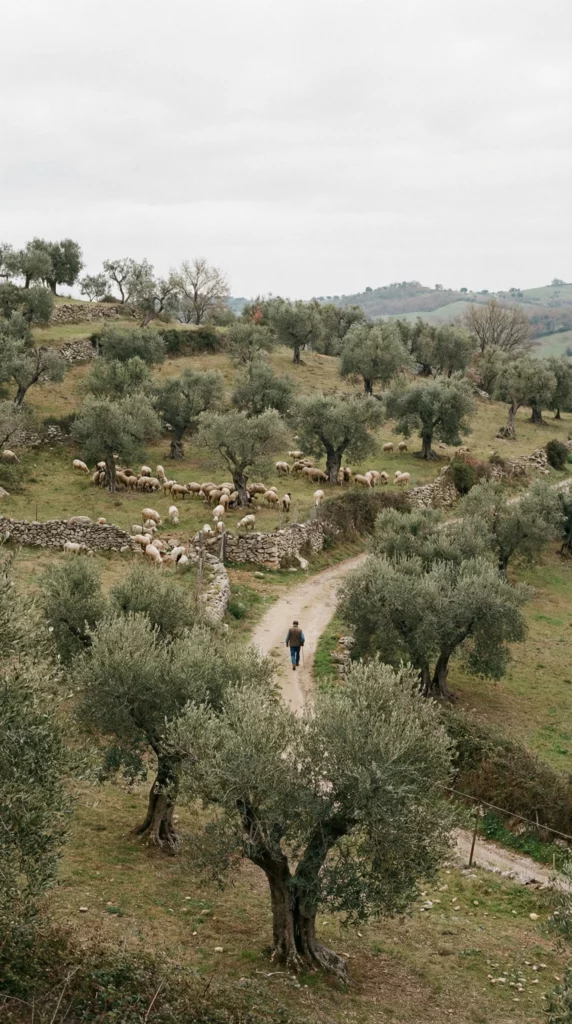
Rome’s cuisine begins with grain and grazing.
The surrounding Lazio region provides sheep’s milk (pecorino), guanciale from pork, artichokes, legumes, and wheat for pasta and bread.
Unlike coastal southern Italy, Roman cuisine is less about abundance of seafood and more about pastoral economy.
Pasta traditions are structured around what was affordable and accessible:
- Dried pasta
- Cured pork
- Hard cheeses
- Pepper
Even olive oil usage reflects central Italian character — assertive, not decorative.
Geography shaped restraint.
2. Empire and Expansion
Ancient Rome was a centre of trade. Ingredients flowed in from across the Mediterranean.
Yet modern Roman cuisine does not look imperial.
Instead, it reflects something more specific: continuity and adaptation.
Tomatoes — now foundational to Italian cooking — arrived through post-Columbian trade. Pasta techniques evolved across regions. Jewish Roman communities contributed deeply to the city’s culinary identity.
Rome’s food culture is not frozen in antiquity.
It is layered through centuries of exchange — but filtered through local identity.
(Internal link later to colonial cuisine article.)
3. Faith and Catholic Rhythm
Catholic tradition shaped Roman eating patterns.
Meatless Fridays. Lenten restraint. Feast-day abundance.
Artichokes prepared “alla giudia” reflect Jewish-Roman heritage. Fish appears during specific liturgical seasons. Sweets cluster around holidays.
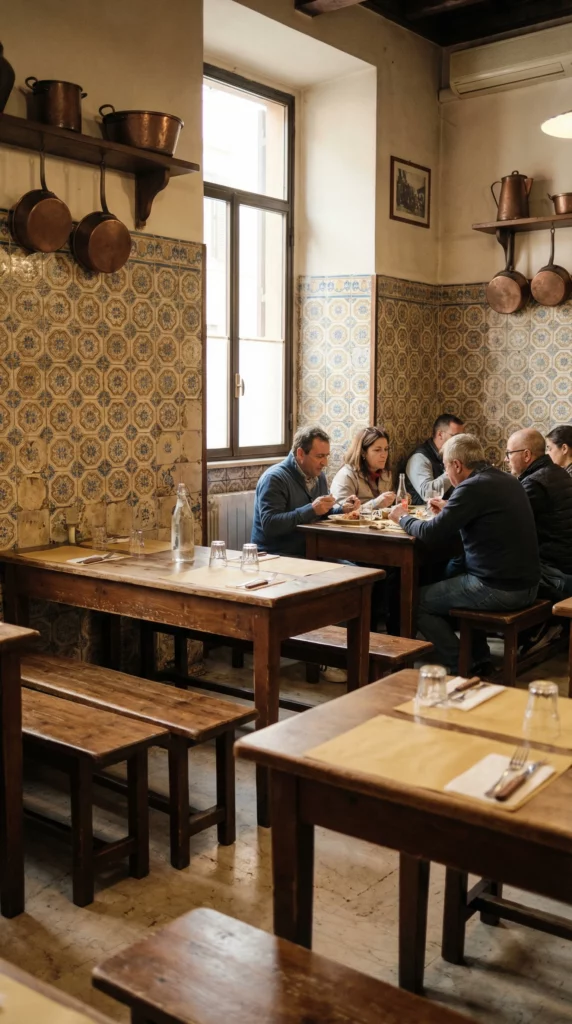
Even today, dining rhythms often mirror inherited religious cadence — long lunches, structured meals, communal Sunday tables.
Food and faith are rarely separated in Rome. They coexist quietly.
4. Class and Cucina Povera
Roman cuisine is deeply tied to class.
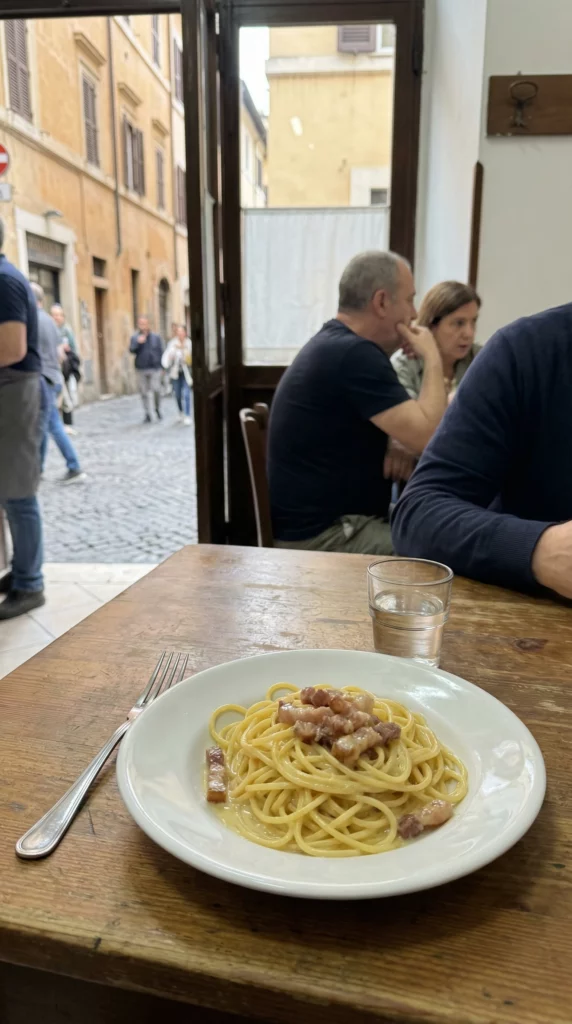
Many iconic dishes — carbonara, amatriciana, gricia — originate in cucina povera, the cooking of shepherds and working-class communities.
Guanciale, pecorino, black pepper — inexpensive but flavourful.
There is pride in simplicity.
The table does not aspire upward; it roots downward.
Trattorias in neighbourhoods like Trastevere reflect this — functional, not theatrical.
Food in Rome is less about innovation and more about continuity.
5. Everyday Ritual
In Rome, meals are structured.
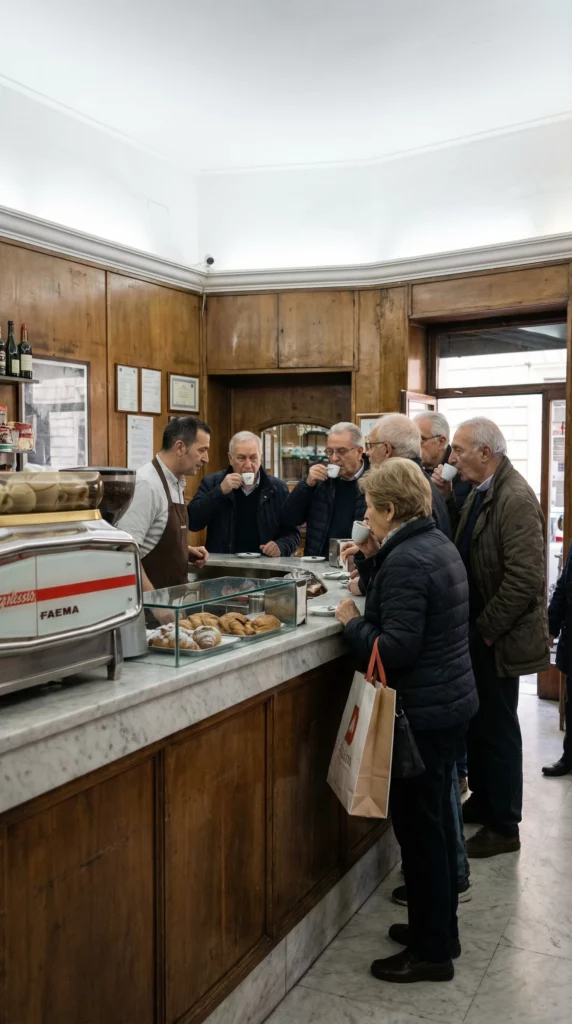
Coffee is quick and standing. Lunch is substantial. Dinner unfolds slowly.
Bread is not decorative; it is constant. Wine accompanies rather than dominates.
I learned quickly that Roman dining does not rush. Nor does it explain itself.
There is confidence in repetition.
Rome food culture is less about spectacle and more about inheritance.
Reflection: Discipline as Identity
Rome does not reinvent its cuisine to impress visitors.
It preserves.
Empire expanded outward, but Roman food culture folds inward — disciplined, structured, grounded.
Understanding Rome through food reveals a city comfortable in its continuity.
And that continuity may be its most enduring power.
TLDR
Rome food culture reflects:
- Geography — Grain, pasture, and regional agriculture
- Empire — Layered history and exchange
- Faith — Catholic rhythms and Jewish-Roman heritage
- Class — Cucina povera foundations
- Ritual — Structured daily meals
Roman cuisine is disciplined, restrained, and rooted in continuity.
FAQ
What defines Rome food culture?
Rome food culture is shaped by pastoral agriculture, Catholic tradition, Jewish-Roman influence, and working-class cucina povera.
Is Roman cuisine different from other Italian regions?
Yes. Roman cuisine emphasises simplicity, cured meats, pecorino cheese, and structured pasta traditions.
How did empire influence Roman food?
Ancient trade networks introduced ingredients, but modern Roman cuisine evolved through layered adaptation rather than direct imperial continuity.
What is cucina povera?
Cucina povera refers to “poor kitchen” cooking — simple, ingredient-driven dishes rooted in working-class tradition.
Does religion influence food in Rome?
Yes. Catholic traditions and Jewish-Roman heritage both shaped local dishes and seasonal rhythms.