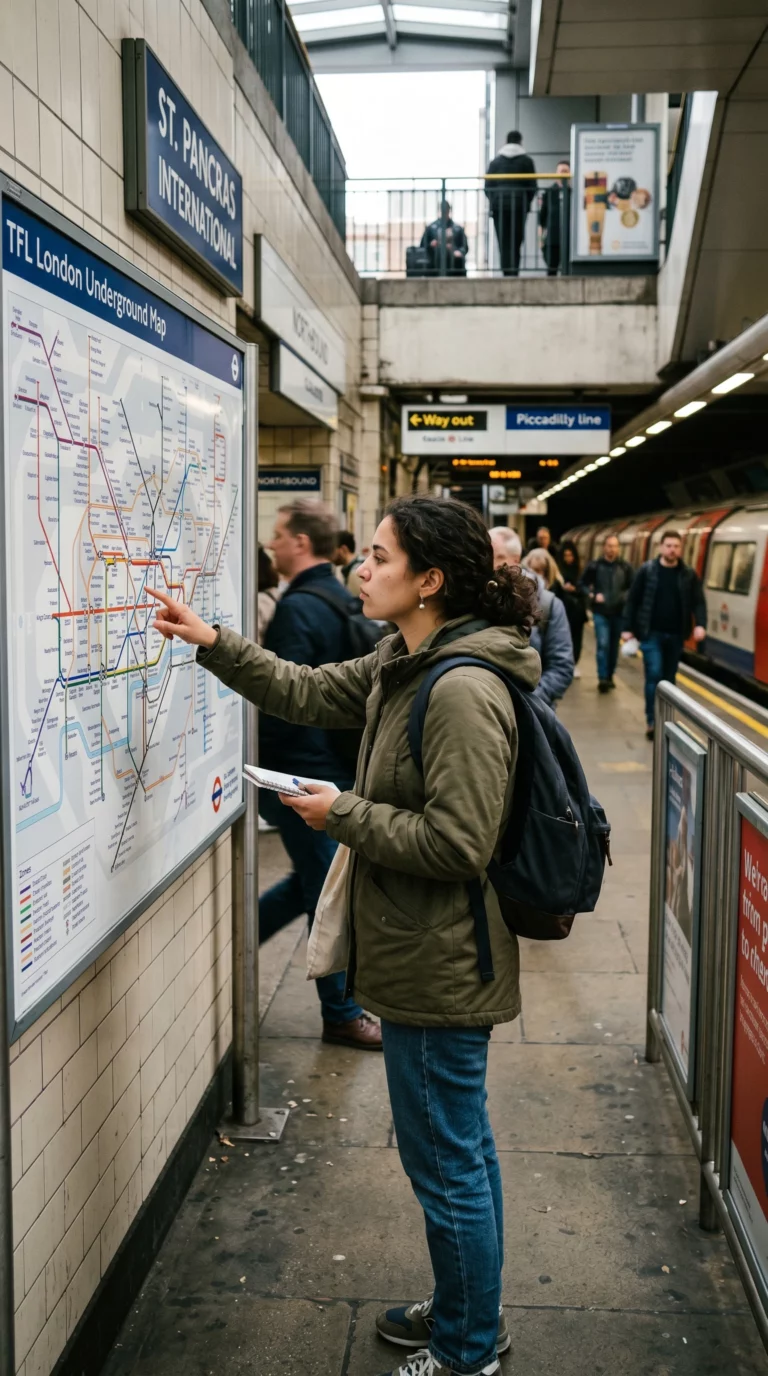
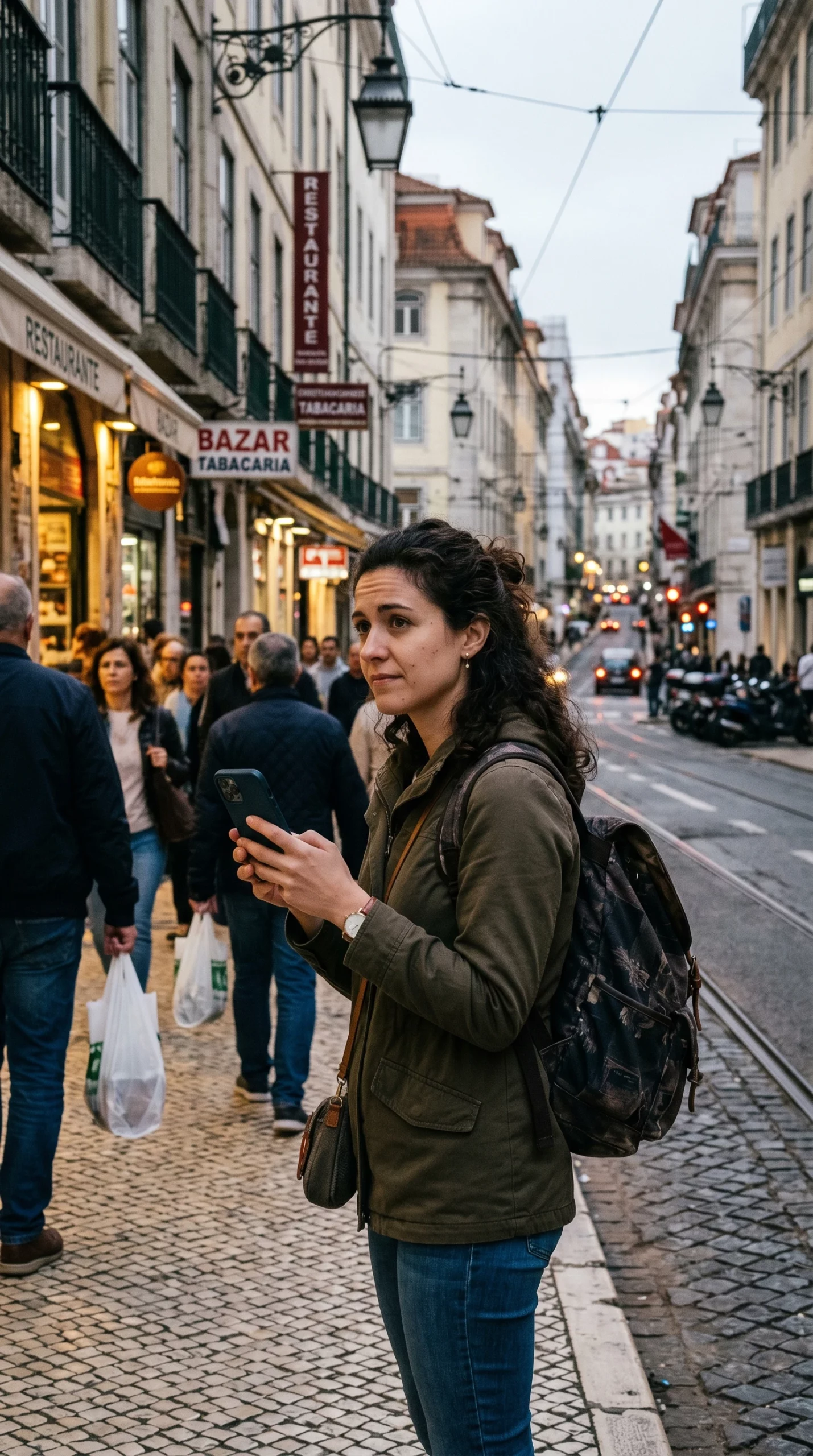
5 Things That Help Me Stay Calm When I Get Lost While Travelling
I have been lost while travelling more times than I can count.
Honestly, considering how heavily I now rely on tools like Google Maps, it sometimes amazes me that people once navigated entire countries using giant paper maps and map books without completely falling apart.
Getting lost still feels uncomfortable sometimes.
Especially:
- late at night
- in unfamiliar places
- when your phone battery is dropping
- or when plans start unravelling faster than expected
But over time, travel has taught me something important:
most situations become more manageable once you stop spiralling and start looking for options instead.
That doesn’t mean every situation is perfectly safe or risk free.
But staying calm usually makes it easier to think clearly enough to improve the situation.
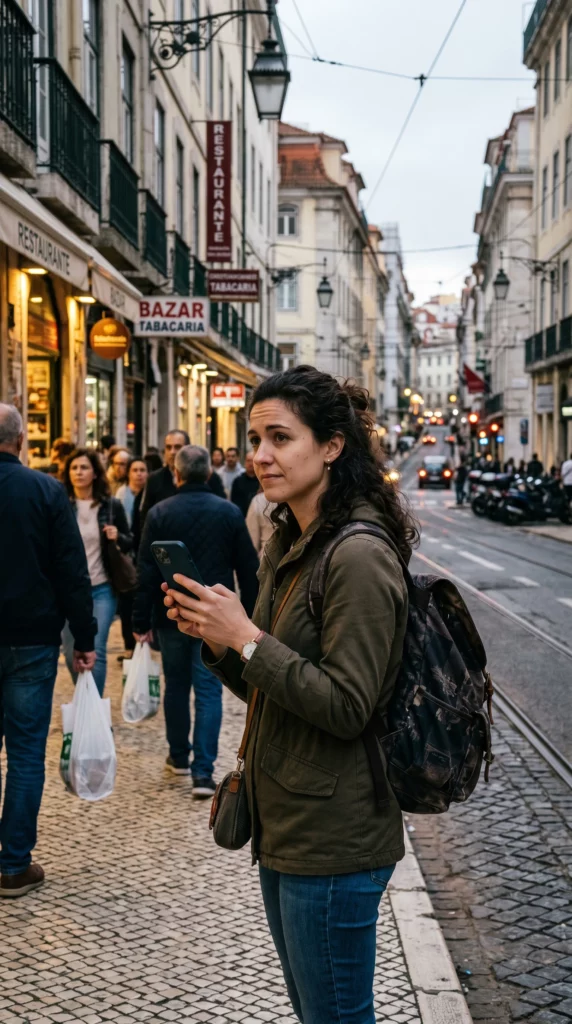
1. Stop And Assess What You Actually Know
One of the most useful things I’ve learned while travelling is that panic often makes situations feel worse than they really are.
I experienced this properly in Puebla.
After exploring underground tunnels, museums connected to Cinco de Mayo, and stopping for coffee during a free afternoon, I accidentally became separated from the rest of my tour group.
At first, I wasn’t overly concerned.
I had walked there already, so I assumed getting back to the centre of the city would be fairly simple.
Unfortunately, after a few wrong turns, I found myself wandering through quieter back streets with very few people around and streets that occasionally ended unexpectedly.
That was the moment I consciously stopped myself from spiralling.
Instead of focusing on being lost, I started focusing on what I did know.
I knew:
- roughly where the city centre was
- where transport options had been earlier
- that I could contact my guide through WhatsApp if necessary
- and that heavy traffic probably meant larger roads leading back toward familiar areas
The moment I focused on options instead of panic, the situation immediately started feeling more manageable.
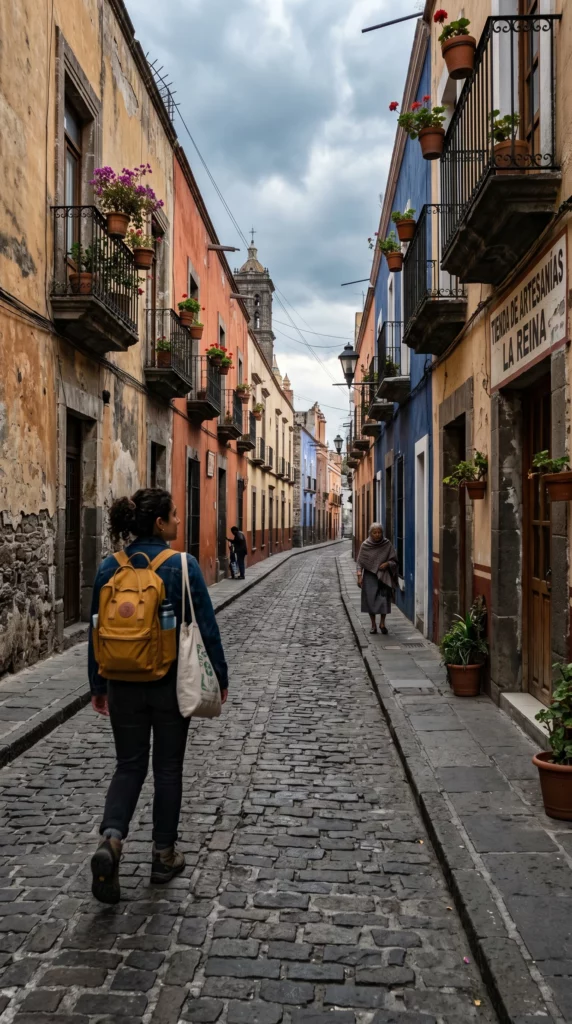
2. Look For Reference Points When You Get Lost
When people panic, they often start searching for exact answers immediately.
Sometimes that helps.
Other times, finding broader reference points works better.
In Puebla, I eventually focused on reaching the sound of heavier traffic because I knew larger roads would likely make navigation easier again.
That worked surprisingly well.
Once I reached busier streets, I slowly started recognising places I had already seen earlier in the day with our guide.
Everything became easier from there.
Sometimes you don’t need a perfect route immediately.
You just need to move toward something more familiar or easier to navigate.
3. Ask Locals — Even If The First Attempt Doesn’t Work
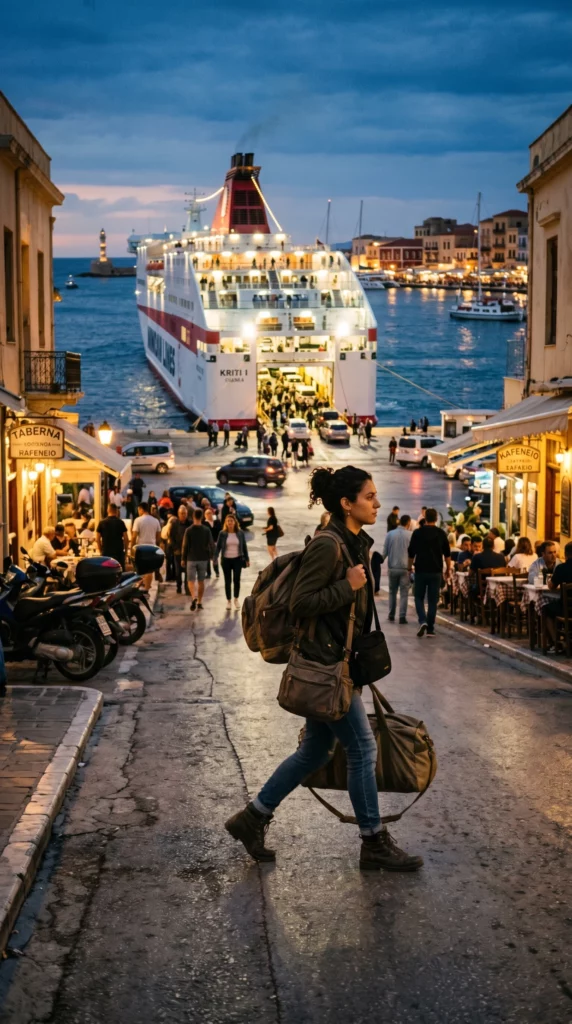
One of my earliest major “lost” moments happened in Crete.
I arrived late at night after disembarking from a ferry only to realise I had accidentally booked accommodation in an entirely different city.
After an expensive taxi ride down the coast, I still struggled to actually find the hostel itself.
It wasn’t particularly well signed, and exhausted late-night navigation is rarely anyone’s strongest skill.

I asked several locals for help before eventually finding someone who recognised the hostel name and realised I was becoming increasingly stressed.
Thankfully, they pointed me in the right direction, through a small tunnel, and there I was.
That experience taught me something important:
sometimes asking for help is less about finding the perfect answer immediately and more about slowly narrowing the problem down.
And eventually, after enough wrong turns and conversations, I finally arrived to find my hosts patiently waiting for me.
I also learned that “falling asleep instantly” is a very real travel experience.
4. Build Backup Systems Before You Need Them
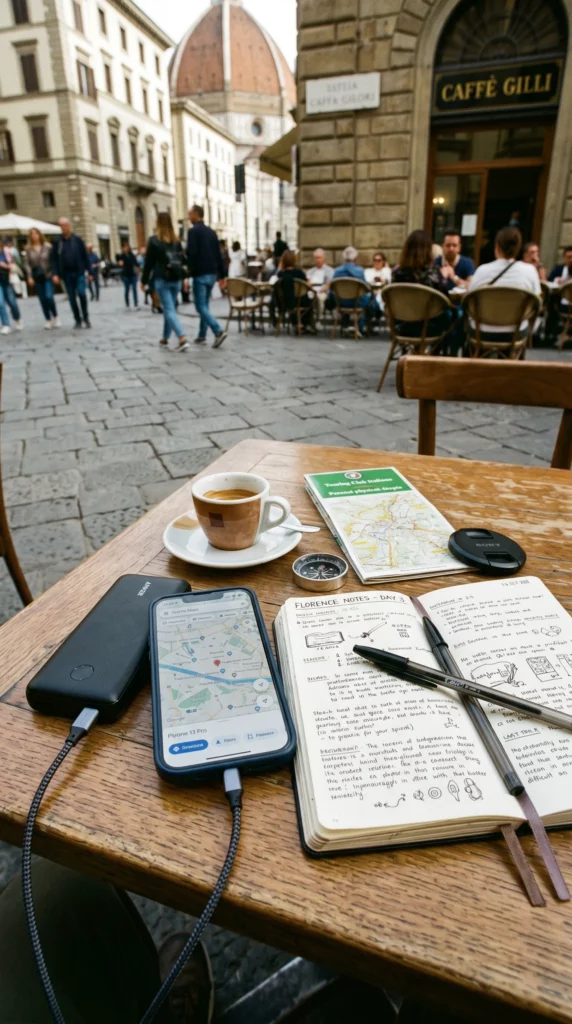
One reason I stay calmer while travelling now is because I’ve gradually built small backup systems over time.
Things like:
- offline maps
- portable chargers
- screenshots of accommodation details
- eSIMs
- saved transport information
- and knowing how to contact guides or accommodation if needed
None of these systems guarantee that things won’t go wrong.
But they reduce the feeling that one small problem could completely derail the day.
In Puebla, for example, even while I was nervous, I still knew I had several fallback options available if I truly needed them.
That makes a huge psychological difference.
5. Most Situations Feel Worse Before They Become Clear Again
One thing travel slowly teaches you is that uncertainty often peaks before situations improve.
That doesn’t mean ignoring instincts or pretending every situation is safe.
Sometimes caution absolutely matters.
But many travel situations feel emotionally bigger in the moment than they actually become later.

In Puebla, I eventually found my way back toward familiar streets.
In Crete, I eventually found the hostel.
Neither situation felt enjoyable while it was happening.
But both became manageable once I slowed down enough to think clearly again.
And honestly, that has probably become one of the most useful travel skills I’ve developed over time.
Getting Lost Doesn’t Always Mean Something Has Gone Wrong
Travel sometimes creates an unrealistic pressure to always appear confident and in control.
But getting slightly lost occasionally is a very normal part of moving through unfamiliar places.
Usually, the goal isn’t to avoid every mistake completely.
It’s to stay calm enough to keep solving problems one step at a time.
TLDR
- Panic often makes travel situations feel worse than they are
- Focusing on what you do know helps restore perspective
- Reference points can matter more than perfect directions
- Asking locals often works better than struggling alone
- Small backup systems reduce stress significantly while travelling
FAQ
Is it normal to get lost while travelling?
Yes. Even experienced travellers occasionally get lost, especially in unfamiliar cities or transport systems.
What should I do if I get lost in another country?
Stop, stay calm, assess what you know, and focus on nearby reference points, transport options, or places where you can ask for help.
Should you ask locals for directions while travelling?
Often yes. Even if the first attempt doesn’t solve the problem immediately, locals can help narrow down directions or identify landmarks.
How can I feel safer while travelling independently?
Offline maps, portable chargers, transport knowledge, and communication backups can all help reduce stress while travelling.
Do offline maps help when travelling?
Yes. Offline maps are extremely useful backup systems if mobile data or coverage suddenly fails.
Explore Further
|
5 Reasons I Always Download Offline Maps |