When to Choose a Small Group Tour Instead of Solo Travel
Independence is often framed as doing everything alone.
But experienced travellers know that confidence and maturity show up differently.
Solo travel and small group travel are not opposites. They are tools.
Knowing when to choose a small group tour is not a retreat from independence. It is a strategic decision about energy, depth, and context.
Sometimes travelling alone creates space.
Sometimes structure creates clarity.
Understanding the difference is what builds thoughtful travel.

Solo Travel and Small Group Travel Are Not Competing Ideologies
The debate around small group vs solo travel is often framed as a personality test.
Are you independent?
Are you adventurous?
Do you prefer control?
But the more useful question is practical:
What does this destination require?
Some places reward unstructured wandering. Others demand context. Some cities are intuitive. Others are layered with political, religious, or historical nuance that benefits from interpretation.
Choosing a small group tour is often about complexity, not confidence.
When Cognitive Load Becomes Fatigue
Every decision on a solo trip rests with you.
Where to eat.
How to get there.
Which district to prioritise.
How long to stay.
In simple, walkable cities, this autonomy feels liberating.
In large or complex destinations, decision-making can become cognitive load.
If you find yourself:
- Constantly navigating transport systems
- Researching historical background late at night
- Feeling overwhelmed by scale
- Struggling to prioritise meaningful sites
It may be time to choose structure.
A well-designed small group tour reduces friction. It allows you to focus on experience rather than logistics.
That isn’t weakness.
It’s energy management.
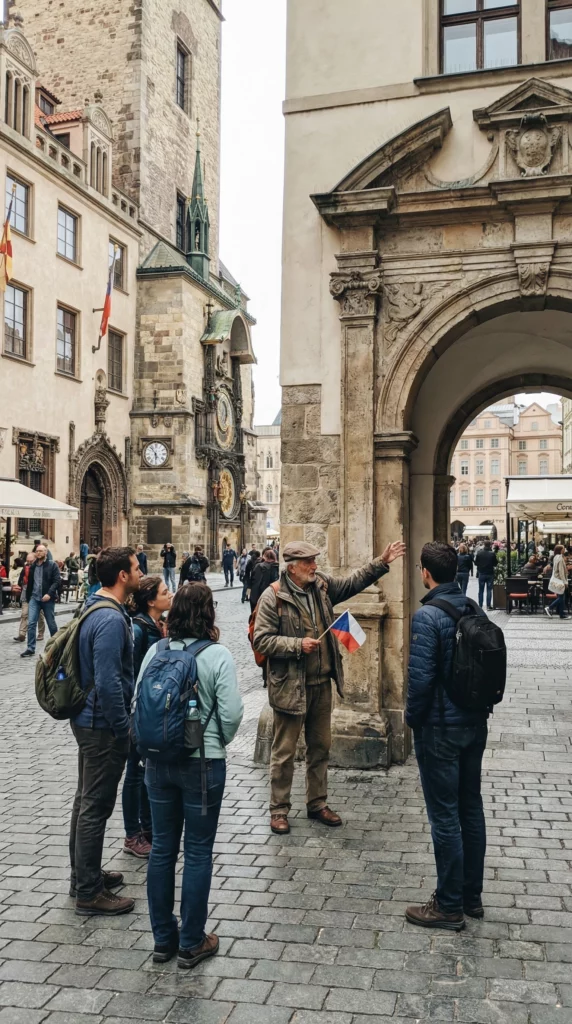
When Historical and Cultural Context Is Dense
Some destinations require interpretation.
Cities layered with empire, revolution, faith, colonisation, or contested identity often reveal themselves slowly — and sometimes invisibly.
Without context, you may see architecture without understanding its symbolism. Visit religious spaces without recognising ritual meaning. Walk through neighbourhoods without grasping social history.
A small group tour led by a knowledgeable local guide can:
- Clarify political nuance
- Explain religious practice respectfully
- Connect historical periods coherently
- Highlight overlooked details
This is especially true in cities where language barriers limit spontaneous conversation.
Choosing guided structure in these environments deepens immersion rather than limiting it.
When Geography or Infrastructure Is Complex
There are times when the practical realities of a destination matter more than idealism.
Late-night arrivals.
Remote regions.
Limited public transport.
Multiple transfers between districts.
In these situations, small group travel provides built-in orientation.
It can offer:
- Streamlined transport
- Clear scheduling
- Safety through predictability
- Reduced navigation stress
This is not fear-based decision-making. It is logistical intelligence.
There are seasons of travel where independence is best expressed through support.

When Social Energy Shifts
Solo travel can be deeply restorative.
But extended solitude can also become draining.
At the same time, constant social immersion can be equally exhausting.
If you notice that:
- Meals feel repetitive alone
- Interpretation feels isolating
- You want shared reflection
- Or conversely, your social battery drains quickly in groups
It may be time to recalibrate.
Small group tours offer built-in conversation and shared interpretation. But they don’t require constant togetherness.
Many structured tours offer a single supplement — allowing you to participate fully during the day while still retreating into your own space in the evening.
This balance can be especially valuable if:
- You enjoy structured days but need solo downtime
- You want social interaction without shared accommodation
- You recharge best in private space
Choosing a single room within a small group tour isn’t indulgence. It’s energy management.
Confidence in travel isn’t only about navigating cities. It’s about understanding your own capacity.
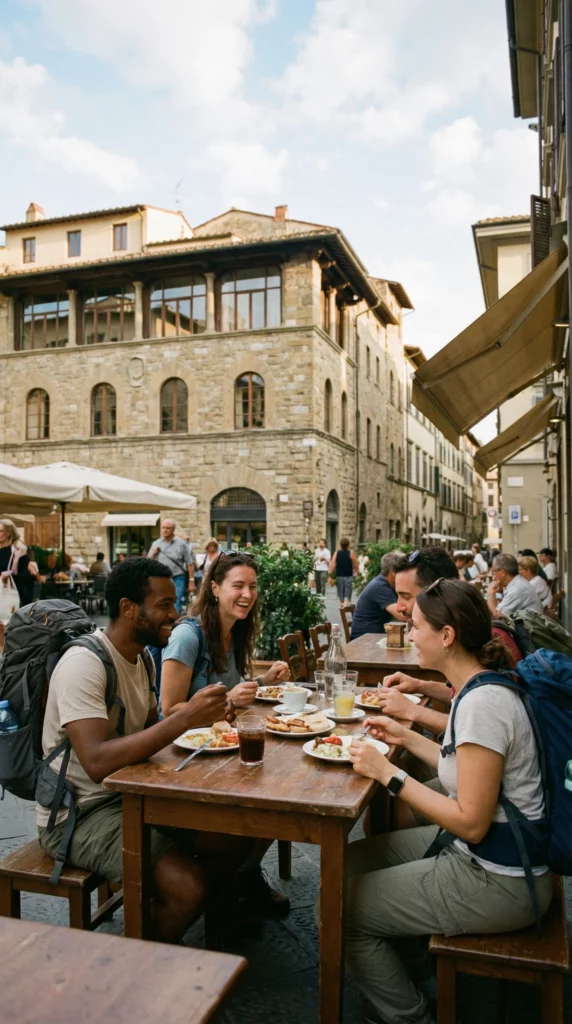
When Time Is Limited
Time constraints change decision-making.
If you have only two or three days in a destination rich with historical or cultural complexity, a small group tour can provide structure quickly.
Rather than spending hours determining what matters most, guided structure can:
- Prioritise essential sites
- Provide narrative continuity
- Reduce inefficiency
- Prevent over-scheduling
Small group travel is often an acceleration tool.
Used thoughtfully, it enhances depth within limited time.
Hybrid Travel Is Often the Strongest Approach
The most effective travel model is rarely binary.
It is hybrid.
You might:
- Explore independently for several days
- Join a focused walking tour for historical clarity
- Take a guided food experience to understand culinary tradition
- Choose a small group itinerary with a single supplement for private downtime
- Return to solo exploration afterward
Knowing when to choose a small group tour allows you to design travel around both destination complexity and personal energy.
You are not choosing identity.
You are choosing tools.

Independence Is About Discernment
There is a quiet confidence in recognising what a destination requires.
Sometimes that means walking alone through neighbourhood streets with no agenda.
Sometimes it means standing within a small group, listening carefully to someone who understands the place more deeply than you do.
Mature travel is not defined by isolation.
It is defined by discernment.
And discernment is what transforms movement into understanding.
TLDR
Knowing when to choose a small group tour is about context, not capability.
Small group travel may be the right choice when:
- Decision fatigue builds
- Historical or cultural context is dense
- Infrastructure is complex
- Social energy shifts
- Time is limited
Solo travel and small group travel are not competing approaches.
They are complementary tools.
Frequently Asked Questions
Is small group travel better than solo travel?
Neither is inherently better. The right choice depends on destination complexity, energy levels, time constraints, and how much contextual interpretation you want.
When should I choose a small group tour?
Consider a small group tour when historical depth is significant, logistics are complex, time is limited, or you want structured interpretation from a knowledgeable guide.
Does joining a small group tour reduce independence?
Not at all. Choosing structured support is a strategic decision, not a loss of autonomy. Many experienced travellers blend solo and guided experiences.
Are small group tours good for culturally rich destinations?
Yes. In destinations layered with political, religious, or historical nuance, guided interpretation can significantly deepen understanding.
Can I mix solo travel with small group experiences?
Absolutely. Hybrid travel — combining independent exploration with guided segments — is often the most balanced approach.