How to Build Confidence as a Solo Traveller
Confidence in solo travel rarely arrives all at once.
It builds gradually.
Through exposure.
Through repetition.
Through learning what you can handle — and what you prefer not to.
If you’re wondering how to build confidence as a solo traveller, the answer isn’t personality. It’s progression.
Confidence is constructed.
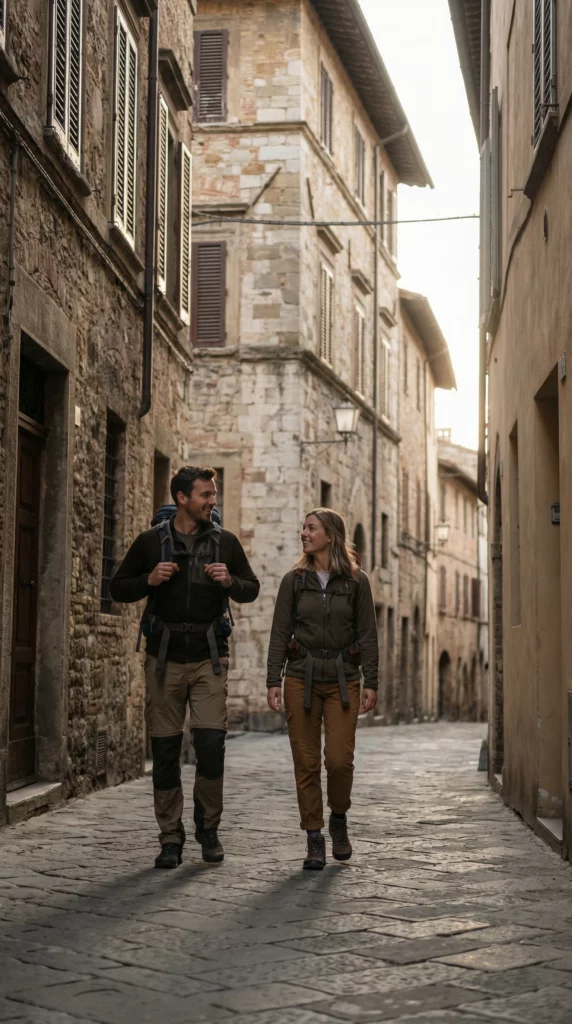
Confidence Grows in Stages
Many confident solo travellers did not begin alone.
They began supported.
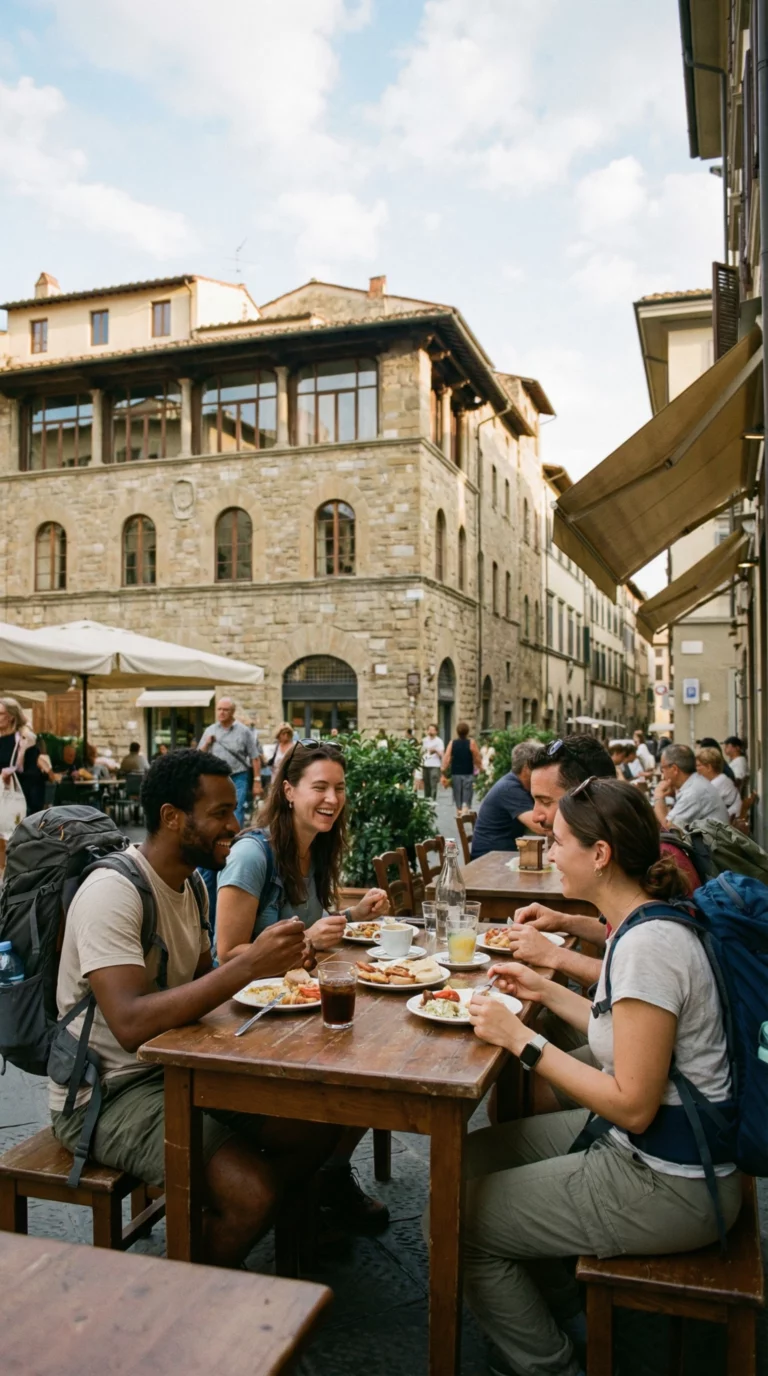
You might travel first with a friend, partner, or family member. You might join a small group tour to understand how a destination functions. You might spend most of a trip in structured movement — then stay an extra few days independently at the end.
Those final solo days often carry disproportionate impact.
They prove something quietly:
You can navigate.
You can decide.
You can adapt.
My first international trip was with a family member. Not long after, I moved countries alone for two years at nineteen. The second step would not have happened without the first.
Confidence expands when exposure expands.
It doesn’t appear fully formed.
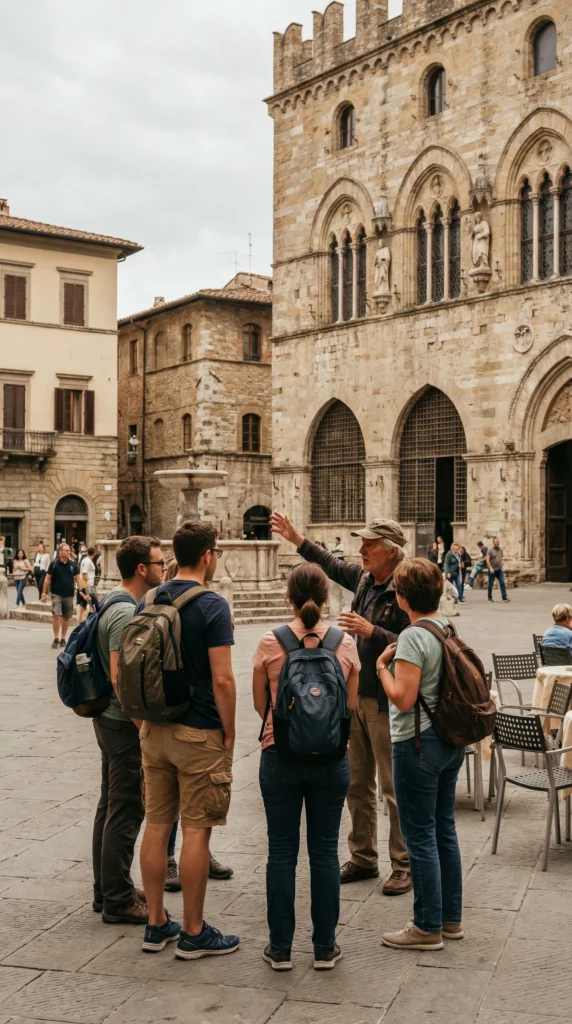
Start With Contained Exposure
If you want to build confidence, shrink the scale.
Choose:
- A destination with familiar language cues
- A city known for walkability
- A shorter trip
- Accommodation in a central district
You can also use small group structure intentionally.
Join a guided itinerary for several days. Learn transport systems, neighbourhood logic, and cultural rhythms with support. Then extend your stay independently.
This staggered approach reduces overwhelm.
It creates a bridge between guidance and autonomy.
Confidence grows when challenge is calibrated — not maximised.

Establish Personal Boundaries Early
Confidence is not about removing discomfort entirely.
It’s about managing it intelligently.
Set boundaries that protect your energy:
- Arrive during daylight hours when possible
- Choose accommodation you feel secure in
- Decide how late you want to stay out in unfamiliar areas
- Avoid over-scheduling your first days
Boundaries are not signs of fear.
They are signs of self-awareness.
When you trust your own parameters, your nervous system settles. That steadiness allows confidence to expand gradually.
Build a Repeatable Solo Rhythm
Unstructured time can magnify uncertainty.
Rhythm reduces it.
Develop small consistencies:
- A morning walk to orient yourself
- A familiar café for coffee or journaling
- A midday reset
- An evening return time in early days
These anchors create predictability inside unfamiliar environments.
When parts of your day feel familiar, the rest feels manageable.
Confidence thrives in repeatable patterns.
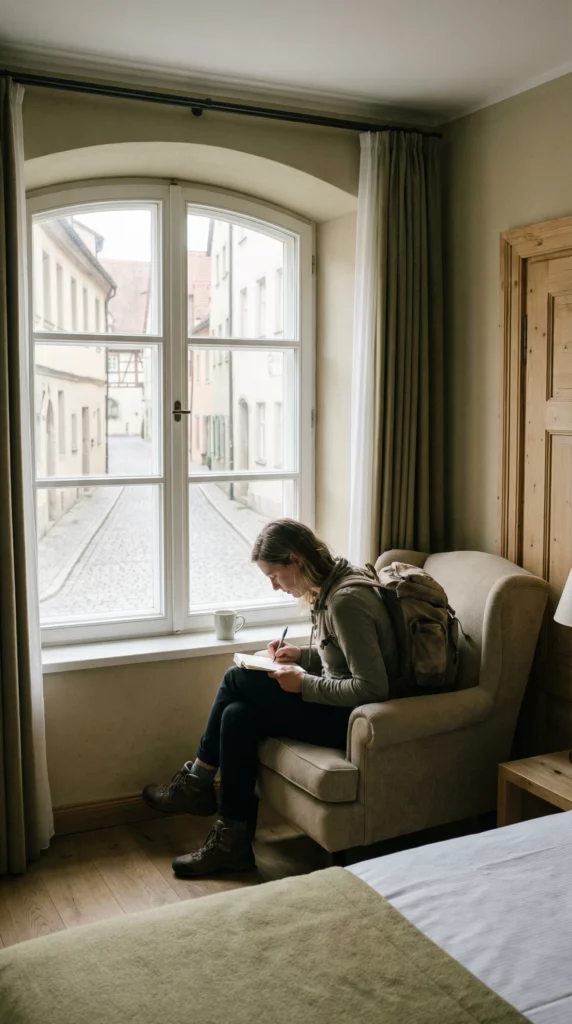
Manage the Internal Narrative
Solo travel amplifies internal dialogue.
A missed bus becomes: I’m bad at this.
A wrong turn becomes: I shouldn’t have come.
But confidence is built through evidence, not emotion.
Instead of escalating a mistake, observe it:
- Did anything irreversible happen?
- Did you solve it?
- Would you handle it differently next time?
Each resolved uncertainty becomes data.
The goal is not to eliminate nerves.
It is to respond proportionately to them.
Over time, your internal narrative shifts from doubt to evidence-based reassurance.
Let Repetition Do the Work
The first solo trip feels significant.
The third feels familiar.
The tenth feels natural.
Confidence builds cumulatively.
Every:
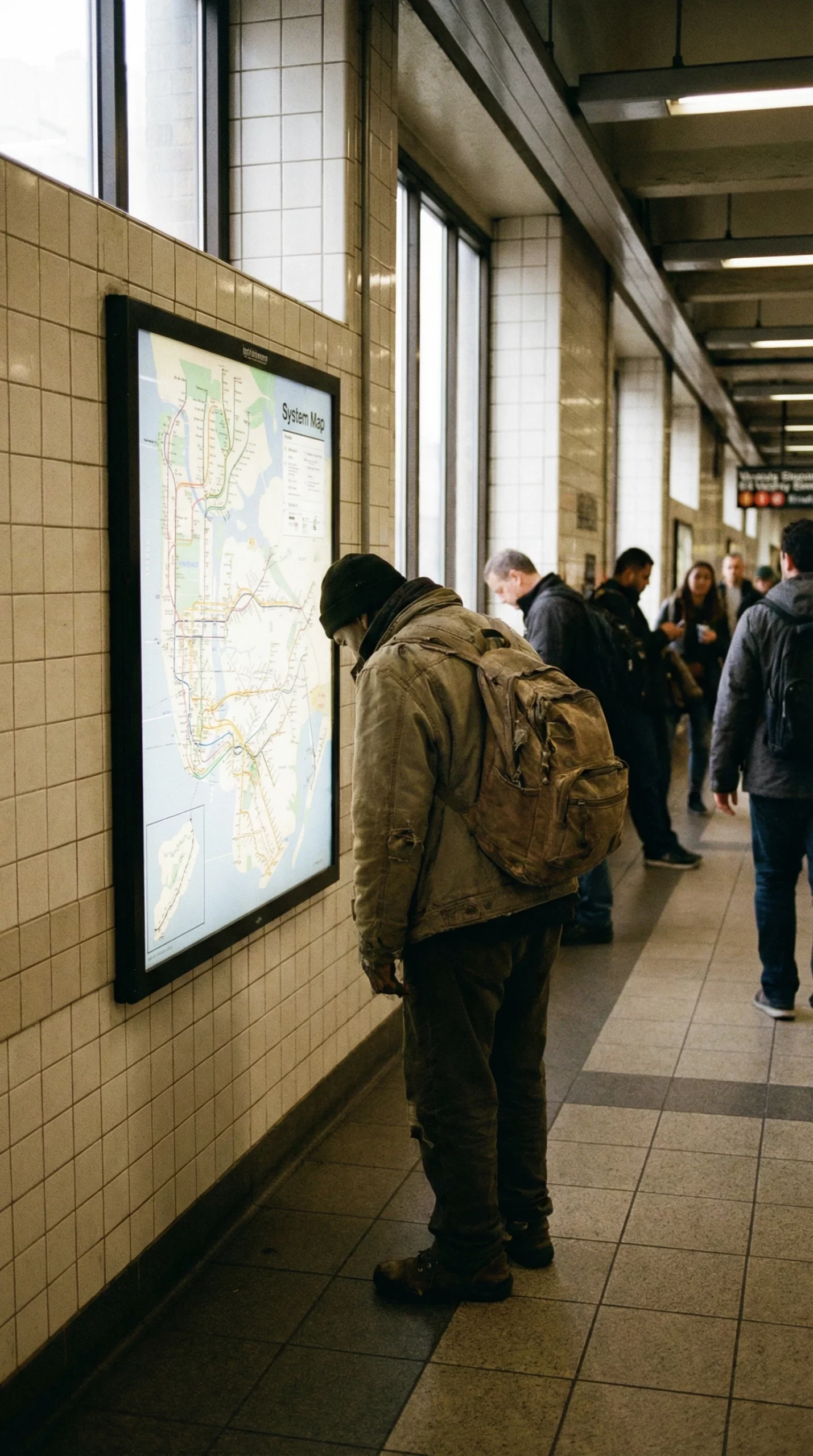
- Navigated metro line
- Successful accommodation check-in
- Independent meal
- Conversation attempted in another language
Becomes proof.
Not dramatic proof.
Quiet proof.
You don’t need one transformative journey to build confidence.
You need repeated manageable experiences.
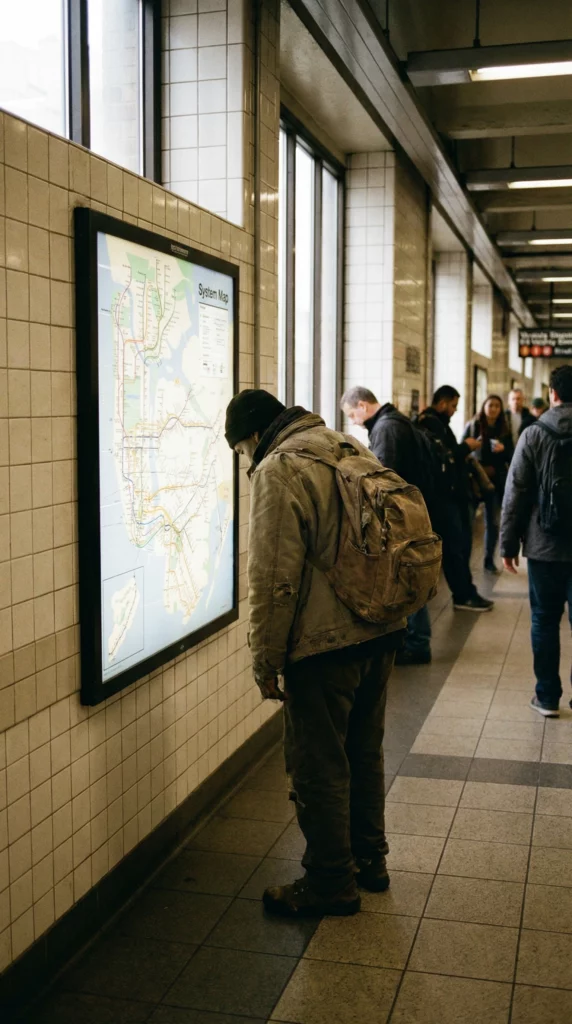
Independence Is a Skill
Skills strengthen with practice.
You begin supported.
You expand gradually.
You refine boundaries.
You build rhythm.
You collect evidence.
Over time, what once felt intimidating becomes ordinary.
Learning how to build confidence as a solo traveller is less about courage and more about exposure, structure, and self-awareness.
Confidence isn’t a personality trait.
It’s a process.
TLDR
If you want to build confidence as a solo traveller:
- Start supported, then expand gradually
- Use small group tours as stepping stones
- Set clear personal boundaries
- Create daily rhythm
- Respond proportionately to mistakes
- Let repetition build evidence
Confidence grows in stages.
And stages are meant to be taken one at a time.
Frequently Asked Questions
How can I build confidence for my first solo trip?
Start small. Choose a manageable destination, set boundaries around arrival and accommodation, and consider beginning with guided structure before extending independently.
Is it normal to feel nervous travelling alone?
Yes. Nervousness is common, especially early on. Confidence grows through repeated exposure and successfully navigating small challenges.
Should I start with a small group tour?
For many travellers, yes. Beginning with a structured group experience and extending your stay solo can be an effective confidence-building strategy.
How long does it take to feel confident travelling alone?
Confidence builds progressively. For some, it shifts after one trip. For others, it strengthens over multiple journeys.
What if I make mistakes while travelling solo?
Mistakes are part of the learning process. Each resolved challenge becomes evidence that you can adapt and manage unfamiliar situations.