Exploring Mexico City’s Neighbourhoods Alone
Mexico City can feel overwhelming at first.
Not because it is difficult to navigate, but because of its scale. The city stretches far beyond what most visitors will ever see, and trying to understand it all at once rarely works.
Solo travel here becomes easier when you stop thinking about the city as a whole.
And start thinking in neighbourhoods.
Each area carries its own rhythm, its own pace, and its own version of daily life. Moving between them slowly creates a sense of structure that the city doesn’t immediately offer.
Roma Norte — Everyday Movement
Roma Norte is often where solo travellers begin.
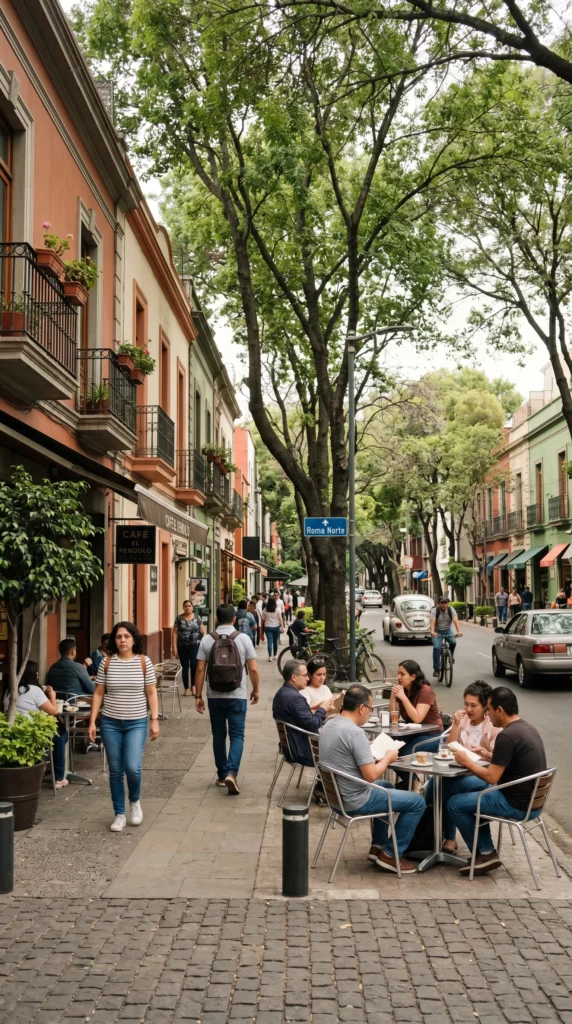
Tree-lined streets, cafés, and small shops create a sense of familiarity, even on a first visit.
Walking here feels natural. There is enough activity to feel part of something, but not so much that it becomes overwhelming.
It’s a place to settle into the city.
Morning coffee becomes a routine. Streets start to feel recognisable. You begin to notice small details — the way people move, where they pause, how the day unfolds.
For solo travellers, Roma offers a gentle introduction.
Condesa — Parks and Pace
Condesa sits just beside Roma, but the atmosphere shifts slightly.
The presence of parks changes everything.
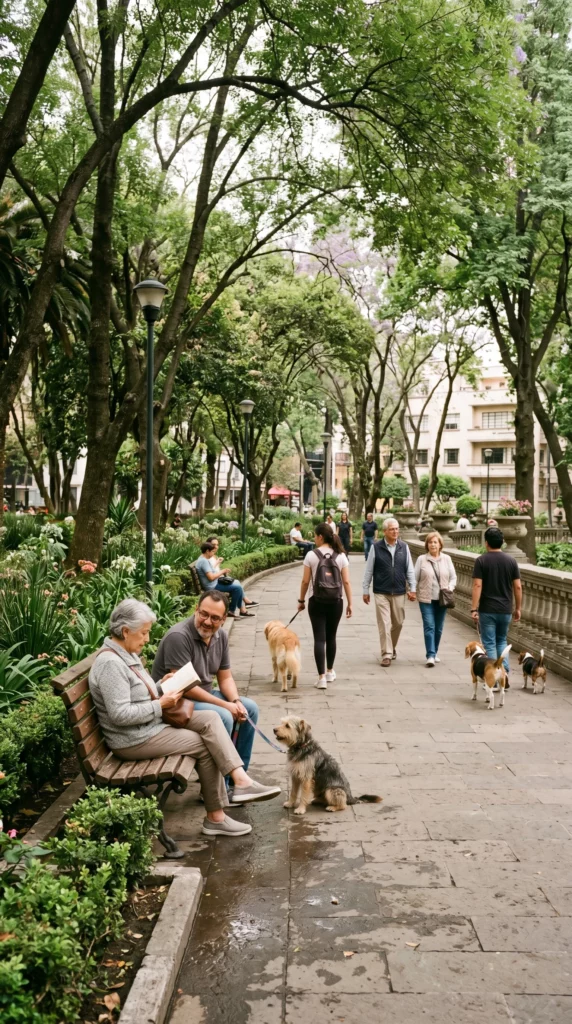
Parque México and Parque España create space — both physically and mentally. The city feels less dense here, even though it remains active.
People walk dogs, sit on benches, move without urgency.
For solo travellers, these spaces become anchors.
A place to pause between exploring. A place to sit without needing a reason.
The pace here is slower, and that shift is noticeable.

Centro Histórico — Density and Movement
Centro Histórico feels different from the start.
The streets are busier. The architecture is more imposing. Movement is constant.
This is where Mexico City feels most like a capital.
For solo travellers, the key here is timing.
During the day, the area is active and structured. There is a clear flow to how people move, even within the density.
But the atmosphere changes in the evening. Some streets quiet quickly, and the rhythm becomes less predictable.
Exploring Centro Histórico works best with awareness of that shift.
It’s a place to experience, but not necessarily to linger late without purpose.
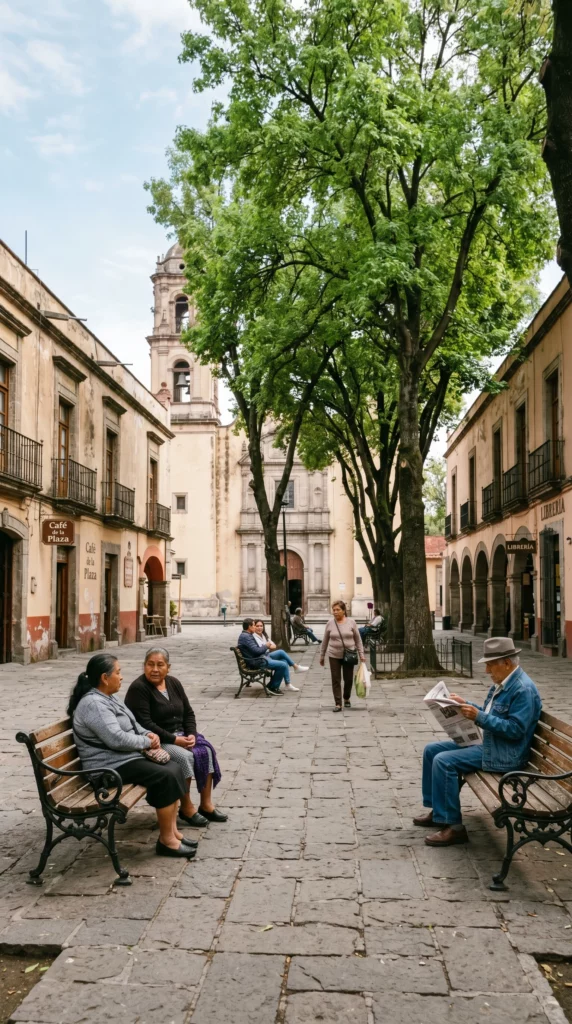
Coyoacán — A Different Rhythm
Coyoacán feels removed from the intensity of the centre.
The streets are quieter. The layout feels more open. Time seems to move more slowly.
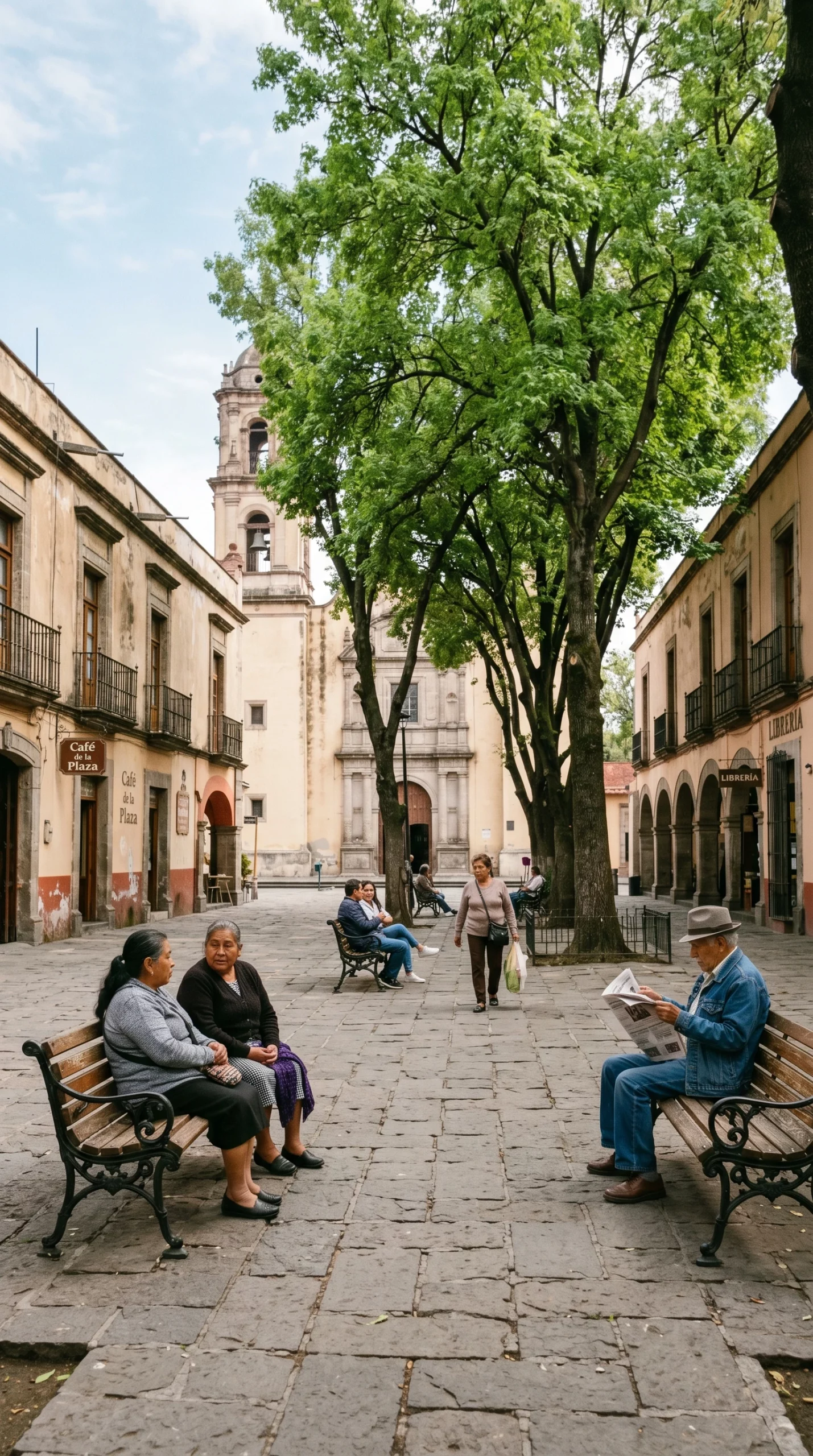
Markets, plazas, and shaded areas create a sense of space that contrasts with the rest of the city.
For solo travellers, it offers a reset.
A place to spend an afternoon without needing to move constantly. A place where sitting becomes the activity.
Reaching Coyoacán takes more effort, but the change in pace makes it worthwhile.
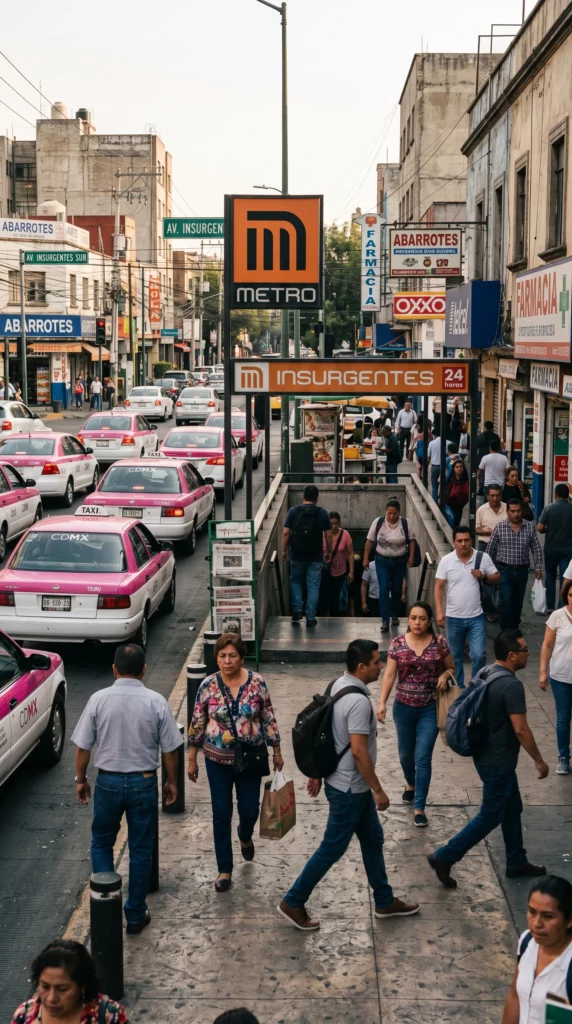
Moving Between Neighbourhoods
Understanding Mexico City comes from how you move between its parts.
Trying to cover too much in a single day quickly becomes tiring.
Focusing on one neighbourhood at a time creates structure.
Walking works well within Roma and Condesa.
Ride services or metro connections help bridge longer distances.
What matters is not efficiency, but clarity.
When movement is simple, the city feels more manageable.

The City Becomes Smaller Over Time
Mexico City doesn’t shrink in size.
But it becomes easier to understand.
As you return to familiar streets, recognise cafés, and move confidently between neighbourhoods, the initial overwhelm fades.
For solo travellers, this shift is important.
Confidence doesn’t come from covering more ground.
It comes from understanding the ground you’re on.
TLDR
Mexico City is best experienced neighbourhood by neighbourhood, especially when travelling solo.
- Roma Norte offers a gentle introduction
- Condesa provides space and slower pace
- Centro Histórico brings energy and density
- Coyoacán offers a quieter reset
Focusing on one area at a time makes the city feel structured and manageable.
Frequently Asked Questions
Is Mexico City easy to explore alone?
Yes, especially when focusing on central neighbourhoods like Roma, Condesa, and Centro Histórico.
Which neighbourhood is best to stay in as a solo traveller?
Roma and Condesa are popular for their walkability, safety, and access to cafés and park.
Is Centro Histórico safe to explore alone?
During the day, it is busy and structured. In the evening, it’s best to stay aware and avoid quieter streets.
Is Coyoacán worth visiting alone?
Yes. It offers a slower, more relaxed atmosphere that contrasts with the rest of the city.
How should I move between neighbourhoods?
Walking works within districts, while ride services or metro connections are useful for longer distances.
Explore Further
|
Mexico City Parks |