Choosing Where to Stay: Why Location Matters Most
When planning a trip, it is easy to focus on the room itself.
The size of the bed.
The design of the interior.
The star rating.
The breakfast reviews.
But where you stay influences far more than where you sleep.
It shapes what you see first in the morning, what you walk past in the evening, how far you travel each day, and how connected you feel to a place.
Location determines rhythm.
Understand the Geography Before You Book

Before comparing properties, understand the layout of the city itself.
Where is the historic centre?
Where are the primary cultural sites?
How spread out is the city?
What does public transport look like?
In some cities, staying just outside the centre can mean a short tram ride. In others, it may involve crossing the entire metropolitan area daily.
Looking at a map for ten minutes can save hours of travel later.
Walkability, especially in culturally dense cities, changes the entire experience. Being able to step outside and immediately encounter architecture, markets, or neighbourhood cafés reduces friction and increases immersion.
Choose Neighbourhood Character Over Amenities

A beautifully designed room far from daily life can feel isolating.
Instead of filtering solely by star rating, consider the surrounding streets.
Is this neighbourhood lived-in or primarily touristic?
Are there local shops, markets, or small restaurants nearby?
Does it feel residential, commercial, historic, or newly developed?
Staying in an area with everyday rhythm — where people commute, shop, and gather — often provides more cultural exposure than a larger hotel complex positioned for convenience alone.
You are not just booking a room. You are choosing a vantage point.
Think About Movement and Daily Flow
Transport time affects energy more than most travellers anticipate.
Long commutes back to accommodation in the afternoon can discourage rest, limit flexibility, and make evenings feel rushed.
If you plan to visit museums, historic districts, or religious sites concentrated in a particular area, staying nearby allows you to move more slowly and return easily if needed.
In cities such as Rome, where major sites are clustered but distances still require walking, proximity can make the difference between thoughtful pacing and fatigue. In larger cities like Mexico City, understanding scale becomes even more important.
Location is not just about convenience. It shapes how your days unfold.
Research Safety Calmly and Proportionally

Every city contains neighbourhoods that are quieter, more residential, more commercial, or more active at night.
Research through balanced sources rather than alarmist forums. Look for consistent patterns rather than isolated anecdotes.
Proximity to well-trafficked areas, transport hubs, and established districts is often sufficient for most travellers. Sensationalised accounts rarely reflect everyday reality. For every bad story, there are often a dozen good ones from people who decided not to share it.
Calm research leads to measured decisions.
When Comfort or Luxury Makes Sense
Location matters most in culturally dense cities, but there are contexts where comfort takes priority.
If your trip includes rest days, retreats, countryside stays, or resort environments, amenities may matter more than centrality.
The key is alignment.
Choose accommodation that supports the purpose of your trip — whether that is exploration, rest, reflection, or a combination of all three.

Accommodation as Perspective
Accommodation is rarely neutral.
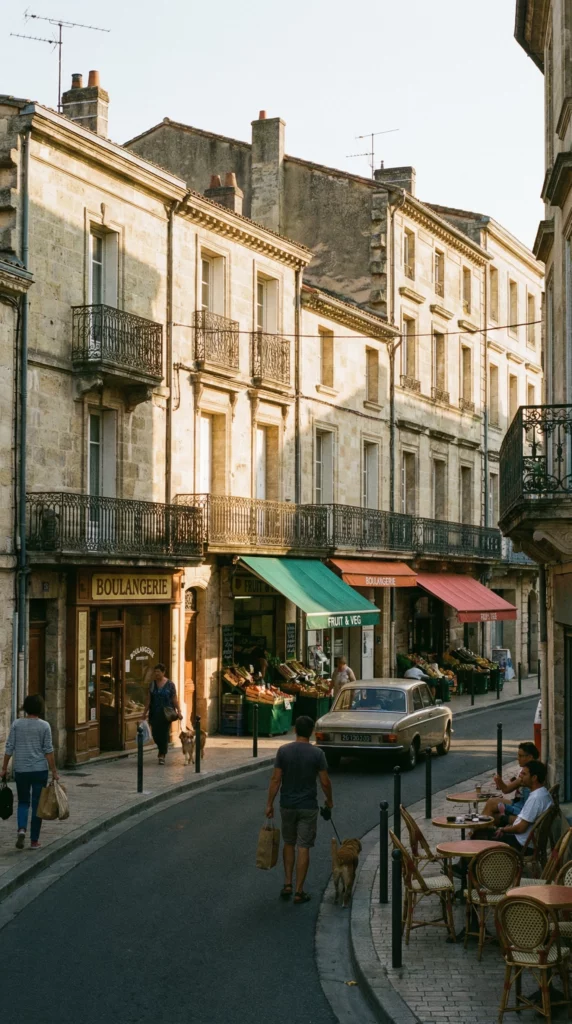
It frames your entry and exit each day. It determines whether you walk past local bakeries in the morning or board a train immediately. It shapes how easily you return for a pause before dinner.
Choosing where to stay thoughtfully is one of the simplest ways to travel more intentionally.
The right location does not guarantee depth. But it makes it far more likely.
TLDR
- Study city geography before booking accommodation.
- Prioritise neighbourhood character over star rating.
- Consider daily transport time and walking distances.
- Research safety calmly and proportionally.
- Align location with the purpose of your trip.
Where you stay shapes how you experience a place.
FAQ
How do I choose the best area to stay in a city?
Start by identifying where major cultural or historic sites are located. Then look for neighbourhoods within walking distance or with easy public transport access.
Is it better to stay in the historic centre?
Often yes, particularly in culturally dense cities. However, some residential areas near the centre may offer better balance between immersion and quiet.
Should I prioritise hotel quality or location?
For short city visits, location typically has a greater impact on experience than luxury amenities.
How far from the centre is too far?
It depends on transport and city layout. Consider whether you are comfortable commuting daily and how that might affect energy levels.
Does staying with locals improve cultural understanding?
Staying in locally owned accommodation can provide additional context and insight, especially when hosts are engaged and communicative.