Rome Beyond the Colosseum: 5 Layers Most Travellers Walk Past
Introduction
I used to tease my mum about her attraction to shiny things.
Sparkly shoes. Fairy lights. Anything that caught the light and demanded attention.
On my last trip to Rome, I realised I had my own version.
Mine sounded more like, “Ooohh, pretty building.”
Rome has that effect. You turn a corner and there it is — stone glowing in late afternoon light, carved angels perched above doorways, domes rising where you didn’t expect them. You don’t even know what you’re looking at yet. You just know it’s beautiful.
But Rome rewards curiosity. And the moment you move beyond “pretty building” is the moment the city begins to unfold in layers.
Here are five of them.
1. The Layer of Spectacle: Power Built in Stone
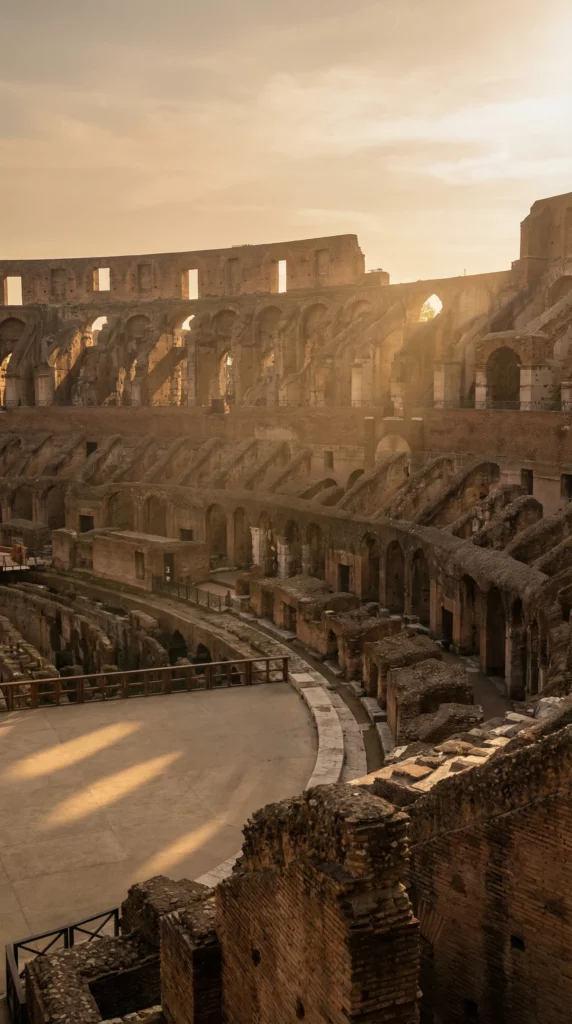
The Colosseum. The Roman Forum. The Pantheon.
These aren’t just ruins — they were statements.
Imperial Rome understood that architecture communicates dominance. Massive arches, engineered perfection, public arenas built to hold tens of thousands. These spaces weren’t subtle. They were designed to impress, intimidate, and unify.
Stand inside the Pantheon and watch the light fall through the oculus. It still feels intentional. Controlled. Grand.
Rome’s first layer is spectacle. Power made visible.
2. The Layer of Reinvention: Empire Becomes Church
Rome didn’t disappear when the empire fell. It transformed.
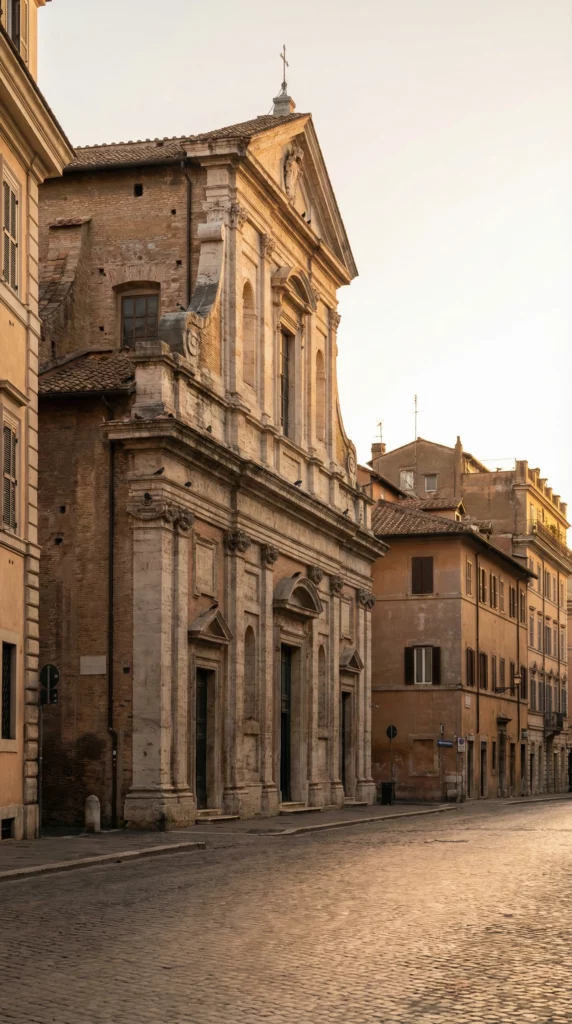
Pagan temples became churches. Obelisks from Egypt were repositioned in Christian piazzas. Basilicas were built over earlier foundations.
One of the clearest examples is the Basilica of San Clemente, where descending a staircase takes you backward through centuries — from medieval church to early Christian worship space to Roman foundations beneath.
This layer isn’t about erasure. It’s about absorption.
Rome builds on itself — literally.
3. The Layer of the Everyday: Laundry Between Centuries
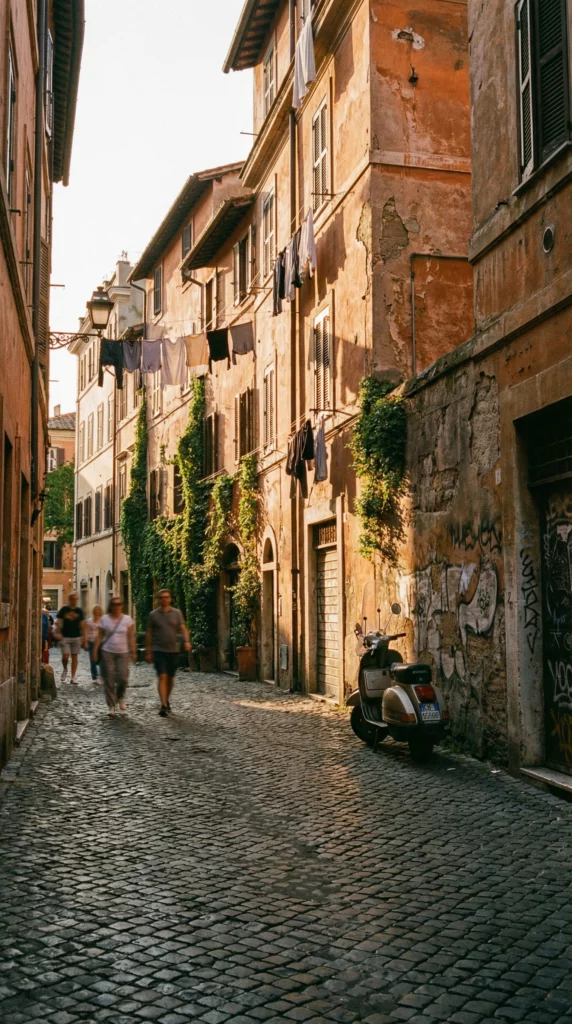
Step into neighbourhoods like Trastevere and the scale shifts.
Scooters parked beside 1,500-year-old walls. Espresso bars tucked into Renaissance buildings. Laundry strung between ochre apartments that have stood longer than most countries have existed.
This is where Rome feels most honest.
History isn’t preserved in isolation. It’s lived with.
The old and the new don’t compete here — they coexist.
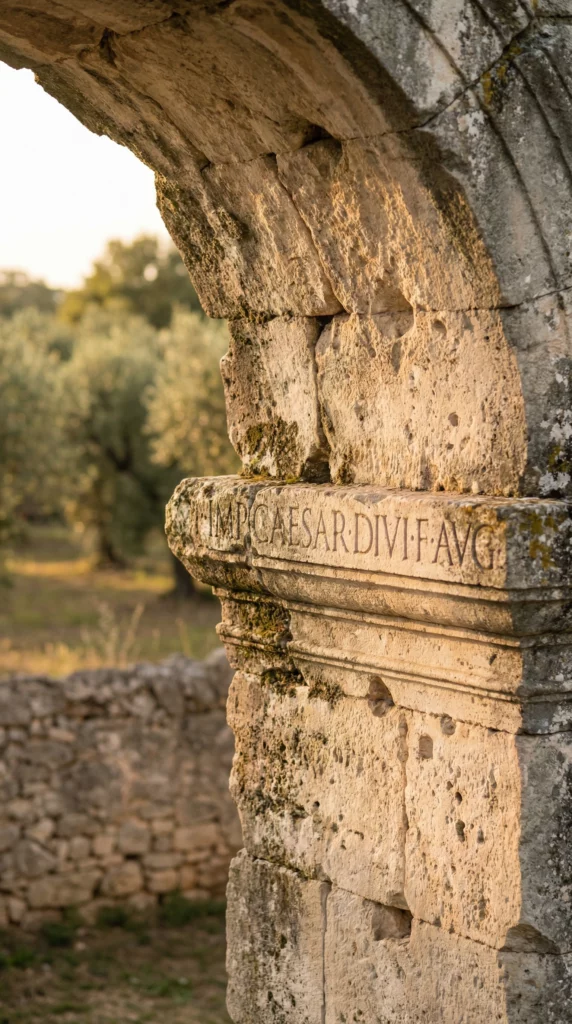
4. The Layer of Detail: Beauty You Almost Miss
Rome rewards slowness.
Carved doorframes.
Faded Latin inscriptions.
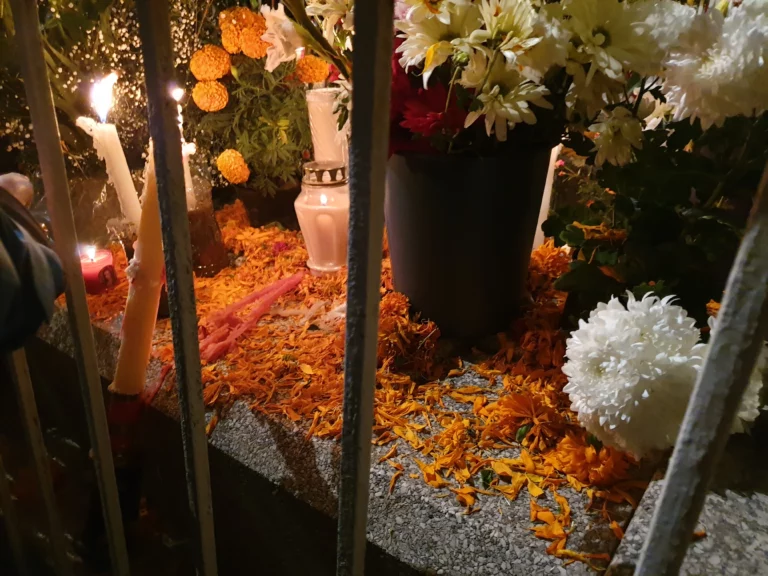
Small street shrines tucked into corners, candles flickering beneath worn statues.
You could walk past them all.
Or you could pause.
This is where my shiny object syndrome deepened. I stopped just noticing buildings and started noticing details.
Beauty becomes context when you linger long enough to ask why it’s there.
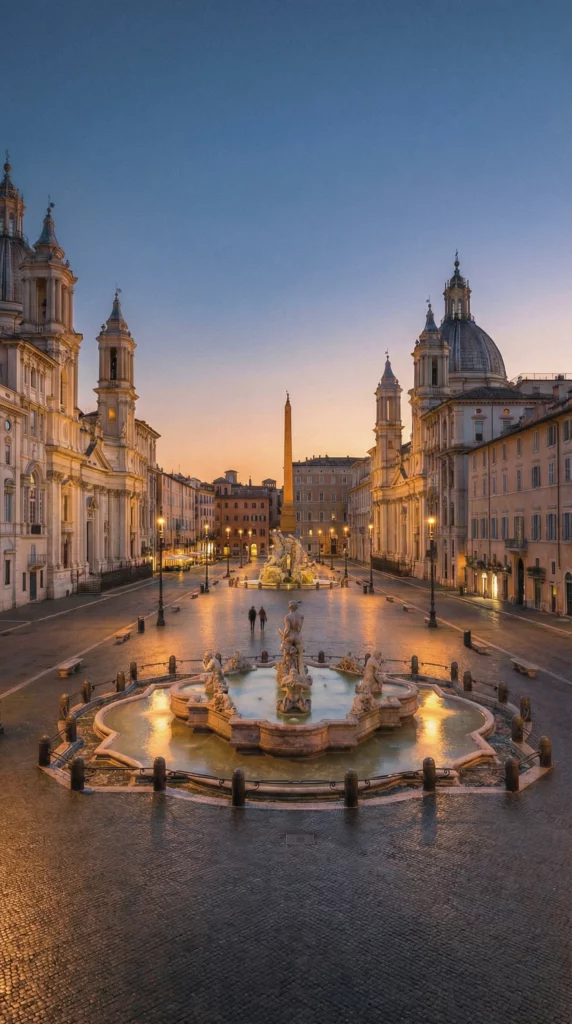
5. The Layer You Bring With You
The final layer isn’t Roman.
It’s yours.
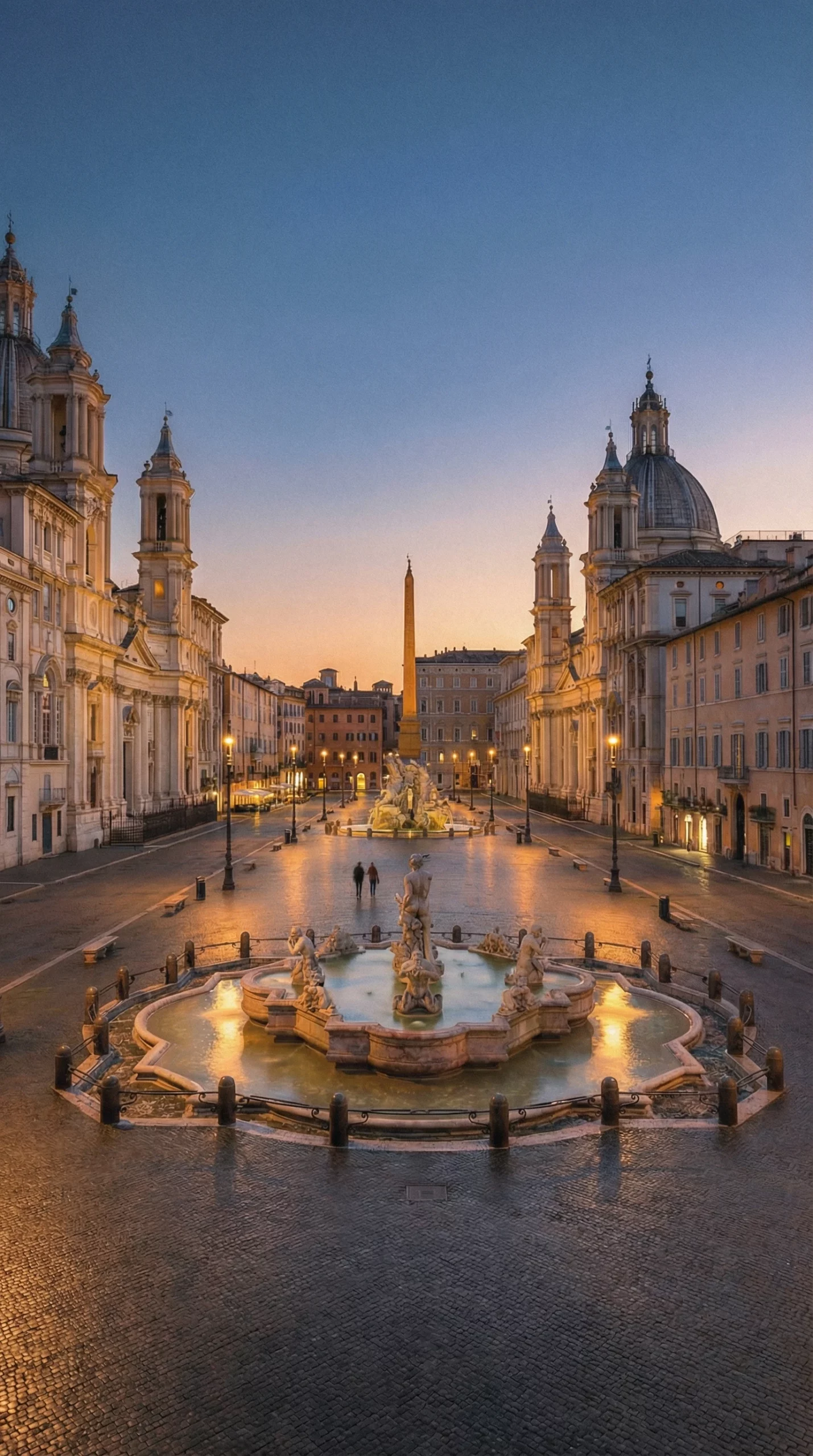
Rome exposes how you travel. Do you rush between icons? Or do you sit in Piazza Navona after the crowds thin and let the space settle?
For me, it started with “Ooohh, pretty building.”
It ended with asking what I was looking at — and what it had witnessed.
Rome doesn’t hide its layers.
But it doesn’t force them on you either.
You have to be willing to look twice.
TLDR: How to See Rome Beyond the Surface
Rome isn’t just a collection of famous landmarks. It’s a city built in layers:
- Spectacle — Imperial power made visible.
- Reinvention — Ancient Rome transformed through the Church.
- Everyday Life — Modern Romans living among centuries-old walls.
- Detail — Small architectural elements that reveal deeper stories.
- Perspective — The layer you bring through how you choose to travel.
Slow down. Look twice. Let beauty be the doorway to understanding.
FAQ
What does “seeing Rome in layers” mean?
It means looking beyond famous landmarks to understand the historical, cultural, and everyday contexts that shaped them. Rome is a city where centuries overlap physically and culturally.
Is this article a Rome itinerary?
No. This guide is about perspective rather than scheduling. It offers a way of seeing the city more deeply, which you can apply to any neighbourhood or landmark.
Where can I see Rome’s layers most clearly?
Places like the Pantheon, Trastevere, Piazza Navona, and the Basilica of San Clemente reveal how ancient, medieval, and modern Rome coexist.
Is slow travel realistic in Rome?
Yes — especially early in the morning, late in the evening, and in residential neighbourhoods away from major tour routes.