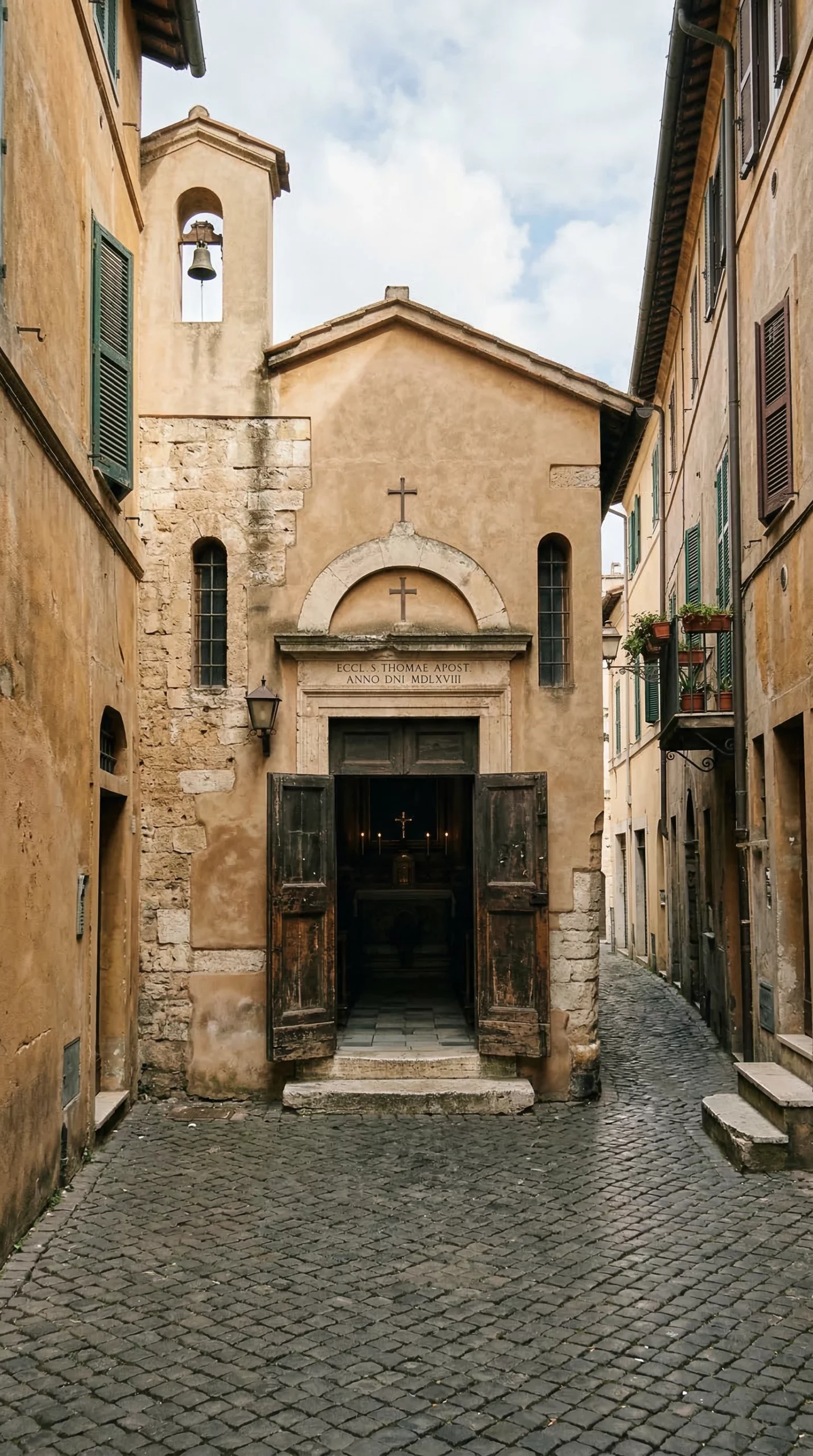
Hidden Churches of Rome (Quiet Places Most Travellers Walk Past)
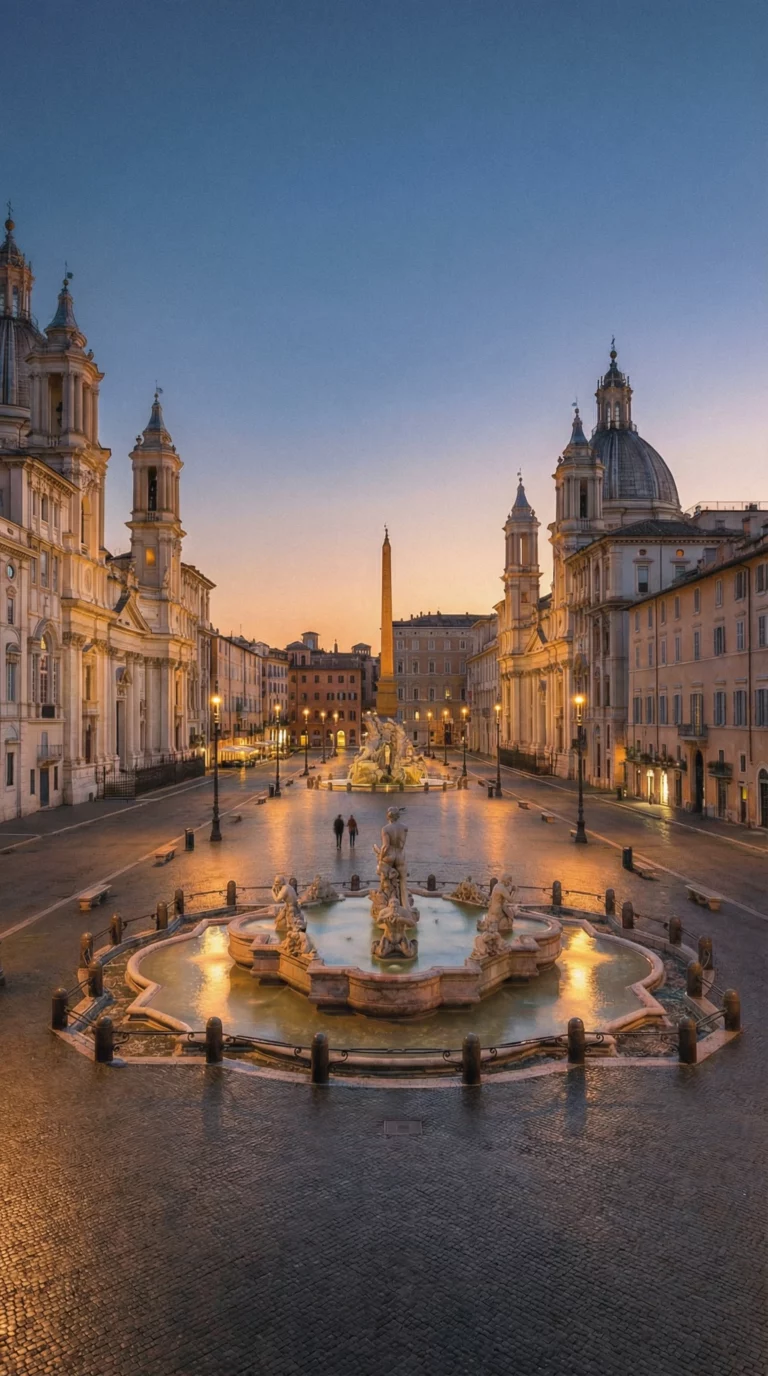
Rome moves quickly.
Not because the city itself is fast, but because everything around you suggests that it should be. Streets fill, landmarks pull attention, and the next thing to see is always just a few minutes away.
Along the way, you pass dozens of churches.
Most of them don’t stand out.
Their doors are open, but there is no queue. No sign telling you to stop. No sense that you’re about to enter something important.
So you keep walking.
And most of the time, you walk straight past.
Rome Doesn’t Announce What Matters
In many cities, significance is made obvious.
There are signs, crowds, and carefully managed entry points that signal where you should go and how long you should stay.
Rome doesn’t always work like that.
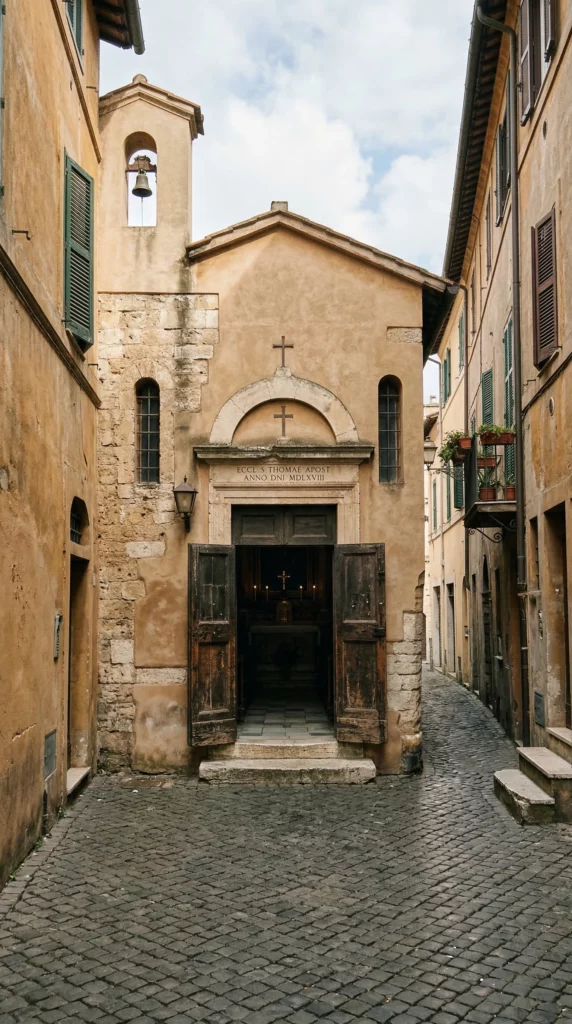
Some of the most remarkable places in the city sit quietly along ordinary streets. Their exteriors are restrained, sometimes almost forgettable, especially compared to the scale of Rome’s major landmarks.
There is no build-up.
No moment where the city tells you that this one matters more than the last.
Which means it’s easy to miss them entirely.
Stepping Inside Changes Everything
Then, occasionally, you stop.
You push open a door without much expectation and step inside.
The shift is immediate.
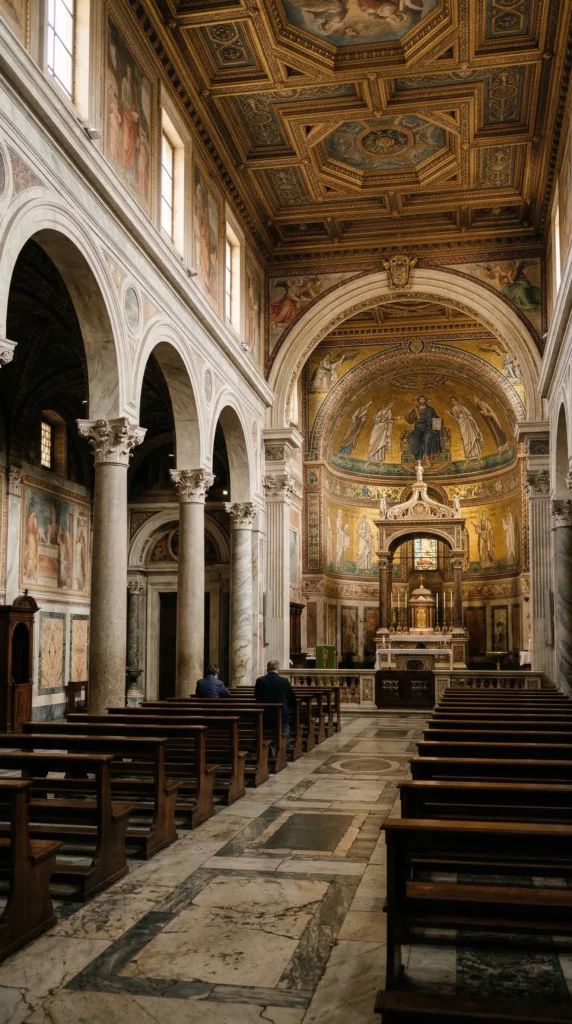
The temperature drops slightly. The noise of the street disappears. Light filters differently — softer, more directional. Your pace slows without you deciding to slow it.
Inside Santa Maria della Vittoria, for example, the exterior gives little indication of what waits within. But once inside, your attention is drawn upward and inward at the same time. Details begin to emerge slowly — not all at once, but piece by piece.
It isn’t dramatic.
It’s quiet.
And that quiet changes how long you stay.
Art Where You Least Expect It
One of the most surprising things about these spaces is what they hold.
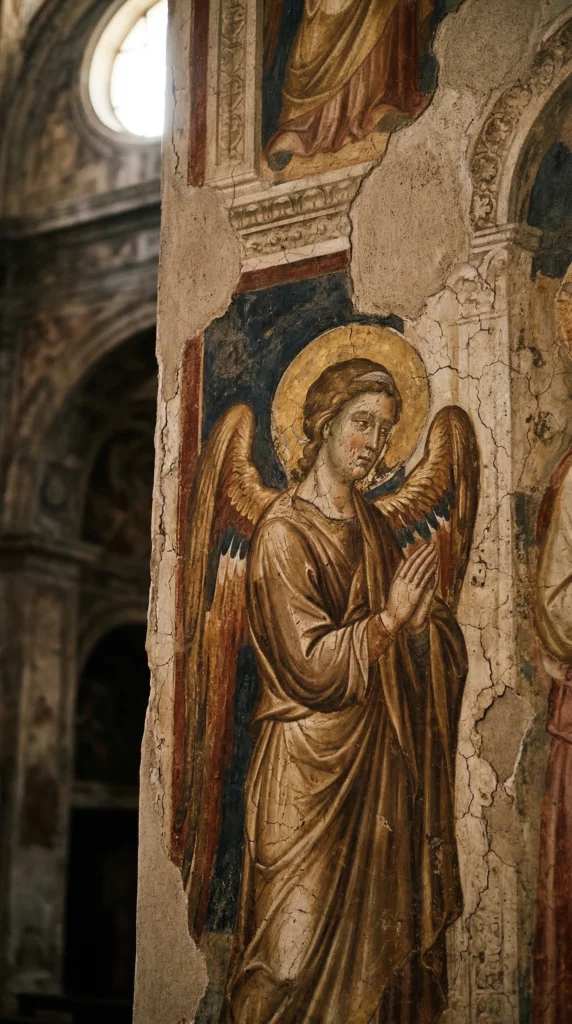
Not just decoration, but significant works of art — placed in rooms that are often half-empty.
In San Luigi dei Francesi, you might find yourself standing just a few steps away from Caravaggio paintings, without the crowd that would normally surround them in a gallery. There’s no barrier separating you from the work. No timed entry.
You simply walk in.
The setting changes the way you look at it.
You’re not moving past it as part of a route. You’re standing still, noticing details you might otherwise miss.
And when you leave, the street outside resumes as if nothing has happened.
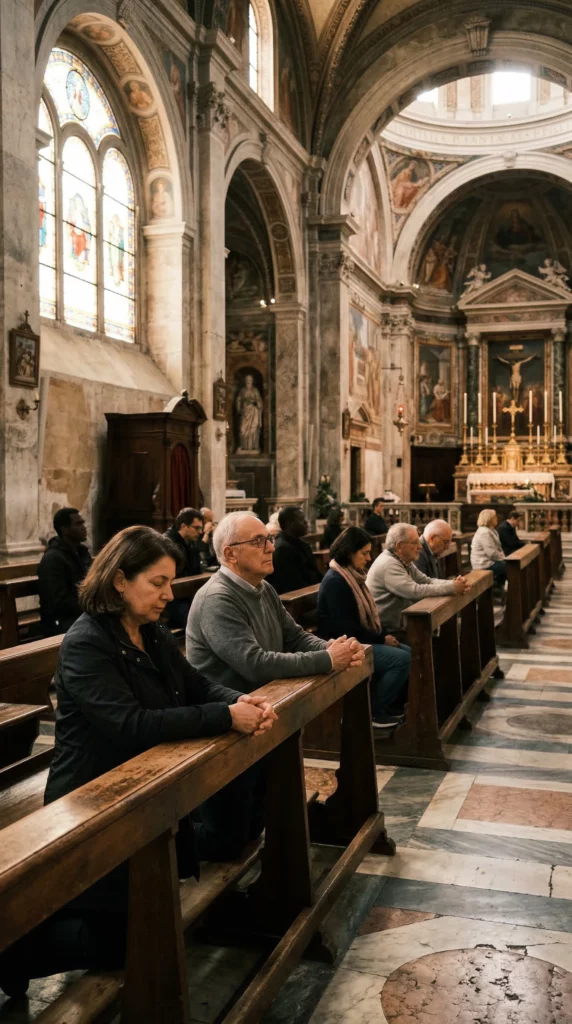
A Different Kind of Pause
These churches don’t ask for your attention in the same way Rome’s major sites do.
There are no guided paths. No set direction. No expectation that you will move from one point to the next.
People sit quietly.
Some for a few minutes. Some for longer.
You don’t always know who is visiting and who belongs there. It doesn’t really matter.
The space isn’t organised around observation.
It’s organised around presence.
And for a short time, you become part of that.
Beneath the Surface
In some places, what you see is only part of the story.
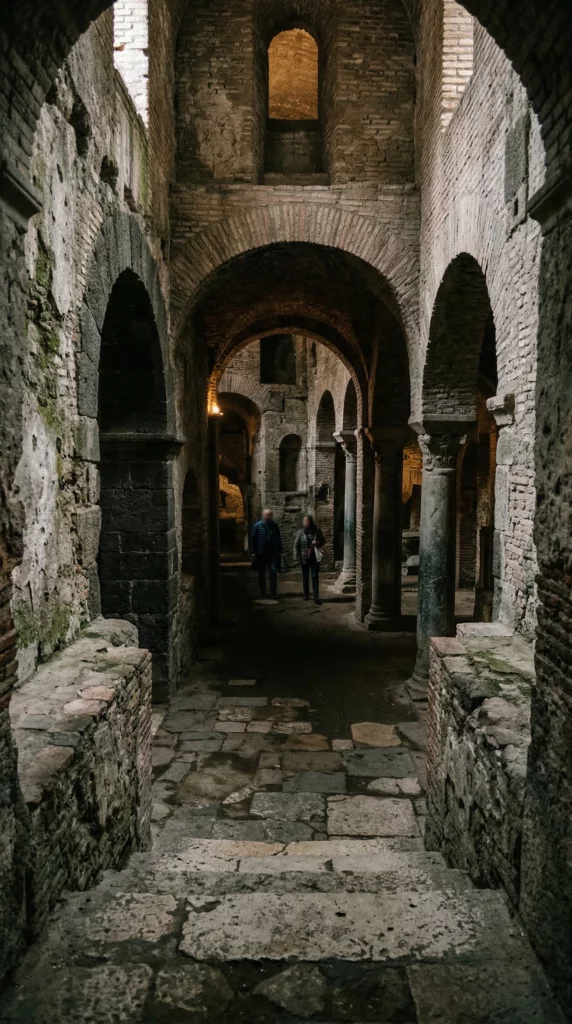
At Basilica di San Clemente, the structure itself reveals something about Rome that isn’t immediately obvious. What appears to be a single church contains multiple layers beneath it — earlier buildings, earlier histories, still accessible if you choose to go looking.
It’s a reminder that Rome isn’t just built outward.
It’s built over itself.
And that same idea appears, in smaller ways, across many of the churches you pass without noticing.
Why These Places Stay With You
You’re unlikely to remember every church you enter.
But you will remember the feeling.
The shift from noise to quiet. From movement to stillness. From expectation to discovery.
These places stay with you not because they are the most famous, but because they interrupt the rhythm of the city.
They create contrast.
And in a place like Rome, that contrast is what makes everything else clearer.
Try One Door
You don’t need a list.
You don’t need a plan.
The next time you’re walking through Rome and pass an open church door, stop.
Step inside.
Stay for a few minutes.
Then step back out again.
Some places in Rome don’t need to be found.
They’re already there.
TLDR
Many of Rome’s most memorable experiences aren’t found at its major landmarks, but inside the churches you might otherwise walk past. These quiet spaces offer a shift in pace, light, and atmosphere, often containing significant art and history without crowds. Stepping inside even briefly reveals a different side of the city — one that rewards slowing down rather than moving on.
FAQ
Are Rome’s churches free to enter?
Most churches in Rome are free to enter, although some may request small donations or charge for access to specific areas.
Do you need to dress a certain way to enter churches in Rome?
Yes. Modest dress is expected. Shoulders and knees should generally be covered when entering churches.
Are these churches less crowded than major attractions?
In many cases, yes. Smaller churches often have far fewer visitors, even when they contain significant artworks or historical features.
How do you find hidden churches in Rome?
Often by chance. Many are located along everyday streets in the historic centre. If a door is open, you can usually step inside.
Are there specific churches worth looking for?
Yes, but part of the experience is discovering them yourself. Some, like San Luigi dei Francesi or Santa Maria della Vittoria, are well known for specific artworks, while others are memorable simply for their atmosphere.
Explore Further
|
Easter in Rome |