How to Understand a City Through Its Food Culture
Seeing Beyond the Surface of What’s on the Plate
Food Is Cultural Language — Not Just Experience
Most travellers approach food as experience.
A dish to try.
A recommendation to tick off.
A restaurant to photograph.
But food is rarely just food.
It is geography made visible.
History made edible.
Faith expressed through routine.
Migration carried quietly across generations.
If you want to understand a city, don’t begin with its skyline.
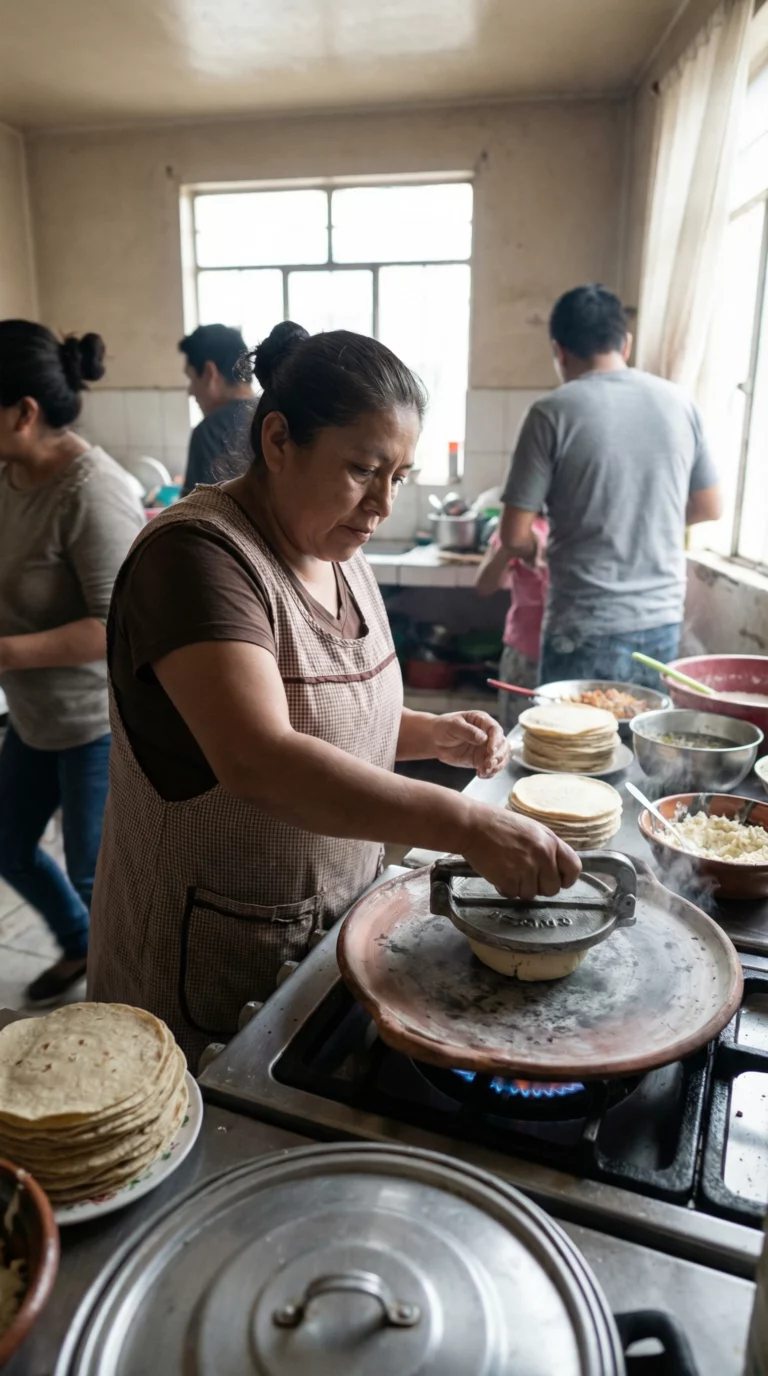
Begin with what people eat on an ordinary Tuesday.
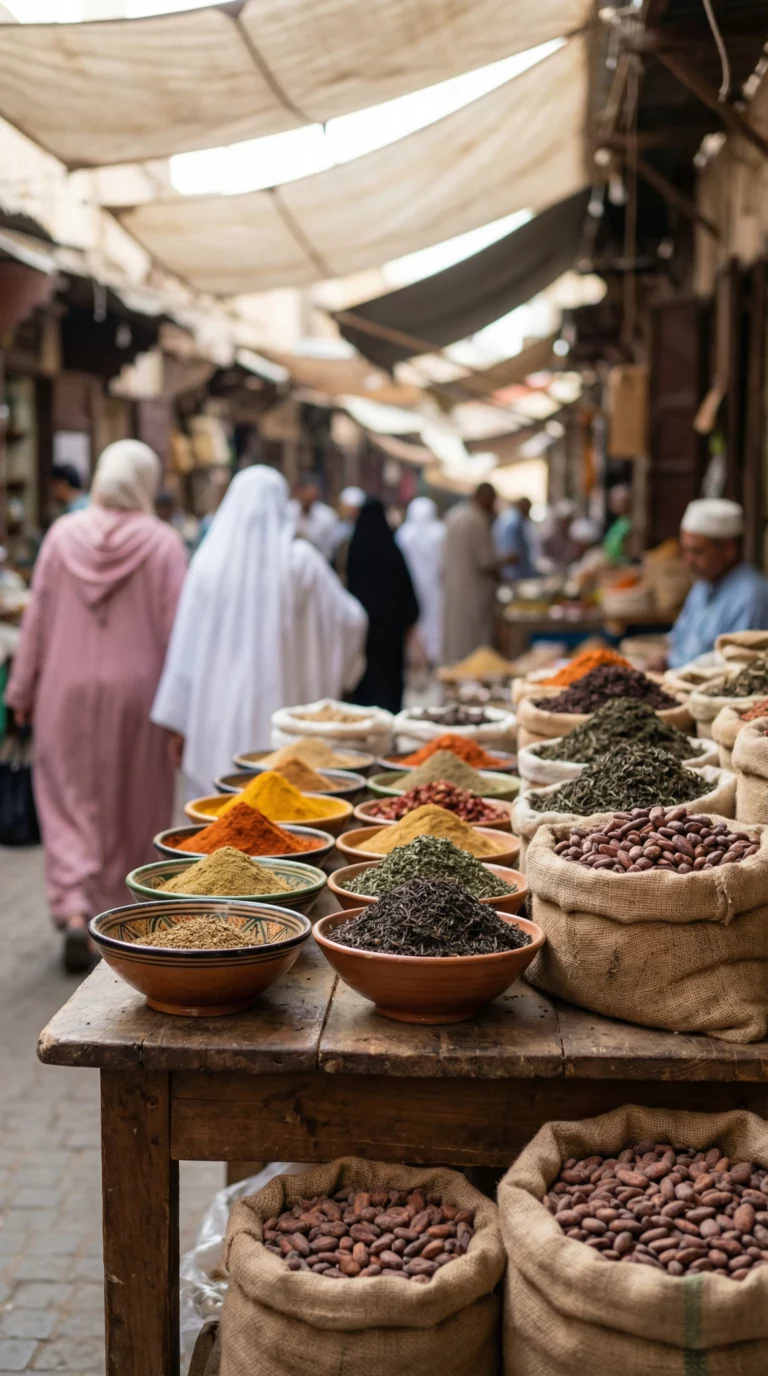
Markets open before monuments. Bakeries fill before museums. Street stalls prepare breakfast long before guided tours assemble.
Food reveals what is daily rather than what is displayed.
To read a city through its food is to move from novelty to structure.
Below are five lenses that help you see beyond the plate.
The 5 Layers That Shape Food Culture
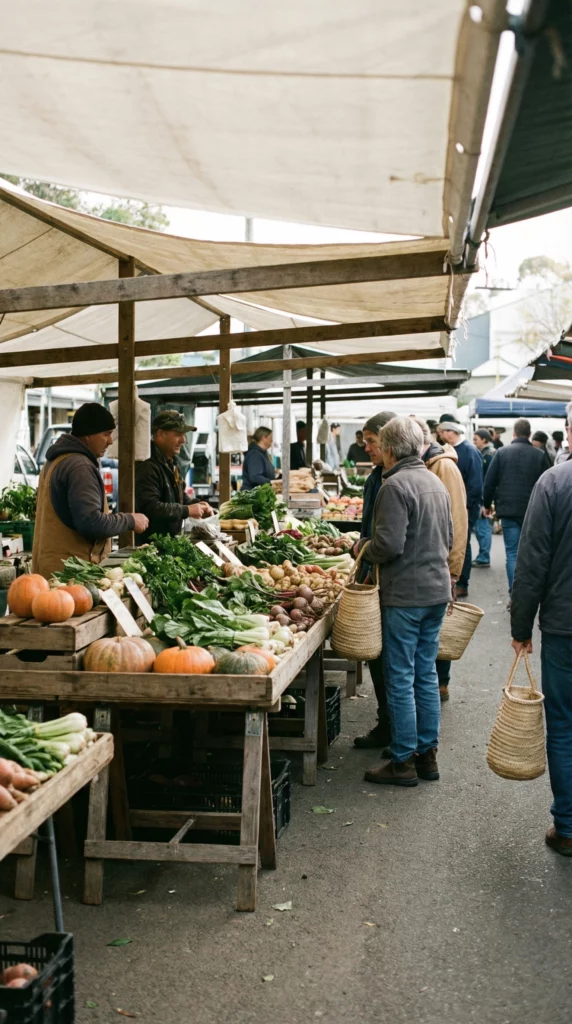
1. Geography on the Plate
What the Land Allows
Before politics, before religion — there is landscape.
Every cuisine begins with what grows, what survives, and what must be preserved.
Coastal cities lean toward the sea out of proximity, not trend. Inland regions build traditions around grains and livestock. Mountain communities rely on preservation. Tropical climates favour freshness and spice; arid regions favour drying and slow cooking.
When you sit down to eat, you are often tasting climate first.
Ask yourself:
- Is the food herb-driven and bright?
- Heavy and warming?
- Built around rice, wheat, corn, or root vegetables?
These are environmental decisions before they are cultural ones.
Geography sets the boundaries. Culture evolves within them.
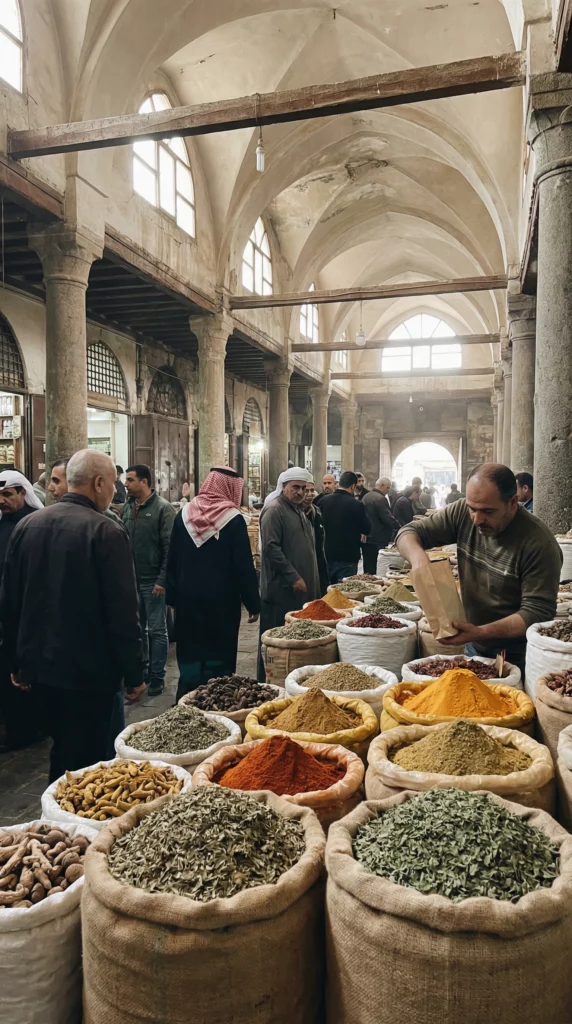
2. Trade Routes & Migration
What Movement Added
Few cities eat only what grows nearby.
Ports import influence as much as goods. Empires leave culinary traces long after political control fades. Migrant communities carry recipes that outlive borders.
Spice blends often map historic trade routes.
Pastry techniques can reveal colonial administration.
Noodle dishes may trace labour migration.
Influence is rarely one-directional.
Imported ingredients become local through adaptation. Techniques soften. Flavours merge.
This is where cuisine and history intersect most visibly.
Ask:
- What ingredients arrived by ship?
- What techniques arrived by force?
- What dishes were born from necessity?
Food remembers movement — even when cities forget.
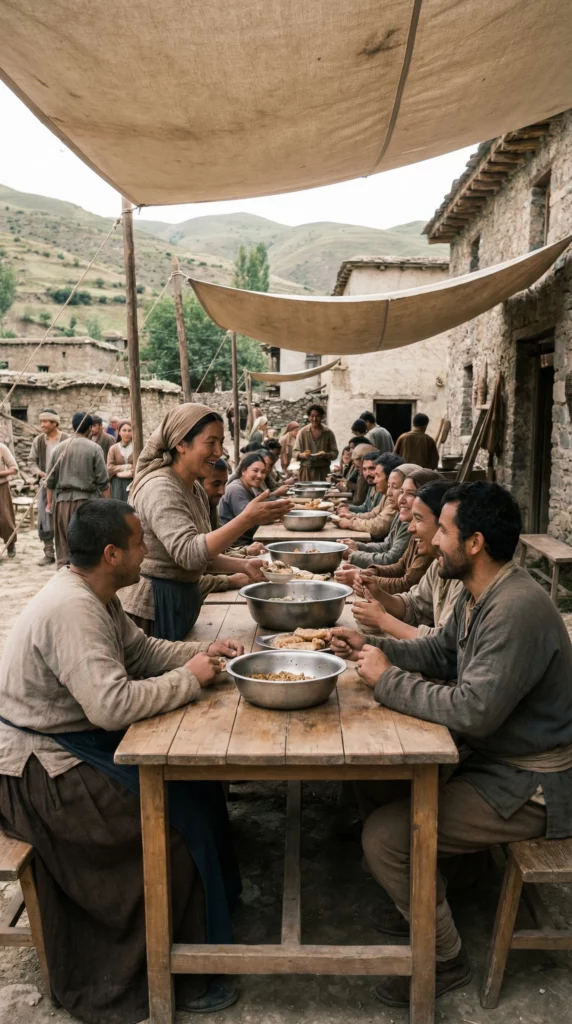
3. Faith & Ritual
What Belief Regulates
Food is shaped not only by availability, but by belief.
Religious traditions influence what is eaten, when it is eaten, and how it is shared. Some dishes appear only during festivals. Others disappear during fasting seasons.
Markets shift during holy months. Bakeries change offerings. Dining hours adjust around prayer.
Even if you do not share the faith, you can observe its influence.
- Do menus shift seasonally?
- Are dietary laws visible in signage?
- Is hospitality framed as moral duty?
Food is often where belief becomes visible.
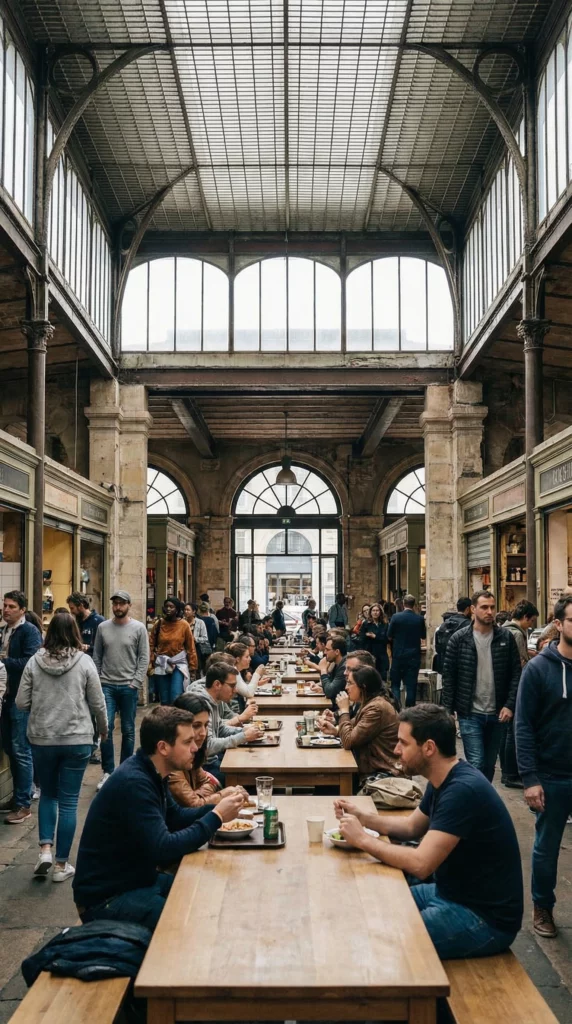
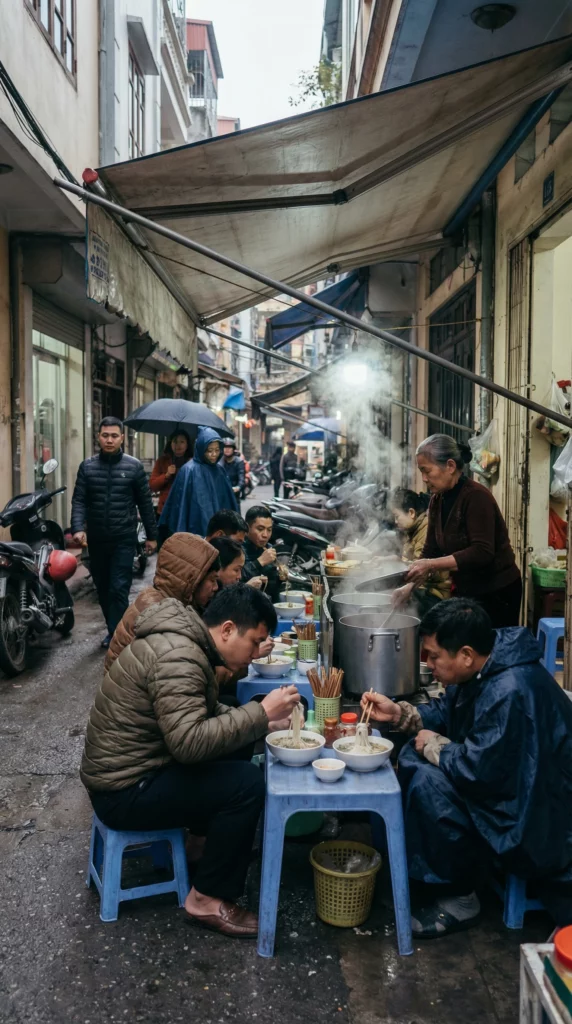
4. Architecture & Dining Spaces
Where Meals Shape Behaviour
Where food is eaten shapes how it is eaten.
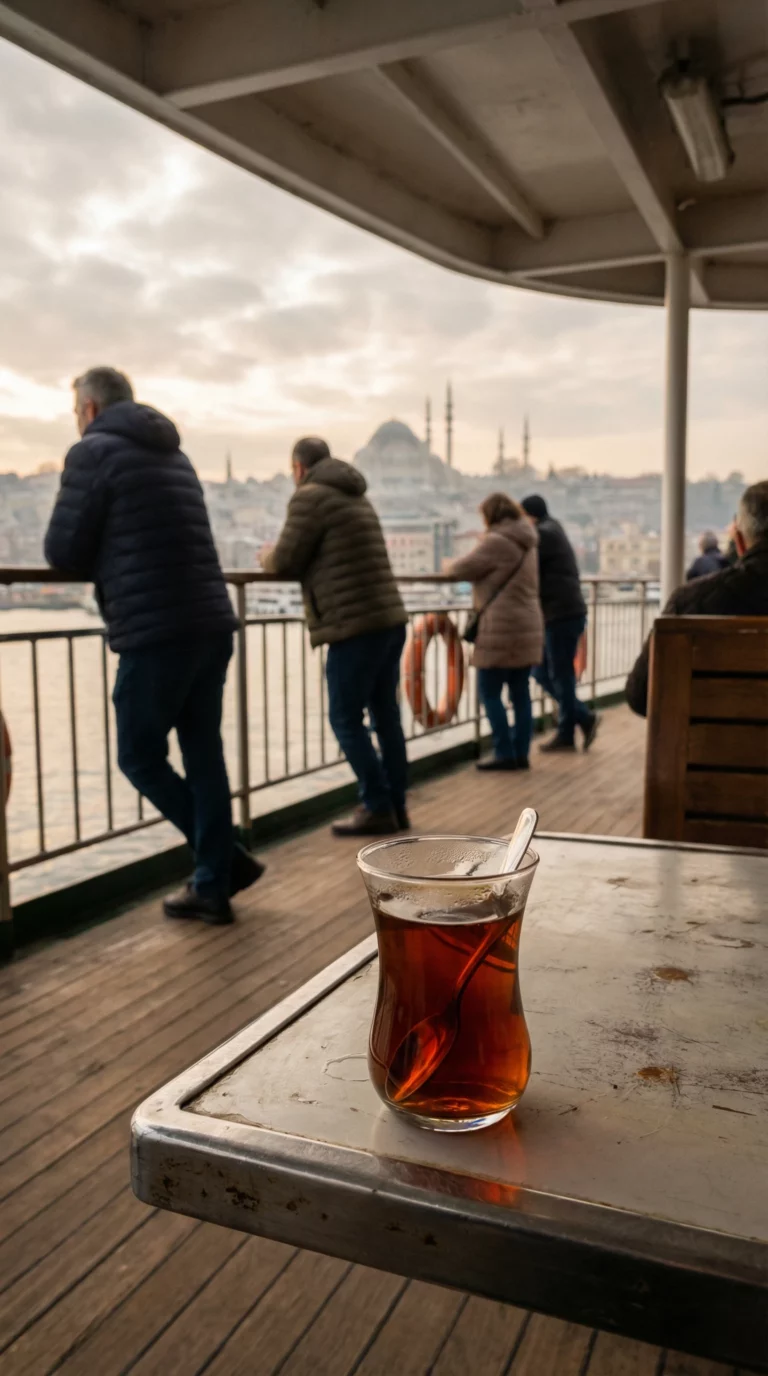
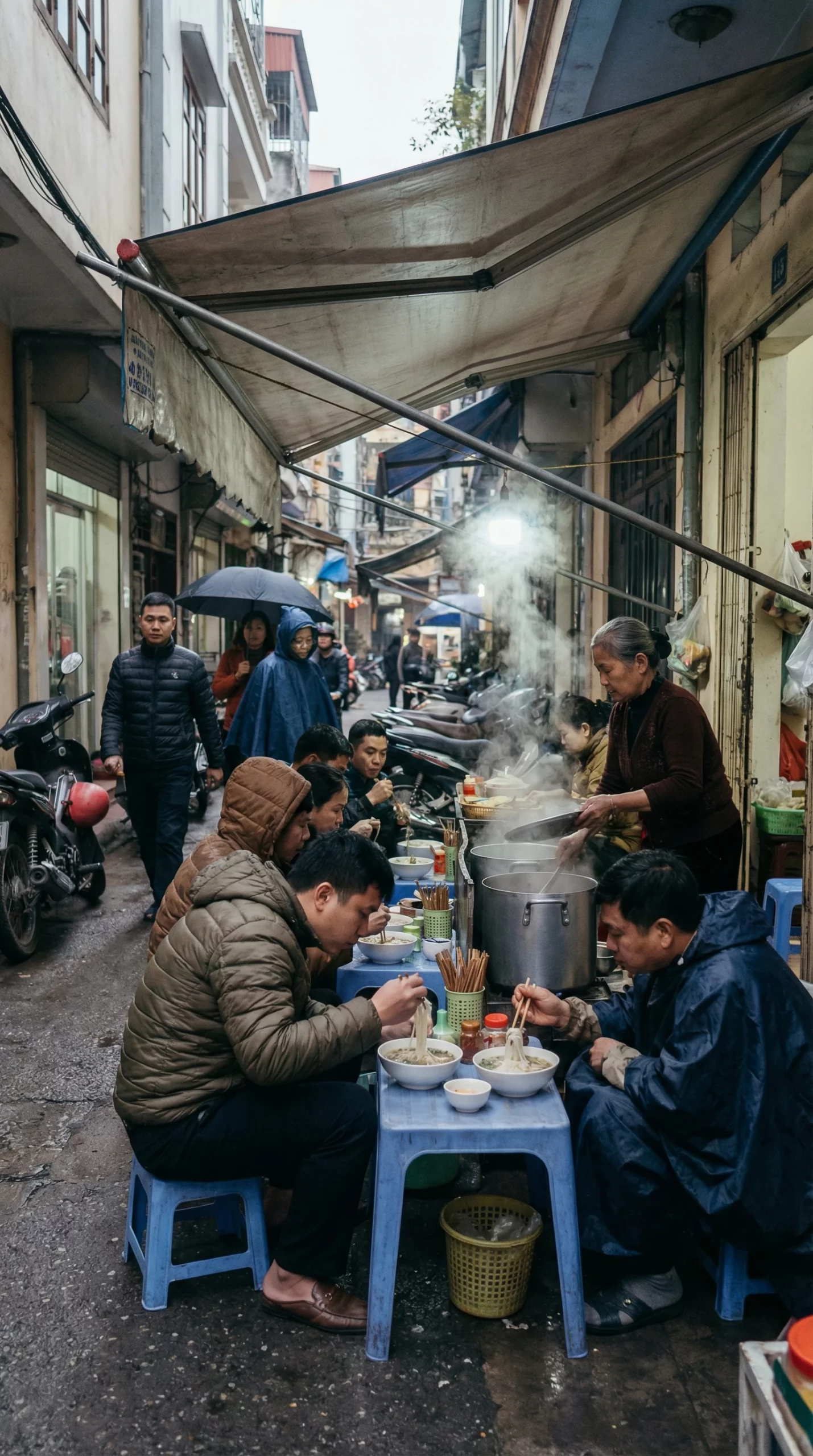
Grand market halls suggest civic pride. Alleyway stalls suggest immediacy. Courtyard dining reflects climate. Tea houses reveal traditions of pause.
Notice:
- Seating arrangement
- Ceiling height
- Proximity to the street
- Communal vs individual tables
Is dining public and outward-facing?
Or intimate and inward?
The structure of the room often mirrors the structure of society.
5. Everyday Rhythms
When and How People Gather
Beyond ingredients and buildings lies timing.
When do people eat?
How long do they stay?
Who eats together?
In some regions, dinner lingers late into the night. In others, breakfast drives street life. In some cultures, coffee is ritual; in others, tea anchors daily pause.
Observe pace.
Do locals linger?
Is food social or transactional?
Does it centre the day — or fit around it?
Rhythm reveals culture as clearly as architecture.
How to Apply This Framework While Travelling
You do not need expertise to read a city through its food.
- Visit one local market early in your stay.
- Walk before purchasing. Notice repetition.
- Sit somewhere modest and observe for fifteen minutes.
- Ask one quiet question about origin or tradition.
Approach food as structure, not spectacle.
For a deeper look at markets specifically, see our guide to markets as cultural microcosms.
Conclusion: Reading the Layers
Food is not a detour from culture.
It is culture — condensed into daily ritual.
When you observe geography, trade, faith, architecture, and rhythm within what is served, destinations shift.
You stop collecting dishes.
You start recognising systems.
And sometimes, understanding begins with something as ordinary as lunch.
TLDR
To understand a city through food, observe five layers:
- Geography — What grows here?
- Trade & Migration — Who passed through?
- Faith — What regulates eating?
- Architecture — Where are meals shared?
- Rhythm — When and how do people gather?
Food is cultural language. Learn to read it.
FAQ
Why is food important for understanding culture?
Because it reflects geography, trade history, faith traditions, migration, and daily rhythm — often more clearly than monuments.
Is street food more authentic than restaurants?
Not necessarily. Each reflects different social structures and histories.
How does colonial history shape cuisine?
Colonial periods introduced ingredients, techniques, and dining structures that often remain embedded in modern food culture.
What should I notice first in a new city’s food scene?
Repetition. Recurring ingredients and techniques usually reveal foundational cultural layers.