How Colonial History Shaped Modern Cuisine
Empire, Exchange, and the Food We Now Call “Traditional”
Introduction: Familiar, But Not Origin
There are dishes we call traditional without hesitation.
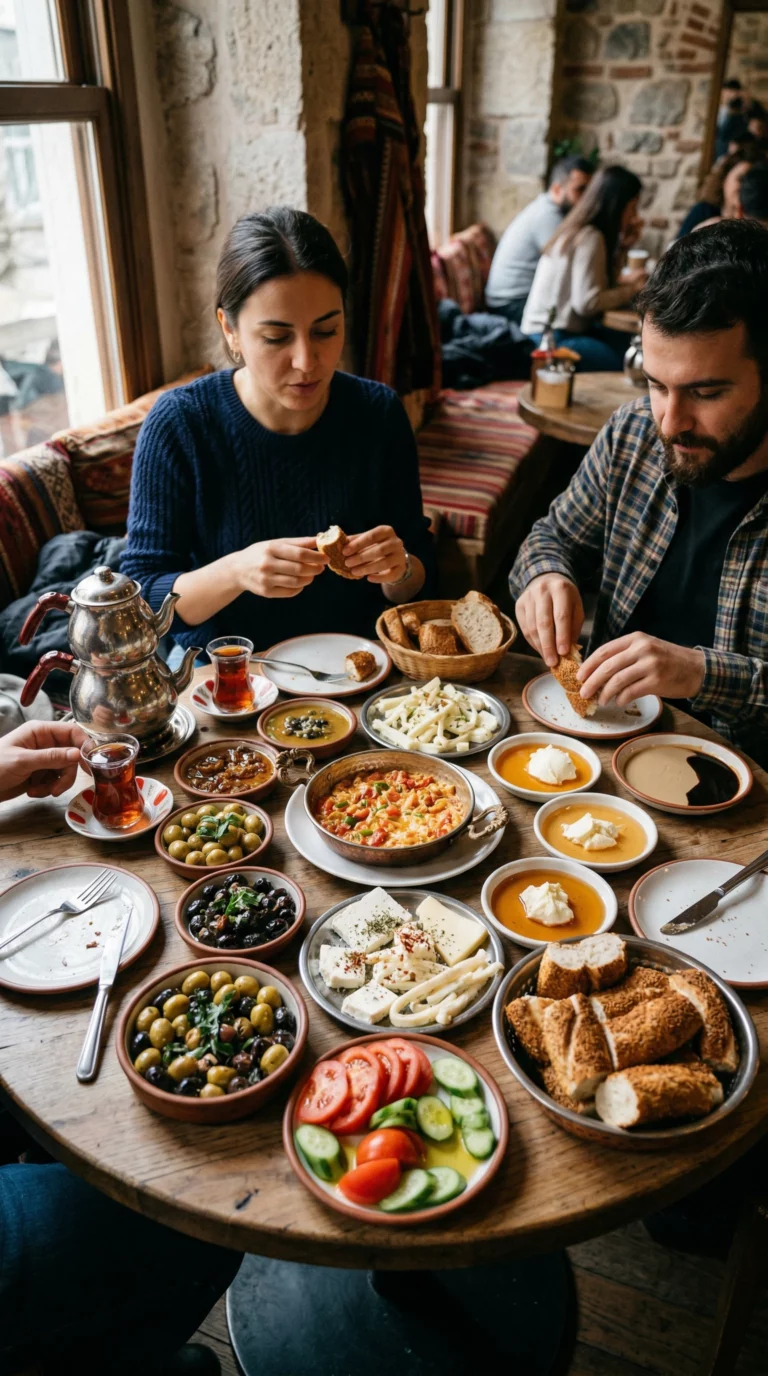
Tea served daily in countries where it does not grow.
Pastries shaped by European technique in tropical climates.
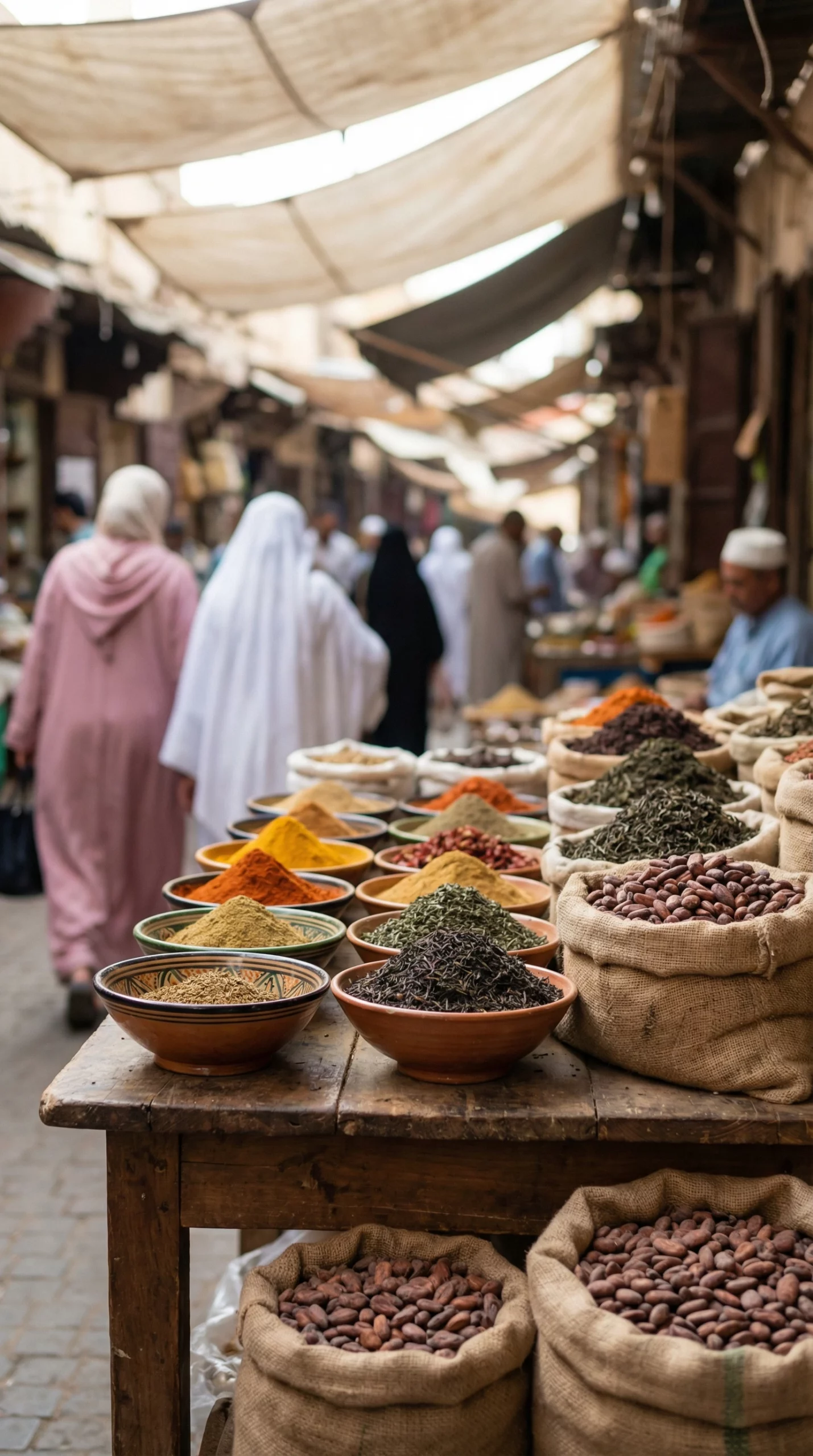
Spice blends that travelled thousands of kilometres before becoming ordinary.
Colonial history does not always sit visibly in architecture or monuments.
Sometimes, it sits quietly on the plate.
Understanding how colonial history shaped modern cuisine requires looking beyond nostalgia and beyond accusation. It asks us to recognise that food — like language — absorbs power, adapts under pressure, and survives through change.
Many of the dishes now considered local were once imported, imposed, adapted, or negotiated.
And over time, they became home.
1. Empire and Ingredient Movement
Colonial expansion reshaped global agriculture.
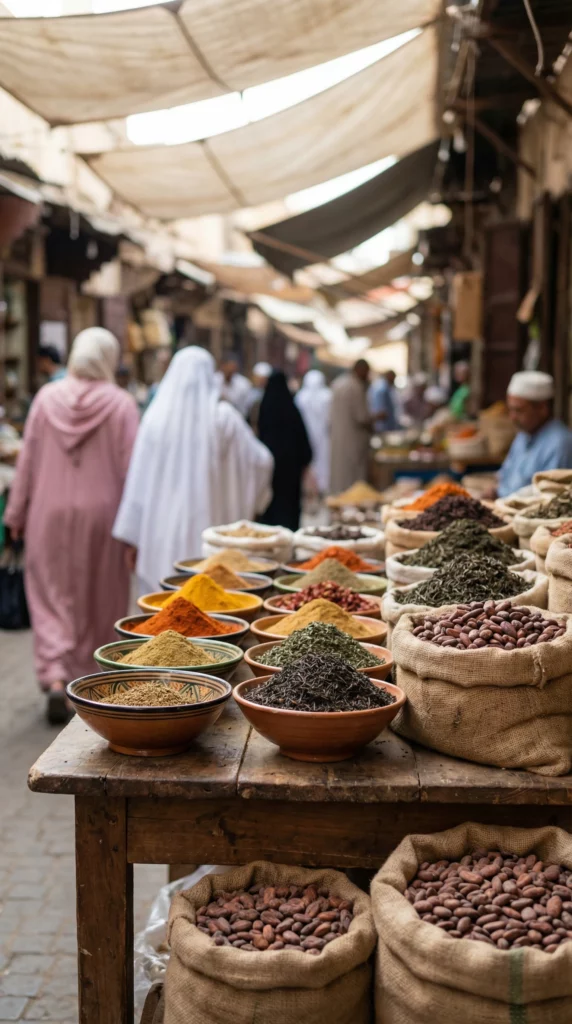
Spices moved across oceans. Sugar plantations replaced subsistence farming. New crops were introduced into unfamiliar soils. Coffee, cocoa, potatoes, tomatoes — many travelled under imperial trade systems.
These movements were rarely neutral.
They were driven by profit, control, and extraction.
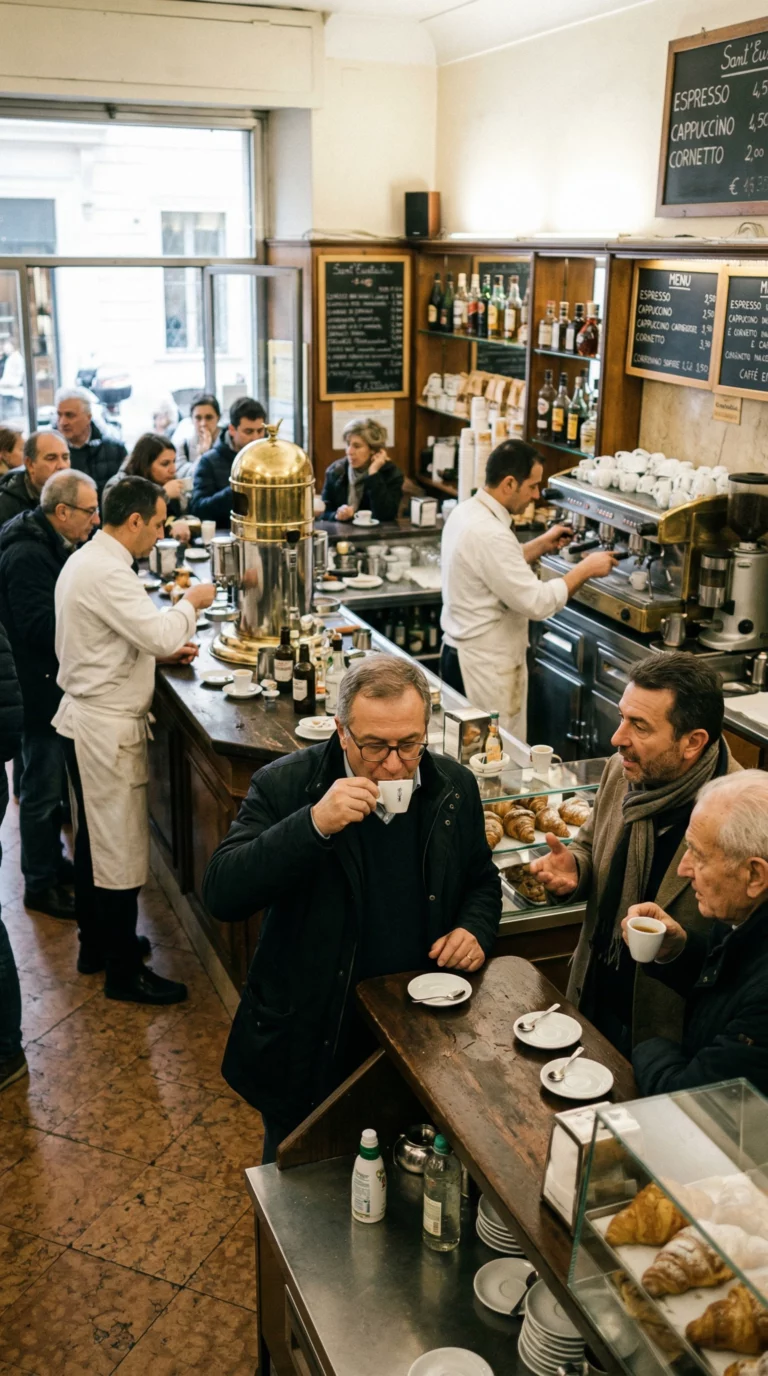
Yet over generations, imported ingredients embedded themselves into daily life. Tomatoes, once foreign to Europe, now anchor Italian cuisine. Chillies, native to the Americas, transformed South and Southeast Asian food traditions.
What began as imperial trade became culinary identity.
Food remembers movement — even when political borders shift.
2. Labour, Agriculture, and Structure
Cuisine is shaped not only by ingredients, but by labour systems.
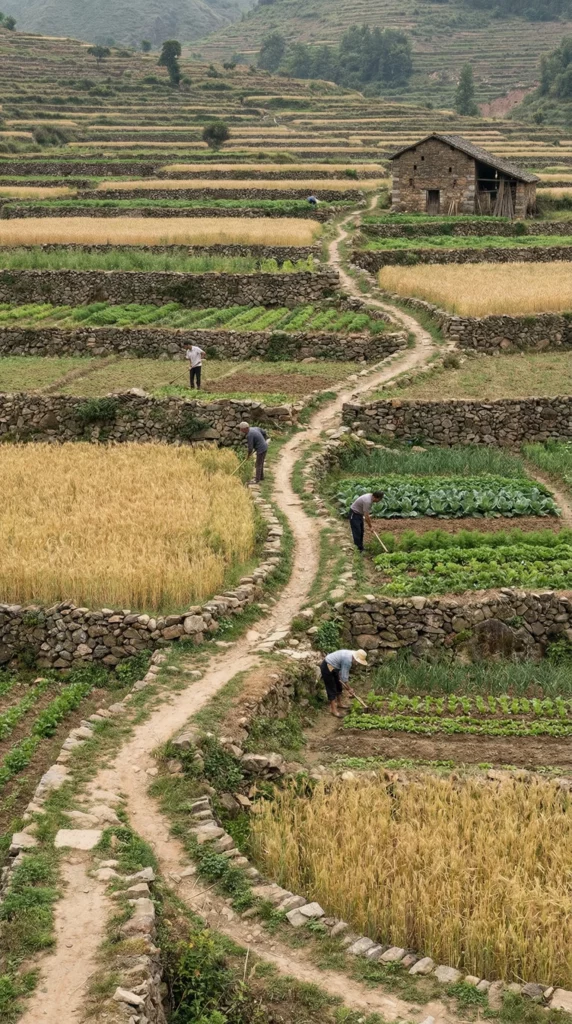
Plantations, forced migration, indentured labour, and agricultural restructuring altered how food was produced and who produced it.
Entire food systems were reorganised around export crops. Local diets shifted according to what was profitable rather than what was traditional.
Yet within those constraints, adaptation occurred.
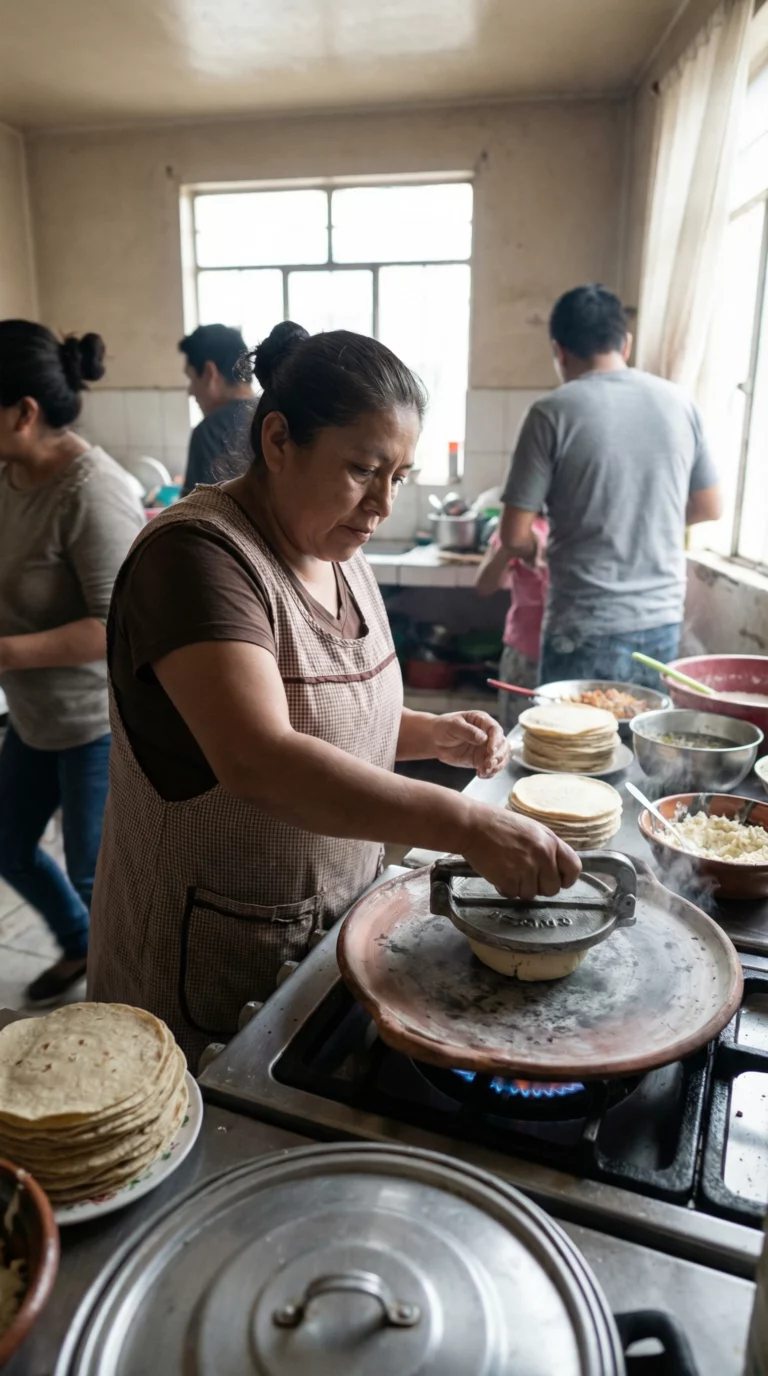
Communities preserved cooking methods even when ingredients changed. New techniques emerged from necessity. Dishes evolved under pressure, but they did not disappear.
Food often becomes a site of quiet resilience.
3. Adaptation and Hybridisation
Colonial influence rarely resulted in pure replacement.
Instead, it created hybrid forms.
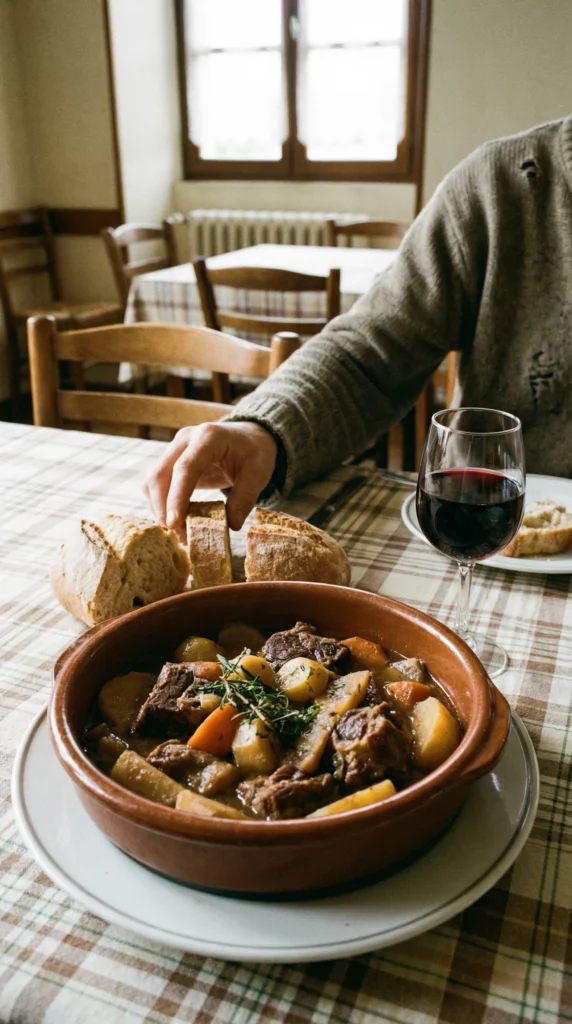
European baking techniques fused with local ingredients. Indigenous spices reshaped imported recipes. Colonial-era kitchens became spaces of blending rather than erasure.
In some cities, what is now called “traditional cuisine” is, in fact, layered — indigenous foundations, colonial overlays, migrant reinterpretations.
Over time, distinction blurs.
A dish no longer feels colonial. It feels local.
Authenticity becomes complicated.
Is authenticity defined by origin — or by continuity?

4. Dining Spaces and Social Hierarchy
Colonial history influenced not only ingredients, but dining structures.
Formal dining rooms reflected imported etiquette. Certain foods became associated with status. Others were relegated to informal street settings.
Table manners, courses, and service styles often mirrored colonial hierarchy.
Even today, some restaurants echo European service models in regions where communal eating was historically dominant.
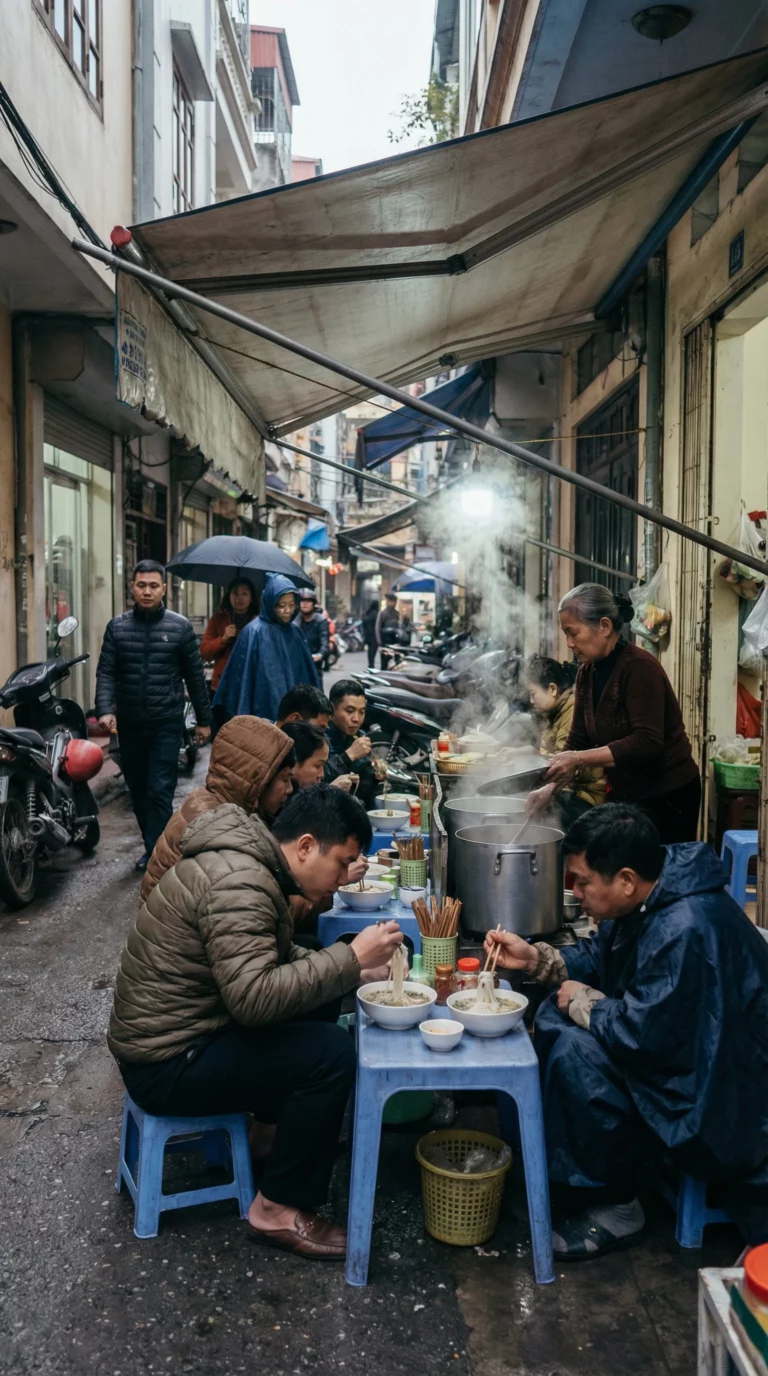
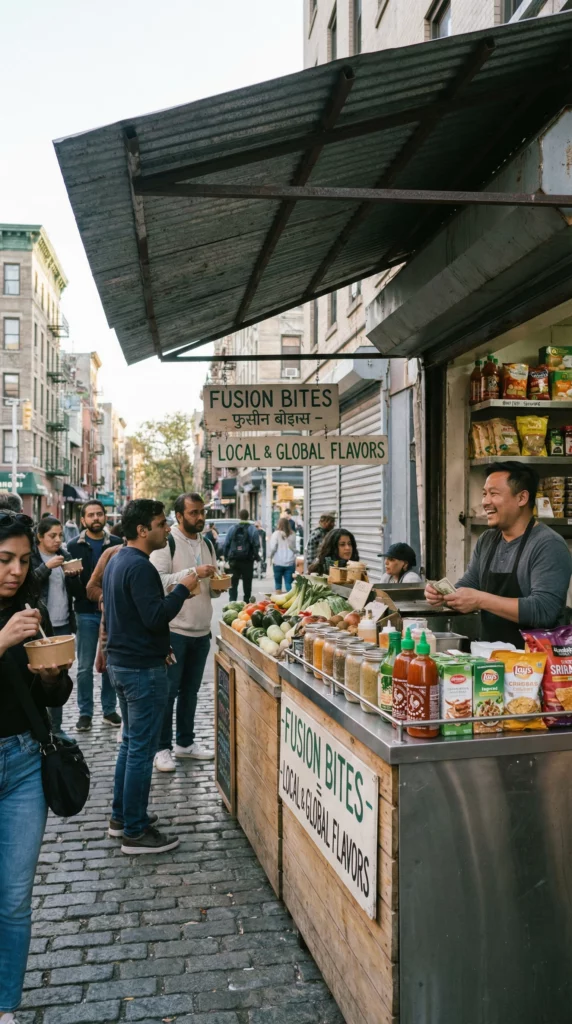
Meanwhile, street food cultures frequently preserve older patterns of gathering — informal, shared, less stratified.
Architecture, as in food, carries memory.
5. Rethinking “Authentic”
Travelers often search for “authentic food.”
But authenticity is rarely static.
If a dish arrived through colonial trade three hundred years ago and has been prepared locally ever since — is it foreign?
If techniques were introduced under empire but reshaped through generations of local hands — do they still belong to empire?
Cuisine evolves through encounter.
Colonial history shaped modern cuisine, but it did not freeze it in place. People adapted, modified, and claimed what endured.
What remains today is not pure empire, nor pure resistance.
It is layered inheritance.
Reflection: Eating With Awareness
I have found that understanding this history changes how I sit at a table.
A familiar dish becomes more complex. A spice blend carries more movement. A cup of tea reflects trade routes rather than simple habit.
This does not require guilt. Nor does it require nostalgia.
It requires awareness.
Food can be comfort and context simultaneously.
When we recognise how colonial history shaped modern cuisine, we stop romanticising tradition as fixed. We begin to see it as dynamic — shaped by power, resilience, adaptation, and time.
And that awareness deepens travel in quiet ways.
TLDR
Colonial history shaped modern cuisine through:
- Movement of ingredients across empires
- Restructuring of agricultural and labour systems
- Hybridisation of cooking techniques
- Imported dining structures and social hierarchy
- Redefinition of what “authentic” means
Modern food traditions are layered — shaped by power and preserved through adaptation.
FAQ
How did colonial history influence modern cuisine?
Colonial trade moved ingredients globally, reshaped agricultural systems, introduced new techniques, and altered dining structures. Over time, these influences blended into local traditions.
Are traditional dishes always indigenous?
Not necessarily. Many “traditional” dishes incorporate ingredients or techniques introduced through trade or colonial exchange.
Does colonial influence mean food is inauthentic?
No. Authenticity evolves. Dishes shaped through generations of adaptation often become fully integrated into local identity.
Why is it important to understand colonial influence in food?
It provides context. Food reflects historical power structures, migration, resilience, and cultural exchange.
Can cuisine preserve identity despite colonial influence?
Yes. Communities adapt external influences while preserving core methods, flavours, and social practices.