Roman Street Food Traditions: Eating Between Meals
Movement, Simplicity, and the Spaces Between
Introduction: Between Structure and Movement
Rome is a city of structure.
Meals are defined. Lunch holds weight. Dinner unfolds slowly. Coffee is brief and precise.
But between those moments, there is movement.
Street food in Rome exists in the spaces between meals — not as a replacement for them, but as support. A slice eaten standing. A fried snack between errands. A quick pastry with coffee before the day settles into its rhythm.
The first time I noticed this, it shifted how I understood the city.
Rome does not abandon structure for convenience.
It absorbs convenience into structure.
1. Food Between Meals
In many cities, street food dominates.
In Rome, it fills gaps.
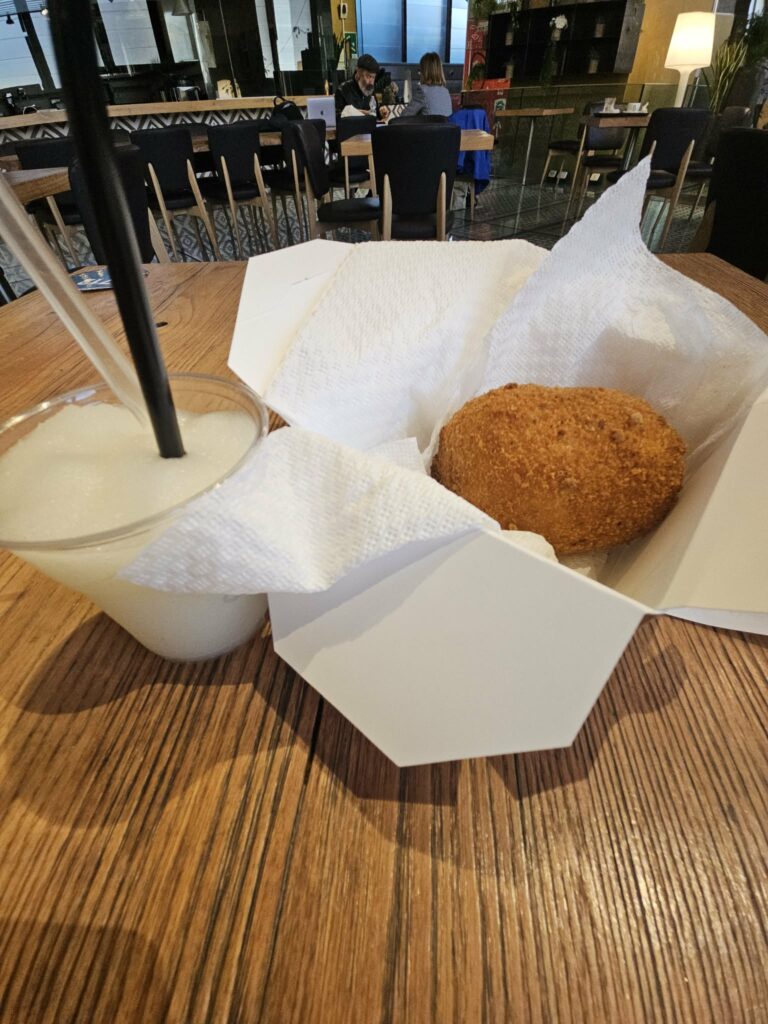
A slice of pizza al taglio eaten mid-morning. A supplì picked up in the afternoon. Something small before dinner begins later in the evening.
These are not full meals. They are pauses.
Roman street food does not compete with the table. It exists alongside it.
This distinction matters.
It reflects a culture where meals remain central — but flexibility is allowed between them.

2. Cucina Povera on the Street
Much of Rome’s street food shares the same roots as its most iconic dishes: cucina povera.
Simple ingredients. Practical preparation. Strong flavour without excess.
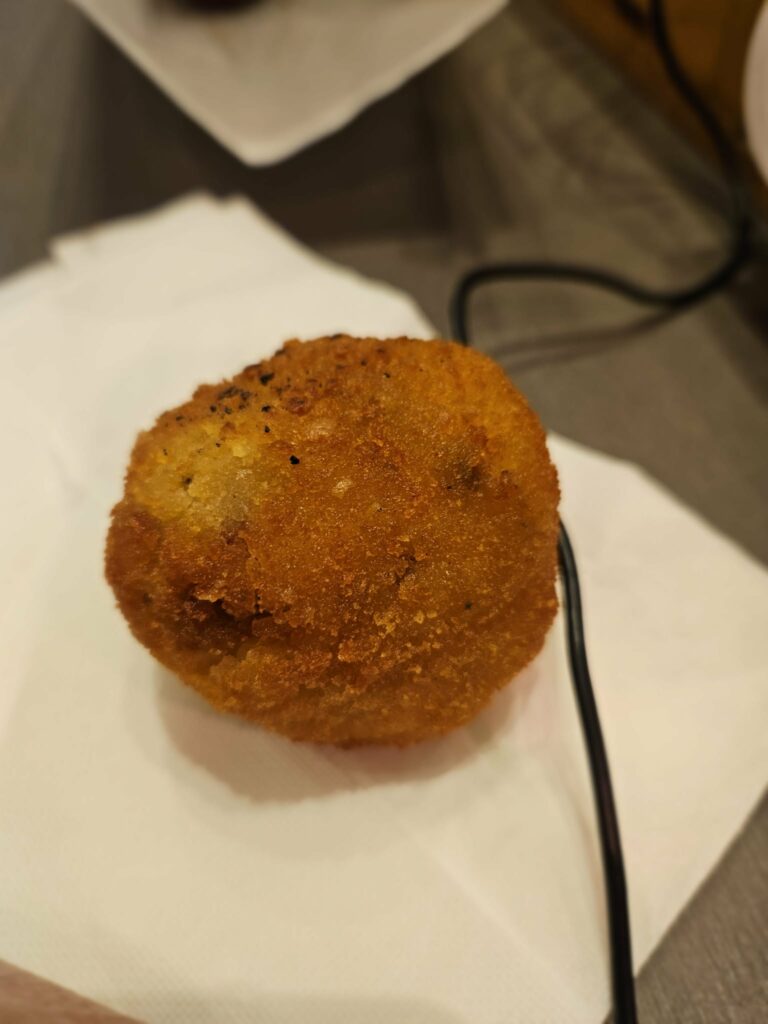
Supplì — fried rice filled with tomato and mozzarella — is direct and functional. Pizza al taglio is sold by weight, cut to size, eaten without ceremony.
These foods were not designed for display. They were designed for sustenance.
Even now, they carry that identity.
Street food in Rome is not a departure from tradition. It is an extension of it.
(For a broader look at how Roman cuisine developed from these foundations, see our exploration of Rome food culture.)

3. Standing, Not Sitting
How food is eaten matters as much as what is eaten.
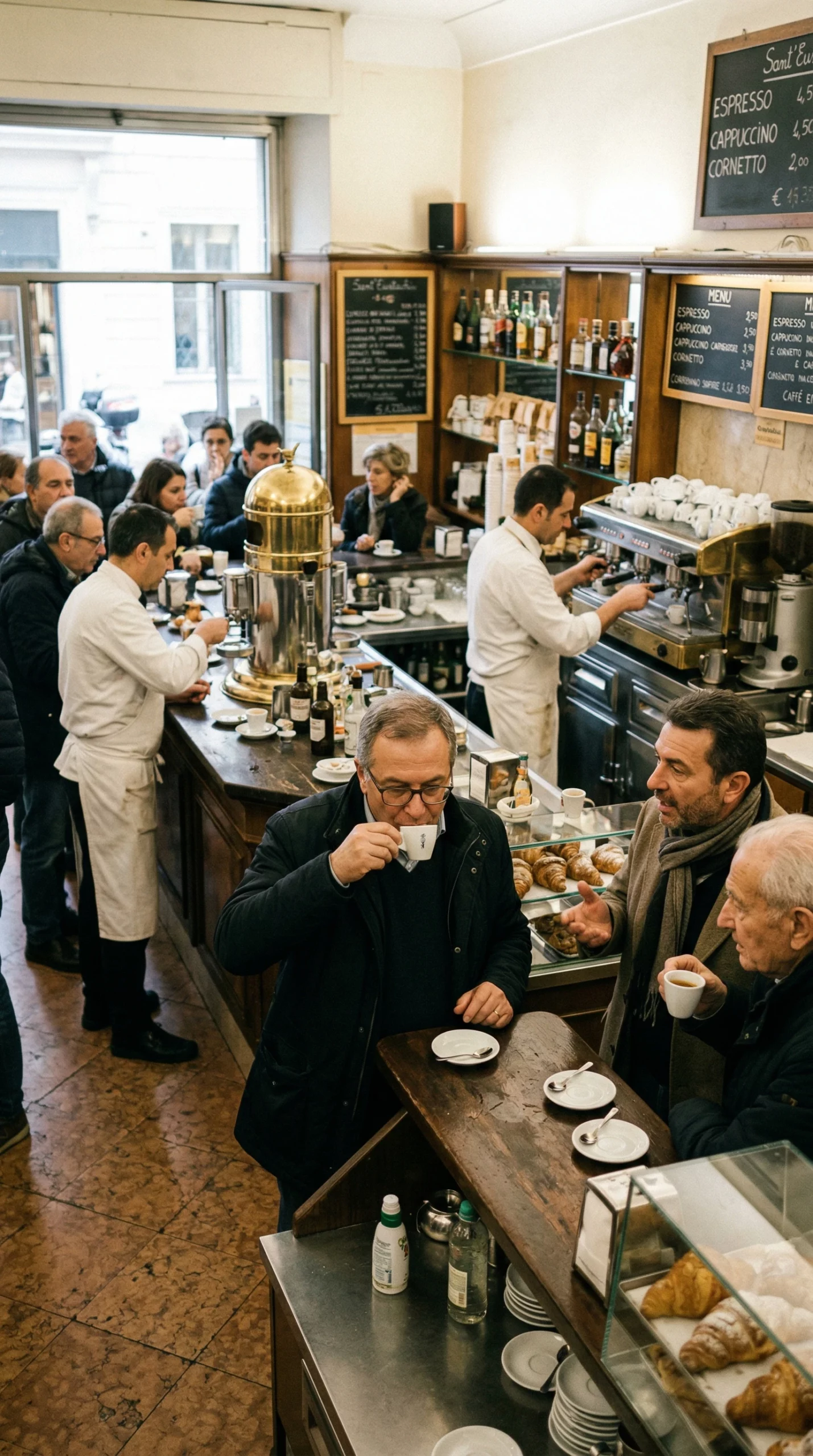
In Rome, street food is often consumed standing — at a counter, on a corner, leaning briefly before moving on.
There is little performance in this.
No staging, no pause for presentation. The transaction is quick. The eating is efficient.
Even coffee follows this pattern. Espresso is taken at the bar, finished in moments, and left behind as the day continues.
This rhythm reflects confidence.
Food does not need to demand attention to be meaningful.
4. Restraint Over Spectacle
Roman street food is defined by what it does not do.
It does not overload toppings.
It does not exaggerate size.
It does not attempt to reinvent itself for visibility.
A slice of pizza may carry only a few ingredients. A fried snack is simple in form. Flavours are clear, not layered for effect.
In a world where street food often becomes spectacle, Rome remains restrained.
This restraint is not limitation.
It is identity.

5. Small Moments of Sweetness
Sweetness in Rome is rarely excessive.
It appears in small moments.
A pastry taken with coffee in the morning. A biscuit at the counter. Something light rather than indulgent.
These are not centrepieces. They are accompaniments.
I found that even as someone drawn to sweeter things, Rome did not present them as separate experiences. They were integrated — part of rhythm rather than interruption.
Coffee anchors these moments.
Sweetness follows it, briefly.
Then the day continues.
Reflection: A Culture That Doesn’t Need to Perform
Street food in Rome does not try to impress.
It does not expand beyond its role. It does not compete with the table.
Instead, it supports the structure that already exists.
Meals remain central. Ritual remains intact.
Street food moves quietly around them.
Understanding this reveals something broader about Rome itself.
It is a city comfortable in its identity.
And that comfort extends, even, to something as simple as a slice of pizza eaten standing on the street.
TLDR
Roman street food reflects:
- Between Meals — food fills gaps rather than replaces meals
- Cucina Povera — simple, working-class foundations
- Standing Culture — quick, informal consumption
- Restraint — minimalism over spectacle
- Integrated Sweetness — pastries and coffee as small rituals
Street food in Rome supports daily structure — it does not redefine it.
FAQ
What is Roman street food?
Roman street food includes simple, quick foods like pizza al taglio, supplì, and pastries, typically eaten standing or on the move.
Is street food common in Rome?
Yes, but it functions between meals rather than replacing traditional dining.
What is pizza al taglio?
Pizza al taglio is Roman-style pizza sold by the slice and cut to size, often eaten casually and quickly.
What is supplì?
Supplì is a fried rice ball filled with tomato and mozzarella, rooted in Roman cucina povera traditions.
How does street food fit into Roman food culture?
It complements structured meals, reflecting daily rhythm, simplicity, and efficiency rather than spectacle.
Explore Further
|
Rome Markets |