Mexico City Food Culture: Memory, Resistance, and Daily Ritual
Indigenous Foundations Beneath Colonial Layers
Introduction: A City That Feeds Itself Constantly
In Mexico City, food does not wait for mealtimes.
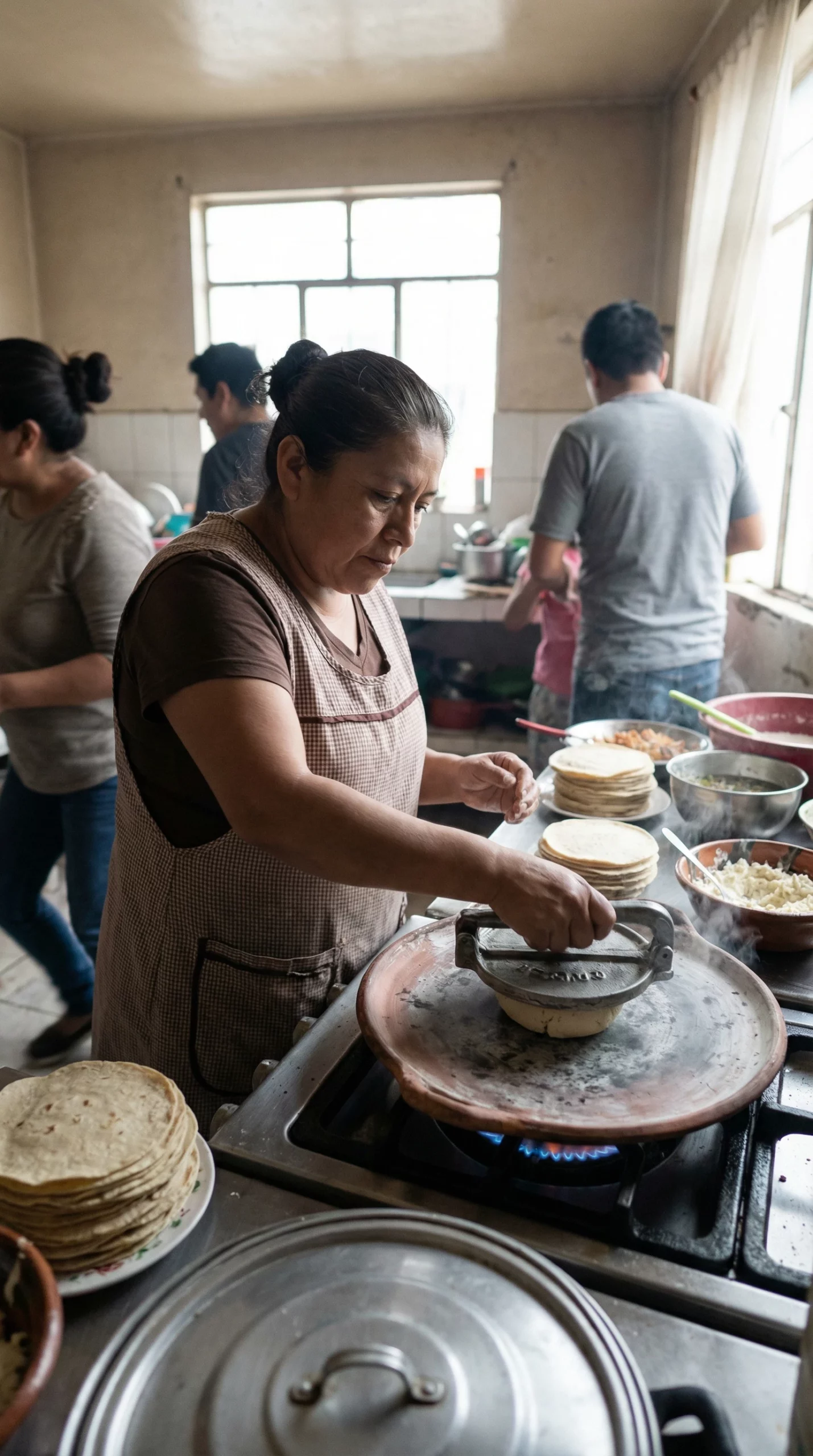
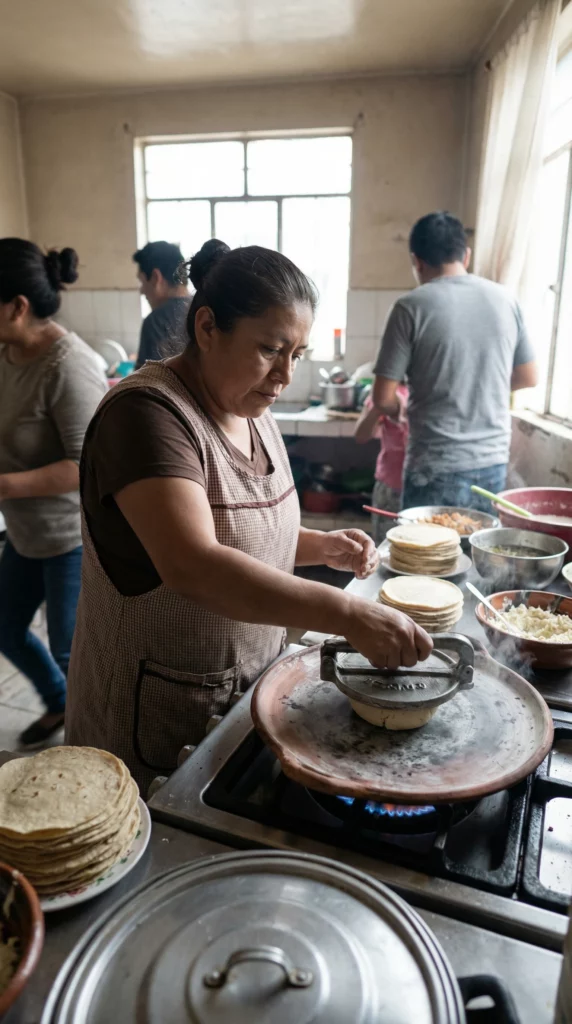
It moves through streets in waves of steam and sound — tortillas pressed by hand, metal lids lifted from pots, lime squeezed over something already balanced in paper.
The first thing I understood about Mexico City food culture was that it is not decorative.
It is structural.
Food here is not simply heritage. It is continuity — Indigenous foundations layered with colonial influence, migration, urban density, and daily resilience.
To understand Mexico City, you can walk its museums.
Or you can stand at a street stall and pay attention.
1. Indigenous Foundations: Maize as Structure
Before empire, before colonisation, before globalisation — there was maize.
Corn is not just an ingredient in Mexico City. It is infrastructure.
Tortillas, tamales, atole — daily foods rooted in Indigenous agricultural systems that predate colonial rule by centuries.
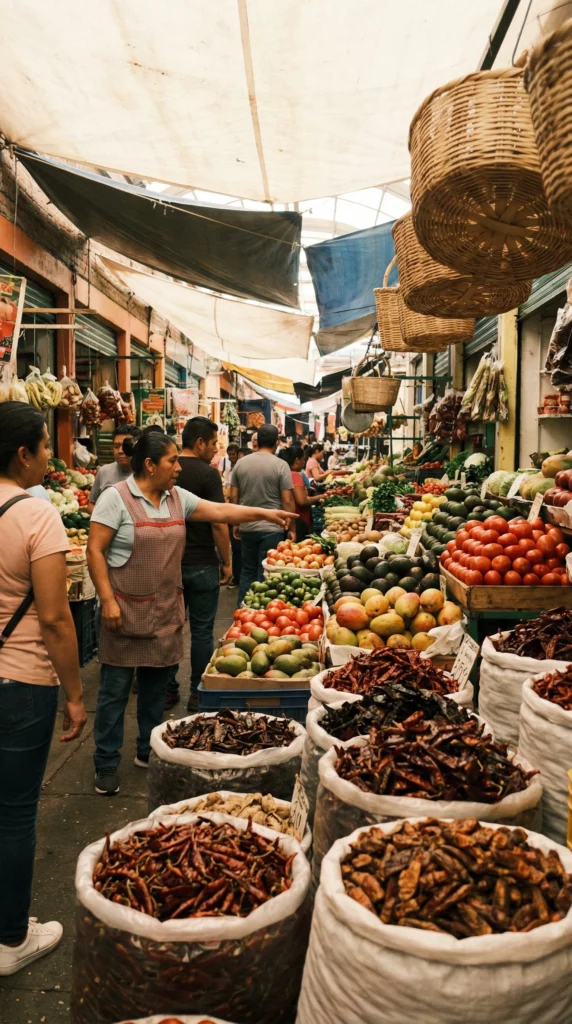
Even in a city of over twenty million people, that foundation remains visible. Tortillas are pressed fresh. Markets sell dried chiles in endless variety. Beans remain constant.
Mexico City food culture begins not with colonial architecture, but with Indigenous continuity.
Maize is memory.
2. Colonial Overlay: Spain and Adaptation
Colonial influence reshaped Mexican cuisine — introducing pork, beef, dairy, wheat, and new cooking techniques.
But unlike some colonial contexts where replacement dominated, in Mexico adaptation took precedence.
Indigenous techniques met European ingredients.
Cheese folded into tortillas. Pork cooked with native chiles. Wheat bread sold alongside corn-based foods.
Mexico City became a centre of this hybridisation.
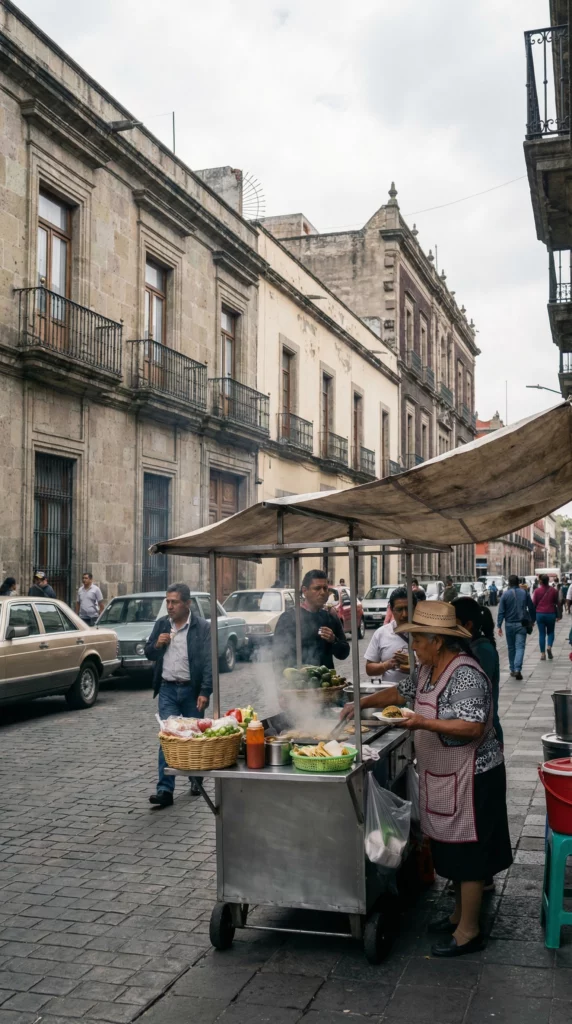
Colonial architecture frames the historic centre, but Indigenous food systems persist beneath it.
(Internal link later to colonial cuisine article.)
3. Faith and Feast
Catholic tradition layered onto Indigenous ritual calendars.
Certain dishes align with religious celebrations. Markets shift before feast days. Sweets cluster around holidays.
But faith in Mexico City’s food culture is not uniform. It reflects layering — pre-Hispanic traditions, Catholic ritual, modern secular rhythm.
Food accompanies celebration, protest, mourning, and routine.
Street vendors often position themselves near churches not out of symbolism, but because rhythm draws crowds.
Sacred and practical coexist.
4. Markets as Living Systems
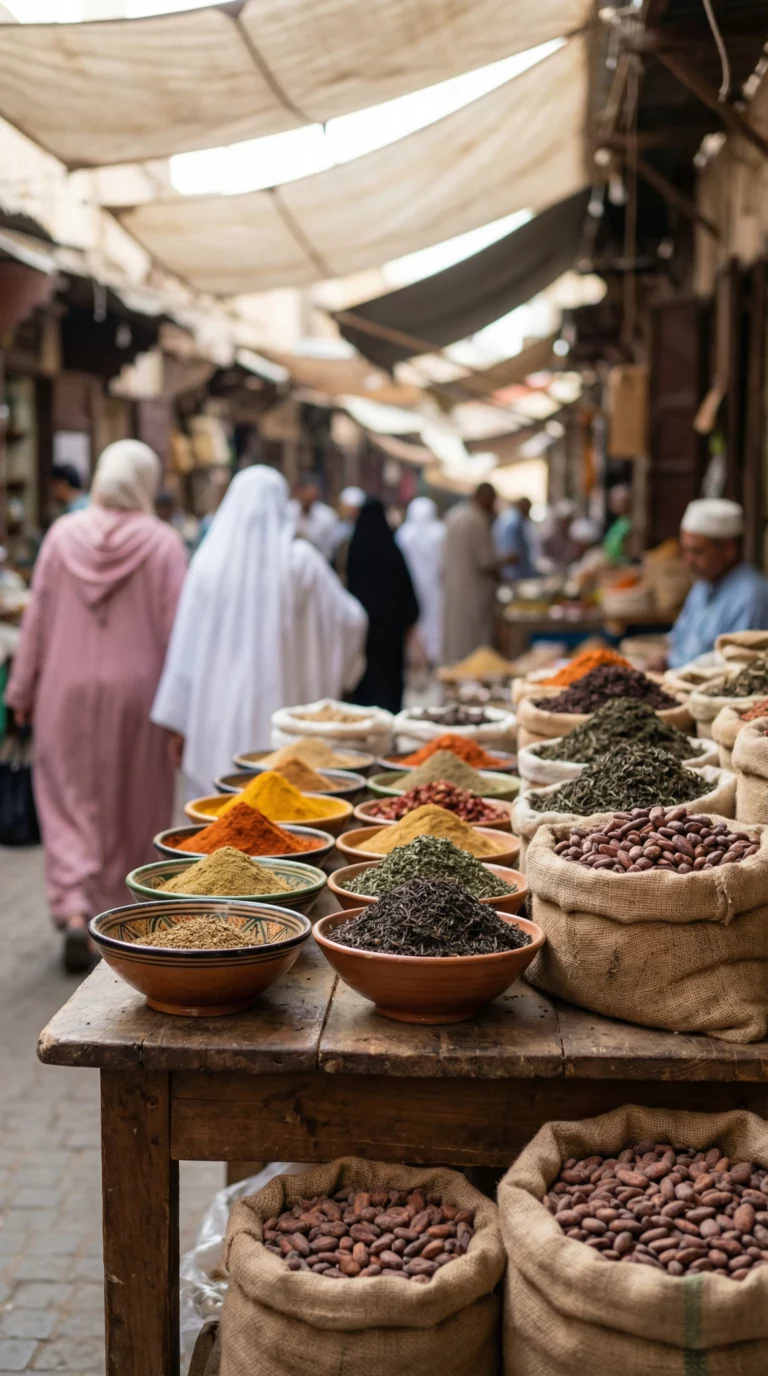
Markets in Mexico City — from La Merced to neighbourhood tianguis — are not curated experiences. They are supply chains.
Produce, dried goods, prepared foods, spices, household items — everything circulates through these systems.
Unlike boutique market halls elsewhere, many remain unapologetically functional.
Noise is constant. Negotiation is normal. Movement is dense.
Markets reveal economic structure, migration patterns, and urban survival.
They are not aesthetic first.
They are necessary.
(Internal link later to markets article.)
5. Street Food and Urban Rhythm
If Rome preserves, Mexico City moves.
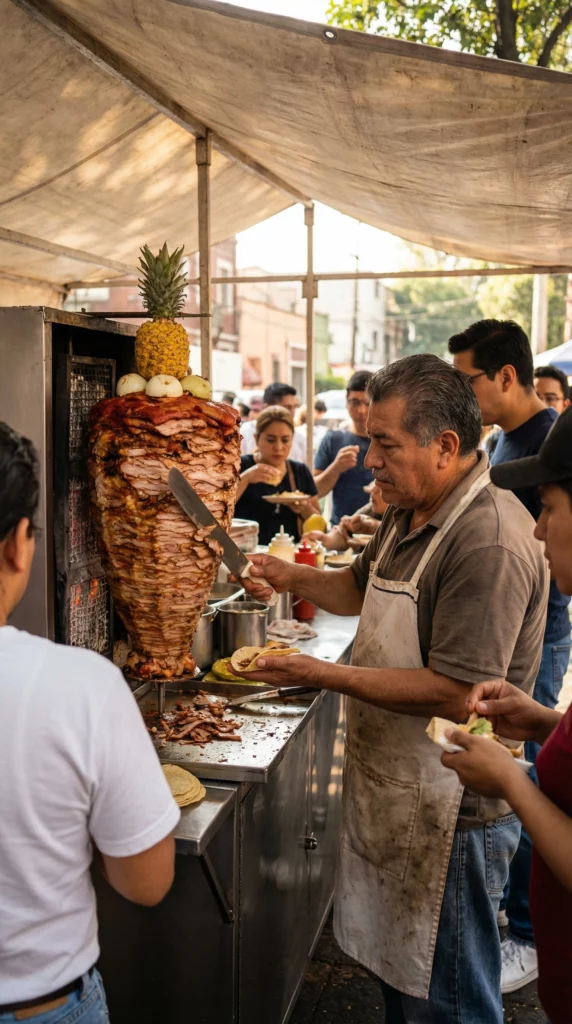
Tacos al pastor rotate on vertical spits — themselves adapted from Middle Eastern shawarma brought by Lebanese migrants.
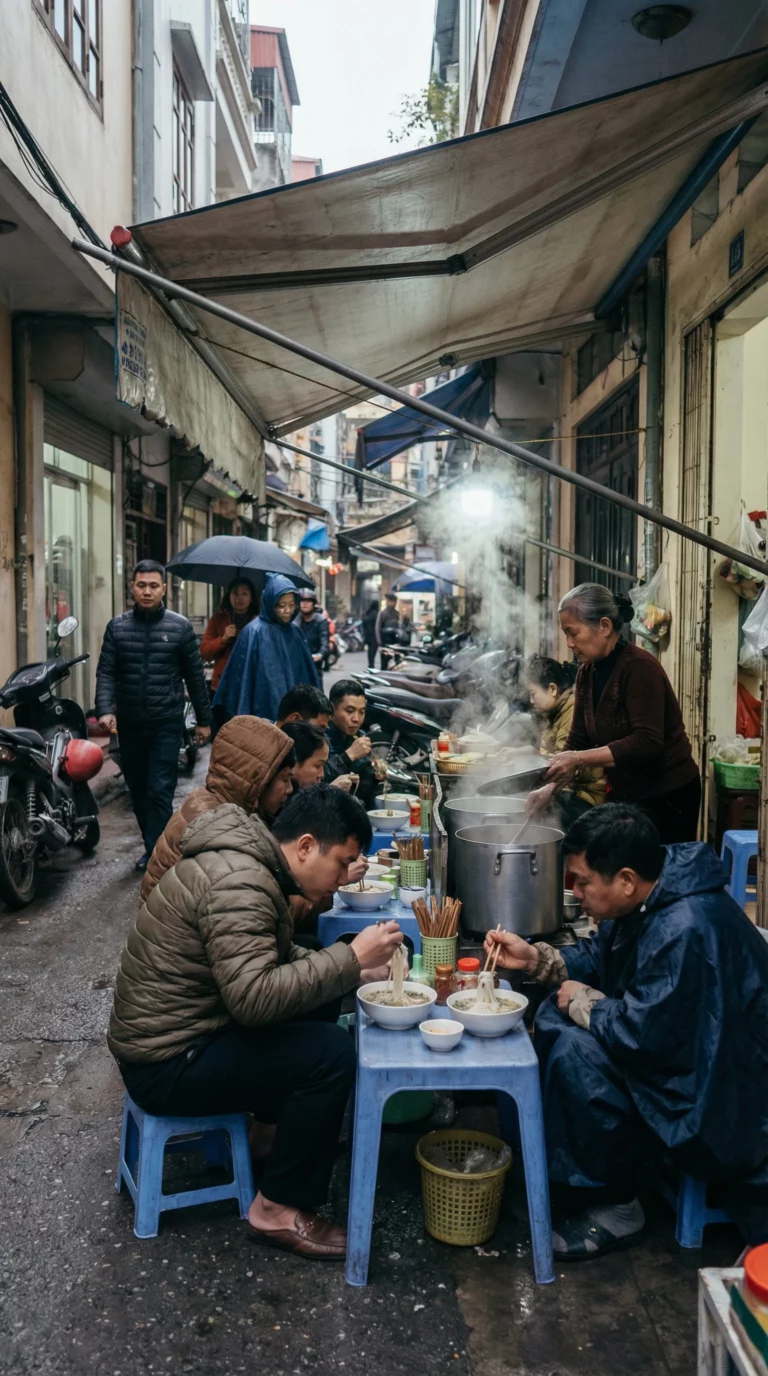
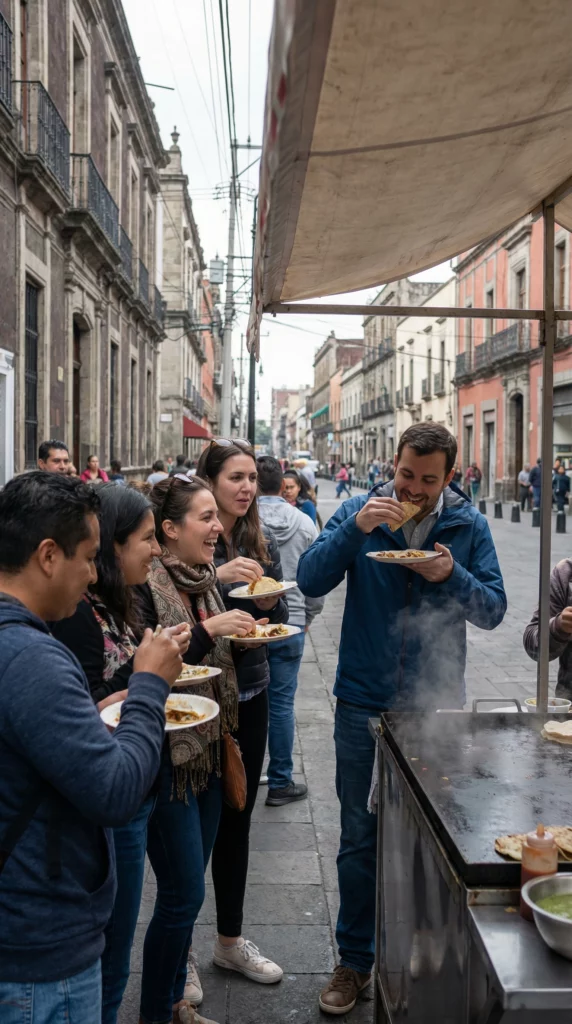
Tamales are eaten on sidewalks before work. Elotes are handed across carts at night. Food does not wait for formal dining.
I found that meals here often felt improvised — not in flavour, but in location.
Standing. Leaning. Walking.
Mexico City food culture reflects density and endurance.
It feeds millions daily — not ceremonially, but consistently.
Reflection: Layered, Not Replaced
It would be easy to frame Mexico City’s cuisine as a story of colonial imposition.
It would be equally easy to romanticise Indigenous purity.
The reality is more layered.
Maize persists. Colonial ingredients integrate. Migration continues to reshape flavour. Urbanisation compresses tradition into efficiency.
Mexico City food culture is not static identity.
It is adaptation under pressure — resilient, rhythmic, and deeply rooted.
And that rootedness is what makes it coherent.
TLDR
Mexico City food culture reflects:
- Indigenous Foundations — Maize as structural base
- Colonial Overlay — Spanish ingredients adapted into local systems
- Faith & Ritual — Layered sacred calendars
- Markets — Functional supply networks
- Street Rhythm — Food integrated into urban density
It is layered inheritance shaped by resilience and continuity.
FAQ
What defines Mexico City food culture?
Mexico City food culture is rooted in Indigenous maize-based traditions layered with colonial Spanish influence and ongoing urban adaptation.
Is Mexican food in Mexico City mostly Indigenous or colonial?
It is layered. Indigenous agricultural systems remain foundational, while colonial ingredients and techniques were adapted into local cuisine.
Why is street food so important in Mexico City?
Street food reflects urban density and daily rhythm, feeding millions efficiently while preserving traditional techniques.
How did colonisation influence Mexican cuisine?
Spanish colonisation introduced new meats, dairy, and wheat, which were integrated into Indigenous cooking systems.
Are markets important in Mexico City?
Yes. Markets function as essential supply networks that sustain daily food systems across the city.