Istanbul Food Culture: Empire, Faith, and Everyday Ritual
Empire, Faith, and Everyday Ritual on the Bosporus
Introduction: A City You Can Taste
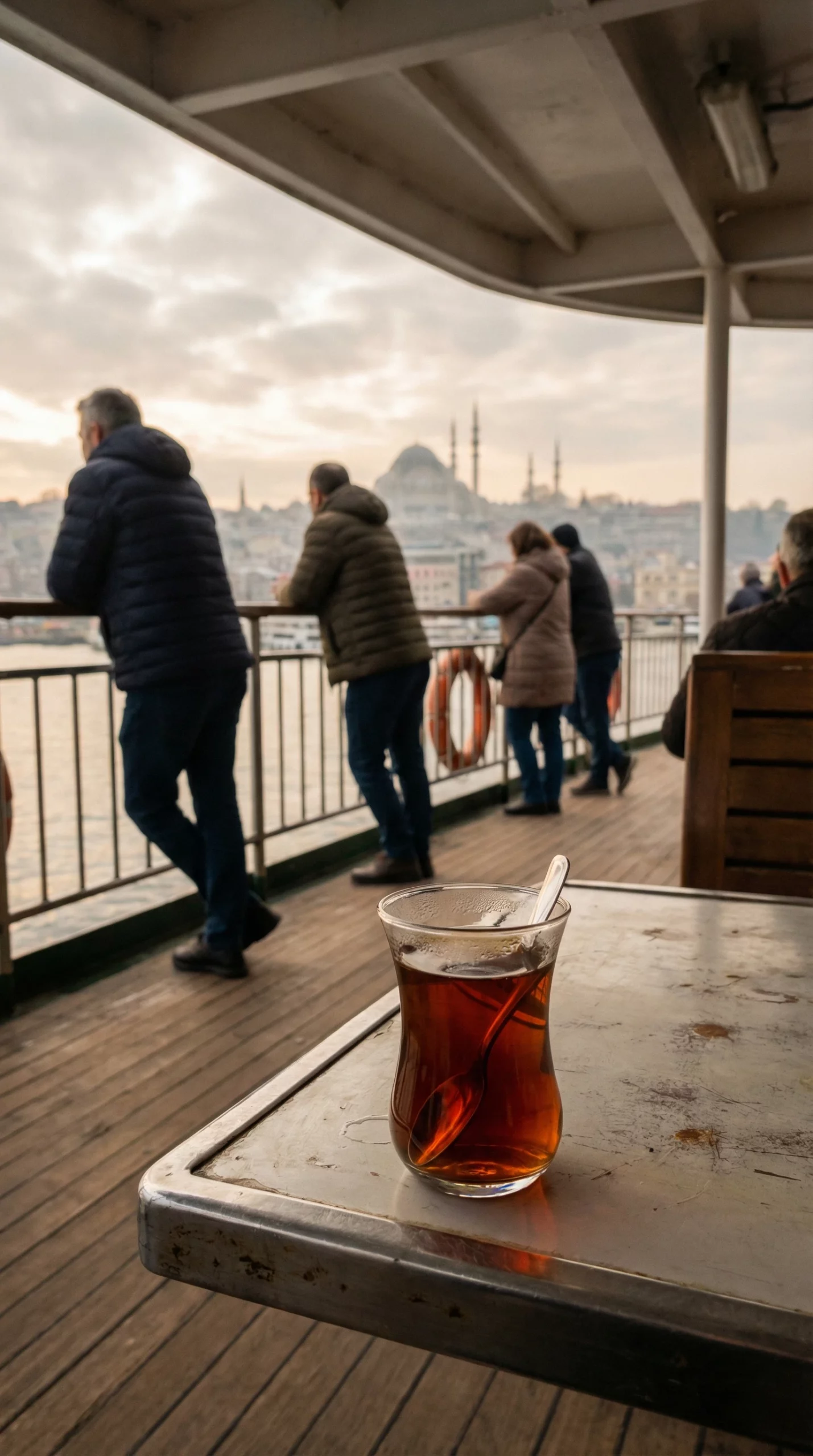
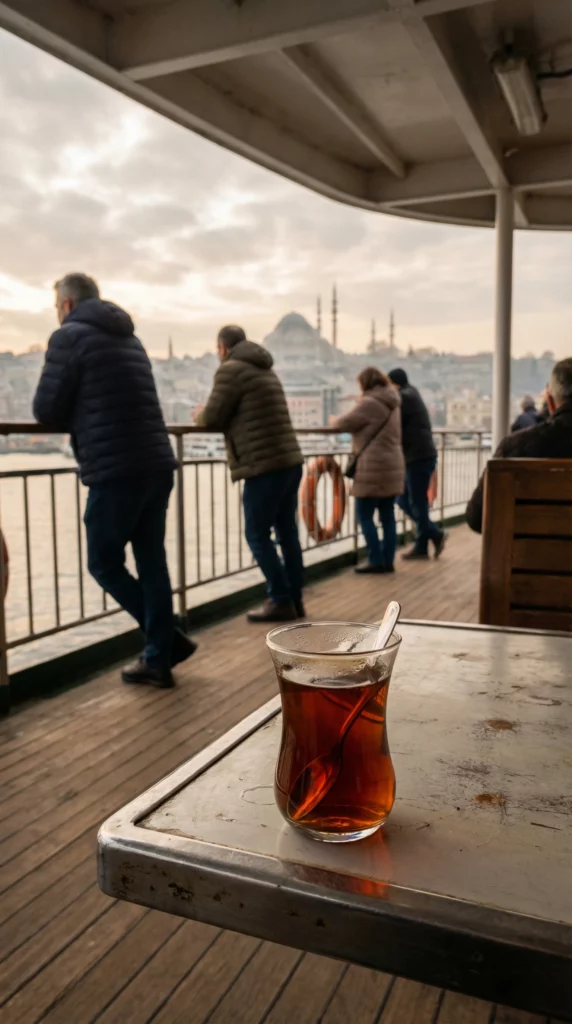
The first thing I noticed in Istanbul was not a monument.
It was the tea.
A small tulip-shaped glass, steaming in the cool air as ferries crossed the Bosporus. Simit crumbs scattered across paper. The call to prayer folding into the sound of engines.
Istanbul food culture does not sit quietly beside its history. It carries it.
This is a city shaped by geography, empire, faith, and daily ritual — and nowhere are those layers more visible than in what is eaten.
To understand Istanbul, you can walk its mosques and palaces.
Or you can sit with a glass of tea and pay attention.
1. Geography: A City Between Seas
Istanbul’s position between the Black Sea and the Sea of Marmara is not just cartographic. It is culinary.
Fish appears constantly — grilled, fried, folded into sandwiches near Eminönü. Bread is foundational, not ornamental. Sesame-crusted simit is carried through streets at all hours.
The climate allows for olives, vegetables, herbs, and citrus to integrate naturally into daily cooking. The surrounding agricultural regions feed the markets, while the strait feeds the grills.
Geography explains why seafood is common, why bread culture is strong, and why tea — imported long ago but now ubiquitous — feels inseparable from daily rhythm.
Istanbul food culture begins with its water and its crossings.
2. Empire on the Table
The Ottoman Empire did not just expand territory. It shaped kitchens.
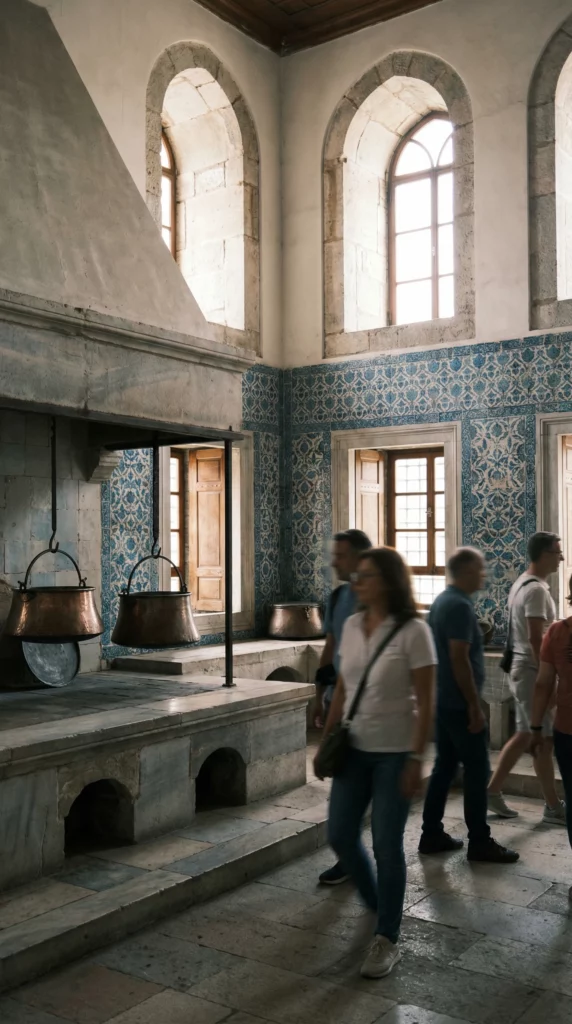
Imperial palace cuisine layered Central Asian techniques, Middle Eastern spices, Balkan influences, and Mediterranean ingredients. What emerged was not singular, but composite.
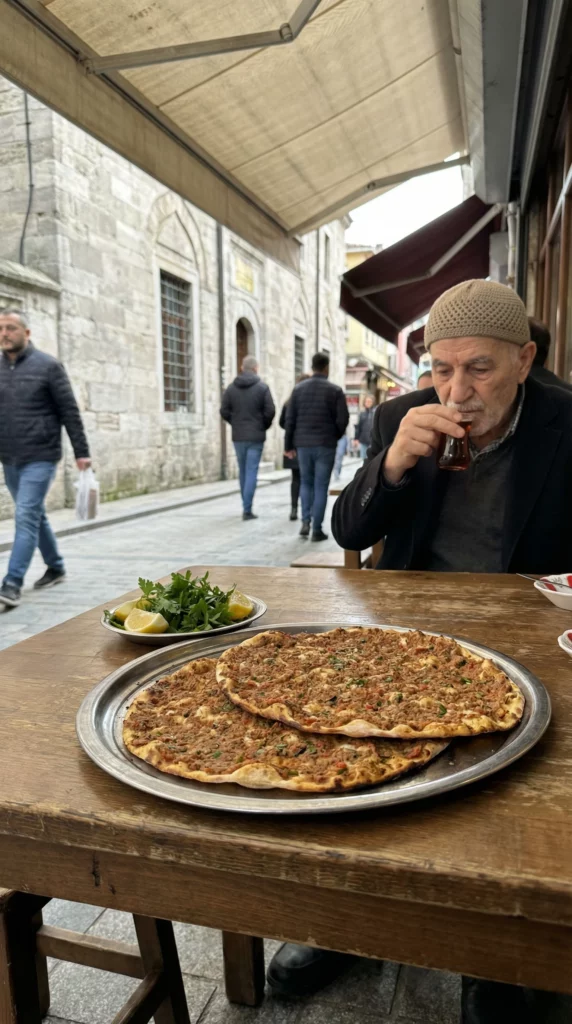
Lahmacun, often described simply as “Turkish pizza,” reflects this layering. Flatbread traditions, minced meat, spice blends — influences folded together and normalised through time.
In neighbourhood bakeries, it is quick and unceremonious. In historic districts, it carries centuries quietly.
Empire in Istanbul was not abstract. It reorganised agriculture, trade routes, and culinary structure. Ingredients travelled through imperial networks. Techniques moved with people.
What remains today is not imperial cuisine frozen in time, but adapted inheritance.
(For a broader exploration of how colonial and imperial systems shaped modern cuisine, see our guide to how colonial history shaped modern cuisine.)
3. Faith and Daily Rhythm
Faith in Istanbul is not removed from food. It shapes it.
Halal practice structures meat preparation. Ramadan shifts the city’s tempo — quieter afternoons, fuller evenings. Iftar tables stretch long after sunset.
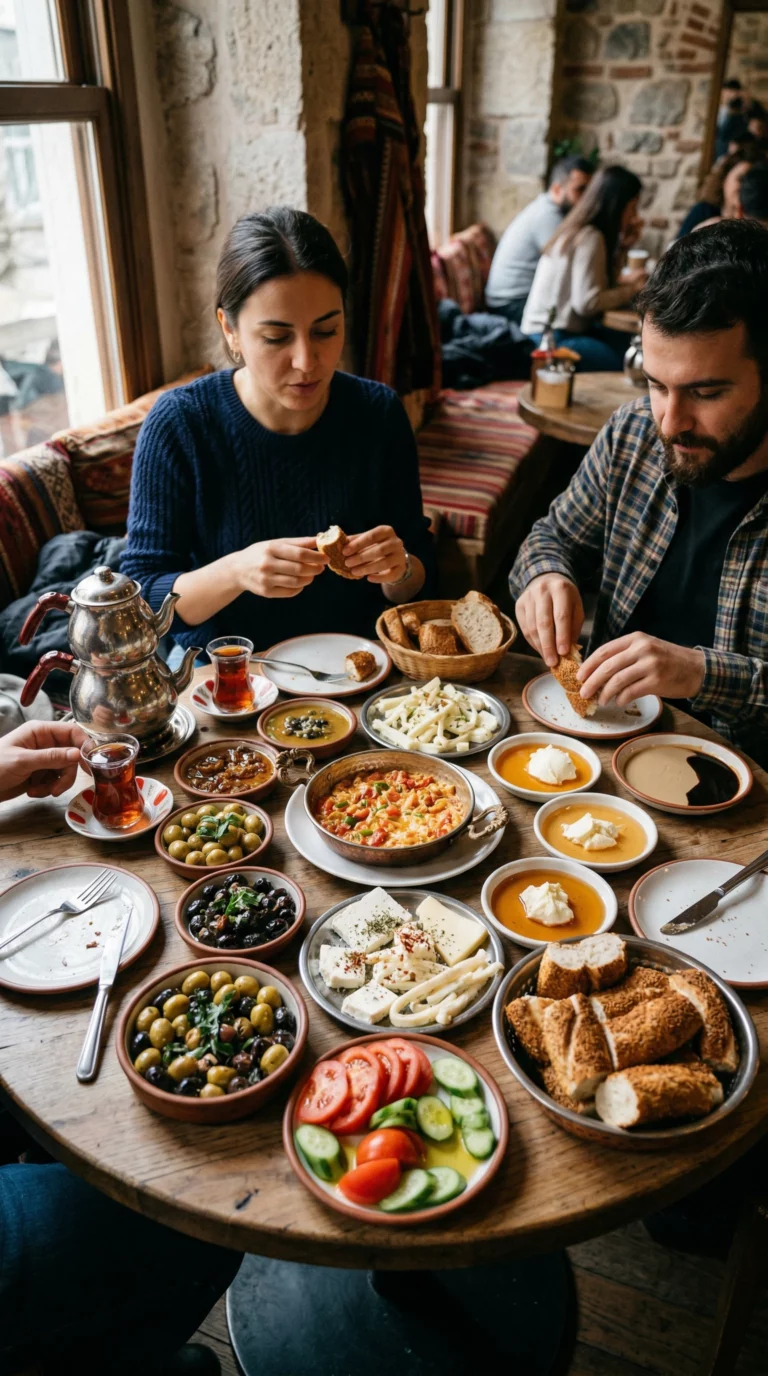
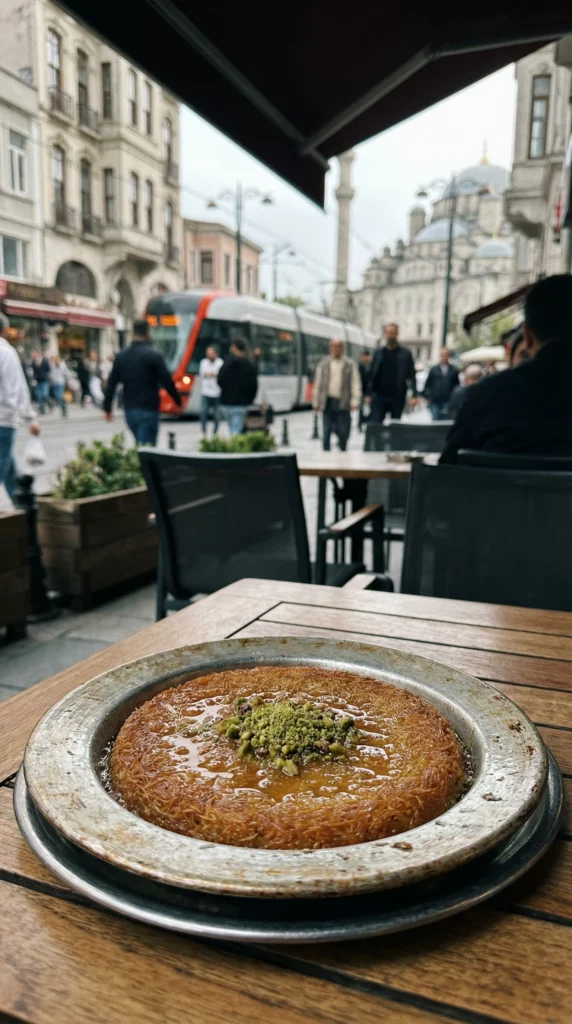
Desserts take on rhythm here. Künefe, syrup-soaked and served warm, appears not only as indulgence but as shared conclusion to a meal.
Tea, too, becomes ritual. I am not naturally a tea drinker, but in Istanbul I grew accustomed to elma çayı — sweet apple tea served after meals, offered in markets, poured almost reflexively in conversation.
It was less about preference and more about participation.
Food and faith overlap not through spectacle, but through repetition.
4. Markets and Structure
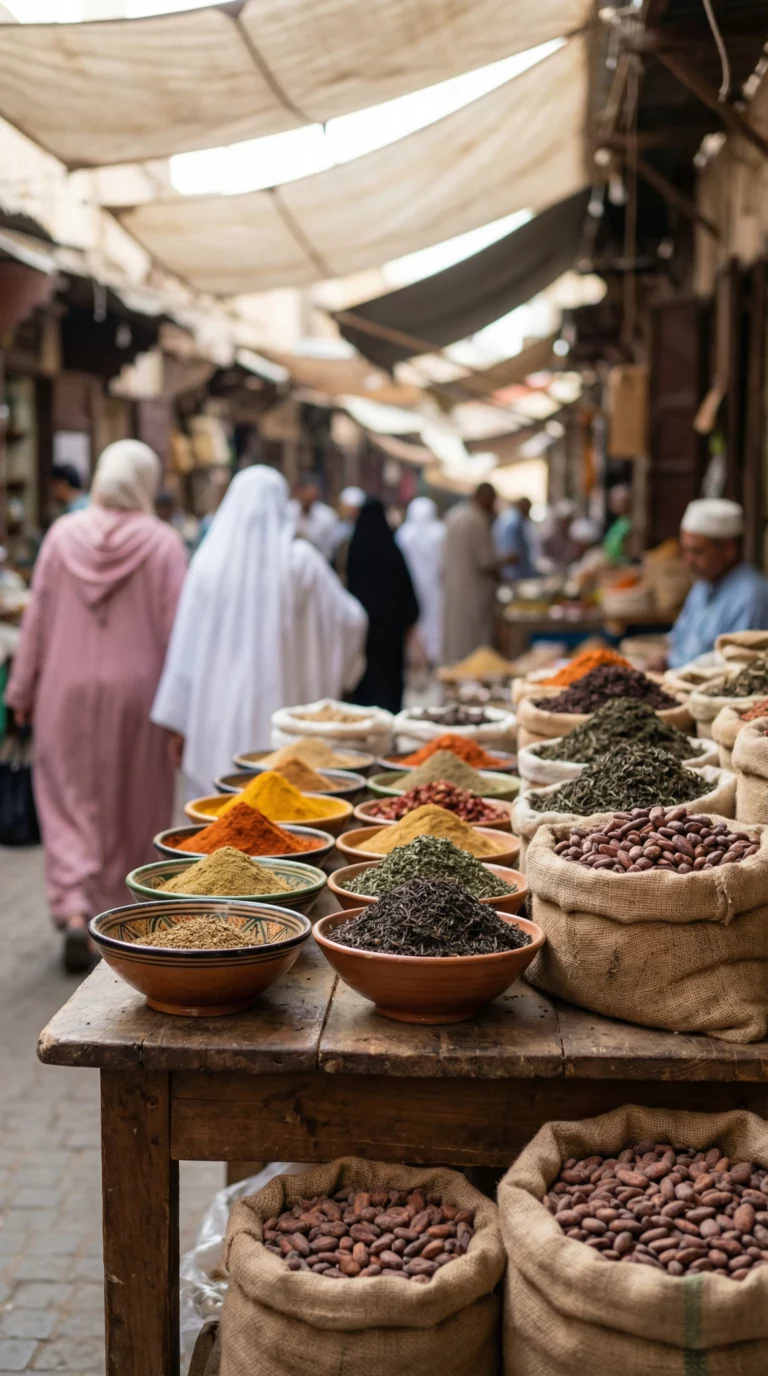
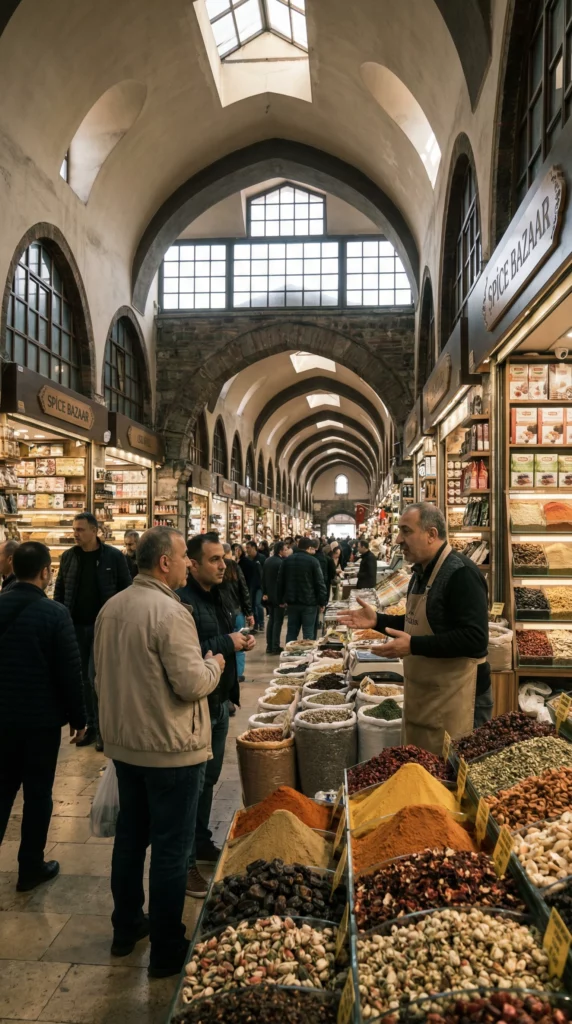
The Spice Bazaar is often photographed, but beyond its arches it remains functional. Spices are not souvenirs first — they are ingredients.
Across the water in Kadıköy, neighbourhood markets operate without performance. Fishmongers, vegetable sellers, small bakeries — daily life unfolds without announcement.
Markets in Istanbul reveal hierarchy gently. Tourist-facing districts present curated displays. Residential areas prioritise routine.
Who shops where matters.
Markets compress geography, empire, faith, and economy into a single space. They demonstrate how Istanbul food culture functions beyond restaurants.
(For a deeper look at markets as cultural systems, see our exploration of why visiting local markets reveals how a city truly works.)
5. Street Food and Social Exchange
Food in Istanbul is not confined to tables.
It moves.
Simit vendors balance trays through traffic. Lahmacun is folded and eaten quickly. Fish sandwiches are consumed standing, facing the water.
And sometimes, a vendor stretches a scoop of ice cream just out of reach before finally handing it over — playful, rhythmic, part transaction, part theatre.
Street food here reveals temperament.
It is direct, communal, unceremonious.
Meals do not always demand pause. Sometimes they accompany movement.
Istanbul food culture lives both in palace legacy and in paper-wrapped bread.
Reflection: A Layered Inheritance
Istanbul is often described as a bridge between continents.
Its food reflects that bridge.
Geography shaped ingredients.
Empire shaped structure.
Faith shaped rhythm.
Markets shaped access.
Street life shaped interaction.
Lahmacun, künefe, simit, tea — none exist in isolation. Each carries influence layered through centuries.
To sit with food in Istanbul is to sit within history — not curated, but lived.
And understanding that makes the city quieter, deeper, and more coherent.
TLDR
Istanbul food culture reflects:
- Geography — A city between seas, rich in seafood and bread traditions
- Empire — Ottoman layering of ingredients and techniques
- Faith — Halal structure and Ramadan rhythms
- Markets — Functional systems revealing social hierarchy
- Street Life — Food as movement and social exchange
Understanding Istanbul through food reveals the city’s layered inheritance.
FAQ
What defines Istanbul food culture?
Istanbul food culture is shaped by geography, Ottoman imperial influence, Islamic dietary practice, vibrant markets, and strong street food traditions.
Is Turkish food in Istanbul influenced by the Ottoman Empire?
Yes. Many dishes reflect Ottoman-era blending of Central Asian, Middle Eastern, Balkan, and Mediterranean influences.
What role does faith play in Istanbul’s food culture?
Halal practice structures meat preparation, and Ramadan shifts daily eating rhythms across the city.
Is street food important in Istanbul?
Very. Simit, lahmacun, fish sandwiches, and desserts are integrated into daily movement and public life.
How are markets important in Istanbul?
Markets like the Spice Bazaar and neighbourhood markets in Kadıköy reveal how food culture functions beyond restaurants and tourism.