Why Visit Local Markets When Travelling
Markets as Cultural Microcosms
Introduction: Before the City Performs
Markets begin before monuments.
Metal shutters lift. Crates thud onto stone. Herbs are rinsed. Bread is stacked. Vendors greet one another long before visitors arrive.
If you want to understand how a city functions — not how it presents itself — begin here.
Museums curate memory.
Markets sustain continuity.
They are not staged spaces. They are systems.
For travellers who prefer depth over speed, local markets offer something rare: unfiltered rhythm.
1. Geography Made Visible
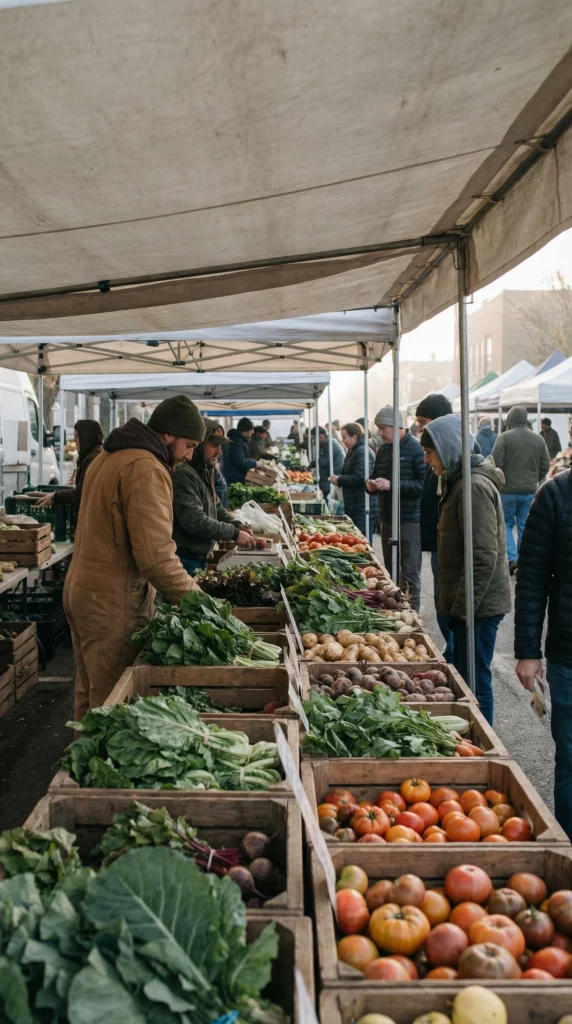
Markets display what grows.
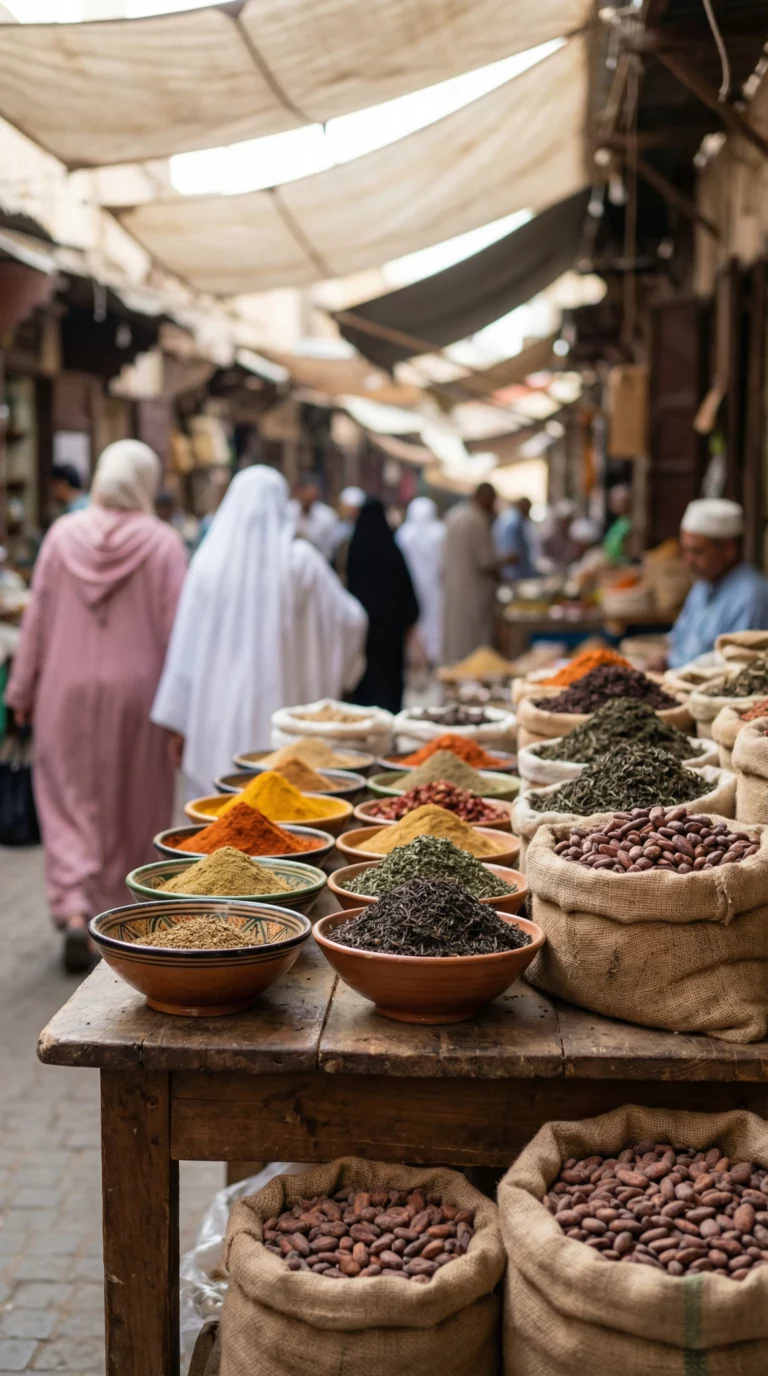
Seasonal fruit piled high. Greens still damp from morning harvest. Fish laid out according to the tides. Cheeses shaped by climate and pasture.
Before a dish reaches a plate, it passes through this ecosystem.
Spend ten minutes observing repetition. What appears across multiple stalls? What looks ordinary rather than curated? What is abundant — and what is scarce?
Geography, which often feels abstract in guidebooks, becomes visible in crates and baskets.
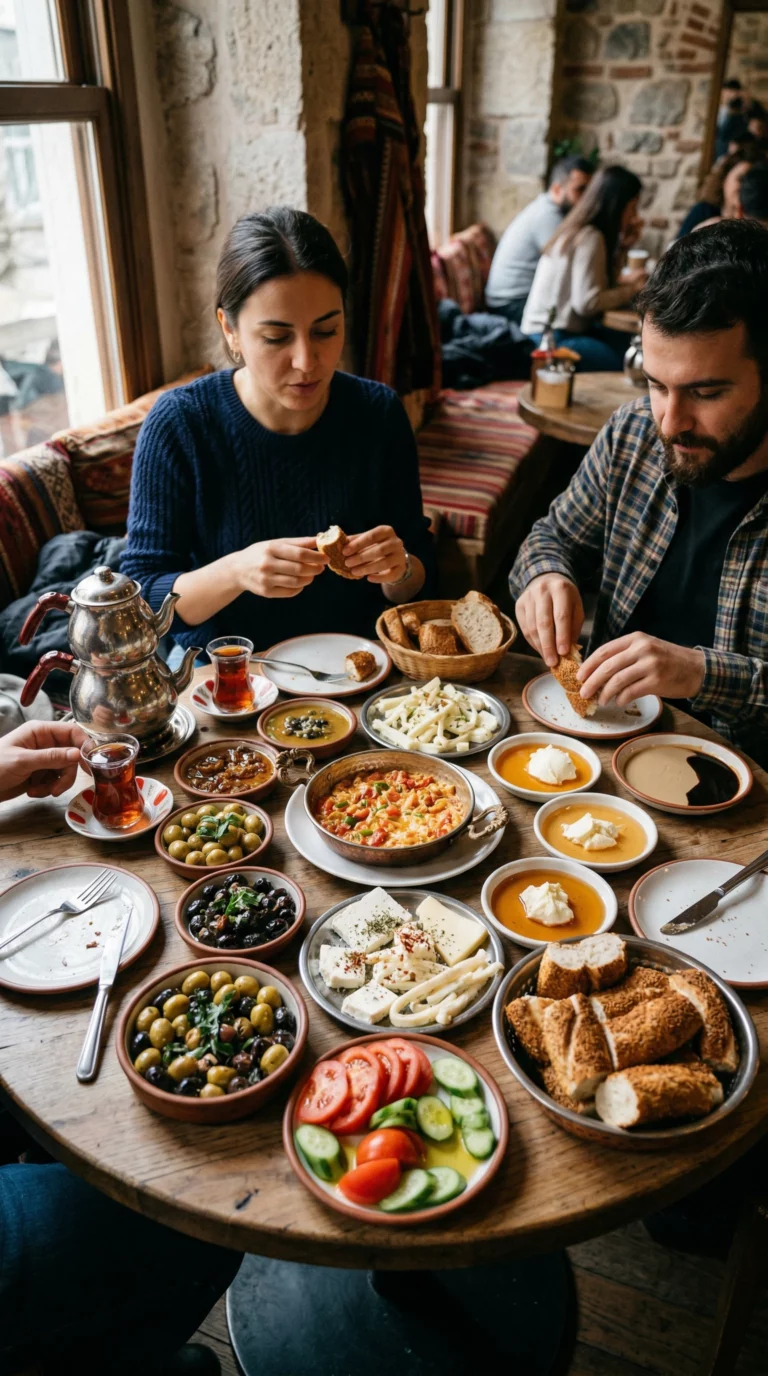
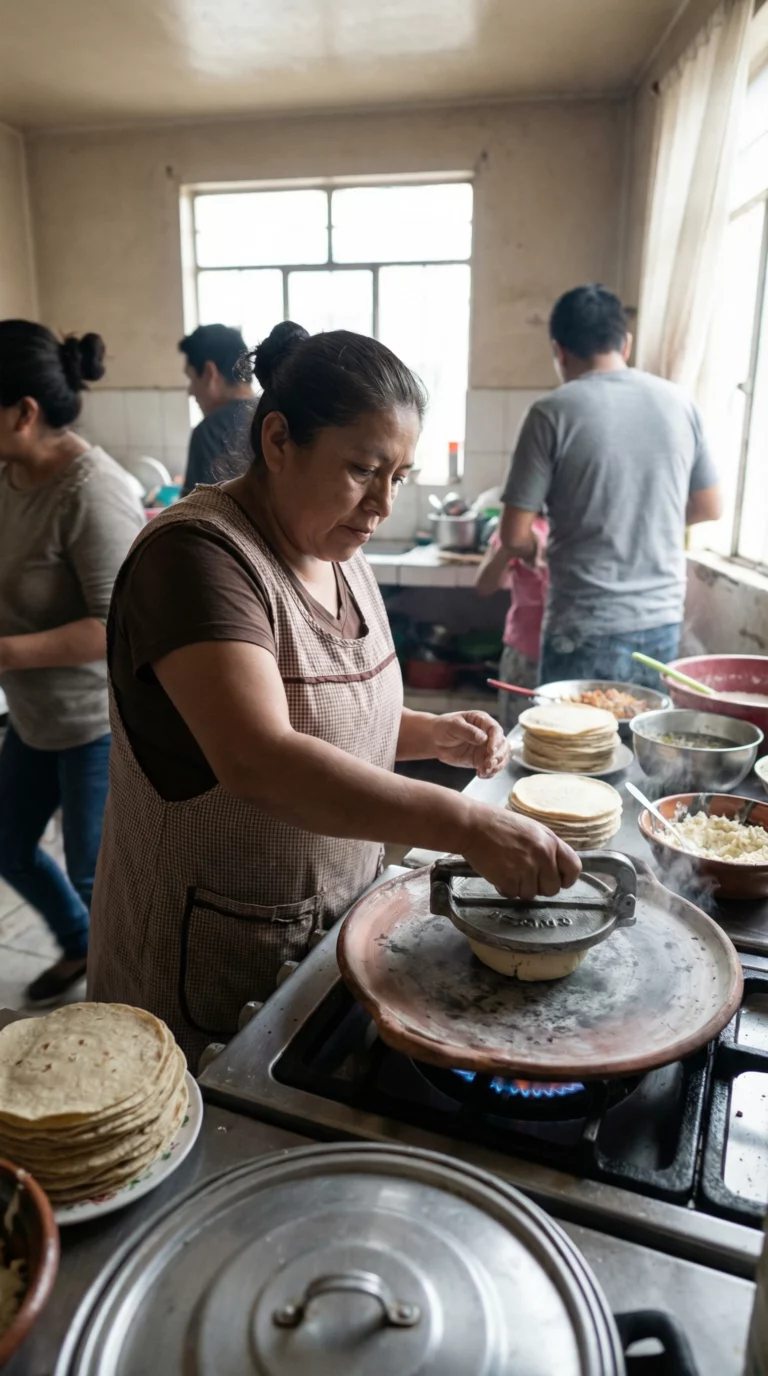
Understanding food begins here — not in restaurants, but in raw ingredients.
(For a broader look at how geography shapes cuisine, see our guide to understanding a city through its food culture.)
2. Trade & Movement in Physical Form
Few markets are purely local.
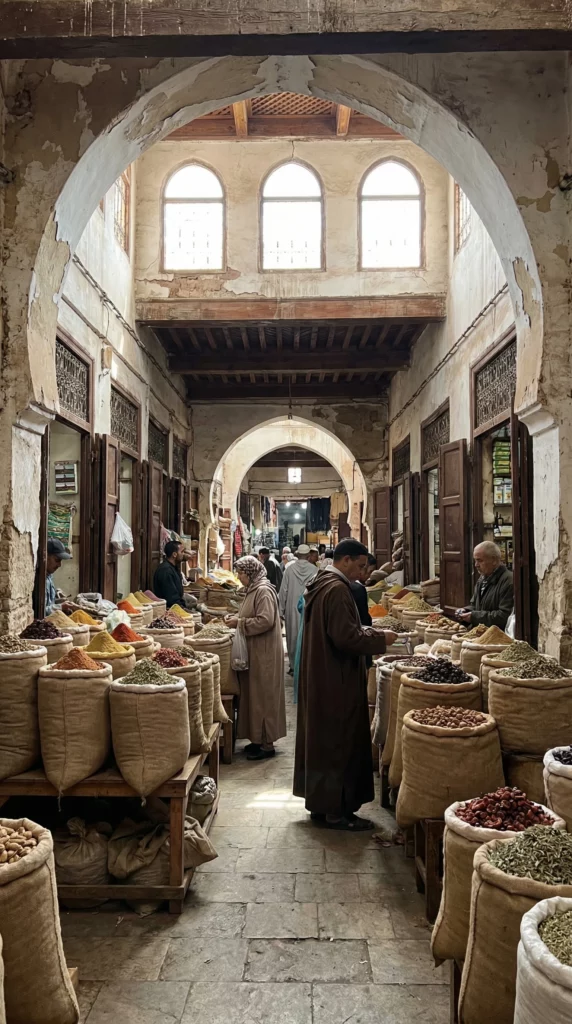
Spices from distant climates sit beside regional vegetables. Imported grains appear next to native produce. Packaging languages hint at movement across borders.
Markets are physical evidence of trade routes and migration.
You can often trace historical exchange patterns by what is sold — dried goods that travel well, preserved items shaped by necessity, ingredients once introduced by empire but now absorbed into everyday cooking.
What appears “traditional” is often layered.
Markets reveal how influence settles, adapts, and becomes local through time.
They show history in motion rather than in retrospect.

3. Faith & Ritual in Daily Commerce
Markets also shift according to belief.
Certain foods appear only during religious seasons. Stall hours adjust around prayer times. Dietary signage quietly signals adherence to tradition.
The rhythm of buying and selling often mirrors sacred calendars.
In some places, the atmosphere changes entirely during fasting months — quieter mornings, busier evenings. In others, feast days bring heightened activity and communal preparation.
Faith rarely announces itself loudly in markets. It is embedded in timing, in ingredients, in absence.
Observation here requires patience rather than interpretation.
4. Class & Social Structure
Markets are economic indicators.
Who shops here?
Who sells here?
Who lingers, and who moves quickly?
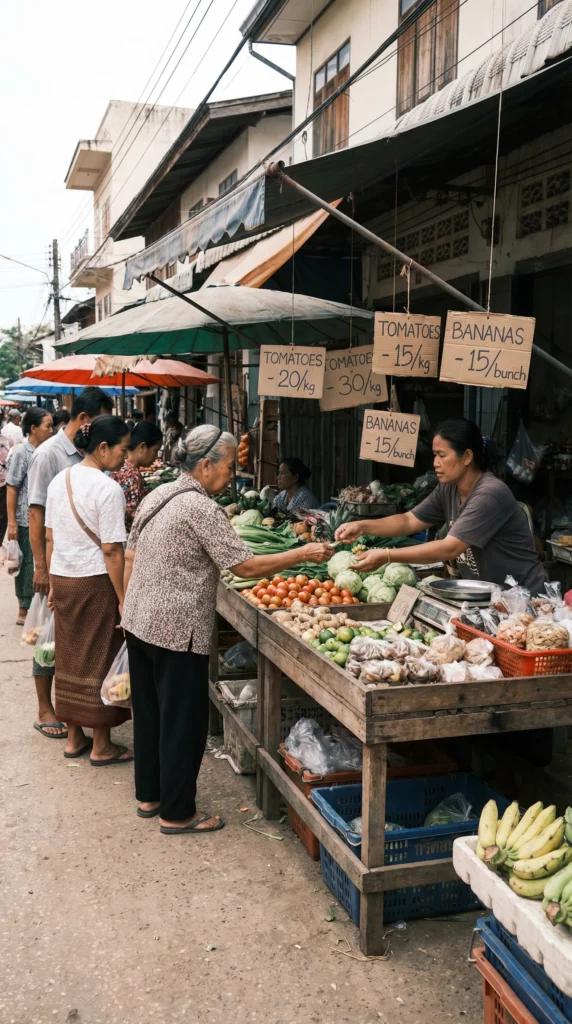
Some markets serve neighbourhood residents — practical, routine, unpolished. Others tilt toward visitors, their produce arranged for visual appeal rather than daily necessity.
Prices may be fixed or negotiated. Interactions may be brief or conversational.
Markets reveal hierarchy without commentary.
They show who has access to freshness, who works within informal economies, and how commerce is woven into community life.
Unlike curated districts, markets tend to expose rather than disguise structure.

5. Everyday Life as Social Theatre
Markets are not silent spaces of transaction.
They are interaction.
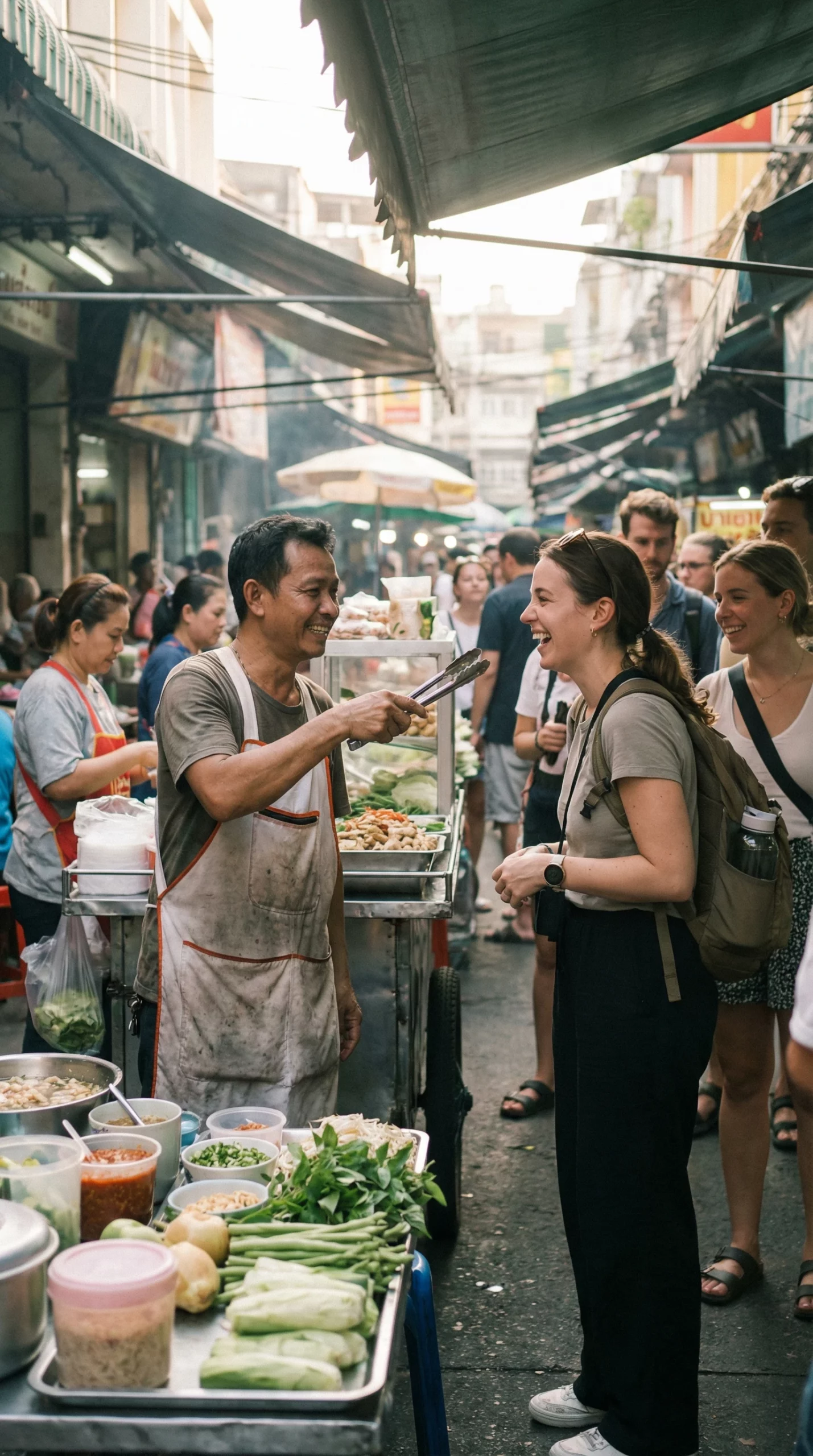
In one market I once observed, an ice cream vendor turned a simple purchase into performance — stretching and twisting the scoop just out of reach before finally handing it over. It was playful, rhythmic, and entirely embedded in the atmosphere of the street.
The moment was small, but revealing.
Commerce was not purely transactional. It carried humour. Timing. Social exchange.
Markets often function this way — part sustenance, part theatre.
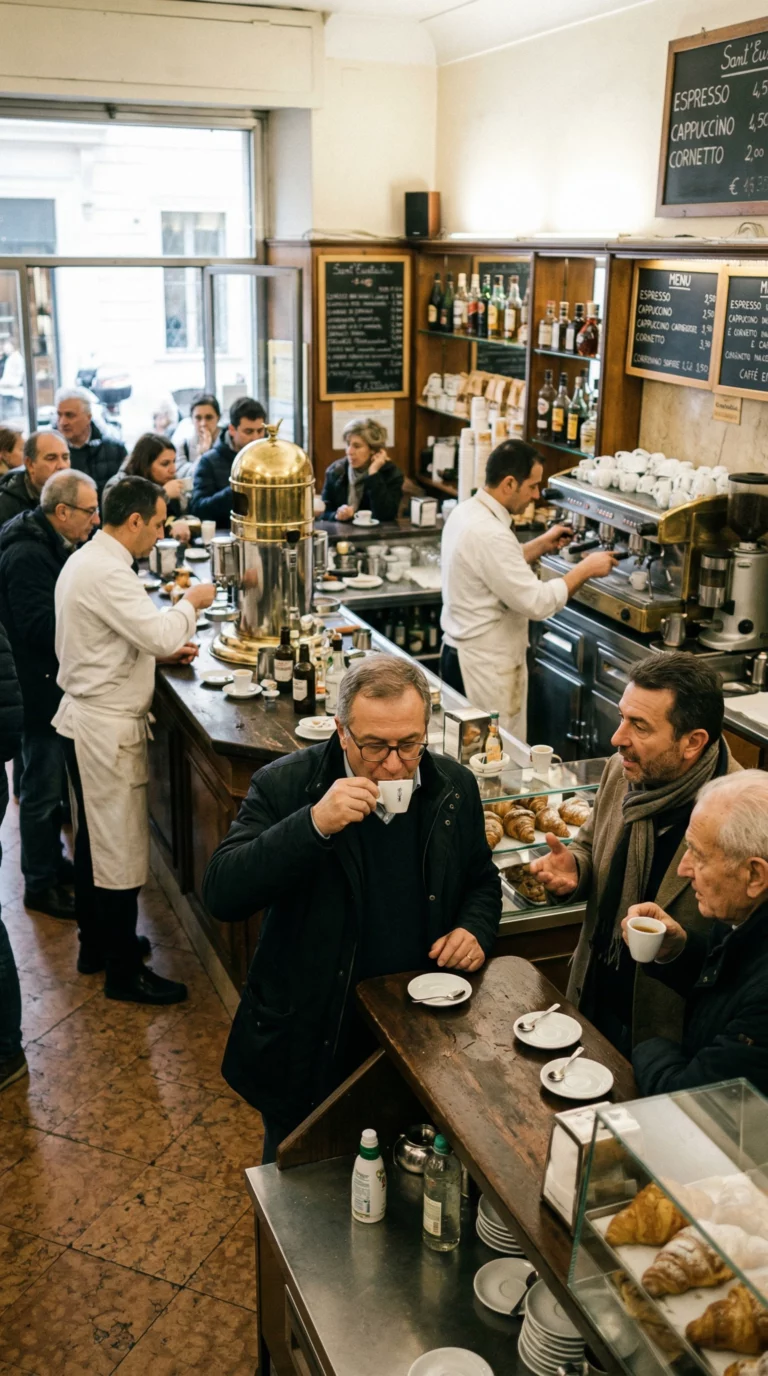
Vendors call out. Buyers negotiate. Neighbours greet one another. Children hover near sweet stalls.
This is where temperament becomes visible.
Not through monuments or museums, but through ordinary interaction.
Markets reveal how a city behaves when it is not being observed — even when it knows it might be.
Why Visit Local Markets When Traveling?
Because markets compress the city into one space.
They show:
- What grows
- What travels
- What is believed
- Who participates
- How people gather
They reveal geography, trade, faith, class, and rhythm simultaneously.
If museums explain a city’s past, markets demonstrate its present.
And for the thoughtful traveller, that distinction matters.
TLDR
Local markets are cultural microcosms.
They reveal:
- Geography — what grows and what is abundant
- Trade & Migration — how movement shaped ingredients
- Faith — how belief influences timing and availability
- Class & Structure — who participates in daily commerce
- Everyday Rhythm — how interaction and humour shape public life
Markets show how a city functions — not how it performs.
FAQ
Why should I visit local markets when traveling?
Local markets reveal how a city functions daily. They show geography, trade influence, religious rhythm, and social structure in one place.
Are markets better than museums for understanding culture?
They serve different purposes. Museums curate history; markets demonstrate continuity and lived experience.
How can I visit a market respectfully?
Observe before photographing. Avoid blocking walkways. Purchase something small if you linger. Treat the space as functional, not staged.
What should I look for in a local market?
Notice repetition in ingredients, interaction between vendors and buyers, seasonal changes, and how space is organised.
Are tourist markets still worth visiting?
Yes — but observe who they primarily serve. Some markets evolve toward visitors, while others remain embedded in neighbourhood life.