Visiting Gallipoli for Anzac Day: A Journey of Reflection
There are places in the world where travel shifts from exploration to remembrance.
Gallipoli is one of them.
Each year on Anzac Day, visitors gather on the peninsula in Türkiye to commemorate the soldiers who fought and died there in 1915. For Australians and New Zealanders in particular, it is not simply a historical site — it is a foundational narrative.
Visiting Gallipoli for Anzac Day is not ordinary tourism. It is an encounter with collective memory.
Approach matters.
1. Understanding the Historical Context
The Gallipoli campaign of World War I was a failed Allied operation intended to secure a sea route to Russia. It resulted in significant loss of life on all sides — Australian, New Zealand, British, French, and Ottoman forces.
For Australia and New Zealand, the campaign became central to national identity.
Before visiting, understand:
- The political motivations behind the campaign.
- The conditions soldiers endured.
- The impact on both Allied and Ottoman forces.
- The role Gallipoli plays in modern national memory.
Context prevents simplification.
Gallipoli is not a symbol of glory. It is a site of loss.
2. The Dawn Service Experience
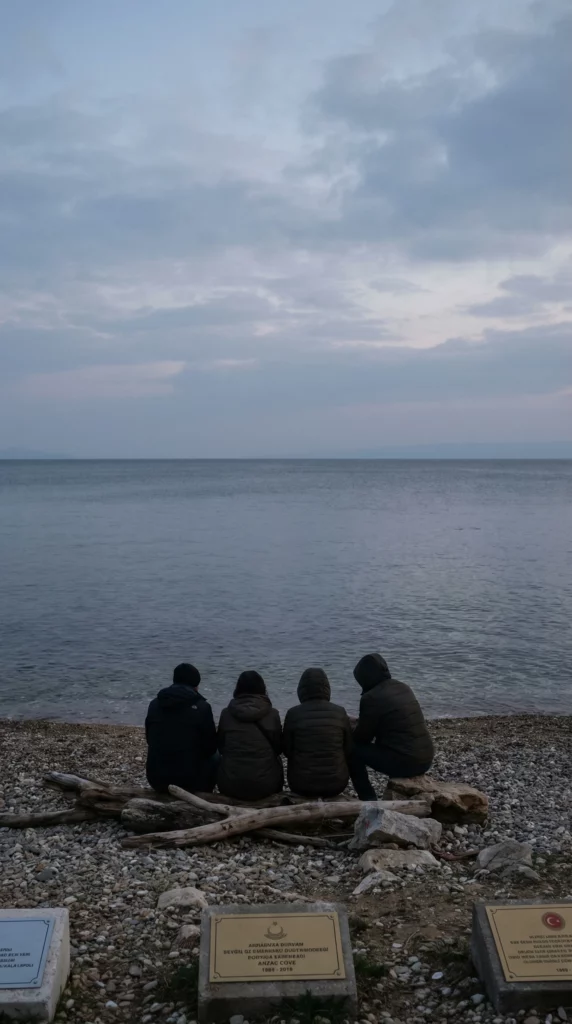
The Dawn Service at Anzac Cove is quiet, cold, and long before sunrise.
People arrive through the night. Blankets, thermals, subdued conversation.
As first light begins to touch the water, silence settles.
The experience is less dramatic than some imagine. There is no spectacle. No celebration.
It is reflective.
If you attend:
- Prepare for long waits.
- Expect security measures.
- Dress warmly.
- Respect silence.
It is not a festival. It is a memorial.
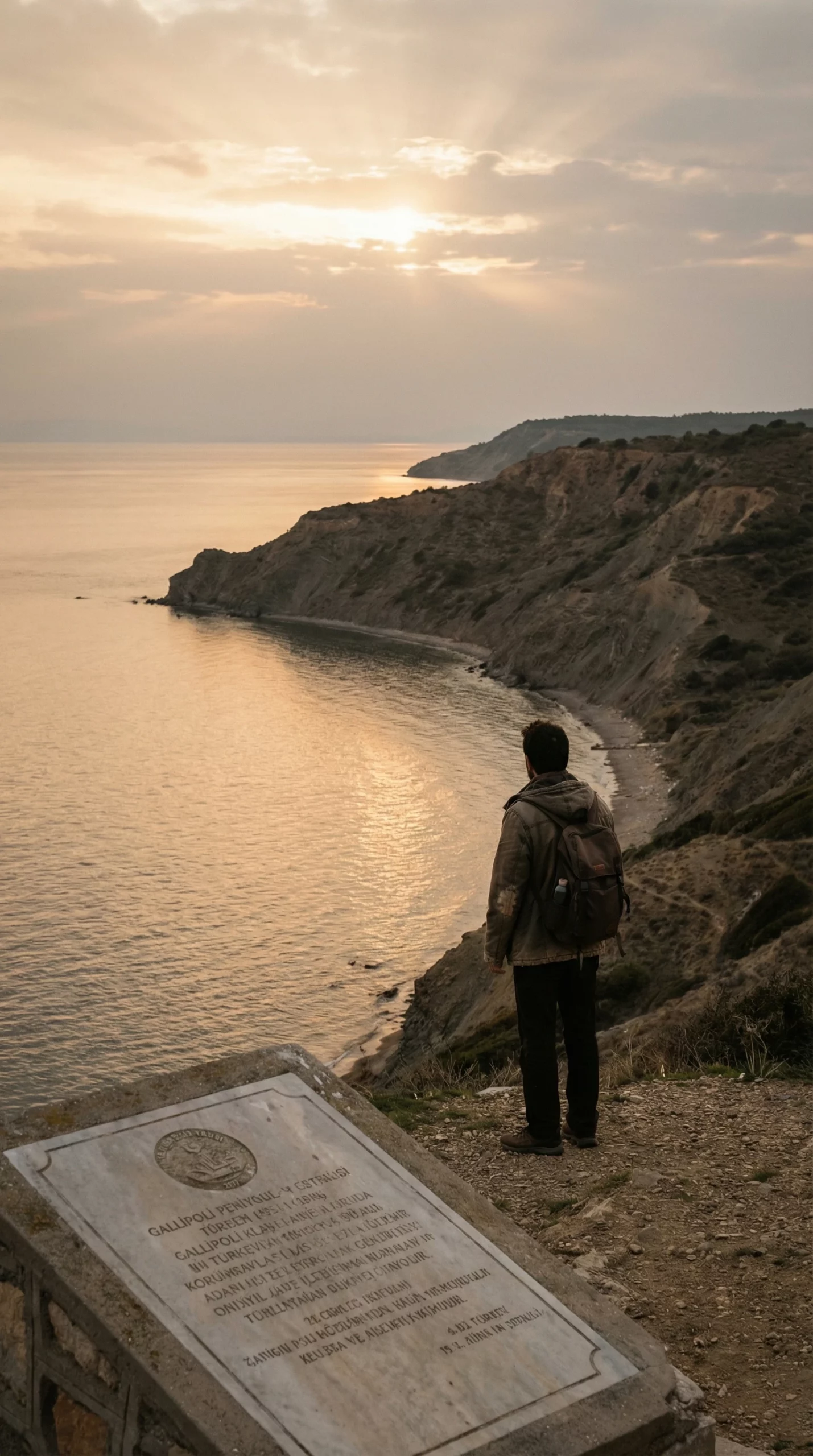
3. Walking the Landscape
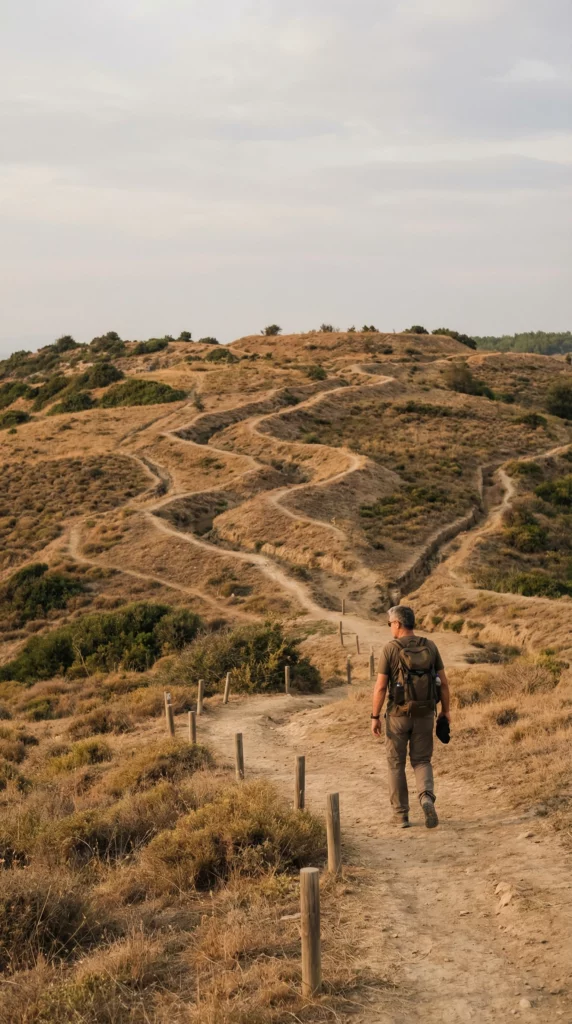
Gallipoli is not only the Cove.
The peninsula holds trenches, ridgelines, cemeteries, and memorials.
Walking the terrain changes understanding.
You see how narrow the beaches are.
How steep the hills.
How exposed the positions.
The physical landscape reveals what textbooks flatten.
Structured small-group tours can help contextualise troop movements and geography without turning the site into commentary theatre. The value lies in informed guidance — not dramatic retelling.

4. Respecting Shared Memory
Gallipoli is significant not only to Australians and New Zealanders.
It is part of Turkish national history as well.
Memorials honour soldiers on all sides.
Approach the site with humility.
- Avoid nationalistic triumphalism.
- Recognise the losses across armies.
- Remember that this landscape holds layered identities.
Sites of memory are complex.
5. The Emotional Weight of Being There
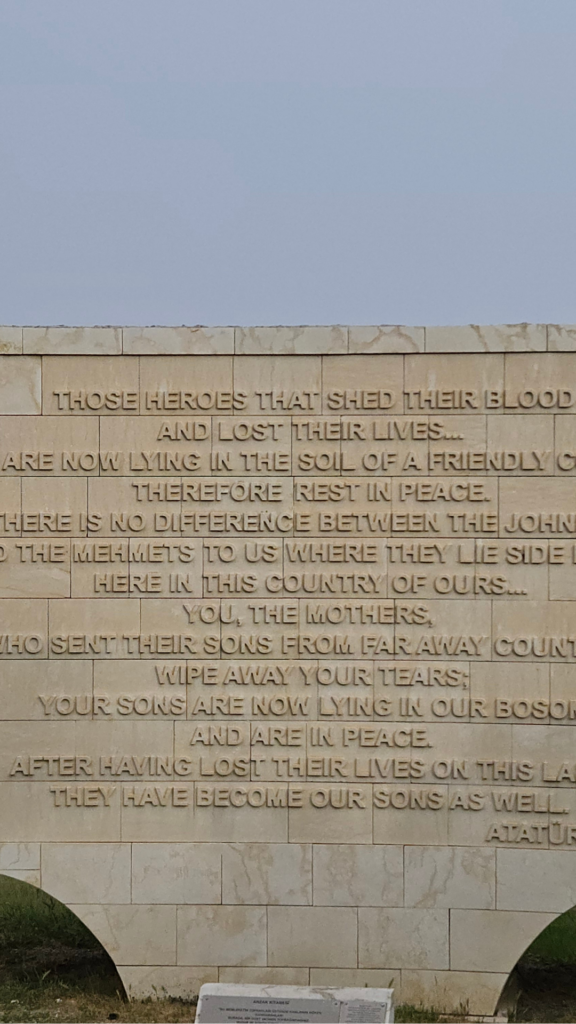
Standing at Anzac Cove on Anzac Day carries emotional weight, especially for those raised with its narrative.
But the meaning does not come from intensity.
It comes from proximity.
From hearing names read aloud.
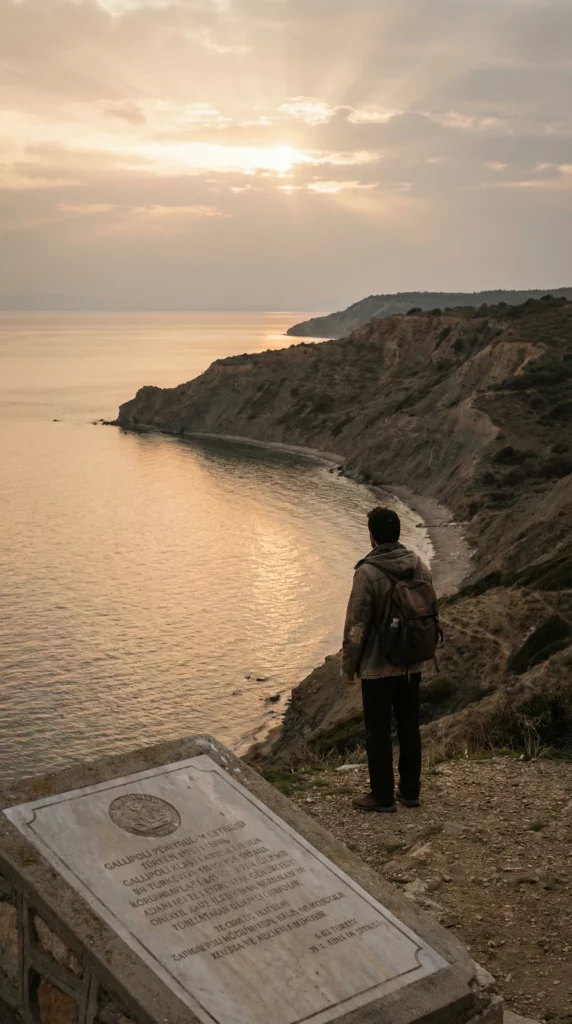
From watching light move across the water.
From understanding distance and terrain.
Visiting Gallipoli for Anzac Day can be powerful.
The key is remembering that you are present in a place of remembrance — not reenactment.
TLDR — Visiting Gallipoli for Anzac Day
- Learn the historical context before arriving.
- Prepare for a quiet, reflective Dawn Service.
- Walk the landscape to understand geography.
- Recognise the shared significance across nations.
- Approach with humility rather than spectacle.
Gallipoli is a site of memory. Travel there accordingly.
FAQ
Is Anzac Day at Gallipoli open to the public?
Yes, but attendance requires planning and security procedures are in place. It is recommended that you use a tour group.
Is it crowded?
Yes. Large numbers gather for the Dawn Service, so preparation and patience are essential.
Can you visit Gallipoli outside of Anzac Day?
Yes, and visiting outside peak commemoration dates can offer a quieter experience.
Is Gallipoli significant only to Australians?
No. It is a shared historical site involving multiple nations, including Türkiye.
Should I join a guided tour?
A knowledgeable guide can provide historical and geographic context that enhances understanding.