
Revisiting a Destination: Why Returning Changes Everything
There’s a quiet assumption in travel culture that once you’ve been somewhere, you’re finished with it.
You’ve seen it.
Ticked it off.
Captured the photos.
Time to move on.
Novelty is powerful. New places feel productive. They expand maps and lists. But depth doesn’t always happen on first contact.
Sometimes, the most meaningful travel begins the second time.
Revisiting a destination isn’t repetition. It’s refinement.
1. First Visits Are About Orientation
The first time you arrive somewhere unfamiliar, your attention is divided.
You’re learning geography.
Understanding transport.
Figuring out neighbourhoods.
Finding your bearings.
On my first trip to Italy, I spent only a couple of days each in Rome and Venice. It was enough to see the icons — the Colosseum, St Peter’s, St Mark’s Square — but only enough to scratch the surface.
I remember the scale. The atmosphere. The crowds. The feeling of being somewhere significant.
What I didn’t yet have was context or stillness.
First visits are often about orientation rather than understanding. You’re absorbing shape and scale. You’re noticing what stands out. You’re learning how the city fits together.
There’s value in that.
But it’s only the beginning.
2. Returning Changes What You Notice
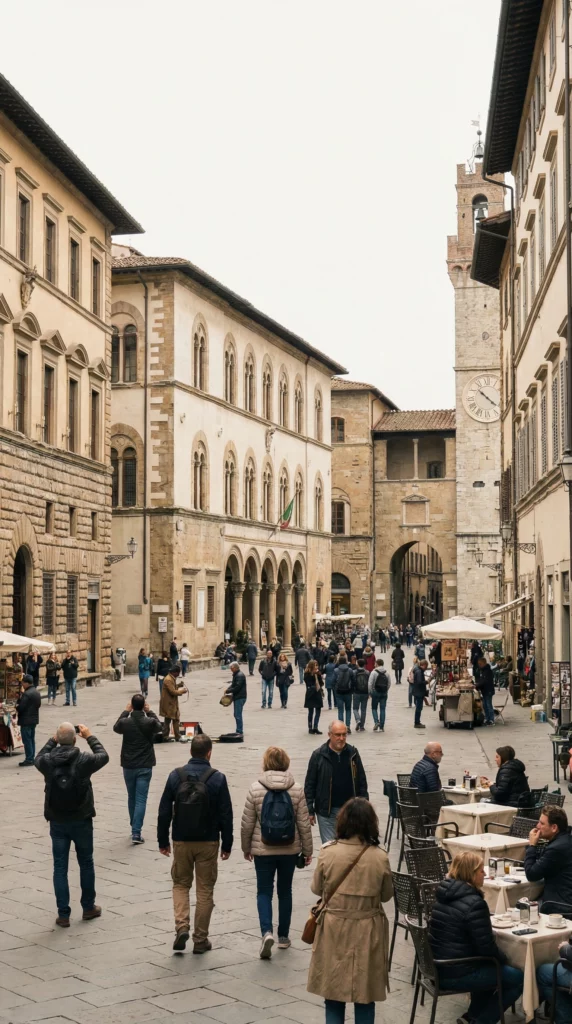
When you revisit a destination, you arrive with mental maps already formed.
You know where the main square is.
You understand the basic layout.
You recognise key landmarks.
That familiarity frees your attention.
Instead of asking, “Where am I?” you start asking, “Why is this here?”
You notice:
- Architectural details you walked past before.
- How locals move through space differently from visitors.
- Which areas empty out at certain times of day.
- The relationship between civic buildings and religious structures.
On a return trip, the obvious fades slightly into the background. The quieter layers become visible.
You move from recognition to interpretation.

3. Maturity Changes Perception
Revisiting a destination isn’t just about geography. It’s about growth.
Life experience changes how we interpret what we see.
Twenty years after my first brief introduction to Italy, I returned with more curiosity and more patience. I was less interested in “covering ground” and more interested in understanding how places connected — historically, culturally, socially.
The same cities felt different because I was different.
You begin to ask better questions:
- How did political shifts shape this architecture?
- What role does faith play in daily rhythm?
- How does tourism alter the city’s identity?
- What stories are preserved in public memory?
Revisiting allows you to bring accumulated life experience back into conversation with a place.
And that changes everything.
4. Slowing Down Feels More Natural the Second Time
On a first visit, there’s often urgency.
You don’t know if you’ll return.
You want to see as much as possible.
You feel the pressure of limited time.
When you revisit a destination, that urgency softens.
You may skip something you’ve already seen.
You may spend longer in one neighbourhood.
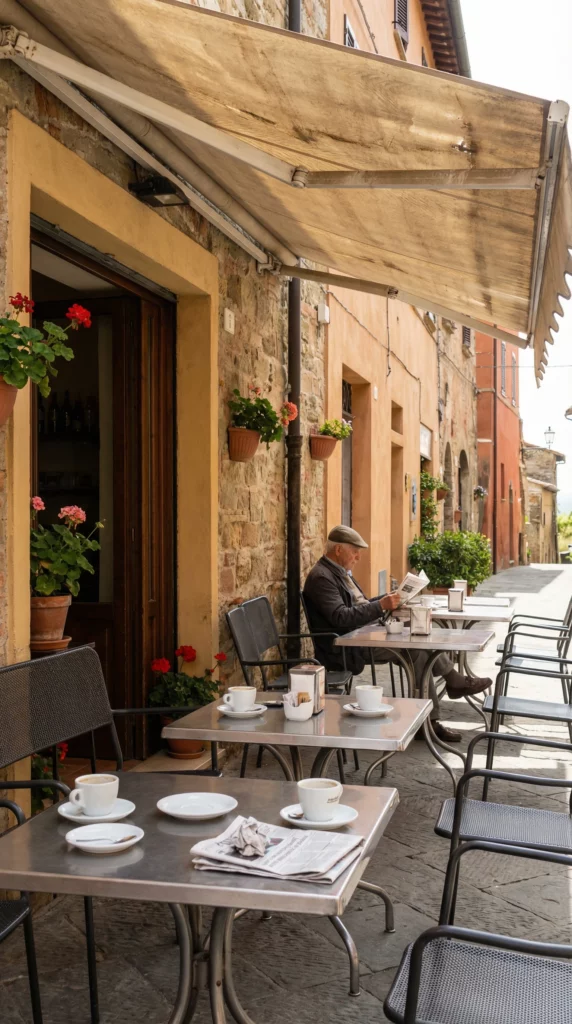
You may return to the same café instead of searching for the “best” one.
Slowing down doesn’t feel indulgent. It feels intentional.
On my return to Italy, I chose depth over coverage — reducing the number of cities and allowing more time within each region. That shift alone changed the experience. The country felt less like a series of highlights and more like a connected narrative.
5. Familiarity Builds Emotional Depth
There’s something powerful about recognition.
Walking a street and remembering where it turns.
Recognising a façade you once photographed.
Understanding how a piazza changes from morning to evening.
Familiarity reduces the sense of being an outsider constantly trying to decode everything at once.
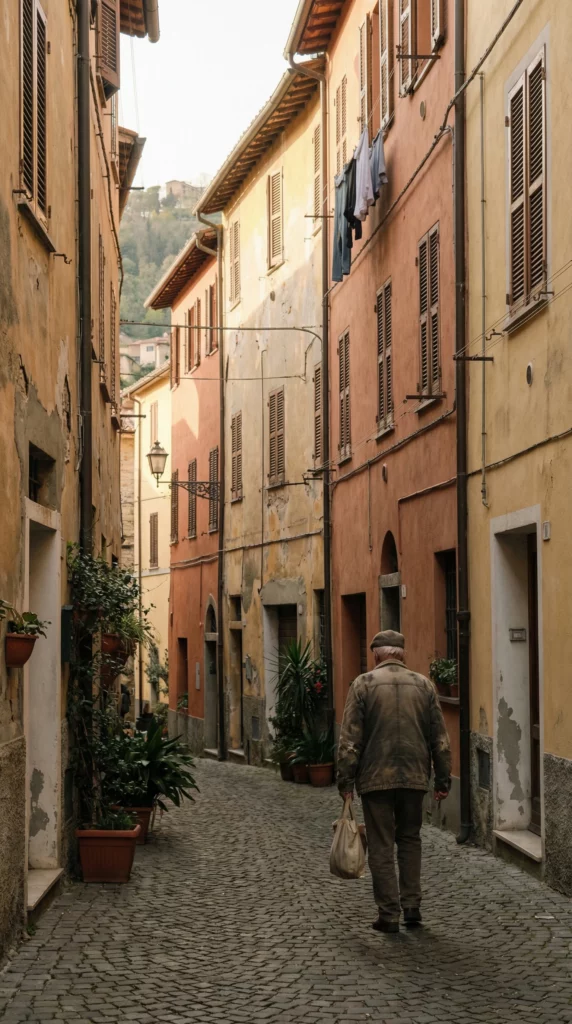
You begin to feel less like a visitor collecting impressions and more like an observer engaging in context.
Meaning grows through repetition.
The second visit often feels less dramatic — but more grounded.
6. Revisiting Encourages Better Questions
On first trips, questions tend to be logistical:
- How do I get there?
- What time does it open?
- How long will this take?
On return visits, questions become interpretive:
- Why was this designed this way?
- What historical moment shaped this district?
- How does this city see itself today?
Revisiting a destination sharpens curiosity.
It allows you to move beyond spectacle into structure — beyond what stands out into what sustains the place.

Returning Is Not Redundant
There’s a misconception that meaningful travel requires constant novelty.
But novelty creates breadth.
Return creates depth.
Revisiting a destination allows you to test first impressions against lived experience. It allows you to see what you missed. It allows you to understand how you’ve changed — and how the place has changed too.
Sometimes, the most meaningful journeys aren’t the ones where you go somewhere new.
They’re the ones where you go back — and finally see clearly.
TLDR — Revisiting a Destination
- First visits are often about orientation rather than understanding.
- Returning frees your attention to notice deeper layers.
- Life experience changes how you interpret what you see.
- Slowing down feels more natural the second time.
- Familiarity builds emotional and intellectual depth.
Revisiting a destination isn’t repetition — it’s refinement.
FAQ
Is revisiting a destination worth it when there are so many new places to see?
Yes. Returning often allows for deeper understanding and a more layered experience than a first visit.
What changes when you revisit a place?
Familiarity with geography reduces cognitive load, freeing attention for cultural, historical, and social nuance.
Does revisiting mean skipping major landmarks?
Not necessarily. It often means seeing them differently — with more context and less urgency.
How long should you wait before revisiting a destination?
There’s no fixed rule. Meaningful change can come from personal growth, historical change, or simply deeper preparation.
Is revisiting only for slow travelers?
No. Even short return trips can shift perspective if approached intentionally.