
Planning a Meaningful Trip (Not Just a List of Must-Sees)
Most trips begin the same way.
A search bar.
“Three days in…”
“Top things to do in…”
“Best attractions in…”
Within minutes, you have a list. Within an hour, you have a colour-coded itinerary.
It feels productive. Efficient. Complete.
But a meaningful trip rarely begins with a checklist of attractions. It begins with a framework.
If you want to travel more deeply — and not just move quickly — planning has to shift from accumulation to intention.
Here’s how to approach planning a meaningful trip in a way that builds understanding rather than overload.

1. Choose a Thematic Anchor Before You Choose Attractions
Before you start pinning landmarks on a map, decide what you’re curious about.
Not what you “should” see.
What you actually want to understand.
Your anchor might be:
- Faith and religious architecture
- Post-colonial identity
- Food traditions and migration
- Empire and political change
- Public memory and memorials
- Art and civic space
When you choose a theme, decisions become clearer. You don’t eliminate famous landmarks — you simply evaluate them differently.
Instead of asking, “Is this popular?” you ask, “Does this help me understand the place through my chosen lens?”
A thematic anchor simplifies planning and deepens experience at the same time.
2. Build Around Questions, Not Attractions
Attractions are static. Questions are dynamic.
Instead of structuring your trip around sites, structure it around inquiry.
For example:
- How did this city evolve politically?
- What role does religion play in daily life?
- How is colonial history visible in architecture?
- How do locals use public space differently from visitors?
- What stories are being remembered — and which are quieter?
When you plan around questions, each museum, neighbourhood, or landmark becomes part of a larger narrative rather than an isolated stop.
You begin to see connections.
Planning a meaningful trip isn’t about filling days — it’s about designing them to answer something.
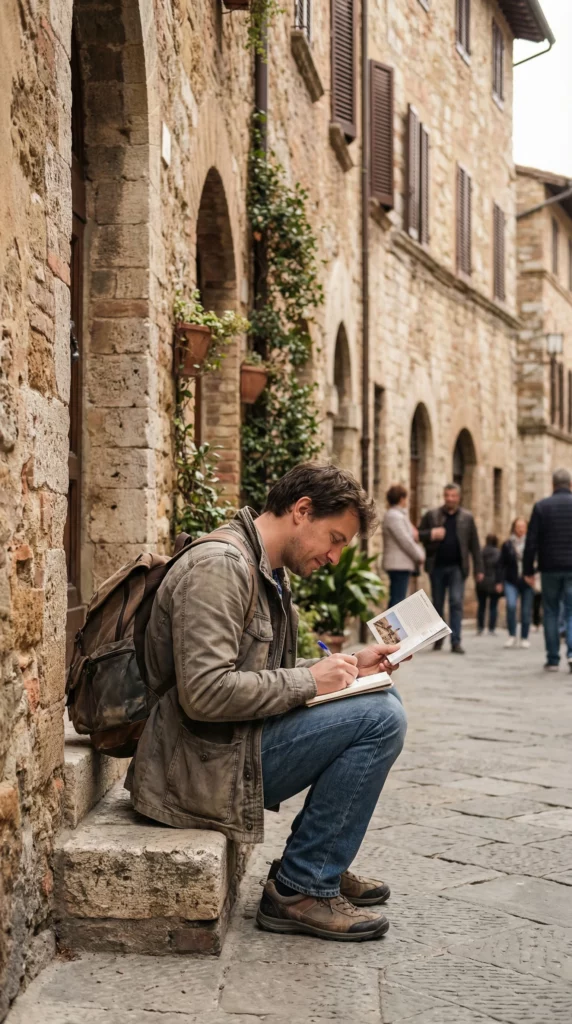
3. Reduce Geographic Spread
One of the simplest ways to build depth into a trip is to reduce how much ground you try to cover.
Fewer cities.
Fewer hotel changes.
Less time in transit.
The temptation to “add one more stop” is strong — especially in regions where destinations sit close together. But movement consumes attention. Constant transition fragments experience.
When you stay longer in one place:
- You revisit neighbourhoods.
- You recognise patterns.
- You understand spatial relationships.
- You allow initial impressions to evolve.
Meaning grows through familiarity.
Reducing geographic spread isn’t limiting your trip — it’s strengthening it.
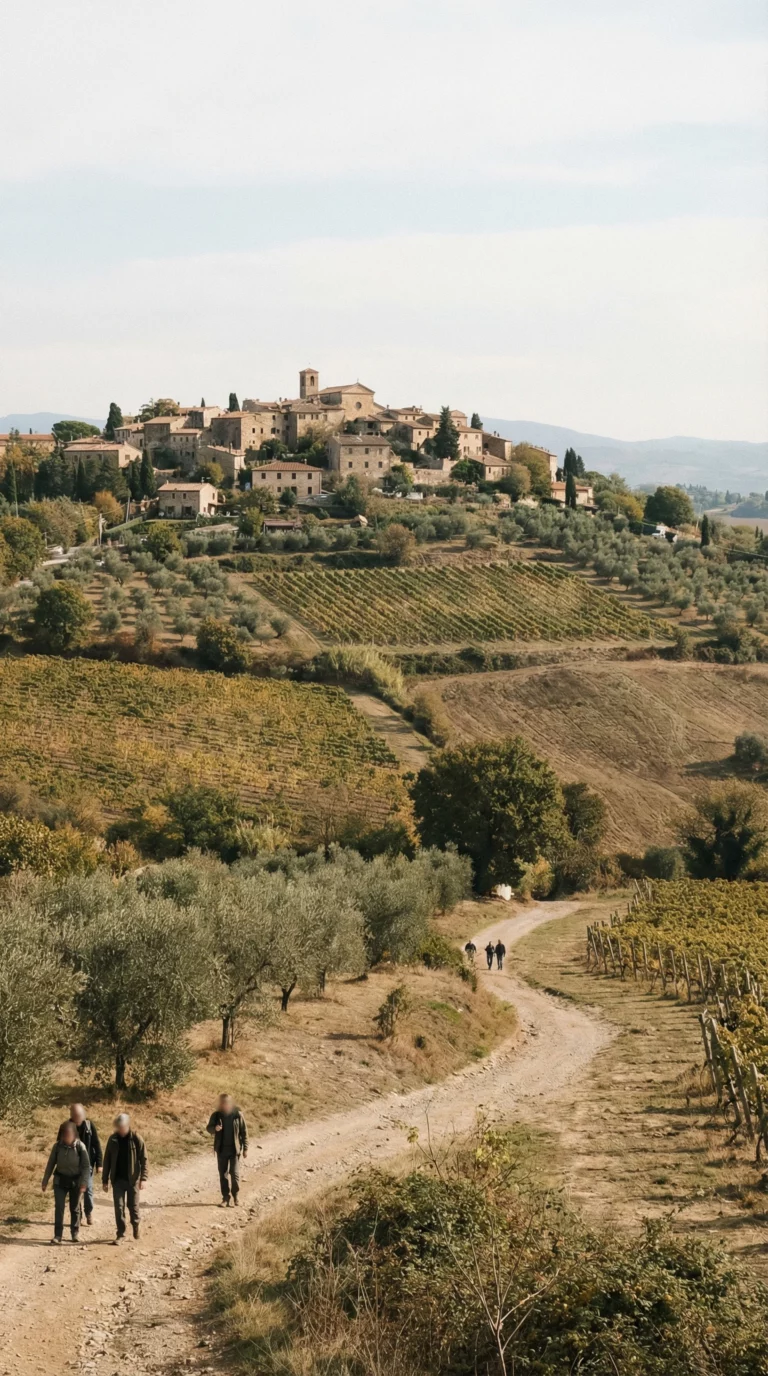
For travelers who want structure without constant relocation, region-based small group experiences can support this approach. Tours such as the Local Living style offered by G Adventures, where you stay in one location for several days and explore surrounding areas through day trips, reduce transit fatigue while allowing familiarity to develop.
I experienced this format in Tuscany and along the Amalfi Coast — staying in one place for a week made it easier to absorb regional character without the disruption of packing every one or two nights.

4. Schedule Space, Not Just Activity
Many itineraries collapse under their own density.
Morning museum.
Midday walking tour.
Afternoon landmark.
Evening reservation.
There’s little room to process, to wander, or to return.
When planning a meaningful trip, schedule open space deliberately.
Leave:
- A free morning.
- An unstructured afternoon.
- Time to revisit somewhere that surprised you.
- Space to sit in a public square without agenda.
Slowness doesn’t have to be accidental. It can be designed.
And often, the moments that stay with you are the ones that weren’t tightly scheduled.
5. Research for Context, Not Just Logistics
Flights and accommodation are necessary. But context is transformative.
Before arriving somewhere new, spend time understanding:
- The historical turning points that shaped the city.
- Political or religious dynamics that influence daily life.
- Cultural etiquette and social norms.
- Why certain architectural styles dominate.
- Why particular memorials or public spaces exist.
I learned this lesson the hard way in Turkey. I arrived with curiosity, but not enough depth of preparation. I visited significant sites — mosques, historic districts, civic spaces — but only later realised how much nuance I had missed because I hadn’t grounded myself thoroughly enough in the historical and political context.
Planning a meaningful trip includes intellectual preparation.
You don’t need to become an expert.
But even a foundational understanding changes how you move through a place.

6. Accept That You Will Miss Things
No matter how carefully you plan, you will miss something.
A museum you meant to visit.
A neighbourhood you ran out of time for.
A café recommended too late.
Meaningful travel requires maturity in planning — the ability to let go of completeness.
When you release the pressure to “see it all,” you create room for depth.
You might miss a landmark.
But you might gain a conversation.
Or a deeper understanding of a single district.
Or a repeated walk that reveals something subtle.
Planning around meaning means choosing what to leave out — not just what to include.
A Framework, Not a Formula
Planning a meaningful trip isn’t about rigid rules.
It’s about shifting your planning questions.
Instead of:
- How much can I fit in?
- What’s ranked highest?
- What would look good on a list?
Ask:
- What am I curious about?
- What shaped this place?
- How can I design this trip to understand rather than accumulate?
When planning moves from optimisation to intention, the trip changes before it even begins.
You arrive not just with tickets and reservations — but with direction.
TLDR — Planning a Meaningful Trip
- Choose a thematic anchor before selecting attractions.
- Plan around questions, not just sites.
- Reduce geographic spread to build familiarity.
- Schedule open space intentionally.
- Research historical and cultural context before arrival.
- Accept that depth requires leaving some things unseen.
A meaningful trip isn’t planned for maximum coverage — it’s designed for maximum understanding.
FAQ
What does it mean to plan a meaningful trip?
Planning a meaningful trip involves building your itinerary around intention, context, and curiosity rather than simply visiting the most popular attractions.
How do I choose a travel theme?
Start with what genuinely interests you — faith, food, architecture, history, art, or public memory. Let that lens guide your decisions.
Can I still see famous landmarks on a meaningful trip?
Absolutely. The difference is that landmarks become part of a broader framework rather than the sole focus of your itinerary.
Does planning fewer destinations make travel boring?
Often the opposite. Staying longer in one place allows for deeper understanding, repeated exploration, and evolving impressions.
How much research is enough before traveling?
You don’t need academic depth. A solid overview of historical context, political shifts, and cultural norms is usually enough to transform how you experience a place.