Is Rome Safe for Solo Travellers?
Rome is often described in extremes.
Magnificent. Overwhelming. Chaotic. Timeless.
And when safety is mentioned, it is often framed through isolated incidents — usually involving pickpocketing or tourist distraction.
But if you’re wondering is Rome safe for solo travellers, the more useful question is not whether incidents occur.
It is how the city functions.
Safety in Rome is less about danger and more about awareness, neighbourhood logic, and understanding how movement works in a densely layered historic capital.
Understanding Rome’s Geography and Scale
Rome is large, but the areas most visitors explore are relatively concentrated.
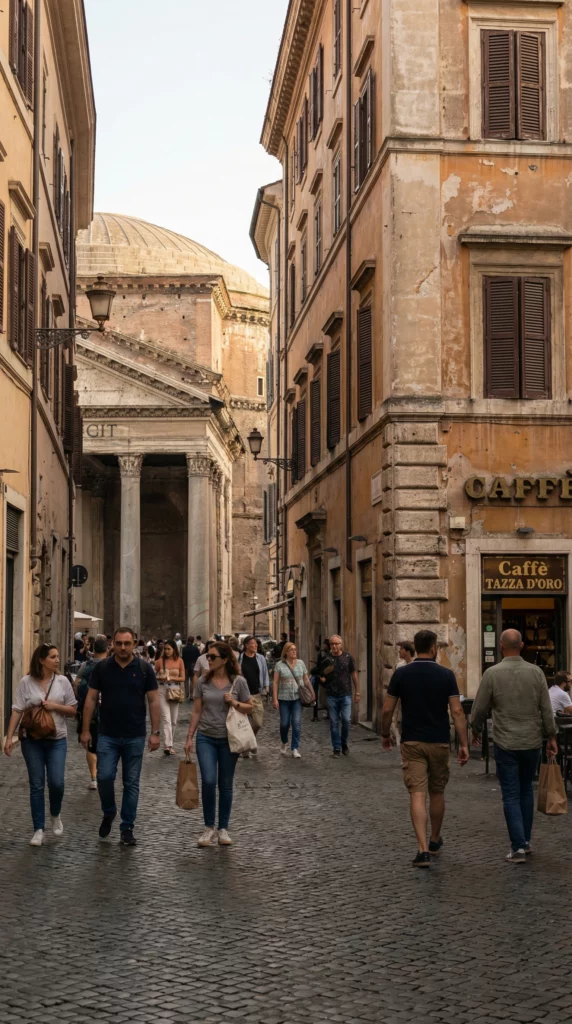
The historic centre — including the Pantheon, Piazza Navona, the Trevi Fountain, Campo de’ Fiori, and surrounding streets — is highly walkable and heavily trafficked throughout the day.
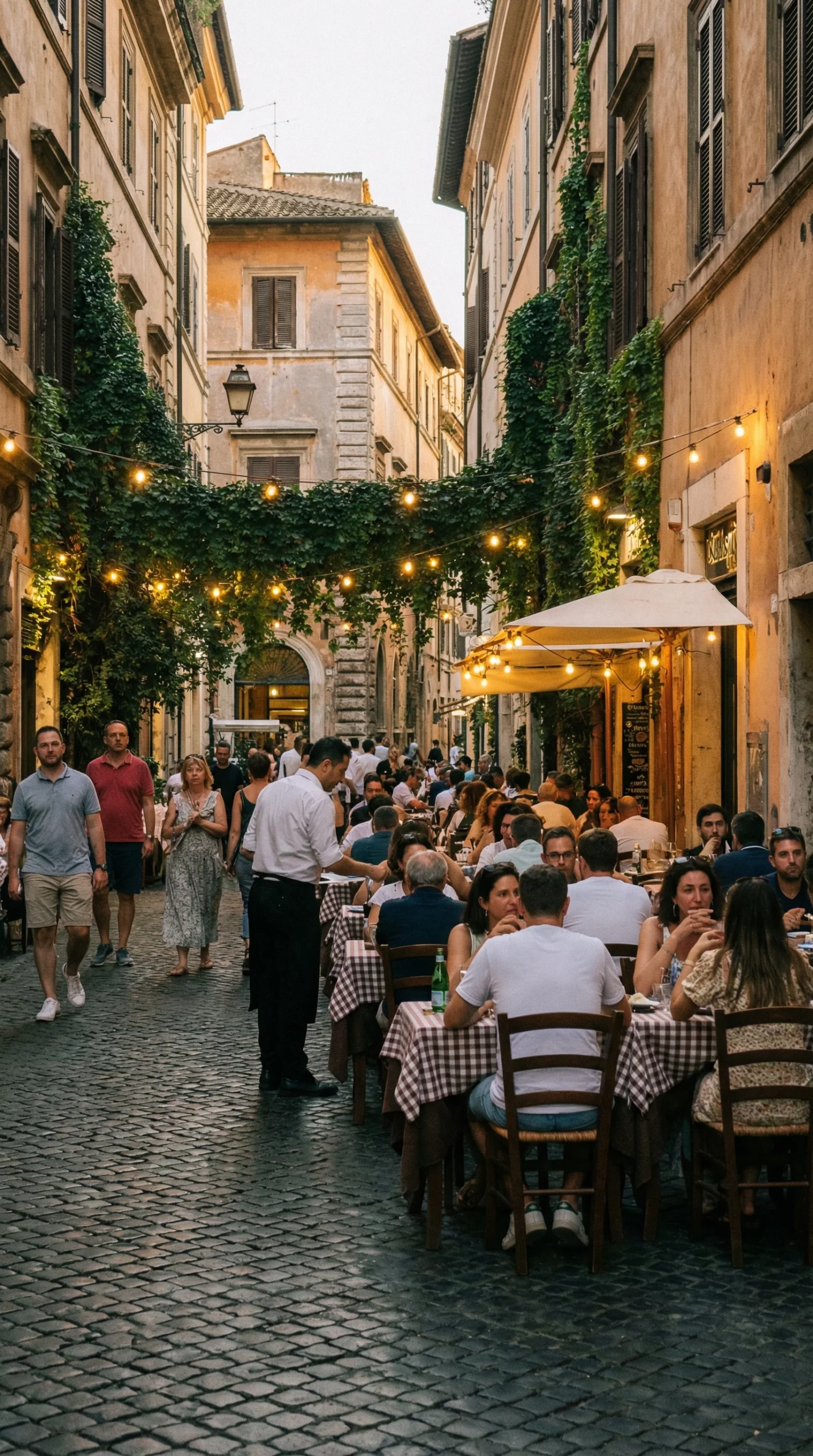
Trastevere, just across the Tiber River, has an active evening atmosphere with restaurants and foot traffic.
The Vatican area is structured and organised, particularly during daylight hours.
When solo travellers stay within or near these central districts, orientation becomes easier. Streets are active, signage is visible, and movement feels continuous rather than isolated.
Much of Rome’s perceived chaos is visual — scooters, traffic, layered architecture — not necessarily unsafe.
Petty Crime and Perception
Rome, like many major European capitals, has petty crime.
Pickpocketing occurs, particularly:
- Near major monuments
- On crowded buses and metro lines
- Around Termini Station
- In densely packed tourist areas
But context matters.
For every widely shared “horror story,” there are countless uneventful days that go unmentioned.
Most solo travellers move through Rome without incident.
The key is behavioural awareness rather than fear:
- Keep bags zipped and in front of you in crowded transport
- Avoid leaving phones exposed on café tables
- Stay attentive in tightly packed queues
This is not Rome-specific behaviour. It is urban travel awareness.
Understanding that distinction reduces unnecessary anxiety.

Neighbourhood Logic Matters
Rome feels different depending on where you stay.
Centro Storico is lively, central, and well-lit in the evenings.
Trastevere is vibrant at night but calmer in residential pockets.
The Vatican and Prati areas are more structured and quieter after dark.
Termini Station is functional and busy, but less atmospheric late at night.
Choosing accommodation in central, walkable districts reduces navigation stress and late-night transport dependence.
In most cases, safety improves when geography is simplified.

Cultural Behaviour and Social Awareness
Rome operates on a strong public rhythm.
Evenings are social.
Cafés are active.
Streets are rarely empty in central districts.
Understanding this rhythm helps solo travellers feel less conspicuous.
Dress modestly in religious sites.
Observe queue behaviour.
Match local volume in quieter neighbourhoods.
Much solo travel anxiety stems from feeling visible rather than unsafe.
When behaviour aligns with context, that visibility softens.
Solo Female Travellers in Rome
Rome is generally considered safe for solo female travellers in central districts.
Catcalling can occur, particularly in tourist-heavy areas, but it is typically verbal rather than escalatory.
Clear boundaries and non-engagement are usually effective responses.
As with any major city:
- Avoid poorly lit isolated streets late at night
- Use licensed taxis or reputable ride services
- Stay aware in crowded transport
Confidence grows when expectations are realistic and behaviour is proportionate.
Rome is not uniquely threatening.
It is a large European capital with typical urban dynamics.

Daylight Arrivals and Structured Pacing
Small structural decisions significantly reduce friction:
- Arrive during daylight hours when possible
- Choose central accommodation
- Use airport transfers or pre-booked transport if arriving late
- Keep your first day simple
Rome rewards gradual orientation.
Once you understand how districts connect and how pedestrian flow moves, the city feels less chaotic and more navigable.
Rome Rewards Awareness, Not Fear

So, is Rome safe for solo travellers?
In central districts, with normal urban awareness, yes — for most people.
Safety in Rome is not about eliminating risk entirely.
It is about:
- Staying in well-connected neighbourhoods
- Remaining attentive in crowded tourist areas
- Matching behaviour to cultural context
- Avoiding overcomplication
Rome is layered, busy, and animated.
But it is also structured, well-lit, and socially active.
With awareness rather than anxiety, solo travel in Rome can feel steady and manageable.
TLDR
If you’re asking is Rome safe for solo travellers, the answer depends largely on awareness and neighbourhood choice.
- Central districts are active and walkable
- Petty crime exists but is manageable with normal precautions
- Behavioural awareness reduces friction
- Daylight arrivals and simple planning increase confidence
For most solo travellers, Rome is navigable, structured, and culturally rich rather than unsafe.
Frequently Asked Questions
Is Rome safe for solo female travellers?
Rome is generally safe in central districts. Petty crime and occasional verbal harassment can occur, but serious incidents are uncommon when normal urban awareness is maintained.
Is pickpocketing common in Rome?
Pickpocketing does occur in crowded tourist areas and on public transport. Keeping belongings secure and remaining attentive significantly reduces risk.
Is it safe to walk around Rome at night?
Central areas like Centro Storico and Trastevere remain active into the evening. As in any large city, avoid poorly lit isolated streets late at night.
Should I stay near Termini Station?
Termini is convenient for transport but less atmospheric at night. Many solo travellers prefer staying within the historic centre for walkability and evening activity.
Is Rome overwhelming for solo travellers?
Rome can feel visually busy at first, but its main historic districts are compact and walkable. Orientation improves quickly with structured pacing.