Is Istanbul Safe for Solo Travellers?
Istanbul is a city that often carries more perception than experience.
Straddling Europe and Asia, layered with empire, faith, and modern political complexity, it can feel unfamiliar before you even arrive.
So if you’re asking is Istanbul safe for solo travellers, the answer requires nuance.
Istanbul is not a quiet, minimal city. It is dense, active, and culturally layered.
But in central districts, with awareness and proportionate expectations, it is navigable and manageable for most solo travellers.
Understanding how the city functions is far more useful than reacting to headlines.

Understanding Istanbul’s Geography
Istanbul’s scale can feel overwhelming at first.
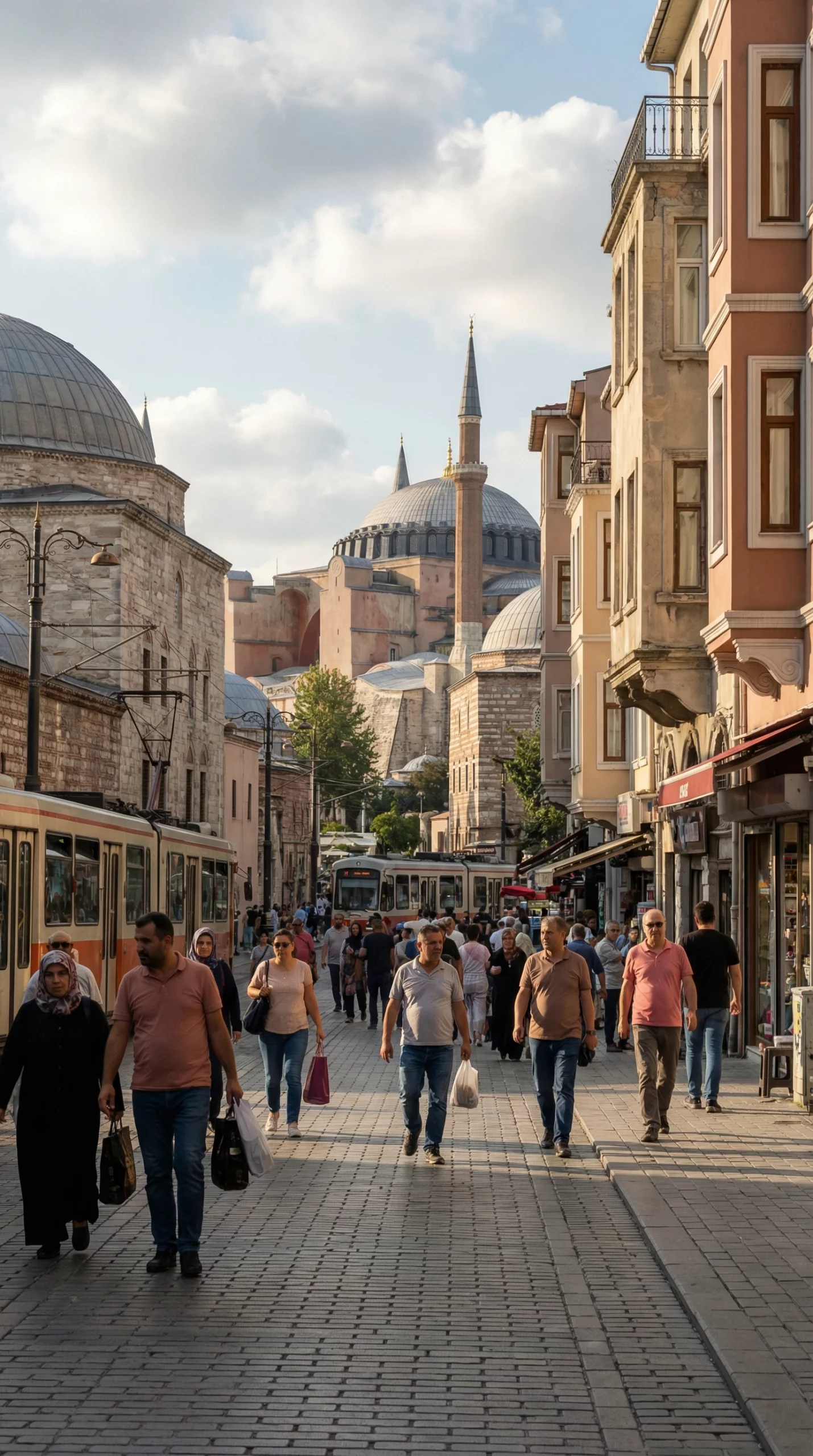
The Bosphorus divides the European and Asian sides, and within the European side alone, districts vary significantly in atmosphere and rhythm.
Most visitors spend time in:
- Sultanahmet (historic peninsula)
- Galata and Karaköy
- Beyoğlu (including Istiklal Street)
- The Bosphorus waterfront
These areas are active throughout the day, heavily touristed, and well-patrolled.
The city’s tram and ferry networks are structured and intuitive once used once or twice. While large, Istanbul’s primary visitor districts cluster more tightly than maps initially suggest.
Orientation improves quickly.
Perception Versus Lived Experience
Istanbul’s geopolitical position sometimes shapes perception more than daily reality.
Media narratives often focus on national politics or regional tensions, which can create anxiety before arrival.
But tourist districts function differently from abstract headlines.
Streets are busy.
Public squares are active.
Cafés remain open late.
Ferries cross continuously.
For every story that circulates online, there are countless ordinary days that go unshared.
Most solo travellers move through Istanbul without incident.
Context matters more than assumption.
Neighbourhood Logic Matters
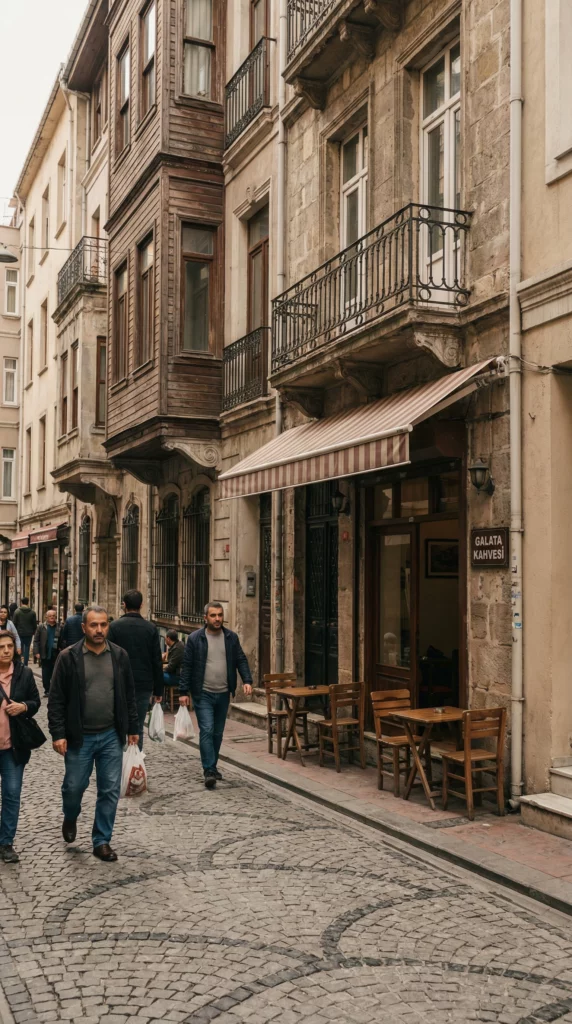
Where you stay significantly shapes how Istanbul feels.
Sultanahmet is structured and heavily touristed, particularly during daylight hours.
Galata and Karaköy are lively and well-connected, with pedestrian activity into the evening.
Istiklal Street and surrounding Beyoğlu areas remain active late, though some side streets quiet quickly.
Choosing central accommodation reduces navigation stress and late-night transport dependence.
As in any large city, avoiding poorly lit, isolated streets late at night is sensible.
But central Istanbul is rarely empty.
Cultural Awareness and Behaviour
Much solo travel anxiety comes from unfamiliar cultural cues rather than actual danger.
In Istanbul:
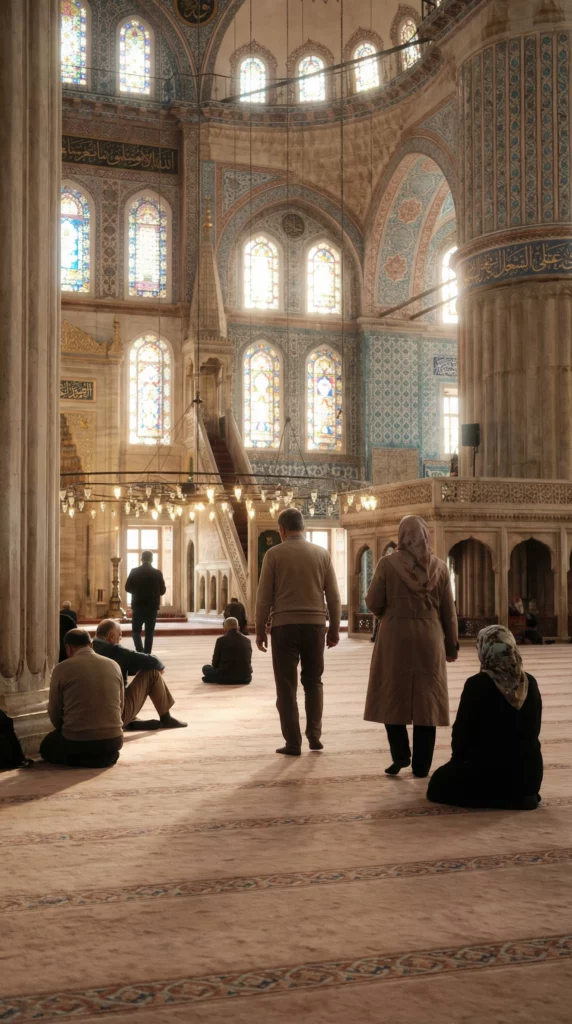
- Dress modestly in mosques
- Remove shoes in prayer spaces
- Observe photography rules
- Be aware during call to prayer times
- Match public behaviour to local rhythm
Understanding these norms reduces the feeling of standing out.
Tea culture, public seating areas, and waterfront promenades create constant social presence. You are rarely alone in central districts.
When behaviour aligns with context, safety often follows.
Solo Female Travellers in Istanbul
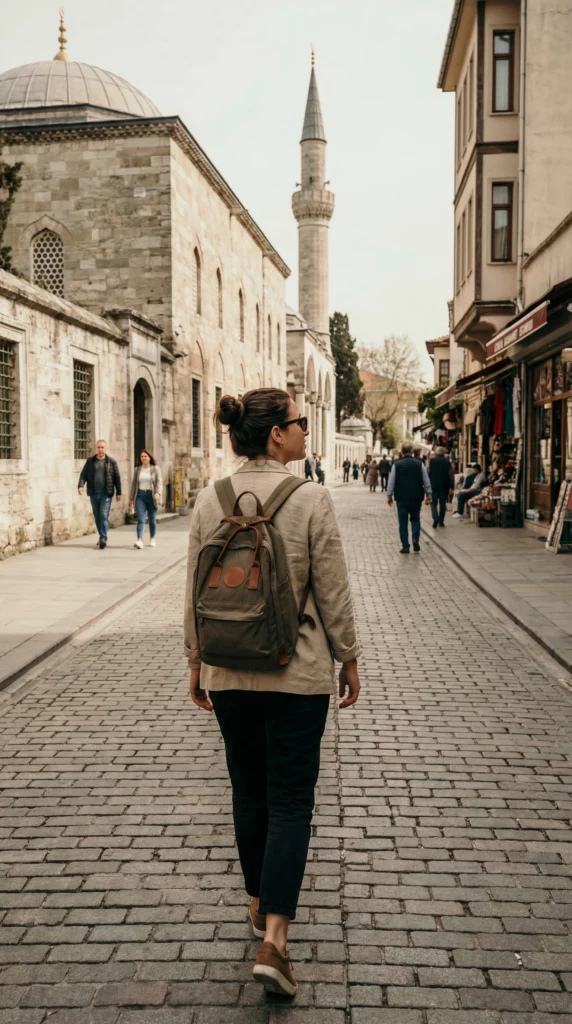
Istanbul is generally considered safe for solo female travellers in central, well-trafficked areas.
Unwanted attention can occur, particularly in tourist zones, but it is usually verbal rather than escalatory.
Clear boundaries and confident non-engagement are typically effective.
As in any major city:
- Stay in well-reviewed accommodation
- Use licensed taxis or established ride apps
- Avoid isolated late-night areas
- Trust situational awareness
Confidence grows from understanding the environment rather than fearing it.
Transport and Movement
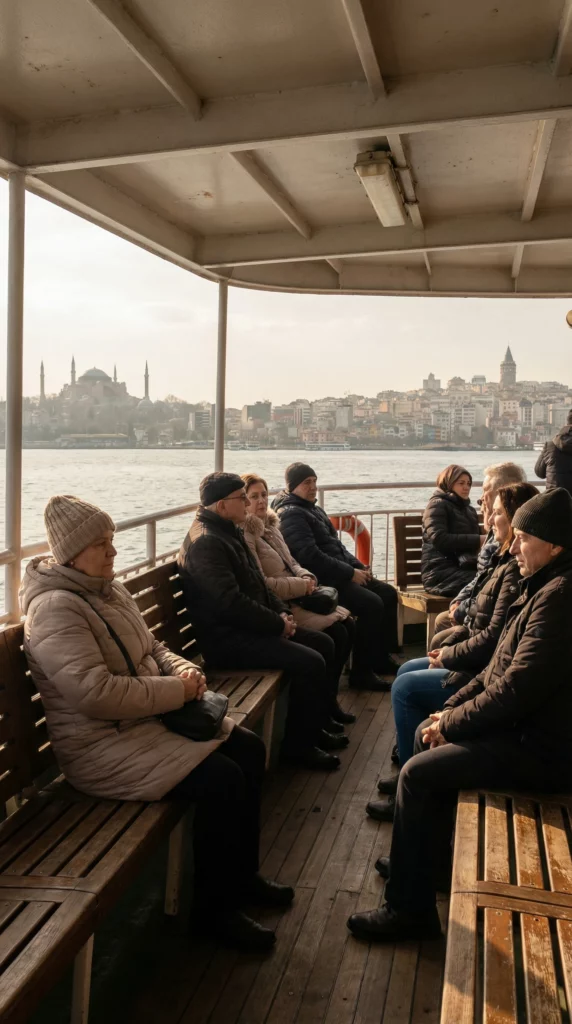
Public transport in Istanbul includes trams, metro lines, buses, and ferries.
The tram connecting Sultanahmet to other central districts is heavily used by visitors.
Ferries provide safe and scenic movement between continents.
Crowded transport requires the same awareness you would apply in Rome, Paris, or London.
Bag security.
Phone awareness.
Calm attention.
Urban behaviour — not heightened anxiety — is the key.
Istanbul Rewards Cultural Intelligence
So, is Istanbul safe for solo travellers?
In central districts, with normal urban awareness, yes — for most visitors.
Istanbul is layered, active, and occasionally overwhelming.
But it is not inherently hostile.
Safety increases when you:
- Stay central
- Arrive during daylight if possible
- Observe cultural norms
- Avoid isolated areas late at night
- Remain attentive in crowded transport
Understanding the city’s rhythm reduces uncertainty.
Istanbul rewards awareness, not fear.
TLDR
If you’re wondering is Istanbul safe for solo travellers:
- Central districts are active and well-trafficked
- Media perception does not reflect daily tourist reality
- Cultural awareness reduces friction
- Urban precautions apply, as in any major city
For most solo travellers, Istanbul is navigable, structured, and culturally rich rather than unsafe.
FAQs
Is Istanbul safe for solo female travellers?
Yes, particularly in central districts. Unwanted attention can occur, but serious incidents are uncommon with normal urban awareness.
Is public transport safe in Istanbul?
Yes. Trams and ferries are widely used by locals and visitors. Maintain standard city-level awareness in crowded areas.
Are there areas to avoid in Istanbul?
As with any large city, avoid poorly lit or isolated streets late at night. Central visitor districts are generally comfortable for solo travellers.
Is Istanbul overwhelming for solo travellers?
It can feel busy at first, but districts are more structured and connected than they initially appear. Orientation improves quickly.