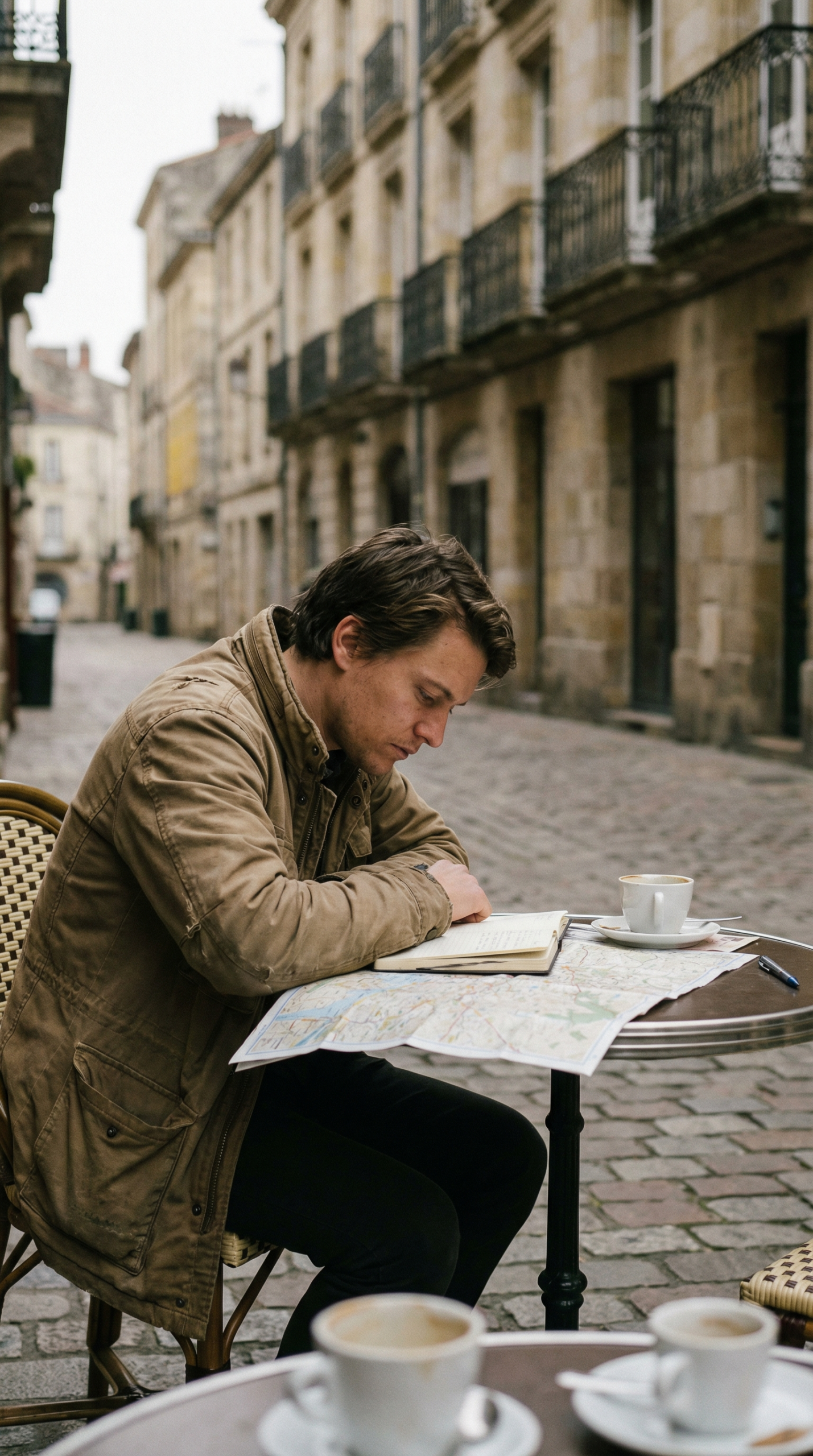
How to Travel More Meaningfully (Beyond a Checklist)
Airports have a particular rhythm to them now.
Rolling suitcases. Boarding calls. People scanning their phones for the next gate, the next transfer, the next must-see.
Modern travel makes it possible to see more places than ever before. But seeing more doesn’t always mean experiencing more. And it certainly doesn’t guarantee remembering more.
If you’ve ever returned home with hundreds of photos but only a handful of moments that feel vivid, you’ve already sensed the difference.
Meaningful travel isn’t about adding more destinations to your map.
It’s about deepening your relationship with the ones you choose.
Here’s how to travel more meaningfully — without turning your trip into a performance, a checklist, or a race against time.
1. Meaning Begins With Intention, Not Activity
Most trips start with logistics: flights, accommodation, transport, restaurant reservations.
Very few start with a question.
Meaningful travel begins before you board the plane. It begins with asking yourself what you’re actually curious about.
- Are you drawn to places shaped by faith?
- Are you interested in post-colonial identity?
- Do you want to understand a city through its food?
- Are you exploring collective memory, architecture, migration, ritual?
Choosing an anchor changes everything. Instead of trying to “fit everything in,” your decisions start aligning naturally around a theme.
You don’t eliminate spontaneity.
You simply give your curiosity direction.
That small shift — from activity-driven to intention-driven — is often what separates consumption from connection.
2. Depth Over Coverage
There’s quiet pressure in travel culture to maximise.
More cities.
More landmarks.
More “while we’re here” additions.
But depth rarely comes from speed.
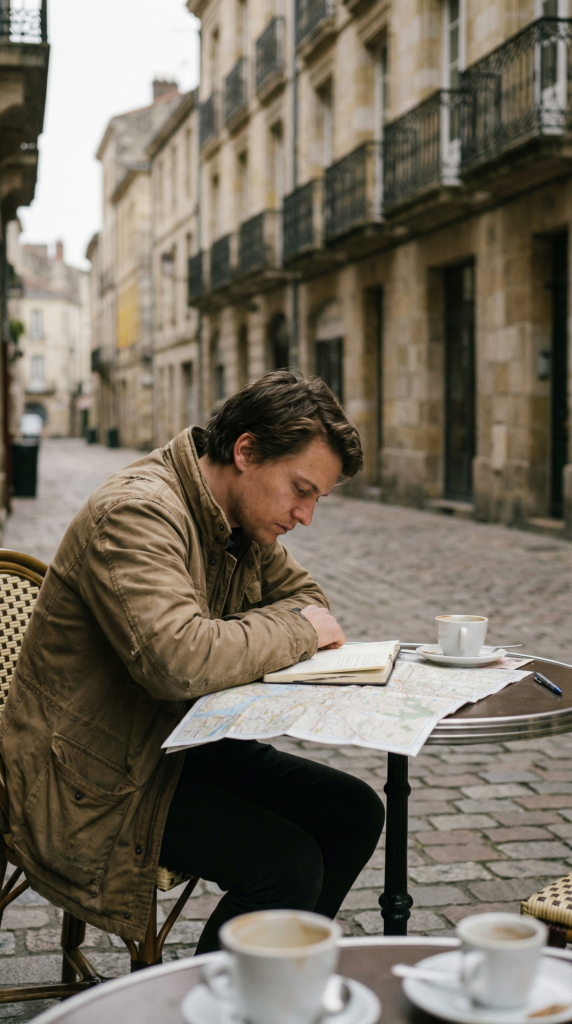
Staying longer in one place allows patterns to reveal themselves. You begin to notice how mornings feel different from evenings. Which neighbourhoods change character after dark. Which public spaces are social hubs rather than tourist corridors.
Choosing fewer cities doesn’t mean limiting your experience. It often means intensifying it.
You start recognising shop owners. You revisit the same square. You find yourself walking a familiar route without checking a map.
When travel shifts from “How much can I cover?” to “How deeply can I understand?”, the texture of the experience changes.
3. Context Changes Everything
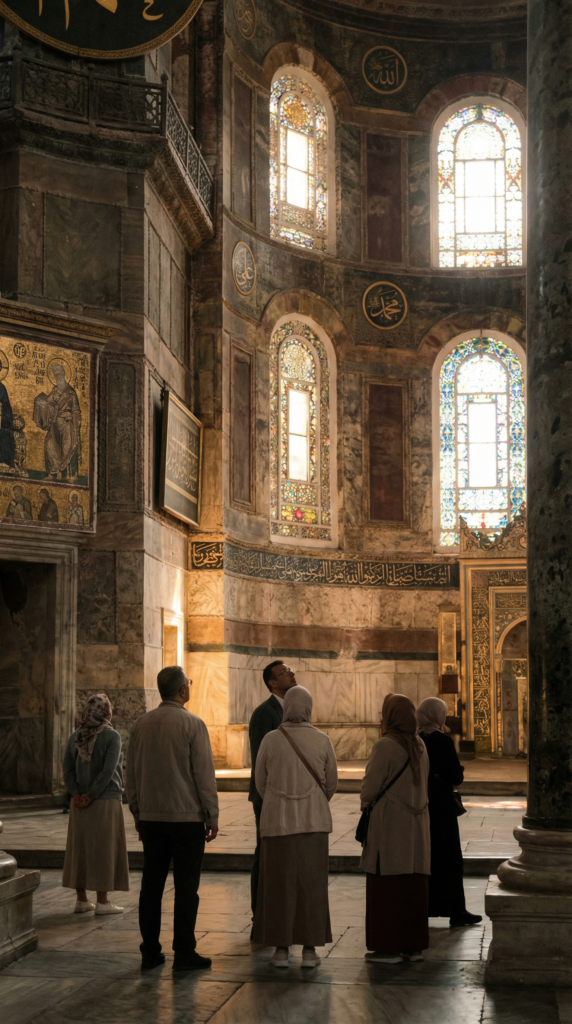
One of the biggest lessons I learned came in Turkey.
I arrived with curiosity, but not enough context.
I visited mosques, historic districts, and neighbourhoods layered with centuries of empire and reform — but I realised afterwards that I hadn’t fully understood what I was looking at. I had read, but not deeply enough. I had skimmed the surface of history rather than grounding myself in it.
And when context is thin, meaning is thinner.
Understanding the historical, political, and cultural foundations of a place doesn’t remove discovery — it sharpens it.
When you know:
- Why certain architectural styles dominate,
- Why a public square carries political weight,
- Why religious practice shapes daily rhythm,
- Why certain memorials exist at all,
you move differently. You observe more carefully. You ask better questions.
Context turns structures into stories.
Without it, even the most beautiful places risk becoming backdrops.
4. Presence and Pace
Meaningful travel requires a different relationship with time.
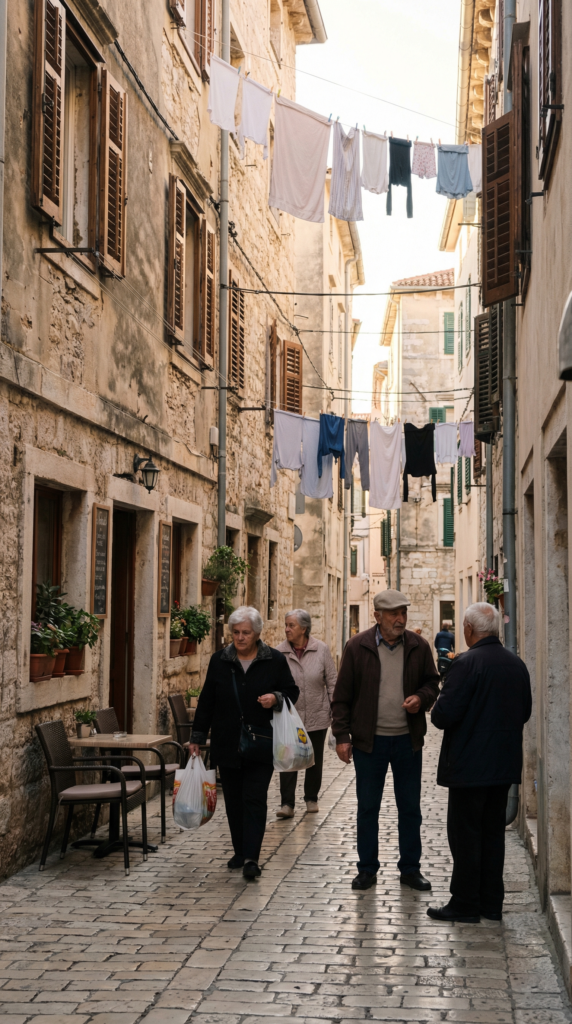
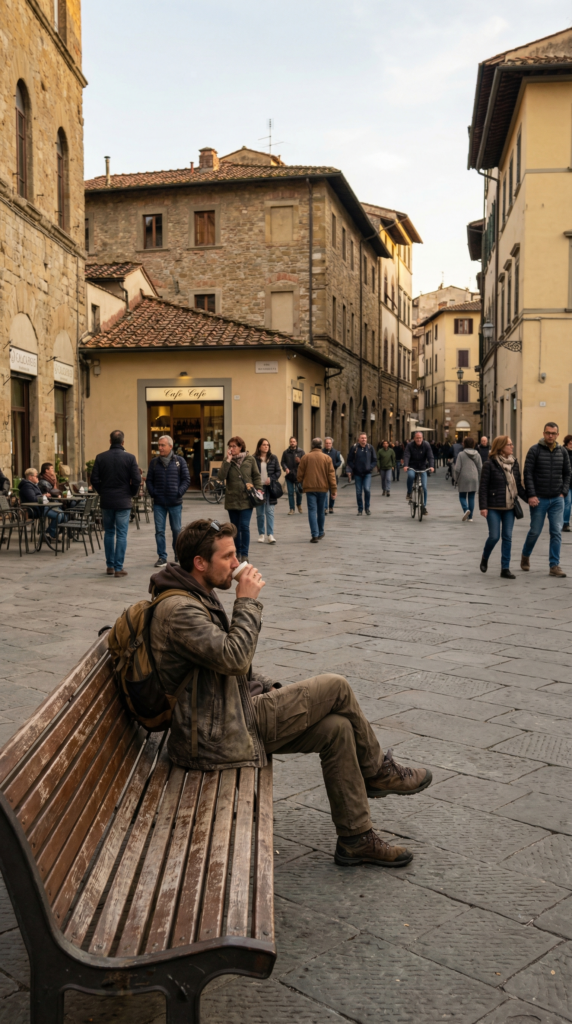
It allows space for repetition — walking the same street twice, sitting longer than necessary, staying in a public square without a clear objective.
There’s value in boredom. In waiting. In watching.
When you slow down:
- You overhear conversations.
- You notice rituals in everyday life.
- You see how locals use a space differently from visitors.
- You allow your own reactions to settle.
Speed creates images.
Presence creates memory.
Travel doesn’t need to feel productive to be meaningful.
5. Memory Is Formed Through Meaning, Not Volume
Looking back on some of my earliest trips, I realised how many experiences don’t immediately come to mind. I documented them carefully at the time — full travel diaries, detailed notes — and I’m grateful I did. Without those journals, parts of those journeys would have faded completely.
But I also regret not maintaining that habit consistently on later trips.
What stays with us isn’t always the number of landmarks visited. It’s the conversations, the quiet realisations, the unexpected layers that made a place feel distinct.
Memory anchors to meaning.
It attaches to:
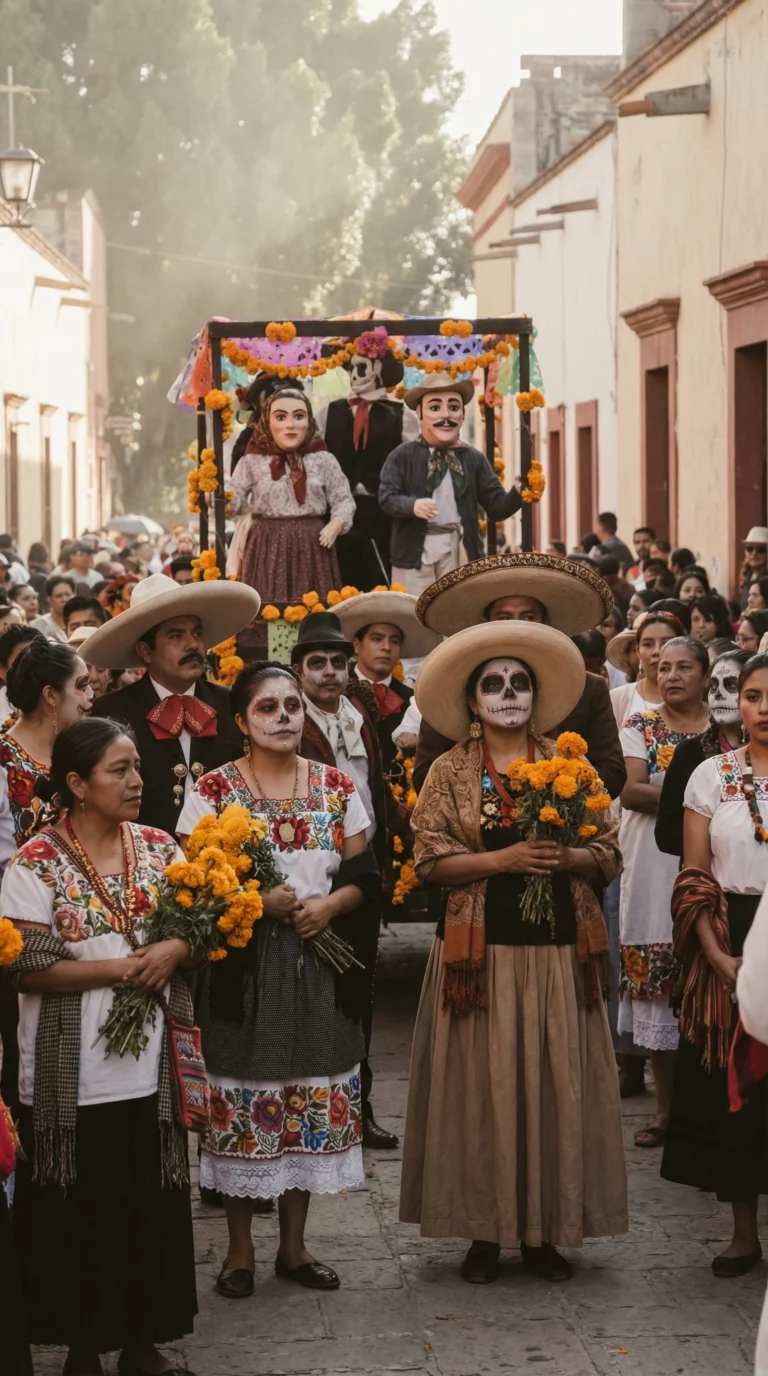
- A ceremony you understood rather than merely witnessed.
- A neighbourhood you returned to.
- A moment when something you had read suddenly made sense in front of you.
The goal isn’t to preserve every detail. It’s to allow moments enough depth that they imprint naturally.

A Different Way to Measure a Trip
It’s easy to measure travel in distance and numbers.
Countries visited.
Cities covered.
Attractions ticked off.
But meaningful travel is measured differently.
It’s measured in understanding.
In how well you can explain why a place looks the way it does.
In how clearly you grasp the forces that shaped it.
In whether you left with better questions than you arrived with.
The most meaningful journeys are rarely the ones where you saw the most.
They’re the ones where you understood the most.
TLDR — How to Travel More Meaningfully
- Start with intention, not just logistics.
- Choose fewer places and allow depth to develop.
- Learn historical and cultural context before you arrive.
- Slow your pace once you’re there.
- Focus on understanding rather than accumulation.
Meaning grows through presence, context, and curiosity — not volume.
FAQ
What does meaningful travel actually mean?
Meaningful travel focuses on understanding a destination’s history, culture, and everyday life rather than simply visiting landmarks. It prioritises depth, context, and intention over speed.
How can I make a short trip more meaningful?
Choose one theme or question to anchor your trip. Learn the basic historical and cultural context before arrival, and resist the urge to over-schedule your days.
Does meaningful travel mean slow travel?
Not necessarily. You can travel at any pace, but meaningful travel usually involves choosing depth over constant movement and allowing time for observation.
Can popular destinations still be meaningful?
Absolutely. Meaning doesn’t depend on obscurity. It depends on how you approach the place — with curiosity, respect, and context.
Is meaningful travel more expensive?
Not inherently. In fact, focusing on fewer destinations and longer stays can reduce transport costs. Meaningful travel is about mindset and structure, not luxury.