Experiencing Easter in Rome: What to Expect and How It Feels
Rome Feels Different at Easter
Rome is never quiet.
Even in its slower moments, there is always movement — footsteps echoing across stone, voices carrying through piazzas, the low rhythm of a city that has never really stopped.
But during Easter, that movement changes.
It becomes more directional. More intentional.
The city fills, not just with tourists, but with people arriving for something specific. You notice it in the way crowds gather, in the increased presence around churches, in the subtle shift in atmosphere that is difficult to define at first.
It is still Rome. But it feels slightly reoriented.
Why Easter Matters in Rome
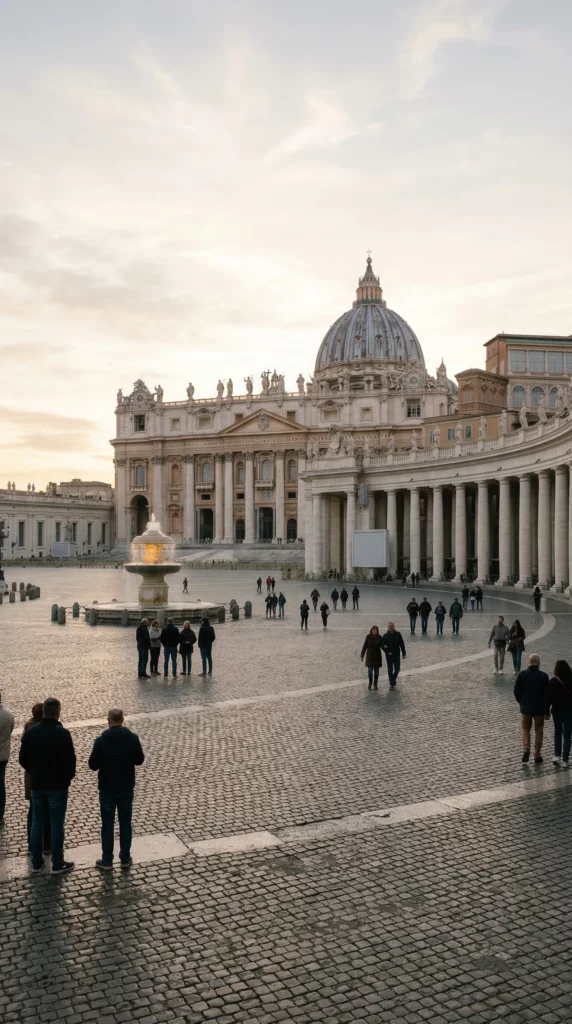
Easter in Rome is not just a seasonal event — it sits at the centre of the Catholic calendar, and the Vatican places the city in a unique position.
This is where religious tradition, history, and global attention converge.
The rituals that take place during Holy Week are not new performances for visitors. They are part of a long-standing continuity — observed, repeated, and carried forward over centuries.
Even if you are not religious, it is difficult to ignore the weight of that continuity when you are there.
Rome, at Easter, becomes both a destination and a focal point.

The Atmosphere Across the City
What stands out most is not a single event, but the overall atmosphere.
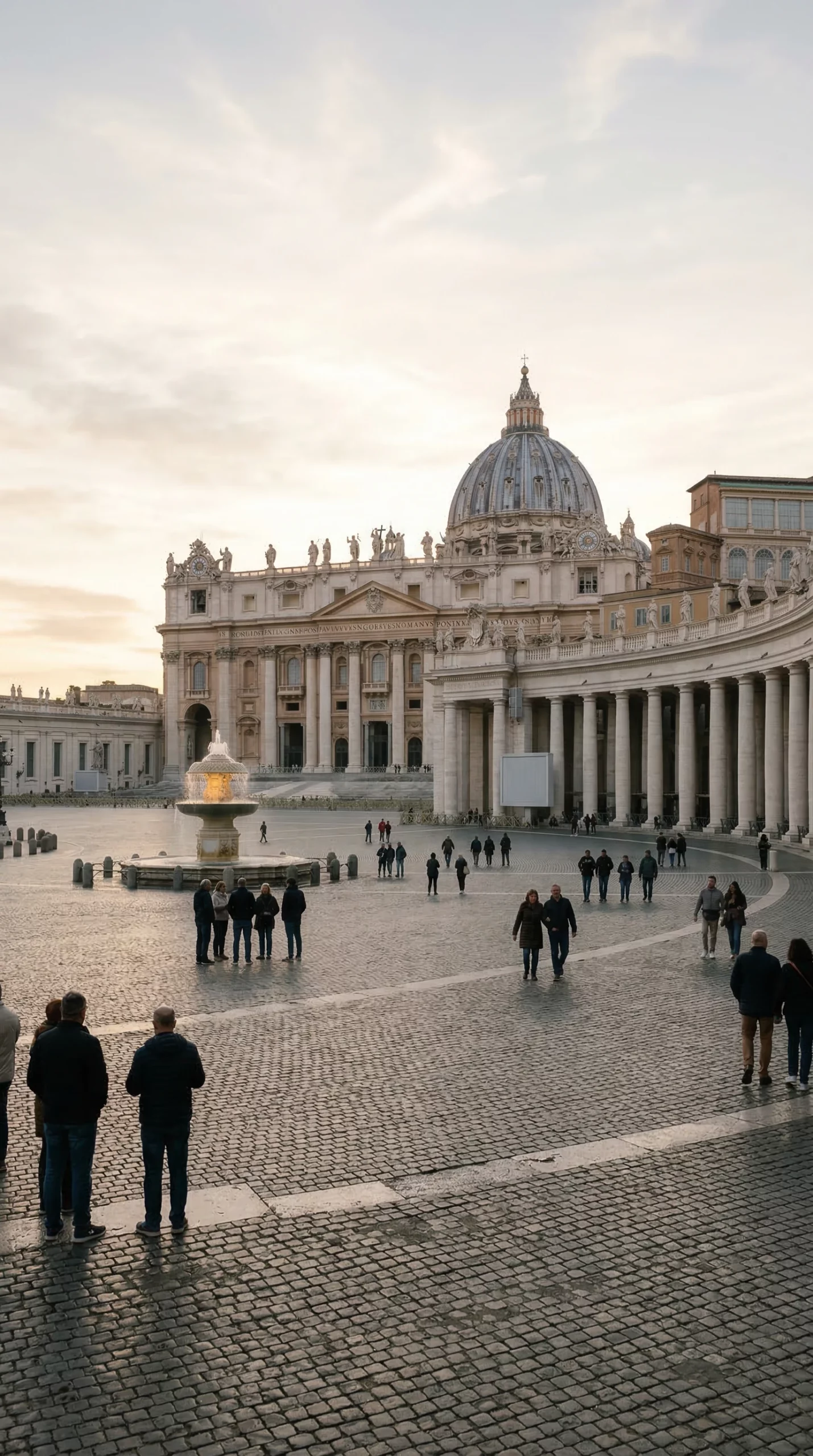
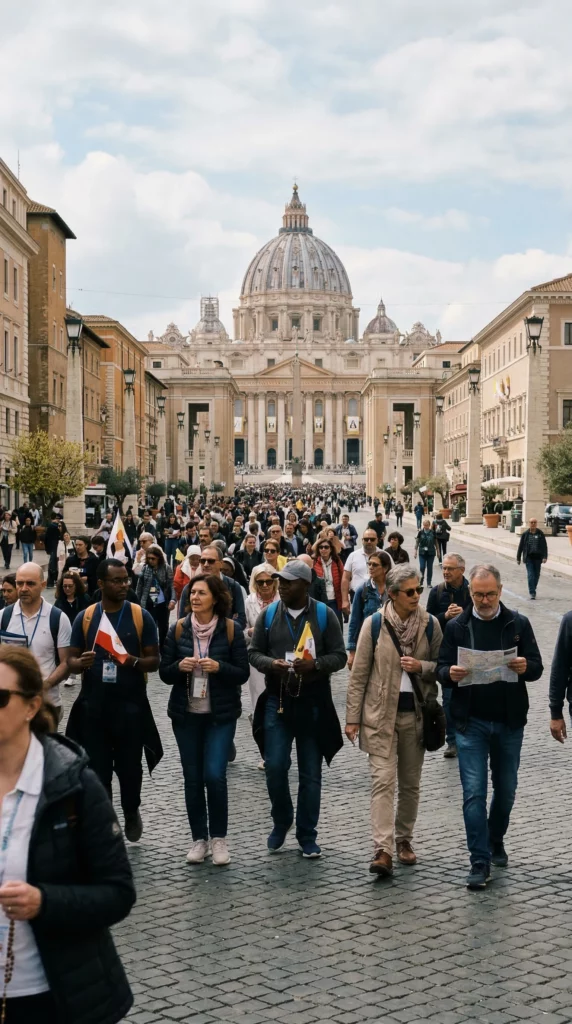
Around the Vatican, movement becomes dense and purposeful. Pilgrims gather early, waiting quietly or moving steadily toward St Peter’s Square. There is a sense of anticipation, but it is not loud or celebratory in the way some festivals are.
Elsewhere in the city, the shift is more subtle.
Churches feel more active. Public spaces hold a slightly different energy. You may find yourself stepping into a smaller basilica and noticing that people are not just passing through — they are sitting, observing, participating.
Even in familiar places, the context changes.
The city feels layered in a different way.
Key Experiences (Without the Checklist)
There are, of course, focal moments.
St Peter’s Square becomes the centre of attention during major events, drawing large crowds and creating a shared sense of occasion. The Via Crucis at the Colosseum, and the Easter Sunday Mass, are among the most widely recognised.
But what defines the experience is not simply attending these moments.
It is how they shape the movement of the city.
You notice the early mornings, the quiet waiting, the gradual gathering of people. You notice how even outside the Vatican, churches become places of pause rather than just landmarks.
If you do attend one of the major events, the scale is undeniable.
If you don’t, you will still feel their presence.
The Reality: Crowds, Access, and Movement
It would be incomplete to talk about Easter in Rome without acknowledging the practical reality.
The city is busy.
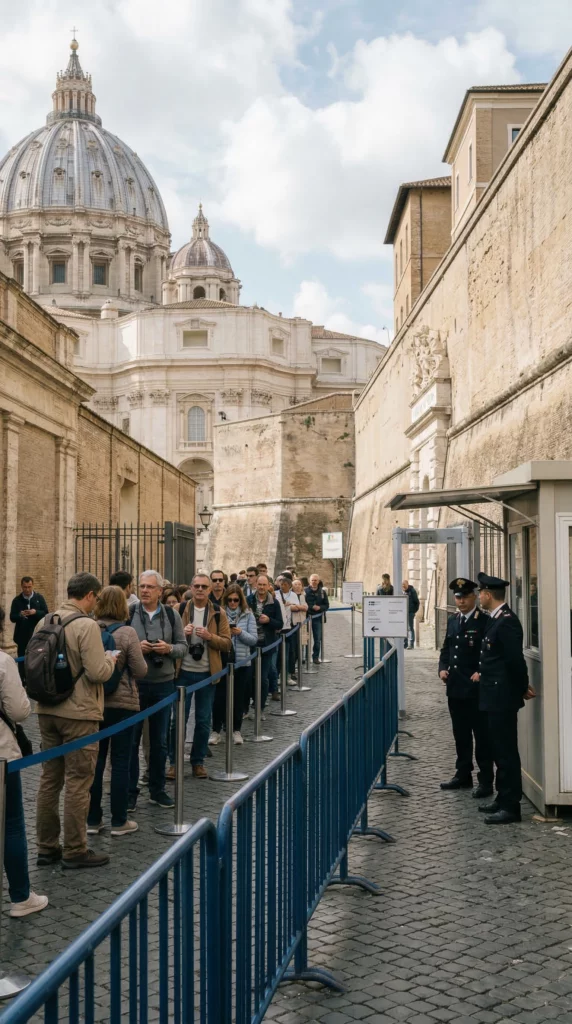
Crowds around the Vatican can be significant, particularly during major events. Security is visible, access points are controlled, and movement can be slow.
Some areas may feel more restricted than usual, and spontaneous wandering becomes slightly less fluid in certain parts of the city.
Planning helps — but even with planning, patience is required.
This is not the time for fast-moving itineraries or tightly scheduled days.
Rome during Easter asks you to adjust your pace.
How It Feels to Be There
What stays with you is not a single moment.
It is the contrast.
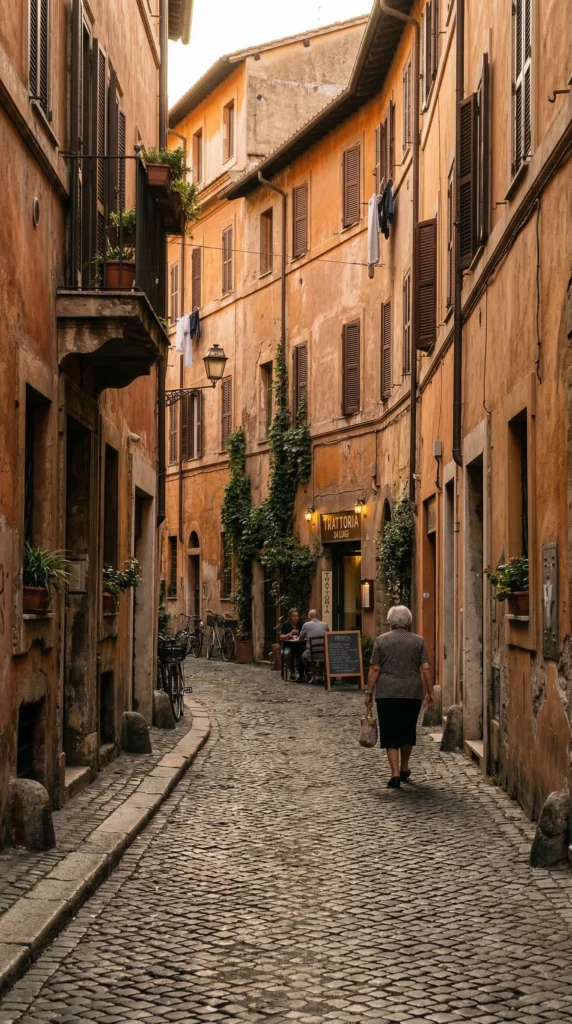
The density of St Peter’s Square compared to the quiet of a side street. The collective experience of a large gathering followed by a solitary walk past an open church door.
There is a sense that something is happening — even when you are not directly part of it.
And that is where the experience becomes more than observational.
You are not just seeing Rome at Easter. You are moving through a city that is temporarily aligned around something shared, whether you participate in it or not.
Closing Reflection
Rome does not stage Easter.
It absorbs it.
The rituals, the movement, the gathering of people — they settle into the city’s existing layers of history, faith, and daily life.
And as a visitor, you don’t need to attend everything to feel it.
Sometimes, it is enough to notice the shift.
TLDR — Experiencing Easter in Rome
• Easter in Rome brings a noticeable shift in atmosphere, especially around the Vatican
• The city attracts both pilgrims and visitors, creating a more intentional energy
• Major events exist, but the experience is shaped by the overall movement of the city
• Crowds and restricted access are part of the reality
• The most meaningful moments often come from observation, not participation
FAQ
Is Easter a good time to visit Rome?
It can be a rewarding time to visit if you are interested in cultural and religious context. However, expect larger crowds and slower movement around key areas.
Do you need tickets for Easter events at the Vatican?
Some events require free tickets arranged in advance, while others are open but very crowded. It is best to check official Vatican sources before planning.
Is Rome too crowded during Easter?
Certain areas, especially near the Vatican, can become very crowded. Other parts of the city remain more manageable.
Can you still visit attractions during Easter?
Yes, but availability and access may vary, particularly around major religious events.
Do you need to be religious to appreciate Easter in Rome?
No. The experience can still be meaningful from a cultural and observational perspective.
Explore Further
|
Semana Santa Oaxaca |