Is Mexico City Safe for Solo Travellers?
Mexico City is often misunderstood through scale.
It is one of the largest cities in the world, layered with history, neighbourhood identity, and urban contrast.
So when asking is Mexico City safe for solo travellers, the answer depends less on national reputation and more on neighbourhood logic and movement patterns.
Like any major global capital, Mexico City requires awareness.
But in the districts most travellers explore, solo travel is structured, active, and manageable with proportionate expectations.
Understanding Scale and Neighbourhood Structure
Mexico City is vast.
But visitors rarely experience the entire metropolis.
Most travellers spend time in:
- Roma Norte
- Condesa
- Polanco
- Centro Histórico
- Coyoacán
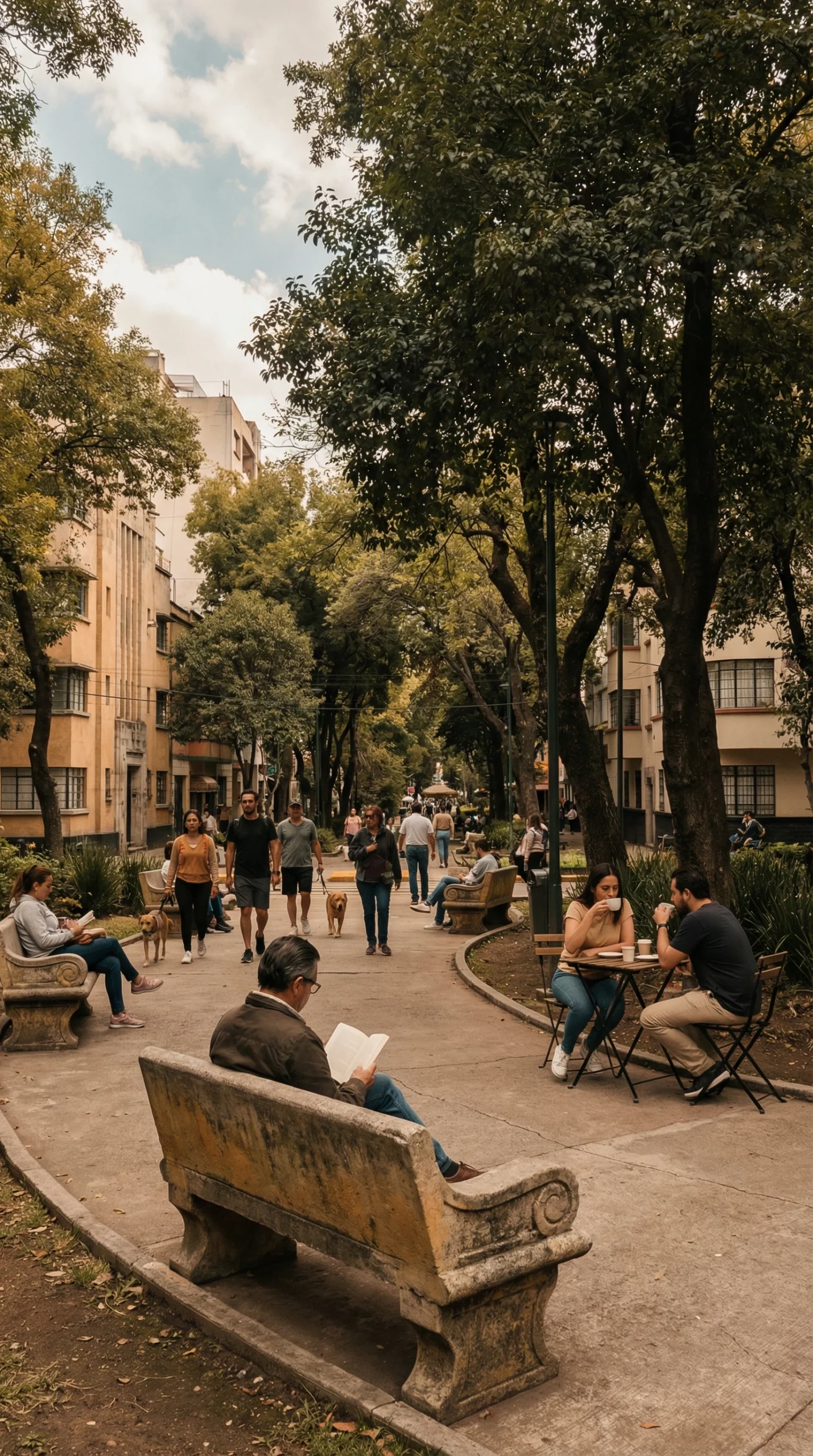
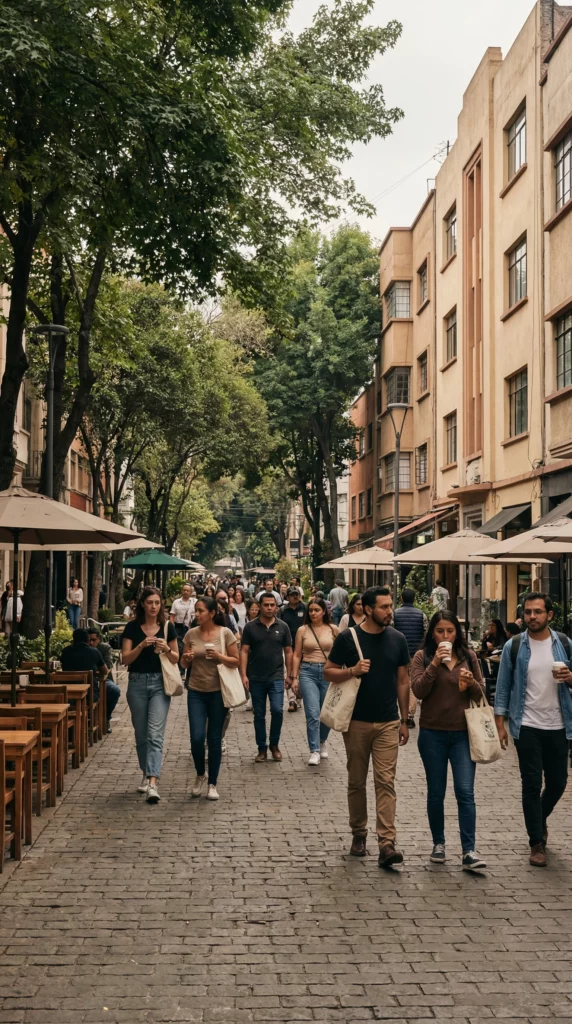
These neighbourhoods are walkable, active, and culturally rich.
They have visible pedestrian life, café culture, and steady public movement.
Safety in Mexico City is less about the size of the city and more about staying within well-connected districts.
When geography is simplified, overwhelm reduces quickly.
Perception Versus Everyday Reality
Mexico as a country often carries headlines related to organised crime or regional violence.
But Mexico City operates differently from border regions or isolated rural areas.
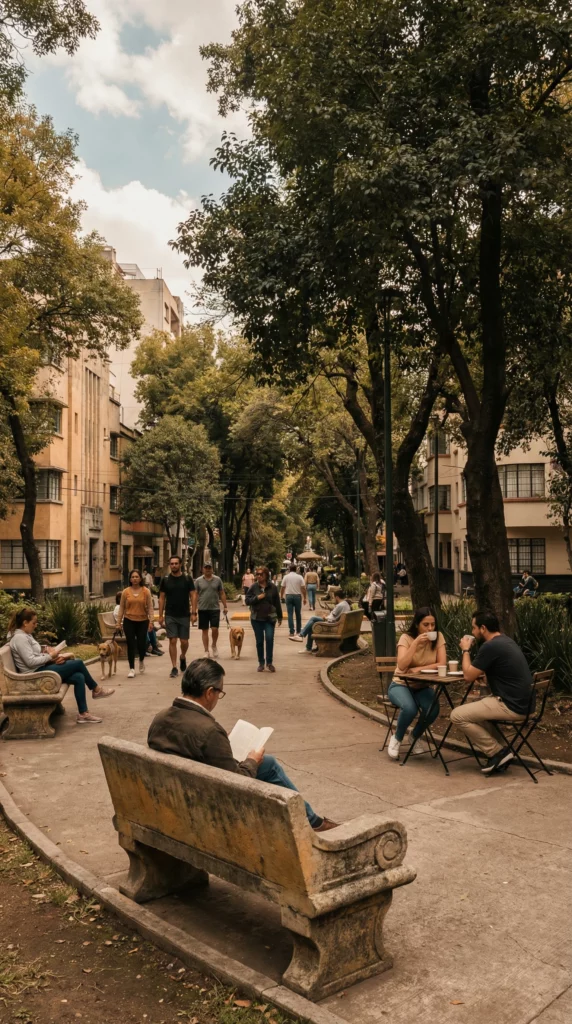
In central districts, daily life is:
- Busy
- Social
- Commercial
- Structured
For every widely shared cautionary story, there are countless routine days that go unmentioned.
Most solo travellers move through Mexico City without incident when staying in central neighbourhoods and applying standard urban awareness.
Perception often exceeds lived experience.
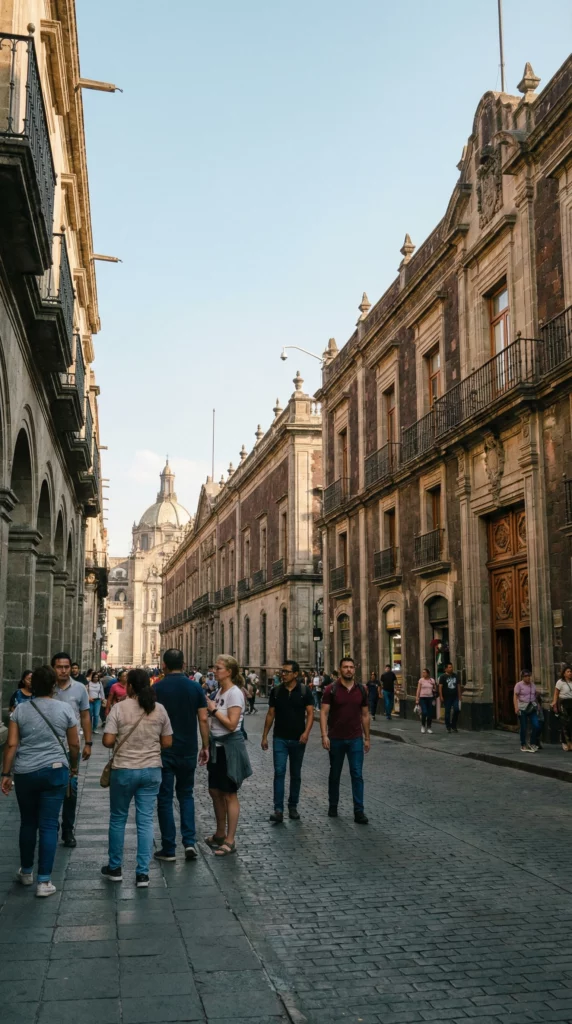
Neighbourhood Choice Shapes Experience
Choosing where to stay significantly influences how safe Mexico City feels.
Roma and Condesa are popular with visitors, filled with cafés, parks, and foot traffic.
Polanco is more upscale and structured.
Centro Histórico is dense and active during the day, though quieter in some areas at night.
Staying in well-reviewed accommodation within these neighbourhoods reduces isolation and unnecessary transport reliance.
Late-night wandering in unfamiliar outer districts is unnecessary for most travellers.
Structure improves confidence.
Urban Awareness in a Large Capital
Mexico City is busy.
Crowded transport and public spaces require the same awareness you would apply in New York, Paris, or London.
This includes:
- Securing bags in crowded areas
- Staying attentive in metro carriages
- Avoiding displaying valuables unnecessarily
These are not city-specific dangers.
They are urban behaviours.
Framing them proportionately reduces anxiety.
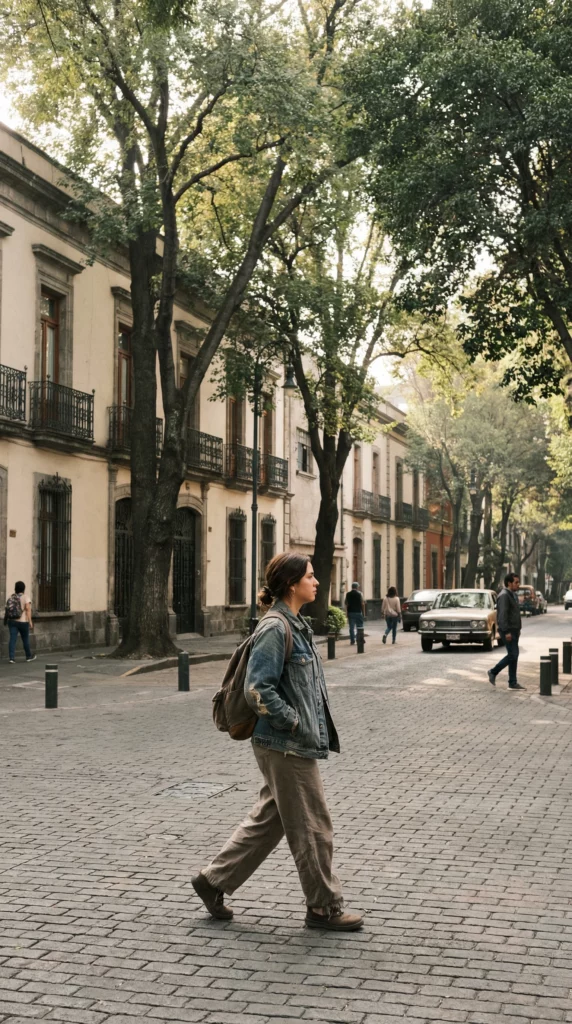
Solo Female Travellers in Mexico City
Mexico City is generally considered manageable for solo female travellers within central neighbourhoods.
As in any major city, unwanted attention can occur but is typically verbal and non-escalatory in tourist districts.
Clear boundaries and situational awareness are effective responses.
Practical measures include:
- Using reputable ride services at night
- Choosing central accommodation
- Avoiding poorly lit, empty streets late
Confidence grows when expectations are realistic rather than reactive.
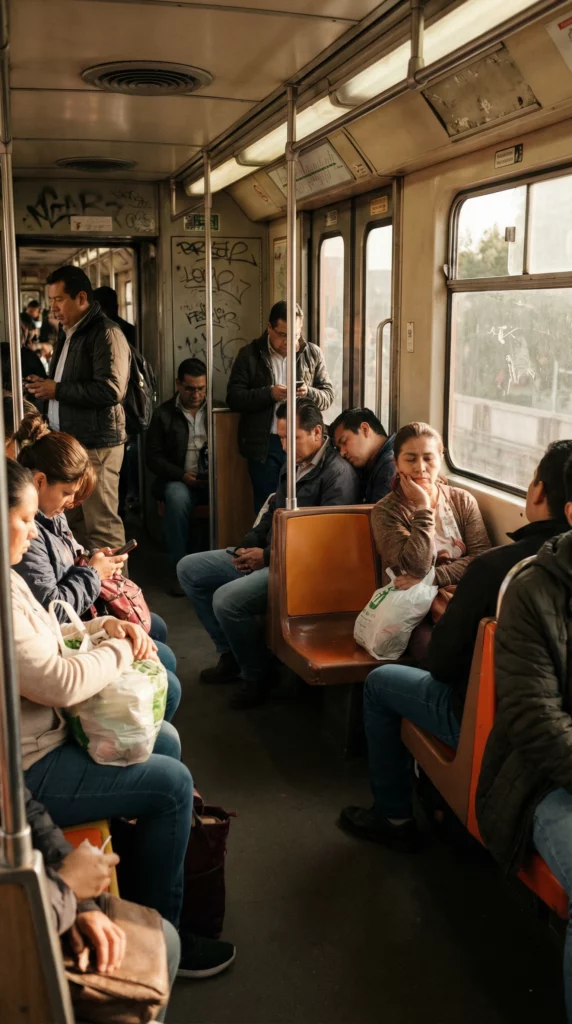
Transport and Movement
Mexico City’s metro system is extensive and affordable.
Ride services are widely used and accessible.
Walking within Roma, Condesa, and Polanco is straightforward during the day.
First impressions may feel intense due to traffic, altitude, and density.
But orientation improves quickly once daily rhythm becomes familiar.
Movement becomes manageable through repetition.
Mexico City Rewards Structure
So, is Mexico City safe for solo travellers?
In central neighbourhoods, with proportionate urban awareness, yes — for most visitors.
Mexico City is large, layered, and active.
But it is not uniformly unsafe.
Safety increases when you:
- Stay in well-connected neighbourhoods
- Avoid unnecessary late-night isolation
- Use structured transport
- Maintain standard urban awareness
Understanding scale reduces fear.
Mexico City rewards preparation, not panic.
TLDR
If you’re wondering is Mexico City safe for solo travellers:
- Central districts like Roma and Condesa are walkable and active
- National headlines do not reflect daily visitor reality
- Urban awareness applies, as in any major capital
- Neighbourhood choice shapes experience
For most solo travellers, Mexico City is structured and navigable rather than inherently unsafe.
FAQs
Is Mexico City safe for solo female travellers?
Yes, particularly in central districts such as Roma, Condesa, and Polanco. Apply normal urban awareness and use reputable transport options.
Is public transport safe in Mexico City?
The metro is widely used, but crowded. Maintain normal city-level awareness and secure belongings.
Are there areas to avoid in Mexico City?
Like any large city, some outer districts are less suitable for visitors. Staying within central, well-connected neighbourhoods is advisable.
Is Mexico City overwhelming for solo travellers?
Its scale can feel intense at first, but focusing on a few neighbourhoods makes orientation manageable.