How to Travel Solo Confidently
Solo travel is often framed as something bold.
Brave. Fearless. Transformational.
But learning how to travel solo confidently rarely comes from personality. It comes from preparation, cultural awareness, and understanding how to move through a place with intention.
The most confident solo travellers are not the loudest or the most spontaneous. They are usually the most observant.
Confidence is quiet.
And it can be built.

Confidence Begins Before You Leave
If you want to know how to travel solo confidently, start before departure.
Confidence doesn’t begin at the airport. It begins with understanding the structure of a place — how neighbourhoods connect, how transport systems function, and what social norms shape everyday life.
Even small preparation reduces friction.
Before travelling, learn a few basic phrases:
- Hello
- Thank you
- Please
- Excuse me
- How much?
- Goodbye
Even imperfect pronunciation signals respect. And respect changes interactions.
Language apps like Duolingo or similar short daily practice tools can build familiarity quickly. You don’t need fluency — you need recognition.
When you recognise words on a sign or understand a response at a café counter, your nervous system settles.
Familiarity creates steadiness.
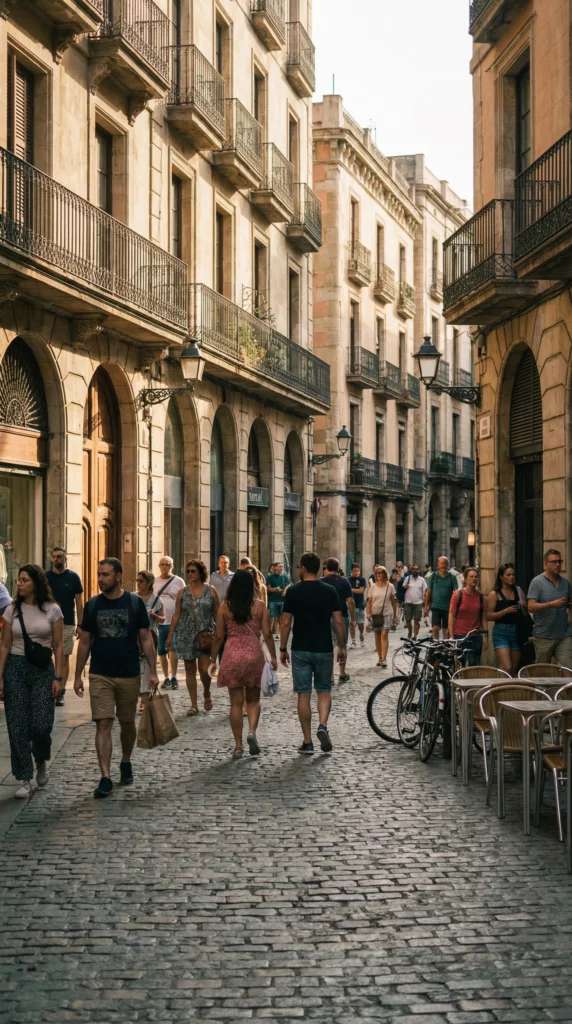
Start With Walkable Cities
If you’re building solo travel confidence, your first destination doesn’t need to be complex.
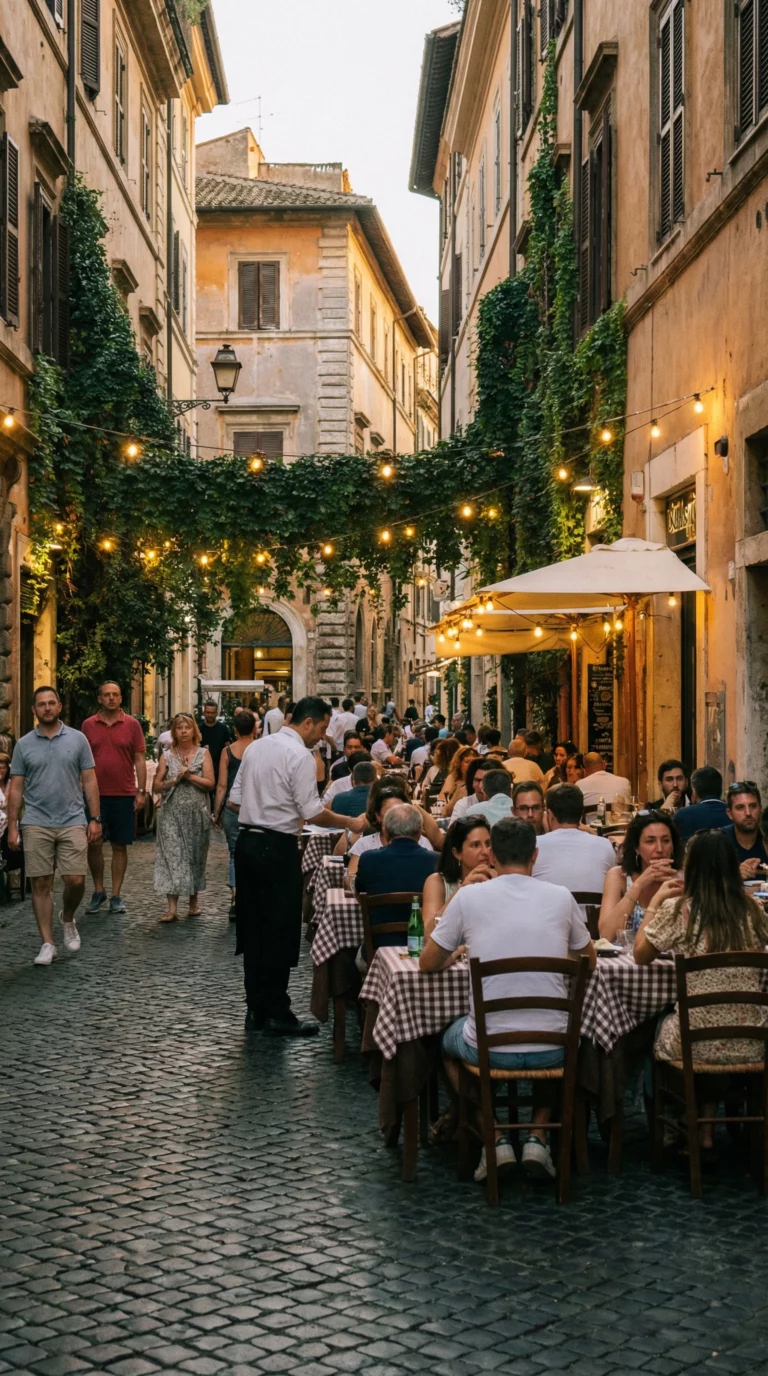
Walkable cities reduce decision fatigue. When accommodation, food, cultural sites, and everyday streets sit within the same district, movement feels manageable.
Public transport can make some travellers nervous — unfamiliar ticket machines, route maps in another language, unclear exits. That’s normal.
There is no rule that says you must master a metro system immediately.
Choose destinations where:
- Major sites cluster together
- Streets are pedestrian-friendly
- Returning to your accommodation feels simple
Orientation builds confidence.
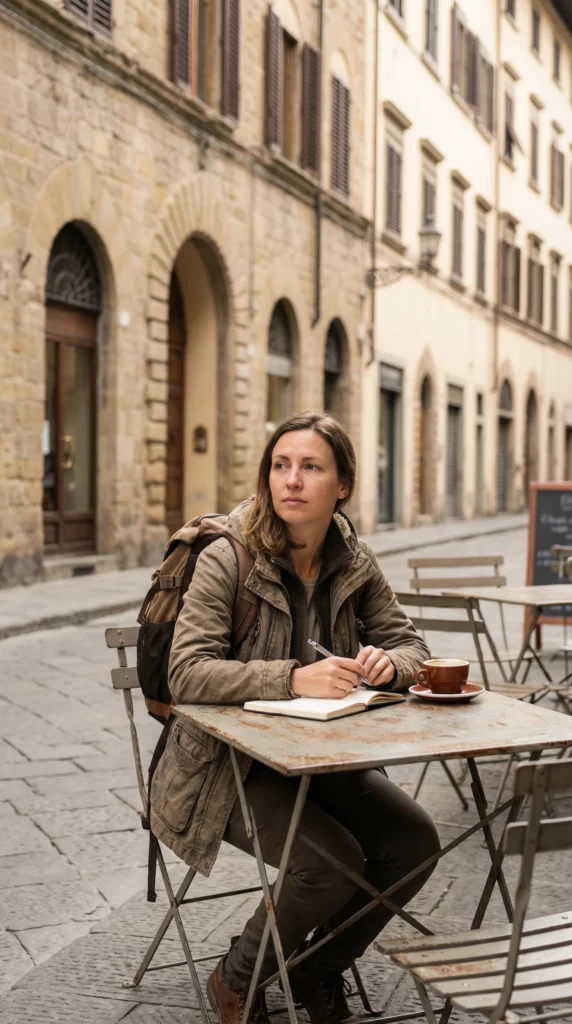
Cultural Awareness Reduces Social Anxiety
Much solo travel anxiety is not about danger.
It’s about visibility.
Where do I stand?
Am I dressed appropriately?
Is it normal to sit here for an hour?
Am I doing this correctly?
Cultural awareness answers these questions quietly.
Observe before acting.
Notice how locals queue.
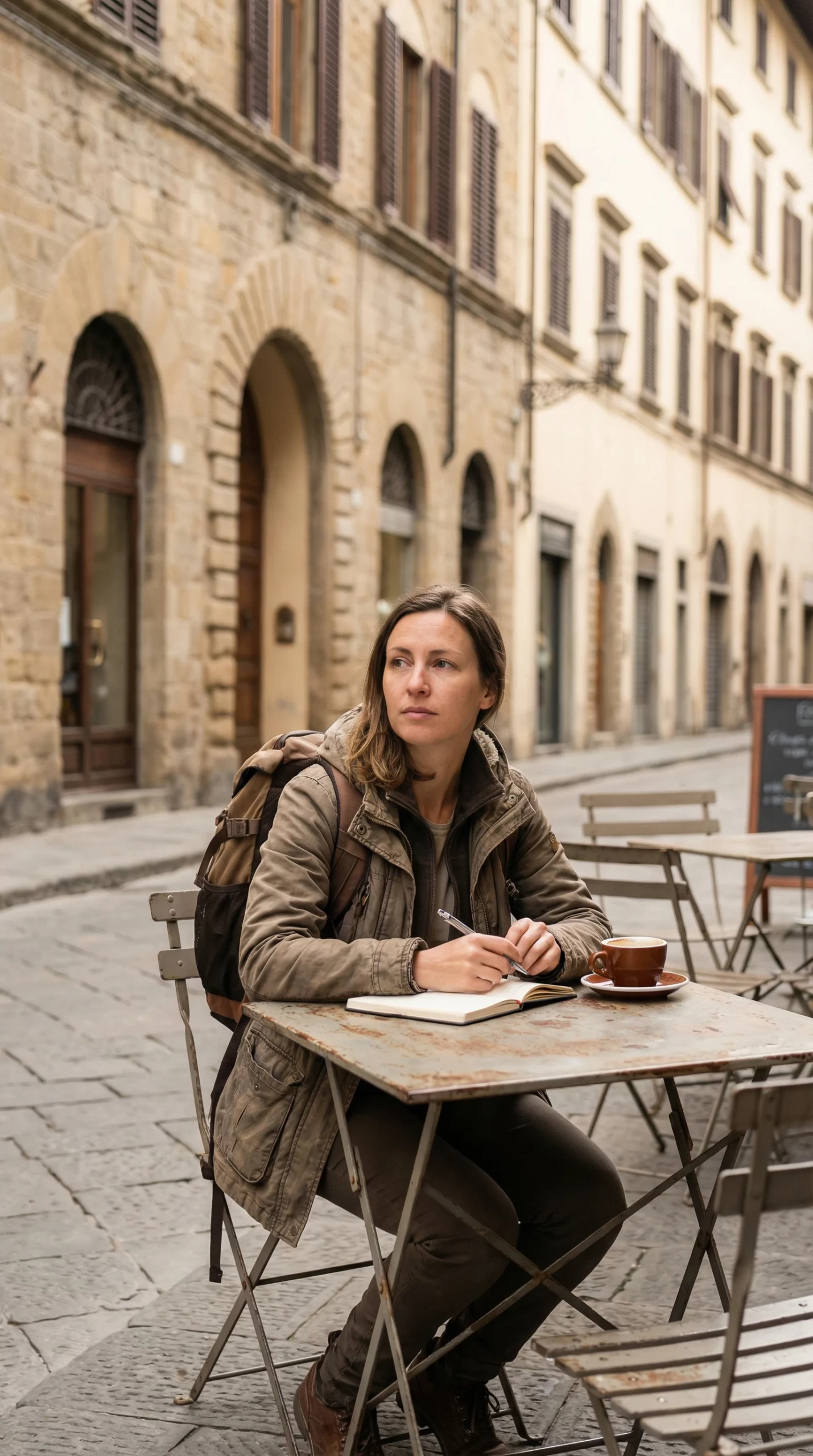
Watch how long people linger in cafés.
Pay attention to volume in public spaces.
Understand expectations in religious settings.
When behaviour aligns with context, you stop feeling exposed.
Confidence grows when you feel that you belong — even temporarily — within a place’s rhythm.
Create Structure Within Your Days
Unstructured days can amplify uncertainty.
Structure reduces it.
You don’t need rigid itineraries. You need anchors.
Consider:
- One meaningful morning focus
- A planned lunch district
- A clear evening boundary during your first few days
Staying near walkable streets or central transport hubs also simplifies movement.
When “home” is easy to reach, exploration feels lighter.
Structure makes confidence repeatable.

Approach Public Transport Gradually
If public transport feels intimidating, treat it as incremental exposure.
Start with:
- A single tram line
- One short bus route
- A metro ride outside peak hours
Most systems follow internal logic — colour coding, numbered exits, directional signage.
The first ride may feel uncertain.
The third rarely does.
Confidence grows through repetition.
Know When to Choose Small Group Support
Travelling solo doesn’t require isolation.
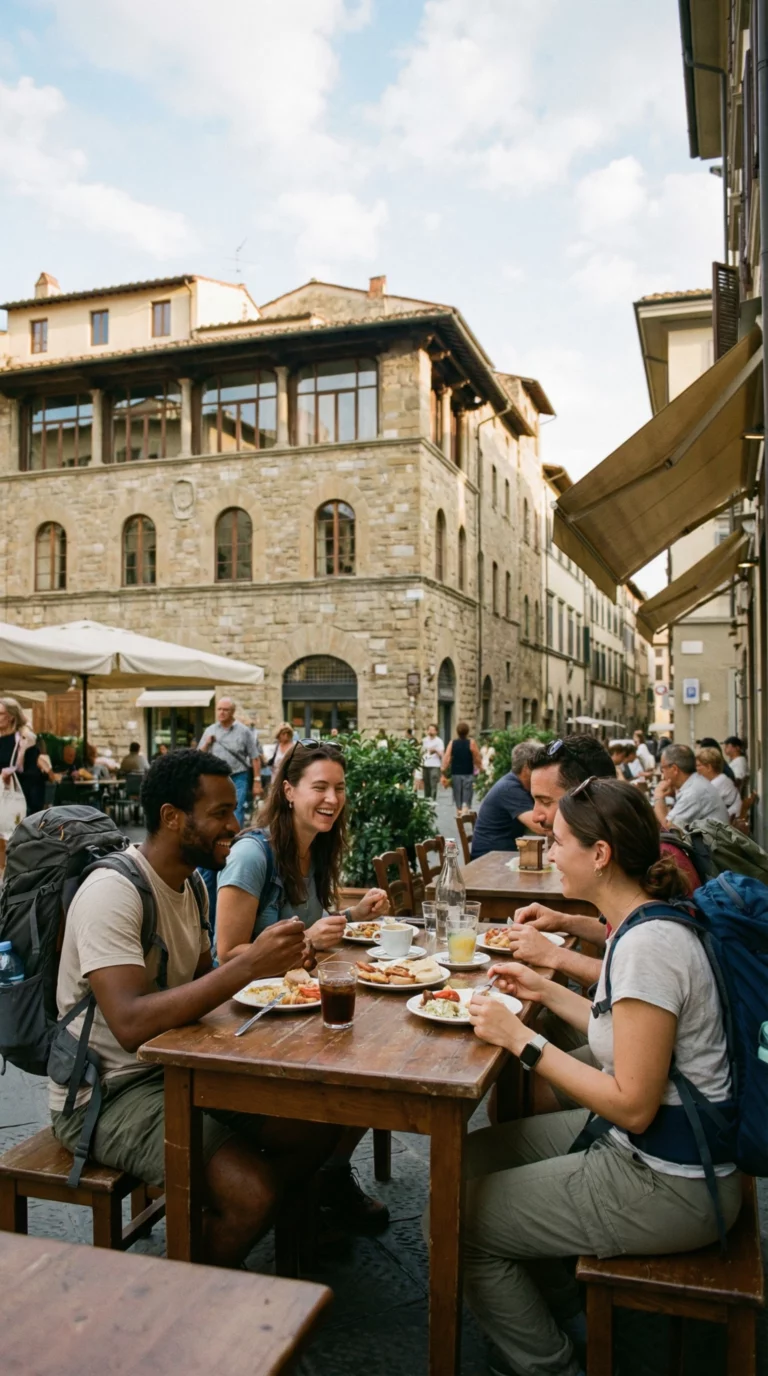
Small group walking tours, cultural experiences, or food-focused outings can deepen understanding and reduce cognitive load.
They can:
- Provide historical context
- Navigate language barriers
- Introduce neighbourhood nuance
This isn’t retreating from independence.
It’s choosing support strategically.
Confidence includes knowing when to use tools.

Accept That Discomfort Is Part of the Process
You will occasionally take a wrong turn.
Mispronounce something.
Stand uncertainly for a moment.
These are not failures. They are part of learning how to travel solo confidently.
Each small navigation builds evidence.
Confidence is cumulative.
Solo Confidence Is Constructed
Some travellers appear naturally confident.
Most are simply prepared.
Solo travel confidence is built through:
- Cultural awareness
- Language basics
- Walkable beginnings
- Structured days
- Gradual transport exposure
- Strategic group support
- Just trying!
It isn’t about boldness.
It’s about understanding.
And understanding transforms unfamiliar cities into navigable spaces.
TLDR
If you’re wondering how to travel solo confidently, focus on preparation over personality.
Learn basic local phrases.
Choose walkable destinations.
Observe cultural norms.
Structure your days.
Approach public transport gradually.
Use small group tours when helpful.
Confidence grows from familiarity — not fearlessness.
Frequently Asked Questions
How do I travel solo confidently if I feel anxious?
Start small. Choose walkable destinations, structure your days, and learn basic language phrases before you go. Confidence grows from familiarity and repetition, not from eliminating nerves entirely.
Is solo travel safe?
Safety depends heavily on context and awareness. Understanding neighbourhood logic, cultural behaviour, and transport systems significantly reduces friction and uncertainty.
Should I learn the language before travelling solo?
You don’t need fluency, but learning basic phrases like hello, thank you, and excuse me improves interactions and builds confidence quickly.
What if public transport makes me nervous?
Begin with short, simple routes outside peak hours. Familiarity grows through repetition, and most systems follow clear internal logic.
Is it okay to join small group tours when travelling solo?
Absolutely. Small group tours can deepen cultural understanding and reduce logistical stress without reducing independence.