What Is Cinco de Mayo? The Real Meaning Explained
It’s easy to assume Cinco de Mayo is Mexico’s Independence Day.
You’ll see it celebrated widely — especially outside of Mexico — with food, drinks, and festivals that suggest something major is being commemorated.
But that assumption is wrong.
And if you travel to Mexico expecting a nationwide celebration, the reality can feel surprisingly different.
So what is Cinco de Mayo?

Quick Answer
Cinco de Mayo is not Mexico’s Independence Day. It commemorates the Battle of Puebla on May 5, 1862, when Mexican forces defeated a larger French army. Mexico’s Independence Day is September 16. In Mexico, Cinco de Mayo is most strongly associated with Puebla, while outside Mexico it is often treated as a broader celebration of Mexican culture.
What Cinco de Mayo Actually Commemorates
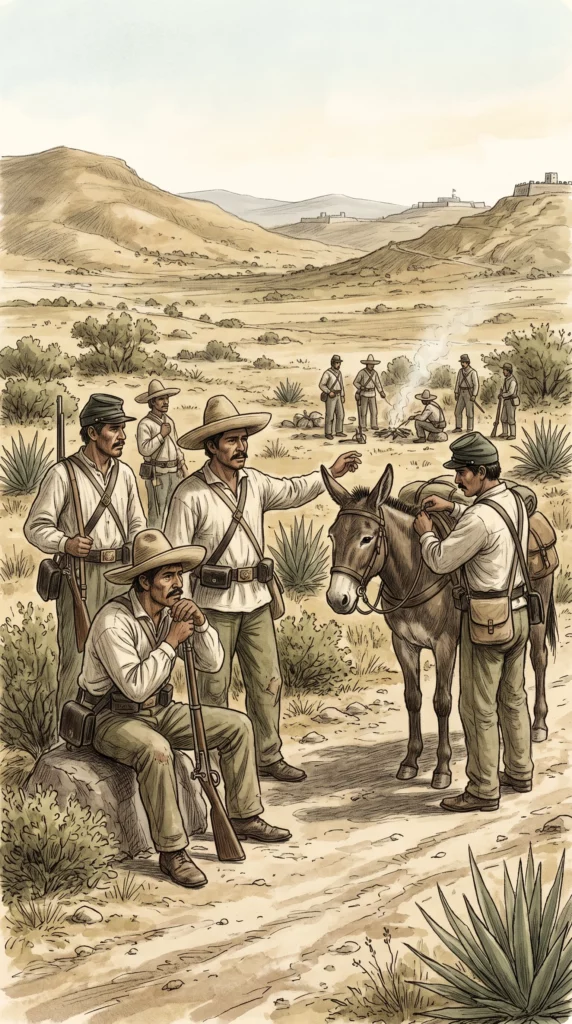
Cinco de Mayo marks the Battle of Puebla, which took place on May 5th, 1862.
On that day, a smaller Mexican force defeated a much larger French army.
It wasn’t the end of the conflict, and it wasn’t Mexico’s independence.
But it became a symbol of resistance — a moment where an unexpected outcome carried lasting meaning.

Why It’s Not Mexico’s Independence Day
Mexico’s Independence Day is celebrated on September 16th.
That’s the date that marks the beginning of the country’s independence movement from Spanish rule.
Cinco de Mayo is different.
It represents a specific battle, not the founding of the nation.
The confusion often comes from how widely Cinco de Mayo is recognised internationally, compared to how it is observed within Mexico itself.

How It’s Celebrated in Mexico
In Mexico, Cinco de Mayo is not a nationwide holiday in the way many travellers expect.
The most significant celebrations take place in Puebla, where the battle occurred.
There, you’ll find:
- parades
- historical reenactments
- local events tied to the history of the battle
In other parts of the country, including major cities like Mexico City, the day can pass with relatively little emphasis.
It’s acknowledged — but not always widely celebrated.
Why It Feels Bigger Outside of Mexico
In countries like the United States, Cinco de Mayo has taken on a different meaning.
It’s often celebrated as a broader expression of Mexican culture, with food, music, and festivals.
Over time, that version of the holiday has become more visible internationally than the original context behind it.
That’s why expectations can feel mismatched when travelling.
What feels like a major event abroad may feel relatively low-key within Mexico itself.
What This Means for Travellers
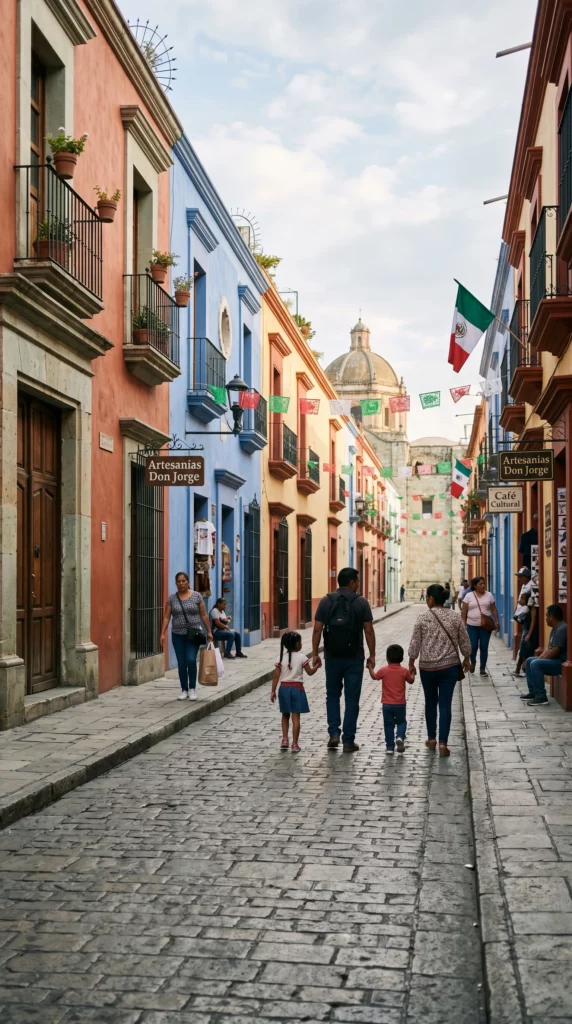
If you happen to be in Mexico on Cinco de Mayo, your experience will depend heavily on where you are.
In Puebla, it can be a meaningful and locally significant event.
Elsewhere, it may feel like an ordinary day with only subtle recognition.
That doesn’t make it less interesting.
If anything, it offers a clearer understanding of how history is remembered differently depending on place and context.
Why It’s Still Worth Understanding
Even without large-scale celebrations, Cinco de Mayo tells a story about resilience and identity.
It’s a reminder that not every important moment in a country’s history becomes a national holiday.
And not every widely recognised celebration reflects how it’s experienced locally.
Understanding that difference changes how you move through a place.
It shifts the focus from expectation to observation.
TLDR
Cinco de Mayo is not Mexico’s Independence Day. It commemorates the Battle of Puebla in 1862, where Mexican forces defeated a larger French army. While it is widely celebrated internationally, in Mexico it is mainly observed in Puebla and is relatively low-key elsewhere.
FAQ
Is Cinco de Mayo Mexico’s Independence Day?
No. Mexico’s Independence Day is celebrated on September 16th.
What does Cinco de Mayo celebrate?
It marks the Battle of Puebla in 1862, when Mexican forces defeated a larger French army.
Where is Cinco de Mayo most celebrated in Mexico?
Primarily in Puebla, where the battle took place.
Is Cinco de Mayo a big holiday in Mexico?
Not nationwide. It is observed, but not celebrated at the same scale as many expect.