How to Structure Travel Days Without Overloading Them
Modern travel quietly encourages optimisation.
Maximise the itinerary.
See everything.
Make every hour count.
But cultural understanding does not happen at speed. It happens in spaces between things — in pauses, in observations, in moments that were not tightly scheduled.
Learning how to structure travel days well is less about efficiency and more about intention.
Choose One Anchor
Start with a single primary focus for the day.
An anchor might be:
- A major historical site
- A museum
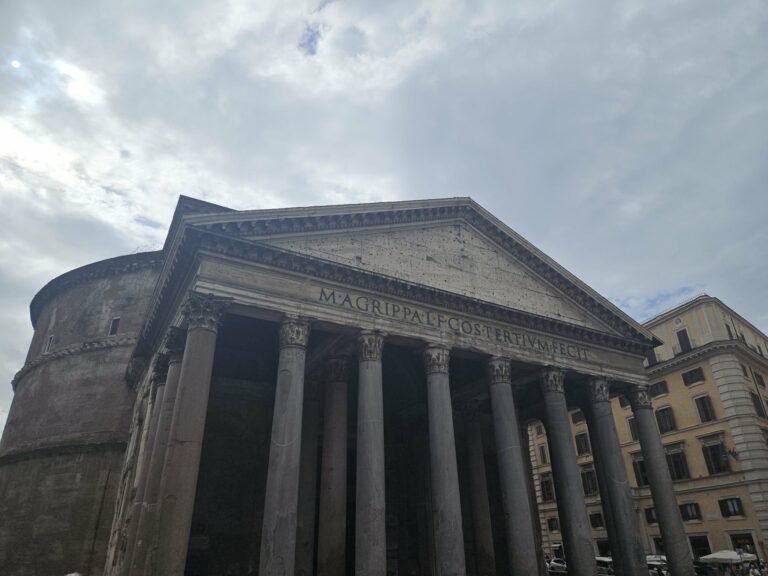
- A religious landmark
- A significant neighbourhood
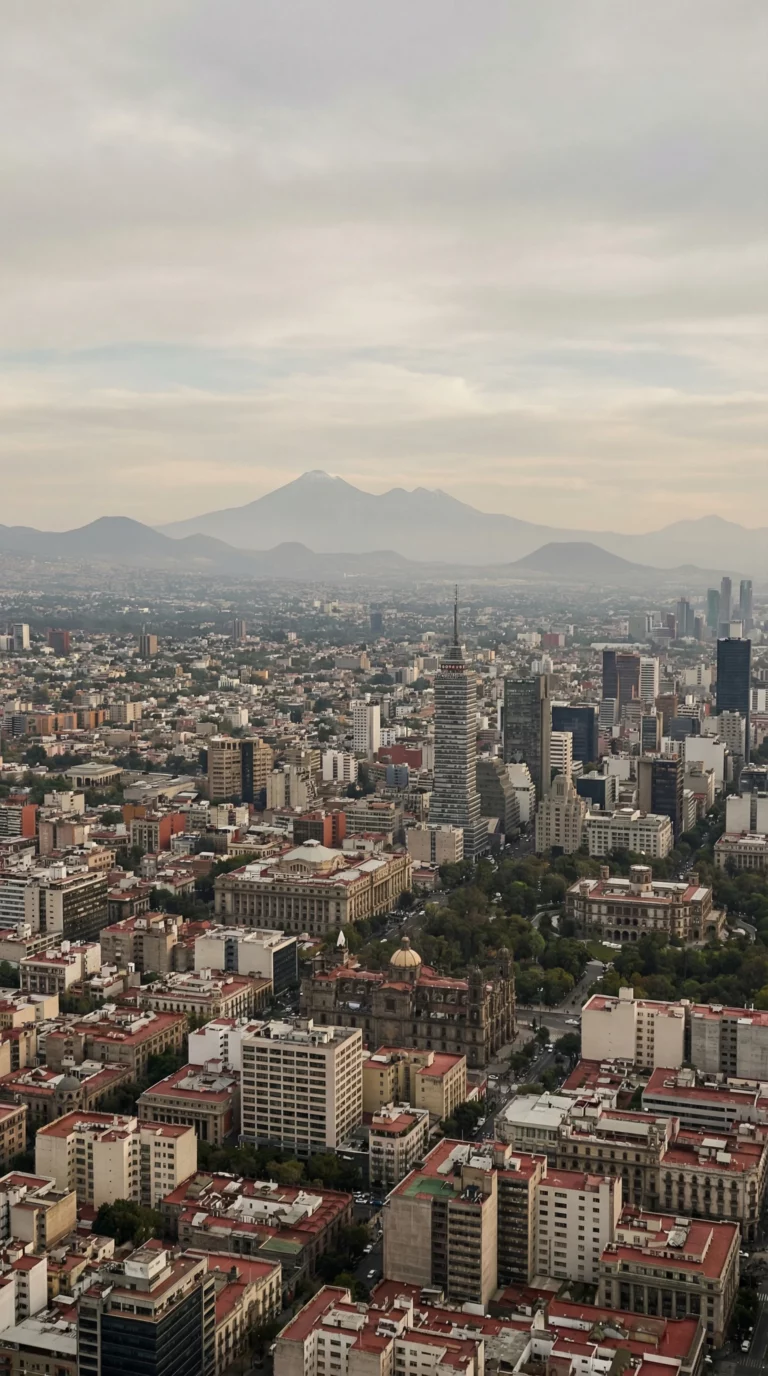
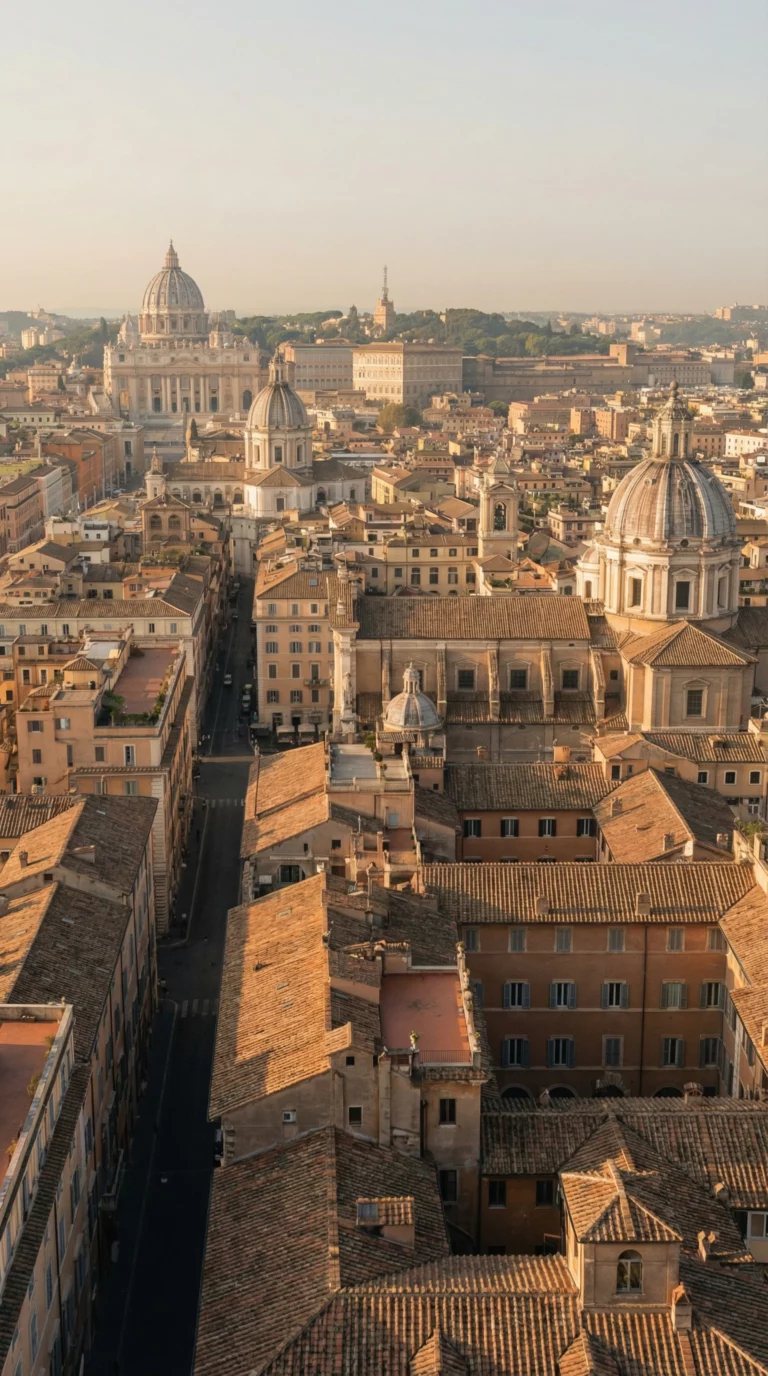
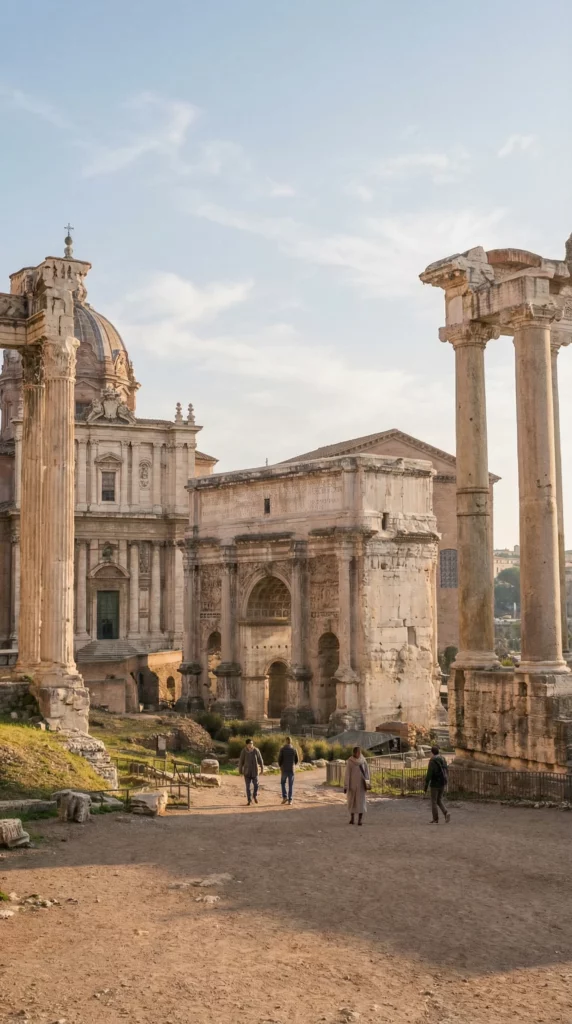
In a city like Rome, that might mean giving the Colosseum or the Vatican the space they deserve rather than pairing them with three additional “must-sees.” In Mexico City, it might mean dedicating a morning to the historic centre rather than attempting to cross the city multiple times in one day.
One anchor creates clarity. It prevents the day from becoming fragmented.
When everything is important, nothing is absorbed.
Add a Context Layer
Once the anchor is set, add something that deepens it rather than competes with it.
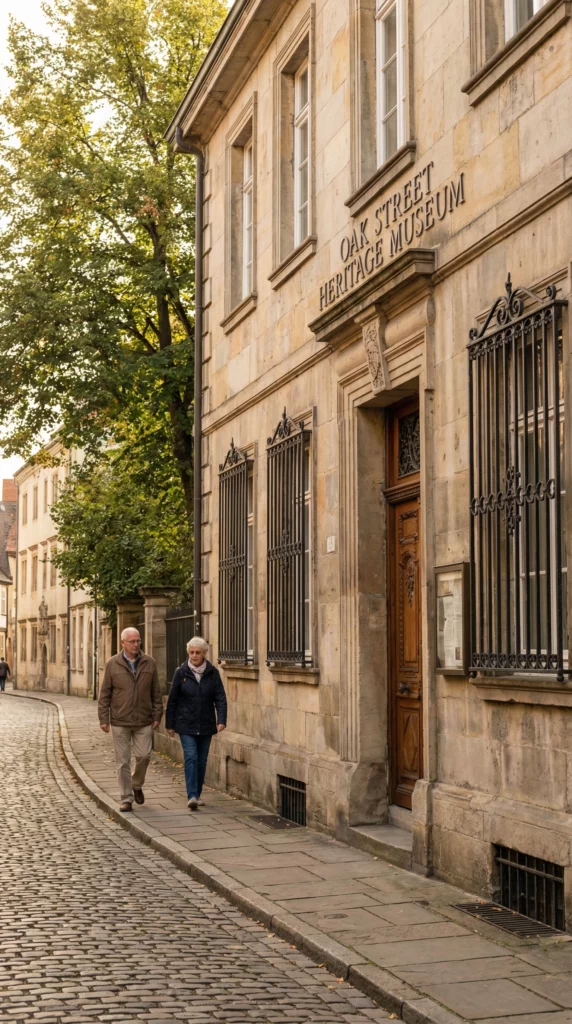
If your anchor is architectural, add a smaller museum that explains its history.
If your anchor is a faith space, spend time walking the surrounding neighbourhood.
If your anchor is a market, sit nearby afterward and observe the rhythm of the area.
This second layer should support understanding, not expand the checklist.
The goal is not volume. It is coherence.
Leave White Space

Unstructured time is not wasted time.
It is where most meaningful moments happen.
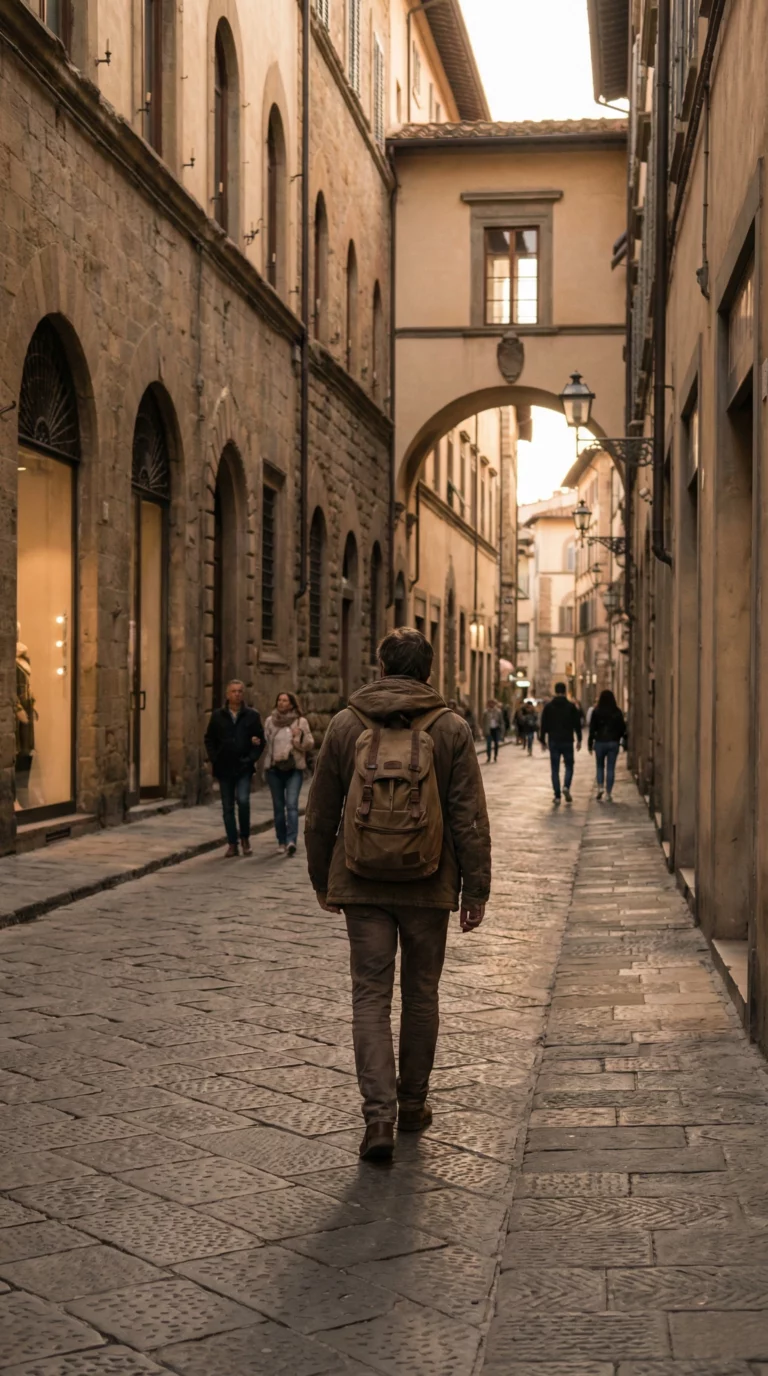
A street turned down without intention.
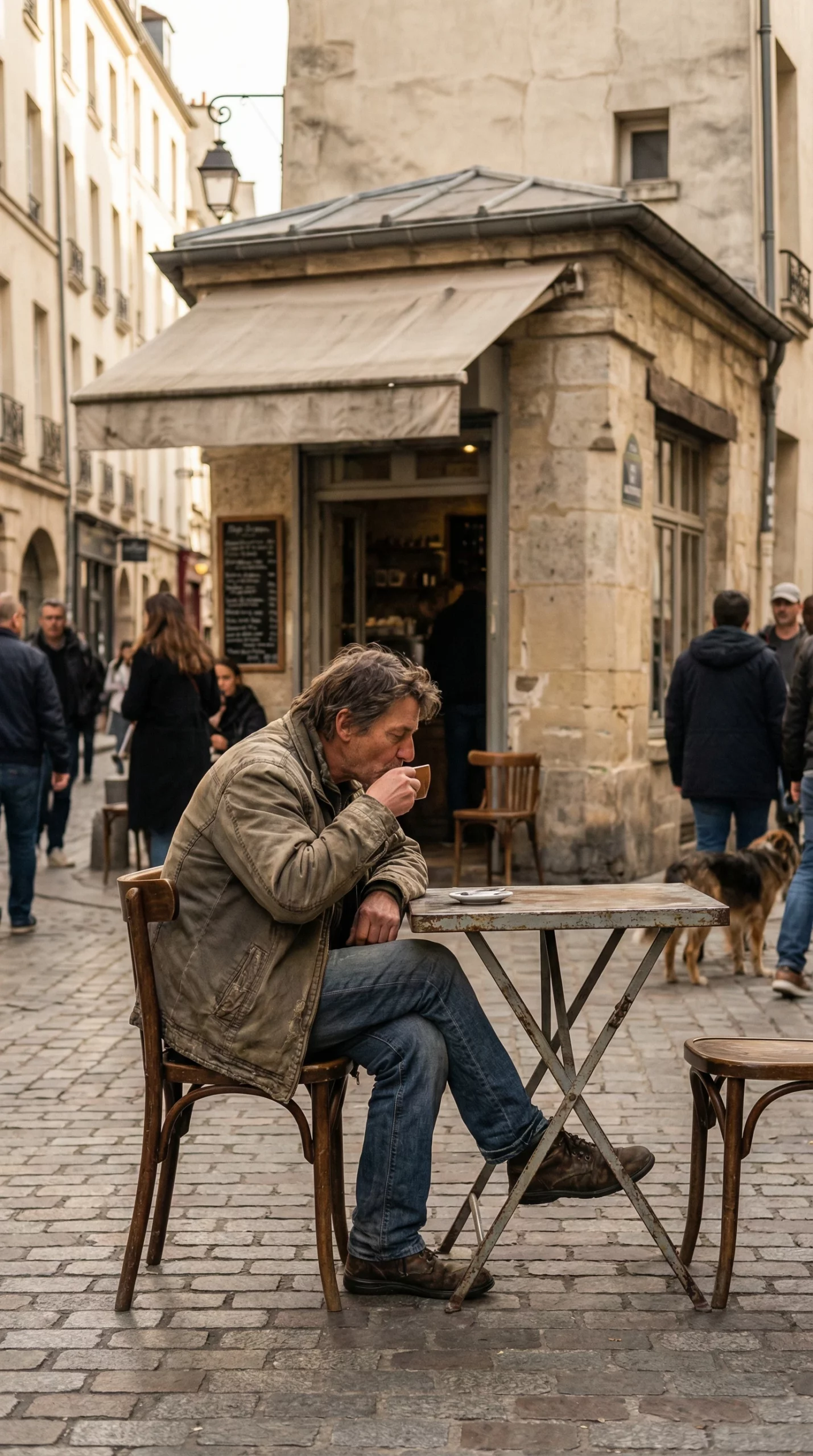
A café entered to rest.
A conversation that begins because you are not rushing elsewhere.
When days are tightly packed, there is no room for deviation. And without deviation, travel becomes predictable.
White space allows a place to reveal itself gradually.
Plan for Energy, Not Just Time
Travel fatigue is real. So is cultural intensity.
Some sites are emotionally heavy. Memorials, former conflict zones, or deeply sacred spaces require a different kind of attention than public squares or markets.
Heat, altitude, transport complexity, and crowd density all influence how much you can realistically absorb in a day.
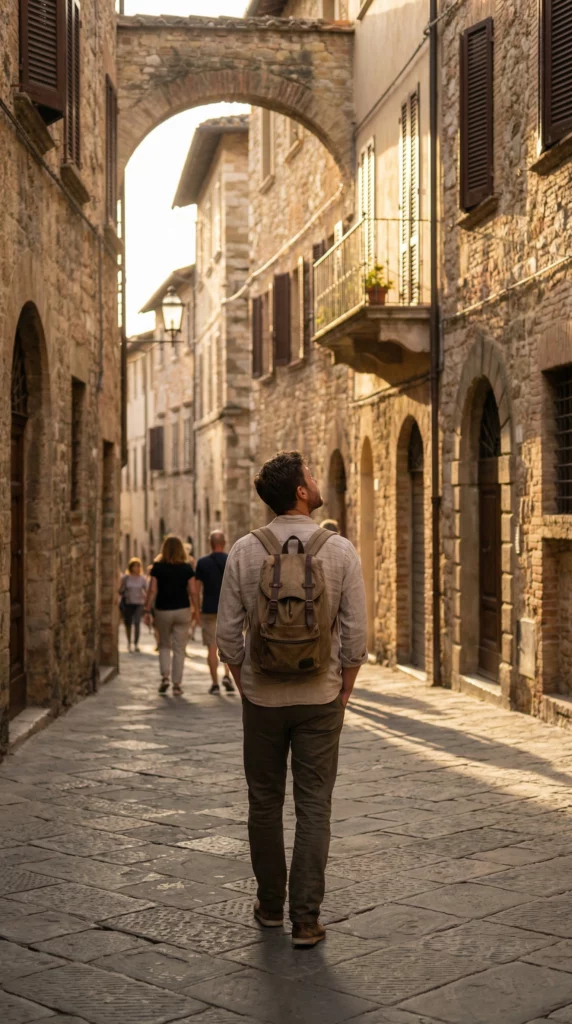
Structuring travel days well means acknowledging limits. Not every day needs to be ambitious. Some of the most grounded experiences come from quieter days spent walking a single district slowly.
Momentum is not the same as meaning.
Resist the Checklist Mentality

There is a subtle pressure to return home having “covered” a city.
But cities are not courses to complete.
They are living environments layered with history, faith, architecture, food, and daily life. No short visit will exhaust them — and it is not meant to.
Structuring your travel days thoughtfully shifts the focus from completion to connection.
When you choose one anchor, add context, and leave room to breathe, you begin to experience a place rather than move through it.
Depth rarely announces itself. It emerges slowly.
TLDR
- Choose one primary anchor per day.
- Add one supporting experience that deepens context.
- Leave unstructured time for observation and discovery.
- Plan around energy and intensity, not just hours.
- Focus on connection rather than completion.
Travel is not about how much you see. It is about how well you see it.
FAQ
How many activities should I plan per day while travelling?
One major anchor and one supporting activity is usually enough. Leaving additional space prevents fatigue and allows for spontaneous discovery.
Is it better to plan everything in advance?
Identifying key anchors helps with structure, but avoid scheduling every hour. Flexibility creates room for meaningful experiences.
How do I avoid travel burnout?
Pace yourself. Consider heat, walking distances, cultural intensity, and transport time. Not every day should be equally demanding.
What is an “anchor” in a travel day?
An anchor is the primary focus of the day — a landmark, museum, neighbourhood, or cultural site that sets the tone and direction.
Does slower travel mean seeing less?
Not necessarily. Slower travel often leads to deeper understanding and more memorable experiences.