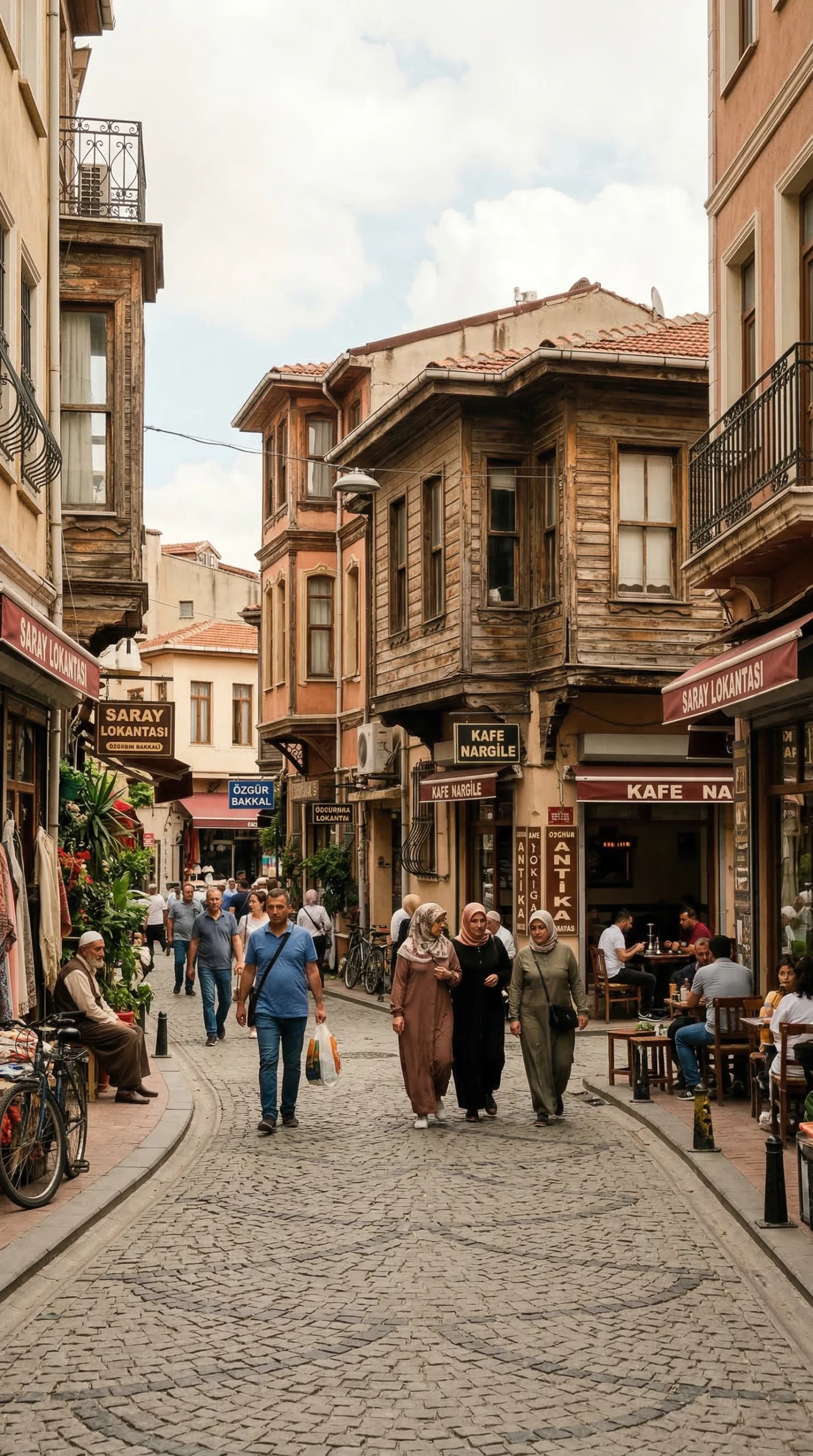
Ottoman Architecture in Everyday Istanbul (What You Notice When You Slow Down)
In Istanbul, architecture doesn’t always announce itself.
It doesn’t sit behind ticket counters or gather crowds in one place. It doesn’t always ask to be admired.
Instead, it exists around you — quietly shaping the streets you walk, the spaces you pause in, and the rhythm of the day.
You might notice it at first in the obvious places. The grand mosques, the domes, the symmetry.
But the more time you spend in the city, the more you realise something else:
Ottoman architecture isn’t just something you visit.
It’s something you move through.
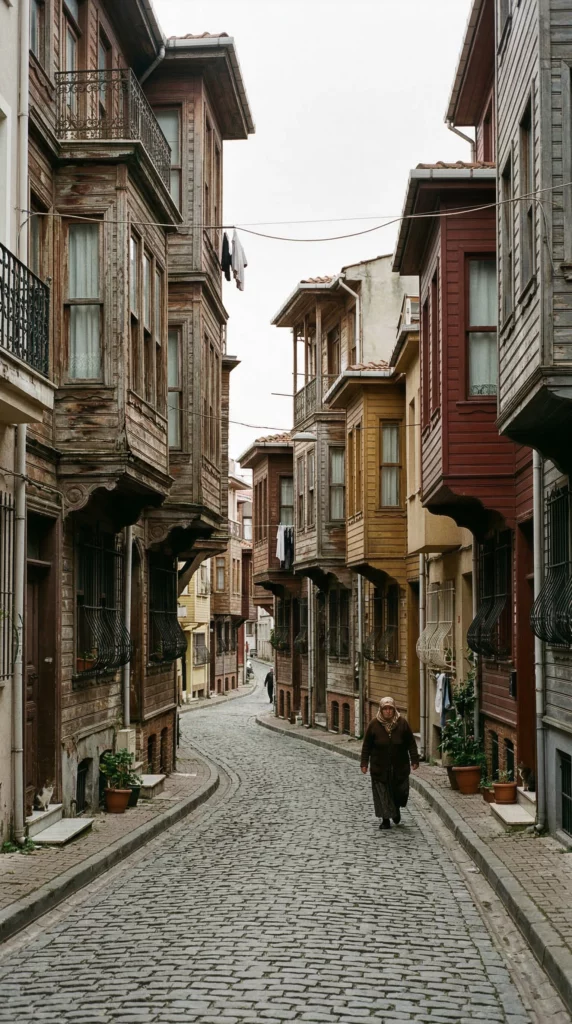
It’s Not Just Mosques
It’s easy to associate Ottoman architecture with mosques, and understandably so.
They are some of the most striking and recognisable structures in the city.
But they are only one part of a much larger system.
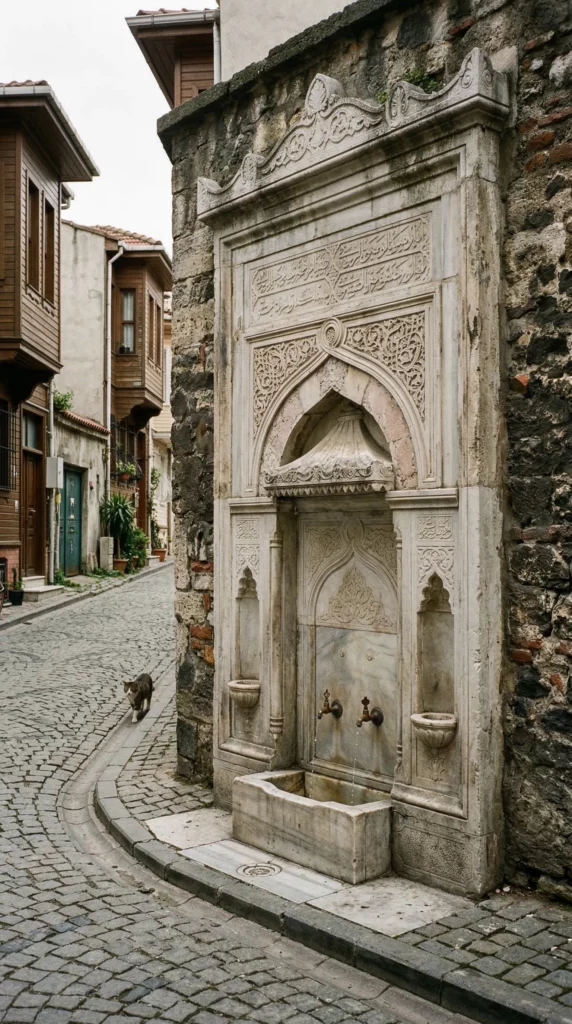
Look a little closer, and you begin to notice how that same architectural language extends into everyday spaces: a small public fountain built into a wall, still used by locals; a courtyard tucked behind a doorway, offering a moment of quiet; an old school building, simple but balanced in its design.
These weren’t designed as isolated landmarks.
They were part of how the city functioned — spaces that supported daily life while still carrying a sense of proportion and care.
And once you start to notice them, they seem to appear everywhere.
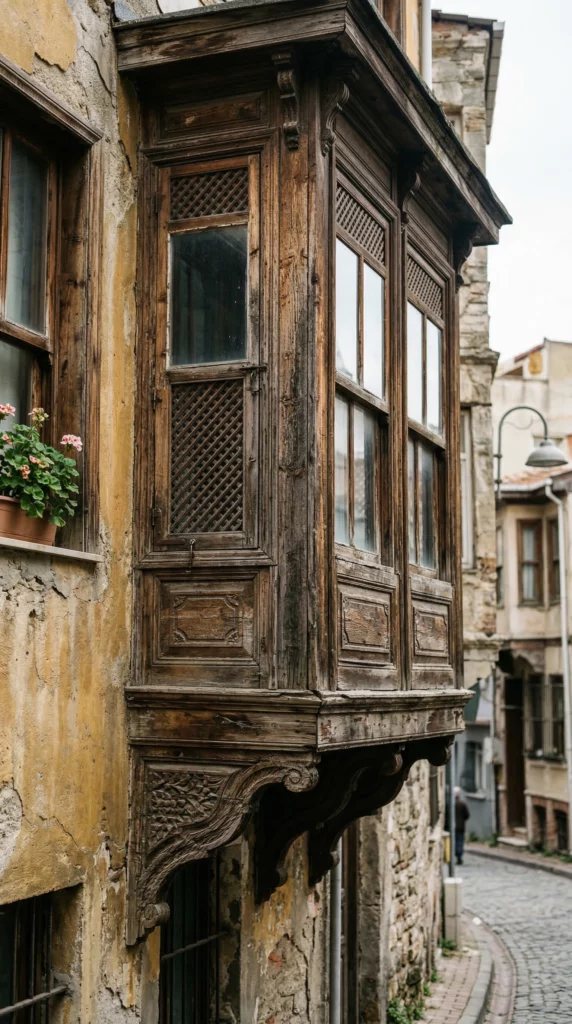
The Details You Start to Notice
At first, the streets of Istanbul can feel visually busy.
But over time, certain details begin to stand out.
Wooden bay windows extend outward from upper floors, catching the light differently throughout the day. Ironwork appears on balconies and gates — not ornate for the sake of decoration, but carefully shaped. Tiles and patterns emerge in small, almost unexpected places.
None of it feels excessive.
Instead, it feels considered.
These details weren’t designed to be photographed in isolation. They were designed to be part of a whole — something you absorb gradually rather than focus on all at once.
And because of that, they often go unnoticed by people moving too quickly.

Streets That Still Carry It
You don’t need to go far to find these layers.
Step away from the busiest streets, and the city begins to feel different.
Residential areas still carry traces of older architectural forms — slightly uneven facades, timber structures, narrow streets that guide movement rather than open it up.
You might pass a small neighbourhood mosque without planning to stop. Walk past a building that leans just slightly with age. Or notice how a street seems to naturally slow you down without you realising why.
These are not preserved spaces in the traditional sense.
They are lived-in.
And that’s what makes them feel different.
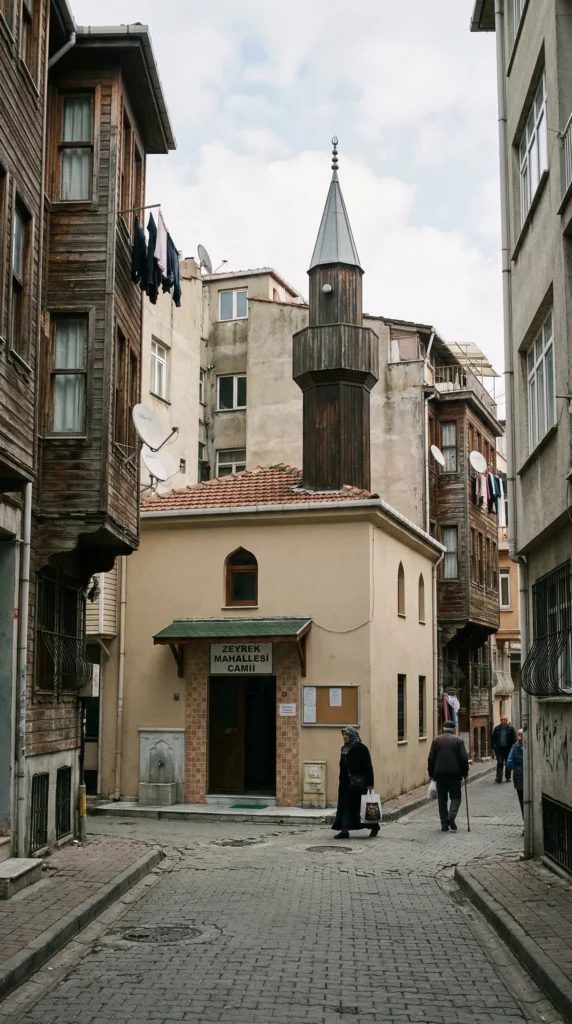
Movement and Flow
One of the most subtle things Ottoman architecture does is shape how you move.
Courtyards invite you to pause, even if only briefly. Entrances create small transitions between public and private space. Narrow streets encourage a slower pace, whether you intend it or not.
There’s a quiet logic to it.
Nothing feels forced, but everything feels intentional.
You begin to notice that you’re not just walking through the city — you’re being guided by it.
Why It Feels Different
Part of what makes this architecture feel so distinct is that it wasn’t created purely to be seen.
It was created to be used.
The scale feels human.
The spaces feel connected to daily routines.
The design supports life rather than standing apart from it.
And because of that, it doesn’t always demand your attention.
It rewards it.
You Don’t Need to Find It — You Need to Notice It
Like many things in Istanbul, this isn’t something you need to chase.
There’s no single place to tick off.
Instead, it reveals itself gradually — in the spaces between destinations, in the streets you weren’t planning to explore, in the details you almost missed.
The shift isn’t in where you go.
It’s in how you move through it.
And once you begin to notice, it becomes difficult not to.
TLDR
Ottoman architecture in Istanbul is not limited to grand mosques and major landmarks. It shapes everyday life through fountains, courtyards, residential streets, wooden windows, and neighbourhood buildings that still influence how the city feels and functions. The more slowly you move through Istanbul, the more this architectural language reveals itself.
FAQ
What is Ottoman architecture in Istanbul?
Ottoman architecture in Istanbul refers to the design style developed during the Ottoman period, visible in mosques, fountains, schools, houses, courtyards, and public buildings throughout the city.
Is Ottoman architecture only found in Istanbul’s major mosques?
No. While the large imperial mosques are the most recognisable examples, Ottoman architecture also appears in everyday spaces such as neighbourhood streets, small mosques, fountains, wooden houses, and old public buildings.
Where can you see everyday Ottoman architecture in Istanbul?
You can see it in quieter residential areas, historic neighbourhoods, side streets, and public spaces away from the main tourist routes. It often appears in architectural details rather than major monuments.
What are some common features of Ottoman architecture?
Common features include domes, courtyards, fountains, wooden bay windows, decorative ironwork, tiled surfaces, and a strong sense of proportion and human scale.
Why does Ottoman architecture in Istanbul feel different from other historic architecture?
It was designed not only to impress, but to support daily life. That makes it feel integrated into the city rather than separated from it.
Explore Further
|
Balat |
Rome Hidden Churches |