Mexico City Beyond Day of the Dead: A City Built in Layers
I arrived in Mexico City for Day of the Dead.
For the marigolds.
For the music.
For the altars that glow long after sunset.
But once the parade floats were packed away and the paper banners stopped fluttering overhead, something else became clear.
Mexico City does not exist for a festival.
It exists in layers.
And if you stay long enough, you begin to notice them.

The Layer Beneath the Streets
Before there was Mexico City, there was Tenochtitlán.
Long before colonial cathedrals and grand plazas, this valley held one of the most sophisticated cities in the world.
I felt that most clearly not in a museum, but standing at Teotihuacan.
Climbing the Pyramid of the Sun, I was reminded that this region has carried power, ceremony and structure for centuries. The scale of it is difficult to explain until you are standing in the heat, halfway up ancient stone steps, looking across a landscape that once shaped an entire civilisation.
Mexico City is not simply old.
It is built over something older.
That matters.
The Colonial Overlay
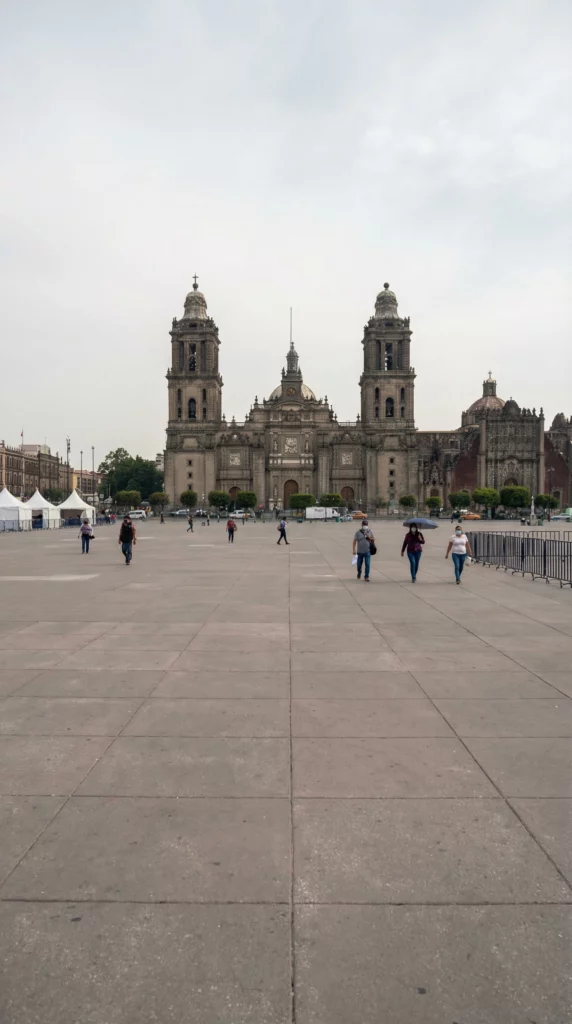
The Zócalo is impossible to ignore.
When I visited, it was filled with enormous altar installations that had won city competitions for Day of the Dead. Colour and creativity took over the square. But even without the festival, the plaza carries weight.
The Metropolitan Cathedral rises where temples once stood. Government buildings frame the space. The square has been the stage for coronations, protests, celebrations and national moments.
It is ceremonial space — not just tourist space.
Standing there, you feel how power reshaped the city. Not erased it. Rebuilt it.

Art as Memory: Murals and Identity
I remember seeing Diego Rivera murals.
I don’t remember exactly which building I was in at the time — but I remember the feeling.
These weren’t decorative pieces hung politely in galleries. They were statements. Stories painted large enough that they couldn’t be ignored.
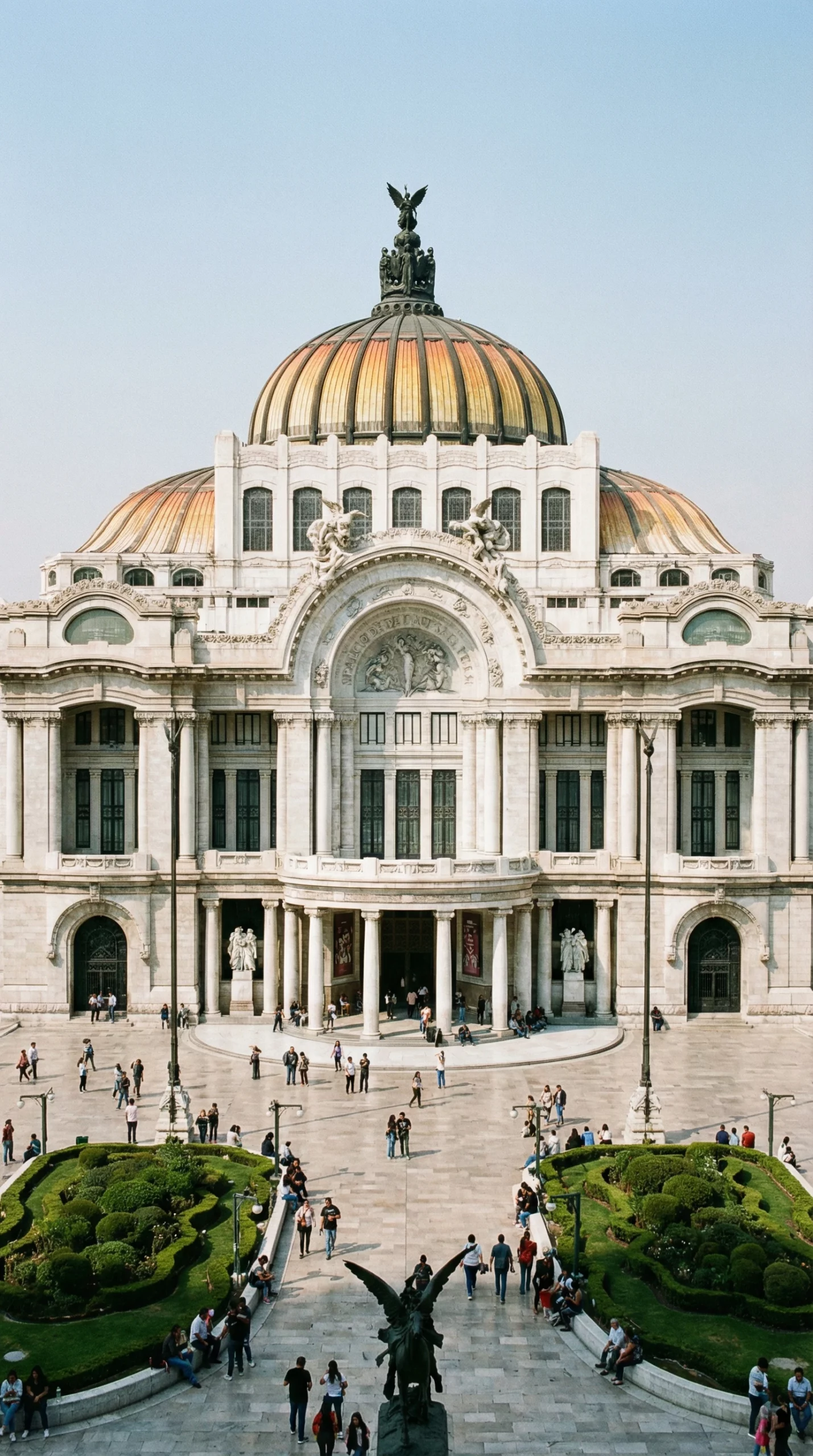
At Palacio de Bellas Artes, architecture becomes theatre. The domed roof gleams above a city that never quite slows down. Inside, art speaks about labour, revolution, identity and belonging.
Mexico City does not hide its politics inside museums.
It paints them on the walls.

Performance as Ritual: Lucha Libre
One evening, we attended Lucha Libre.
Under neon lights and theatrical smoke, masked wrestlers leapt from ropes while the crowd roared in approval or outrage.
At first glance, it feels chaotic.
But it isn’t random.
The masks carry identity. The characters represent archetypes. The audience participates in a ritual they understand instinctively.
It is sport, yes.
But it is also storytelling.
And storytelling is another layer of the city.
A City in Constant Motion
Mexico City does not ease you in gently.
It is loud.
It is sprawling.
It sits at altitude, reminding you to breathe differently.
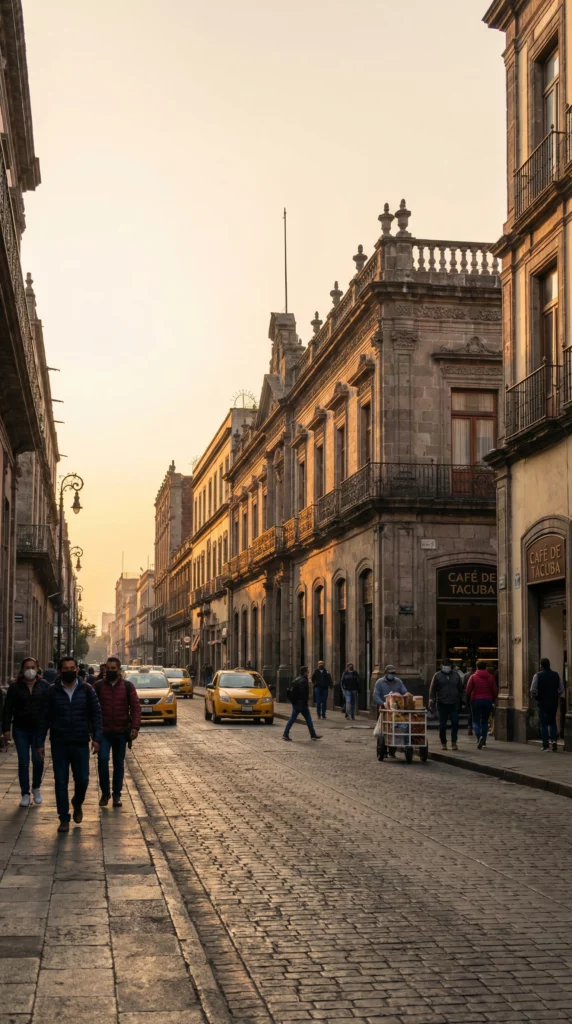
Street vendors move between traffic. Music spills from open doorways. Public parks fill quickly. Conversations happen at full volume.
The city demands engagement.
And yet, between the noise and movement, there are moments of stillness — a quiet church interior, a mural corner, a late afternoon light across stone facades.
It is contradiction held together.
Beyond the Festival
Day of the Dead itself is layered.
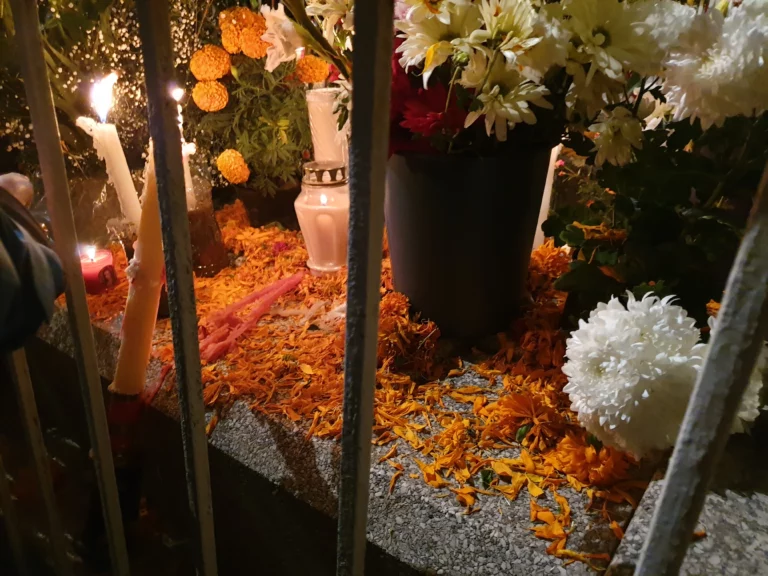
Children are remembered on one day. Adults on another. Families gather, build altars, lay marigolds, light candles and tell stories.
But what struck me most is that the festival is not separate from the city’s identity.
It grows from it.
Mexico City understands how to hold grief and celebration in the same space. How to honour history without freezing it. How to let the sacred and the theatrical coexist.
I arrived for a festival.
I left understanding a city.
Mexico City is not defined by a single moment on the calendar.
It is defined by what lies underneath.
TLDR
Mexico City is more than Day of the Dead. Beneath the festival lies a city layered with Indigenous foundations, colonial power, political art, ritual performance and relentless movement. To understand Mexico City, you have to look beyond the marigolds and into the structure beneath.
FAQ
Is Mexico City worth visiting outside of Day of the Dead?
Absolutely. While Day of the Dead is a powerful cultural experience, Mexico City’s architecture, museums, public art, food and neighbourhood life make it compelling year-round.
How many days do you need in Mexico City?
At least 3–4 full days to explore the historic centre, visit major cultural sites, experience neighbourhoods like Coyoacán or Roma, and possibly take a day trip to Teotihuacan.
Is Teotihuacan part of Mexico City?
Teotihuacan is located about an hour outside Mexico City, but it is commonly visited as a day trip and provides important historical context for understanding the region’s ancient foundations.
Is Lucha Libre just entertainment?
Lucha Libre is entertainment, but it is also deeply cultural. Masks, characters and crowd participation reflect long-standing storytelling traditions and national identity.
What makes Mexico City culturally unique?
Its layered history. Indigenous foundations, colonial structures, political muralism, public ritual, and modern urban life coexist visibly and actively in the same space.