Istanbul Ferry Routes: Understanding the City from the Water
Istanbul can feel compressed when you experience it only from the streets.
Districts blur into one another. Distances feel longer than expected. Movement becomes about navigating around the city rather than understanding it.
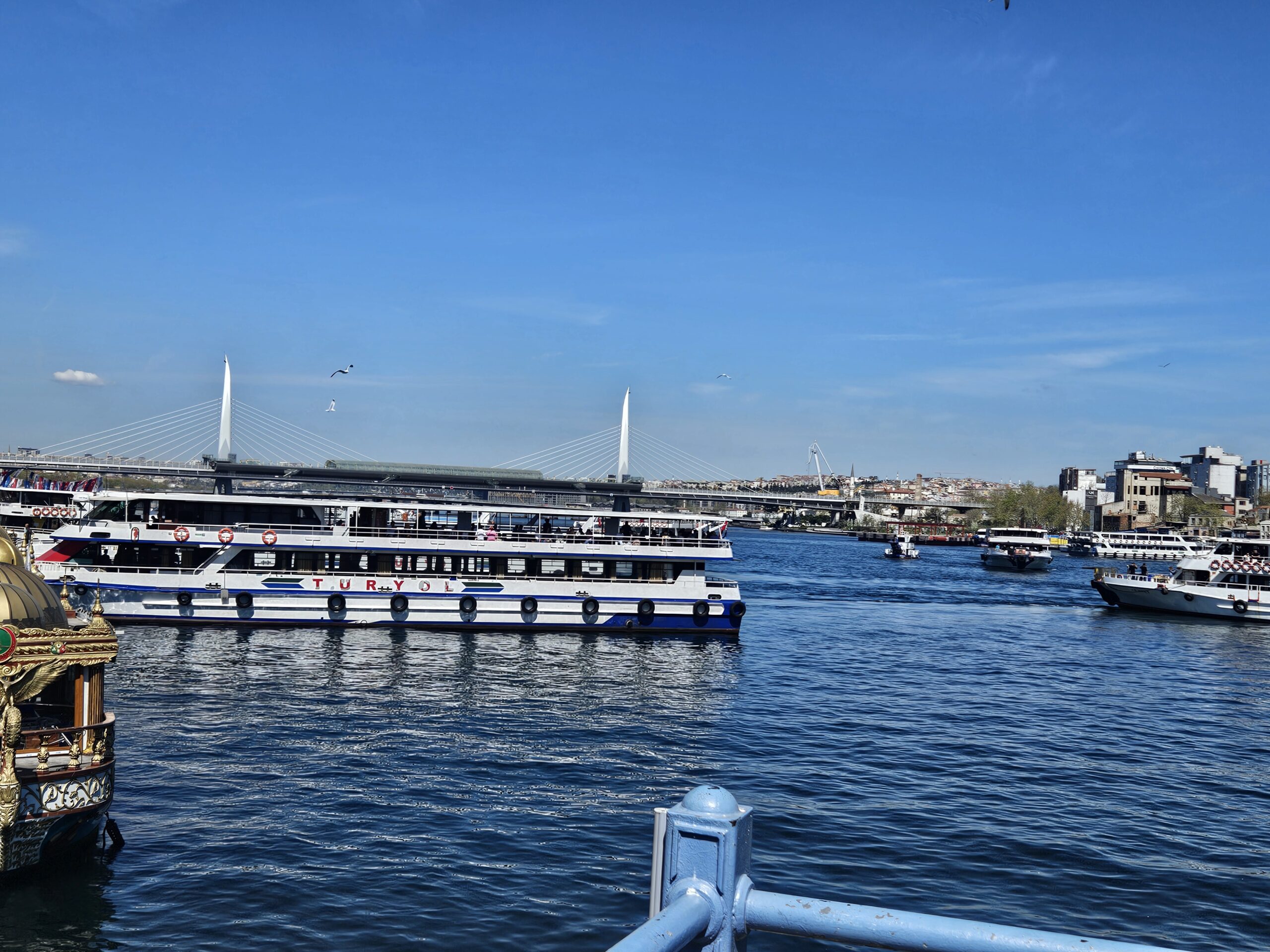
From the water, everything changes.
Ferry routes across Istanbul are not simply a way to get from one place to another — they reveal how the city is structured. They create distance where there was confusion, and perspective where there was density.
In a city shaped by water, the clearest way to understand it is often to cross it.

The Bosphorus Defines the City
At the centre of Istanbul’s geography is the Bosphorus.
It separates Europe and Asia, but more importantly, it connects them.
On land, this divide can feel abstract. Streets twist, neighbourhoods shift, and the scale of the city becomes difficult to grasp.
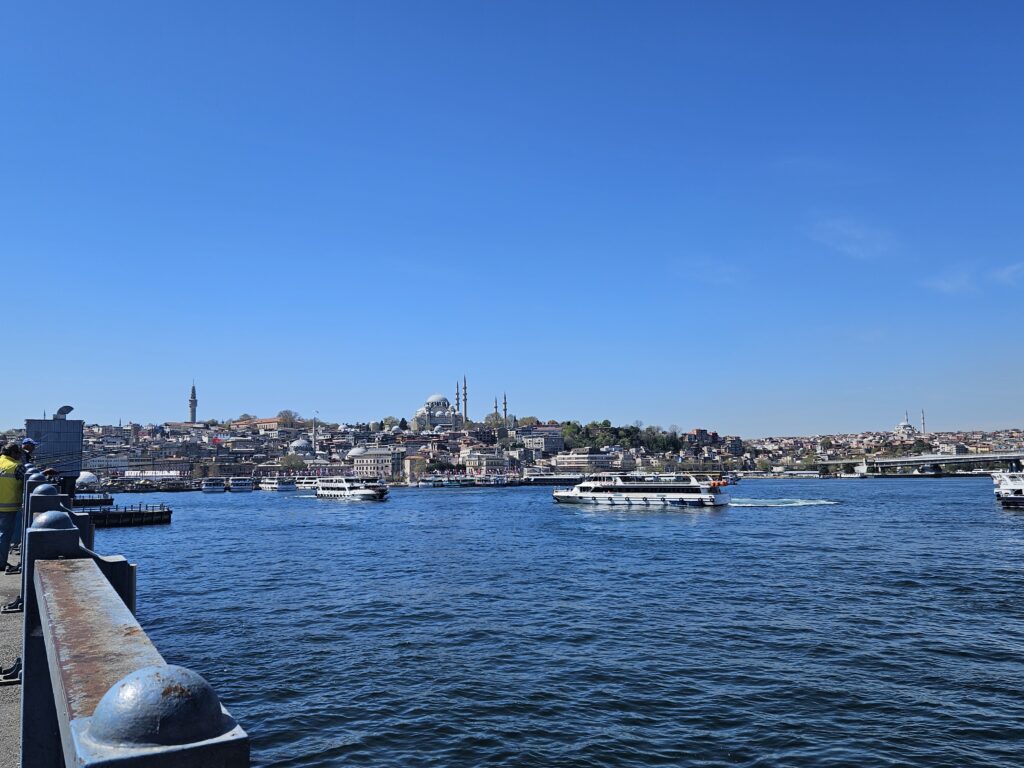
From the water, the structure becomes visible.
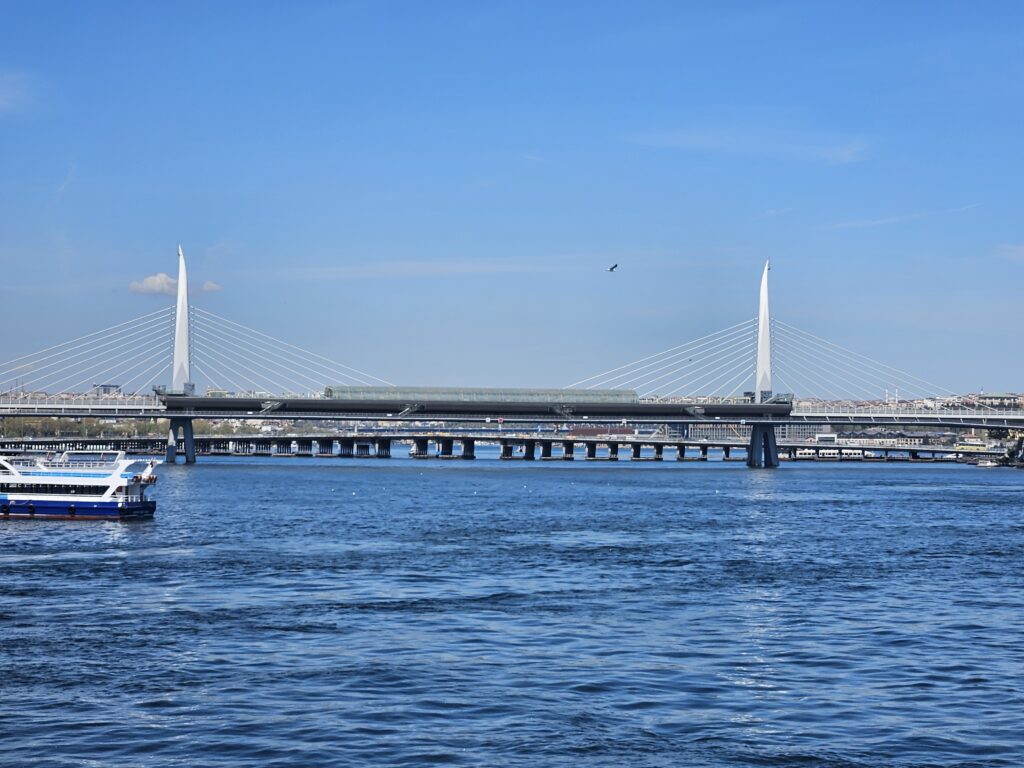
You begin to see how districts relate to one another. The historic peninsula, the bridges, the shoreline — all of it aligns in a way that is difficult to understand from within the streets themselves.
The Bosphorus is not just a feature of Istanbul. It is the framework of it.
Short Crossings That Clarify Everything
You don’t need a long ferry journey to experience this shift.
Short crossings are often enough.
Routes such as:
- Eminönü to Kadıköy
- Karaköy to Üsküdar
move quickly between continents, but they also reframe the city.
Standing on the deck, even for a short journey, gives you a sense of orientation that walking alone cannot provide. You see where you have been, where you are going, and how the two relate.
These crossings are small, but they make the city feel coherent.
Ferries Create Space Within the Day
Movement in Istanbul is often dense.
Walking through the historic peninsula or navigating tram lines keeps you close to the city — physically and mentally.
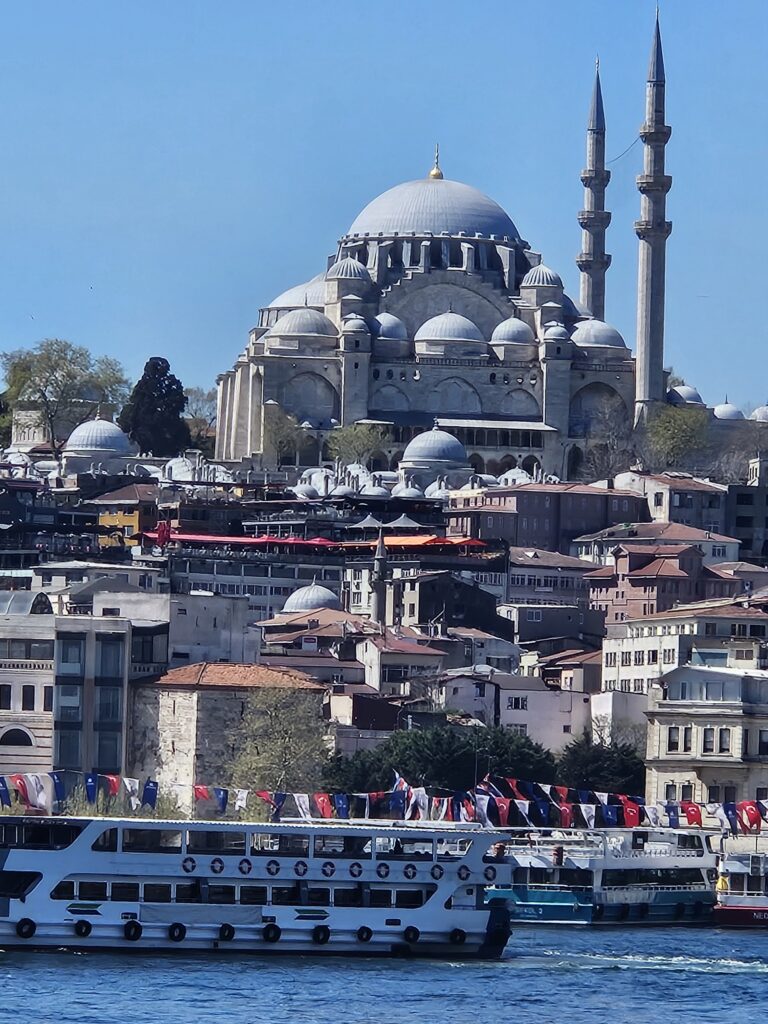
Ferries offer a pause.
There is space. Air. Distance.
The pace slows, even if the journey itself is short.
This shift matters. It allows the city to settle slightly before you enter the next district.
Where trams move you efficiently, ferries move you reflectively.
When Water Makes More Sense Than Land
There are practical reasons to take the ferry as well.
In some cases, crossing the Bosphorus directly is simpler than navigating around it. What might take longer by road becomes straightforward by water.
Ferries can:
- bypass traffic
- reduce travel time between key districts
- simplify movement between continents
But their value is not only efficiency.
They make the city legible.
A Small Regret
On my own visit, most of my time in Istanbul was spent walking and using the tram.
It worked. The city revealed itself gradually, and movement felt manageable.
But the ferries were always there — crossing back and forth, connecting parts of the city I understood only partially.
I didn’t take one.
And looking back, that absence stands out more than anything I missed on land.
Because ferries are not just another form of transport in Istanbul.
They are part of how the city is meant to be experienced.
Istanbul Is Understood Through Crossing
Istanbul is not a city that unfolds in a straight line.
It is layered, divided, and connected at the same time.
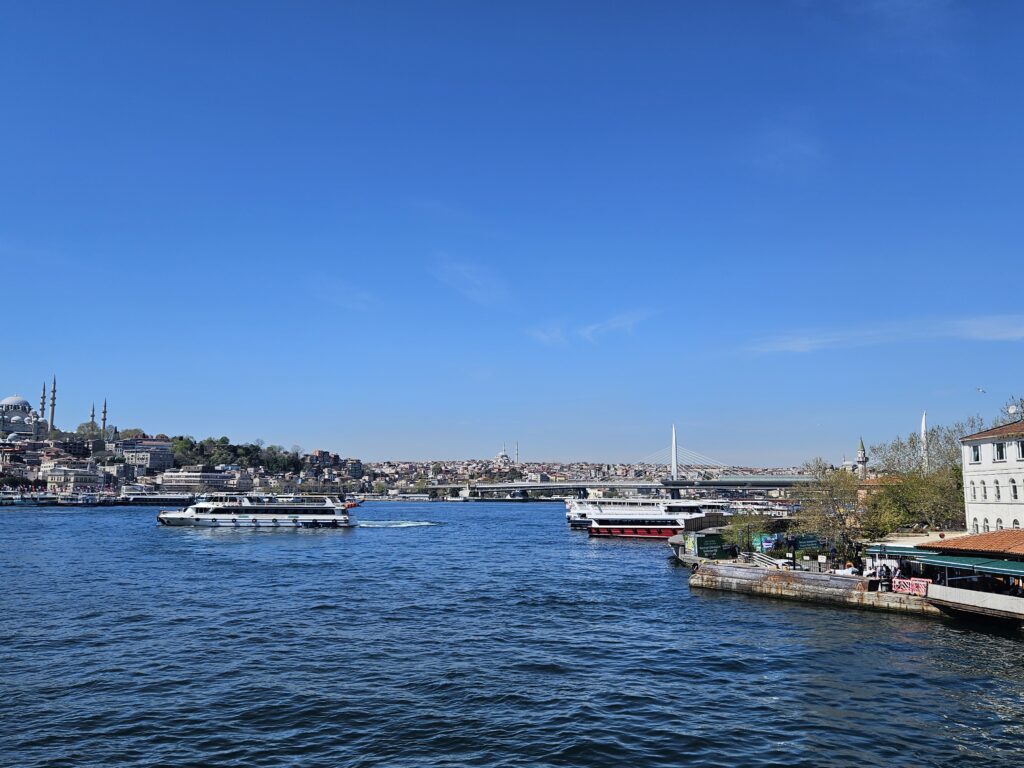
Ferry routes do more than move you across water. They show you how the city fits together.
They create clarity.
And in a place as complex as Istanbul, clarity changes everything.
TLDR
- The Bosphorus shapes how Istanbul is structured.
- Short ferry crossings can clarify the city quickly.
- Ferries provide space and perspective between districts.
- In some cases, water routes are more efficient than land.
- Experiencing Istanbul by ferry helps the city make sense.
FAQ
Are ferries in Istanbul worth taking?
Yes. Even short crossings provide a clearer understanding of the city’s geography and offer a different perspective from street-level travel.
Which ferry routes are best in Istanbul?
Short crossings such as Eminönü to Kadıköy or Karaköy to Üsküdar are practical and provide strong visual context.
Are ferries better than trams in Istanbul?
They serve different purposes. Trams are efficient for moving within districts, while ferries provide perspective and connection across the Bosphorus.
How long do ferry rides take in Istanbul?
Many crossings are relatively short, often under 30 minutes, depending on the route.
Is it easy to use ferries in Istanbul?
Yes. Ferries are a common and accessible part of daily life in Istanbul, though planning ahead can make the experience smoother.