

Anzac Day at Gallipoli: A Practical Travel Guide (What to Expect + Tips)
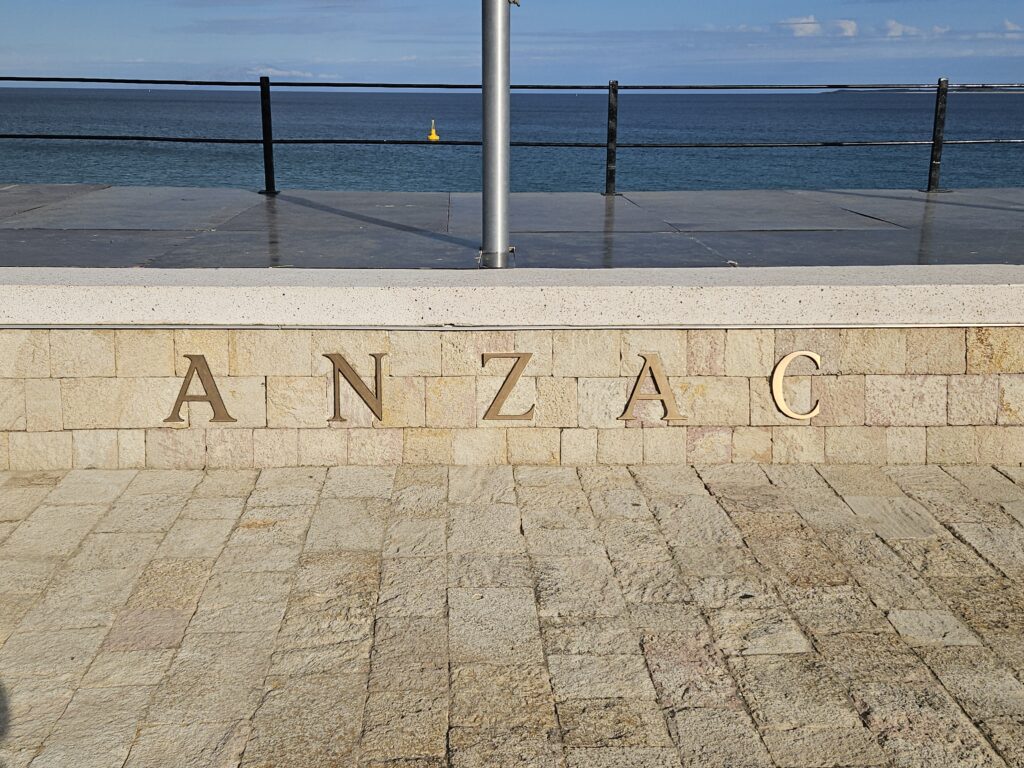
Attending Anzac Day at Gallipoli is not a typical travel experience.
It is not something you pass through casually, or add to a broader itinerary without thought. The day carries weight — historically, culturally, and personally for many who attend.
Preparation matters here, but not in the usual sense of logistics alone.
It matters because it shapes how you experience the day.
This guide will serve as your Anzac Day Gallipoli travel guide to help you navigate the experience.
Can you attend Anzac Day at Gallipoli?
Yes, but it requires planning. Most visitors attend via organised tours, arrive the day before, and must follow strict security and access rules on the peninsula.
It Begins Before Dawn — and Before the Day Itself
The Dawn Service takes place in the early hours.
You arrive in darkness. You wait. The air is often cold. There is a stillness that builds gradually as more people gather.
But the experience does not begin there.
For many, it begins in the days before.
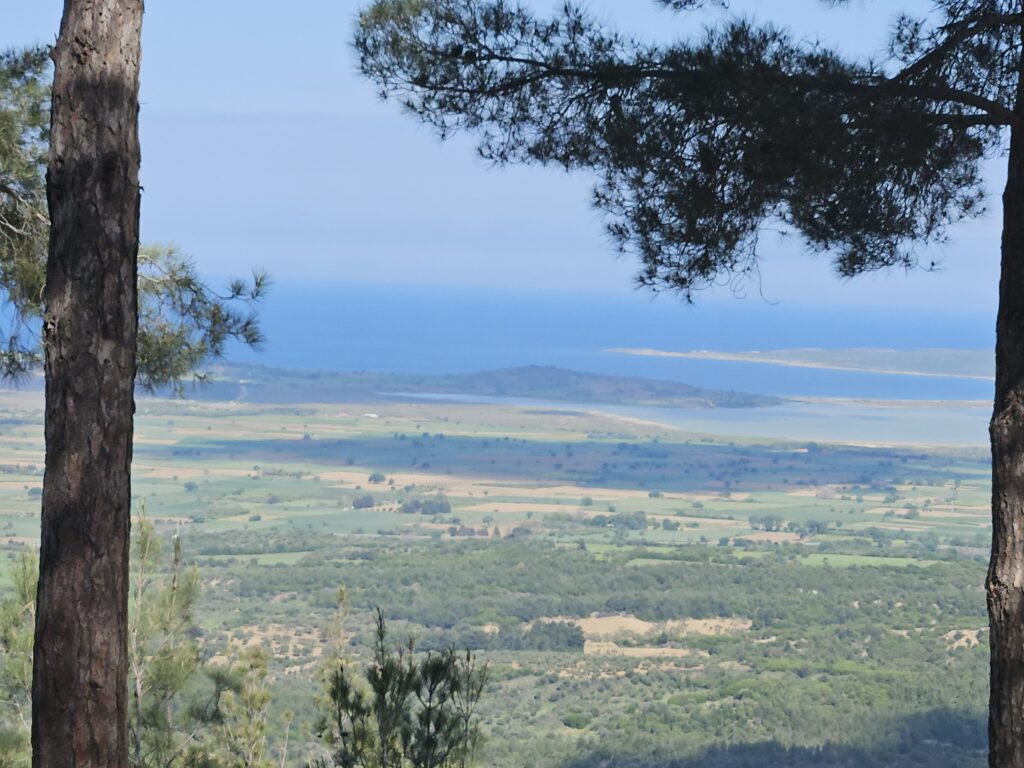
On my visit, I travelled to Gallipoli a few days prior with a tour group. The site was quiet — almost empty. Standing on the beach, looking up toward the ridgelines, it was easier to take it in.
Without the crowds, without the structure of the day, the scale and reality of the landscape settled more deeply. It was emotional in a way that is difficult to describe — imagining the terrain stripped back, and the young men who arrived there with very little cover.
Among the Australians and New Zealanders in the group, that moment was shared. There was no need to say much. It was understood.
Experiencing Gallipoli before Anzac Day allowed that emotion to surface without pressure.
How to Getting There and Where to Stay
Most visitors base themselves in nearby towns such as Çanakkale or Eceabat, where transport to the peninsula is organised.
Some tours begin further away, including in Istanbul.
This is possible, but it makes for a very long couple of days. Travel time, early departures, and limited rest can add to the physical demands of the experience.
Where you begin matters — not just for convenience, but for energy.
The Dawn Service
The Dawn Service itself is quiet and structured.
People gather in the early hours, often sitting or resting where they can. There is a sense of shared purpose — not loud or outwardly emotional, but present.
It is not crowded in the way large events often are. Instead, it feels contained, focused.
The stillness is part of the experience.

Moving Between Sites
After the Dawn Service, movement begins.
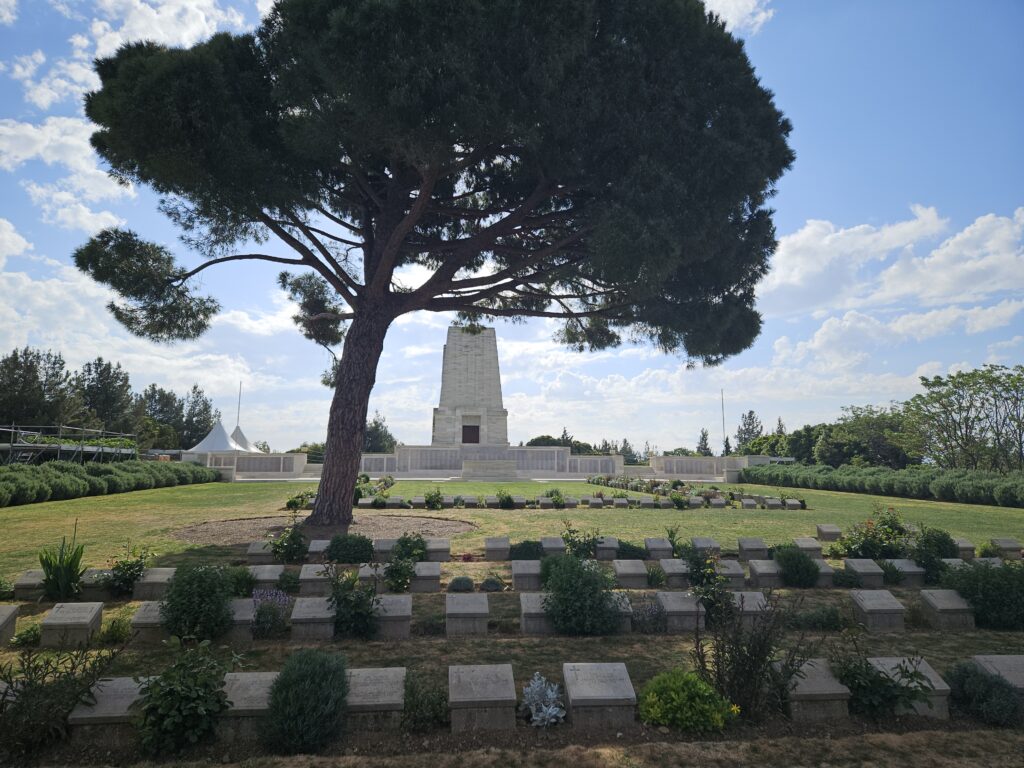
Visitors travel between key locations such as ANZAC Cove, Lone Pine, and Chunuk Bair. There is a natural flow, but also a sense of time pressure. Movement is organised, and there is less opportunity to linger than in the days before.
This is another reason why visiting earlier can be valuable.
On the day itself, the experience becomes more structured. The freedom to pause and reflect is reduced slightly by the scale of the event.
Physical Preparation and Accessibility
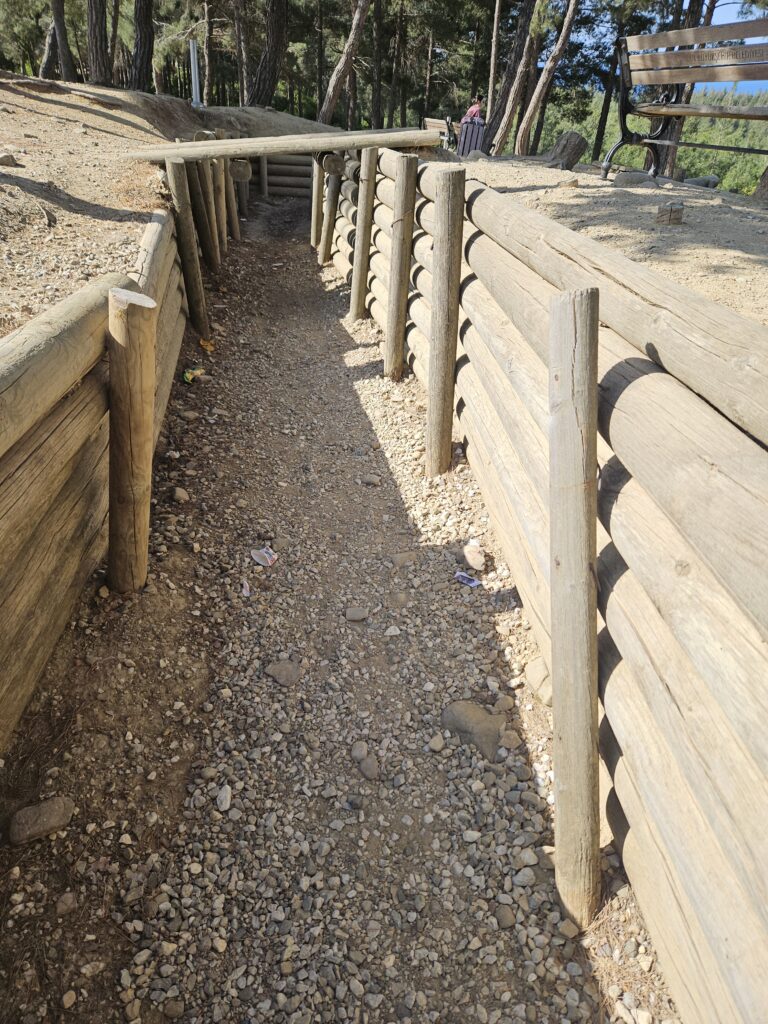
Gallipoli is not flat.
Walking between sites involves hills and uneven ground. Even at a steady pace, it can be physically demanding.
I am not particularly fit, and I found some of the movement challenging. At one point, between ANZAC Cove and Lone Pine, I pulled a muscle in my back.
There are support options available. For those with injuries, disabilities, or health concerns, buses can be arranged in advance to assist with movement between sites. In my case, a staff member helped me access one of these, which meant I didn’t need to continue walking between Lone Pine and Chunuk Bair.
This isn’t always communicated clearly beforehand, but it is important to know.
What to Bring — and What Not To
Preparation here is different to a normal day out.
Warm clothing is essential. You will be outside for long periods, often sitting or waiting in the early morning cold.
You may also need to be prepared to sleep outside or rest on the ground while waiting for the service.
One detail that is not always clear in advance is the restriction on liquids.
We were advised to bring enough water for the day, but upon arrival, event staff explained that liquids were not permitted through certain checkpoints. It felt similar to airport security — items could be confiscated.
Water is provided at various points throughout the event, but it is not something you can carry freely at all times.
Knowing this in advance helps avoid confusion.
The Atmosphere
Despite the scale of the event, the atmosphere is not chaotic.
There is a strong sense of camaraderie.
People are there for a shared reason. Conversations are quiet. There is an understanding that the space carries meaning.
For some, there is also the opportunity to visit the graves of relatives, which adds another layer to the experience.
Why Preparation Shapes the Experience
Attending Anzac Day at Gallipoli is not about efficiency.
It is about presence.
Understanding what the day involves — the waiting, the movement, the physical demands, and the emotional weight — allows you to experience it more fully.
Without that preparation, the practical challenges can distract from what matters.
TLDR
- Visiting Gallipoli before Anzac Day offers a quieter, more reflective experience
- Staying closer (Çanakkale or Eceabat) reduces travel strain
- Expect early starts, cold conditions, and long periods of waiting
- Walking between sites can be physically demanding
- Water restrictions may apply at checkpoints
- The atmosphere is quiet, shared, and respectful
FAQ
Should I visit Gallipoli on Anzac Day or another time?
Both offer different experiences. Anzac Day provides shared ceremony, while visiting earlier allows for quieter, more personal reflection.
Where is the best place to stay for Anzac Day?
Çanakkale and Eceabat are the most common bases. Istanbul is also used, though it involves longer travel times.
Is attending the Dawn Service physically demanding?
It can be. There is extended waiting, early hours, and walking between sites, often on uneven terrain.
Can I bring water to the event?
Restrictions may apply. Water is usually provided at designated points, but personal supplies may not be allowed through certain checkpoints.
Are there accessibility options available?
Yes. Transport assistance, including buses between sites, can be arranged for those who need it.