How to Prepare for a Culturally Meaningful Trip
There is a romantic idea that the best travel happens spontaneously — that meaning appears when we simply arrive and wander.
But in reality, depth rarely happens by accident.
The way you prepare for a place shapes the way you experience it. Preparation is not about controlling every moment. It is about understanding the ground you are about to walk on.
A culturally meaningful trip begins long before boarding a plane.
Understand the Historical Ground You’re Standing On
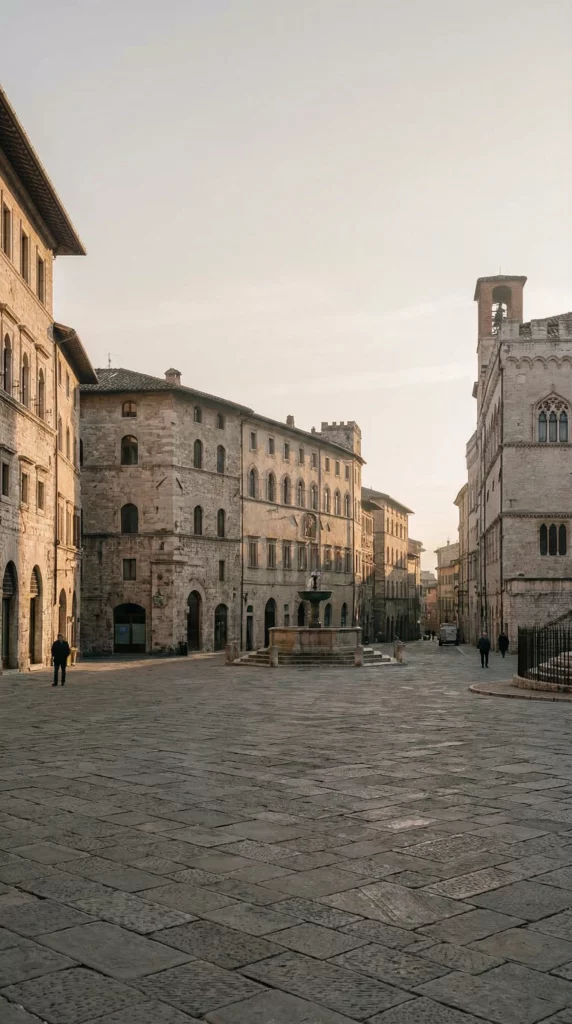
You do not need to become an expert in a country’s history before visiting.
But knowing the broad contours matters.
What shaped this city?
Was it once an empire? A colony? A trade centre? A religious capital?
Has it experienced political upheaval, conflict, or rapid modernisation?
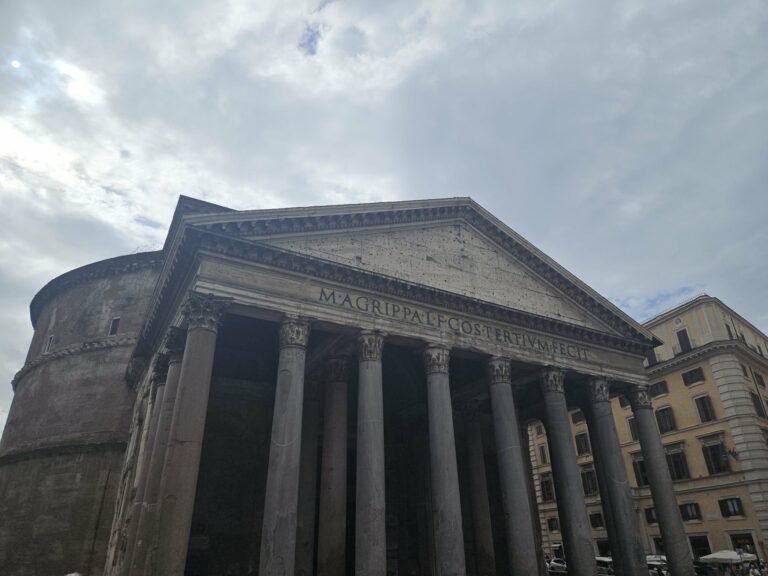
Architecture, street names, monuments, and neighbourhood divisions all make more sense when viewed through historical context. Without that awareness, it is easy to reduce places to aesthetics — beautiful buildings, dramatic ruins, photogenic squares — without understanding why they exist.
Even a few hours of focused reading can shift your perspective from spectator to participant.
Learn the Cultural and Faith Context
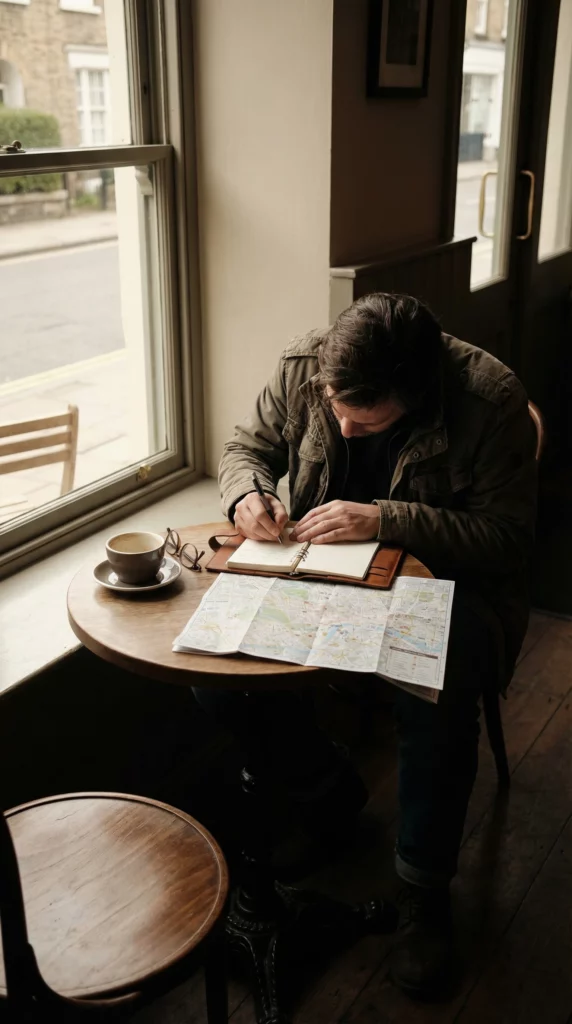
Culture expresses itself in subtle ways — in how people greet one another, how long they linger over meals, how they dress in sacred spaces, how loudly they speak in public.
Religious traditions, even in secular societies, often shape public life more than visitors expect. Knowing basic etiquette for entering churches, mosques, temples, or shrines is not about performance. It is about respect.
Research simple things:
- Are shoulders or knees expected to be covered in certain spaces?
- Is photography discouraged or prohibited?
- Are markets places for negotiation, or fixed pricing?
- Are meals social rituals rather than quick transactions?
This kind of preparation does not make you rigid. It makes you considerate.
Prepare Structurally, Not Obsessively
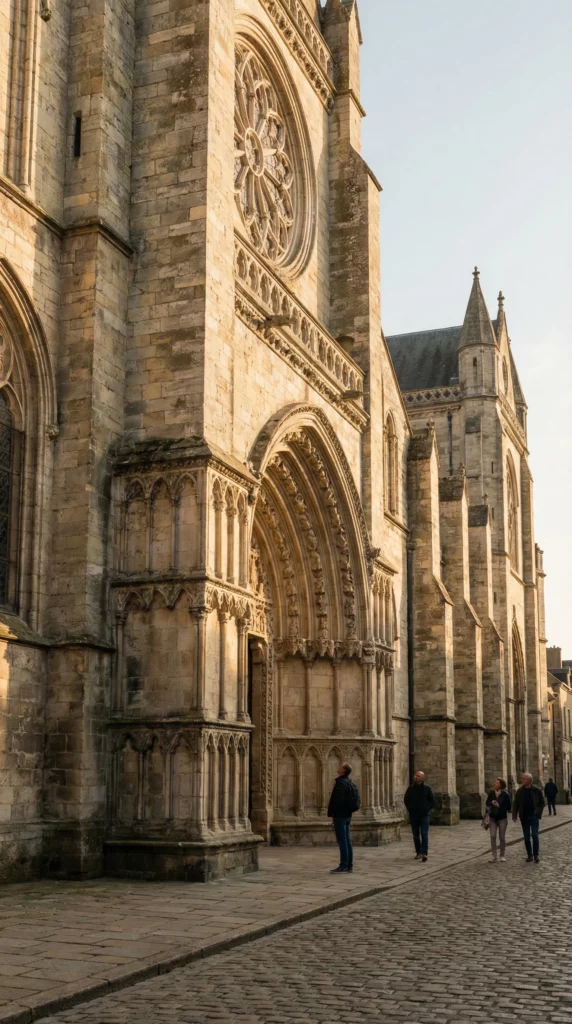
There is a practical side to cultural travel that deserves attention.
Understanding neighbourhood geography can change your entire experience. Staying within walking distance of historic centres, markets, or major cultural sites often allows you to move more slowly and absorb more detail.
Look into:
- Public transport systems
- Typical travel times across the city
- Entry requirements or reservations for major sites
- Seasonal rhythms beyond just weather
- Travel insurance and basic safety considerations
These are not glamorous details. But when handled calmly in advance, they reduce friction and free mental space for observation.
Preparation should reduce stress, not create it.
Avoid Over-Scheduling Your Days
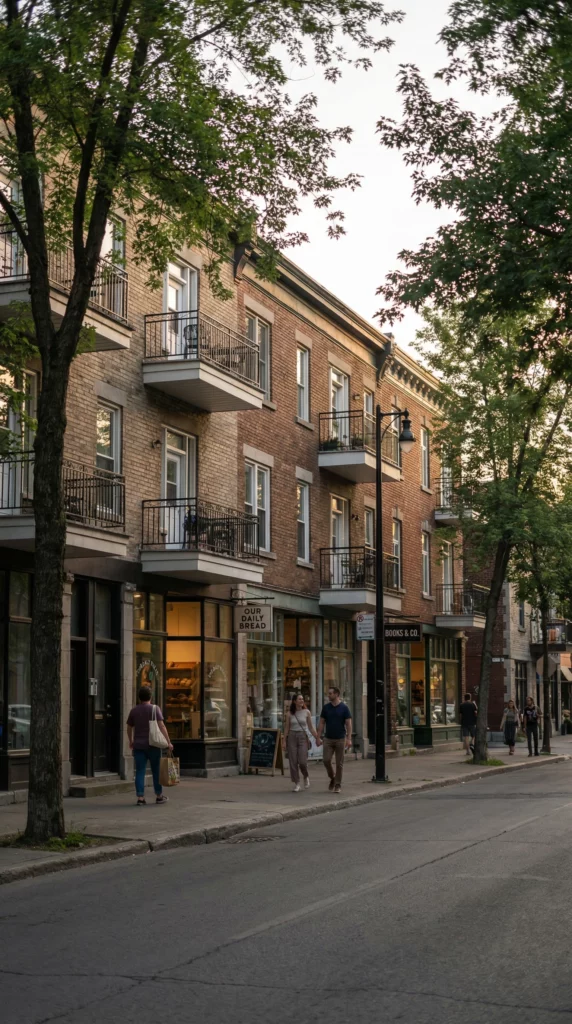
It is tempting to plan every hour.
Major landmarks, museums, neighbourhoods, restaurants — it is easy to stack them tightly into a schedule that looks productive but feels exhausting.
A culturally meaningful trip benefits from pacing.
Choose one primary anchor per day — perhaps a historic site or museum — and allow the rest of the day to unfold around it. Leave time for wandering, for sitting, for noticing.
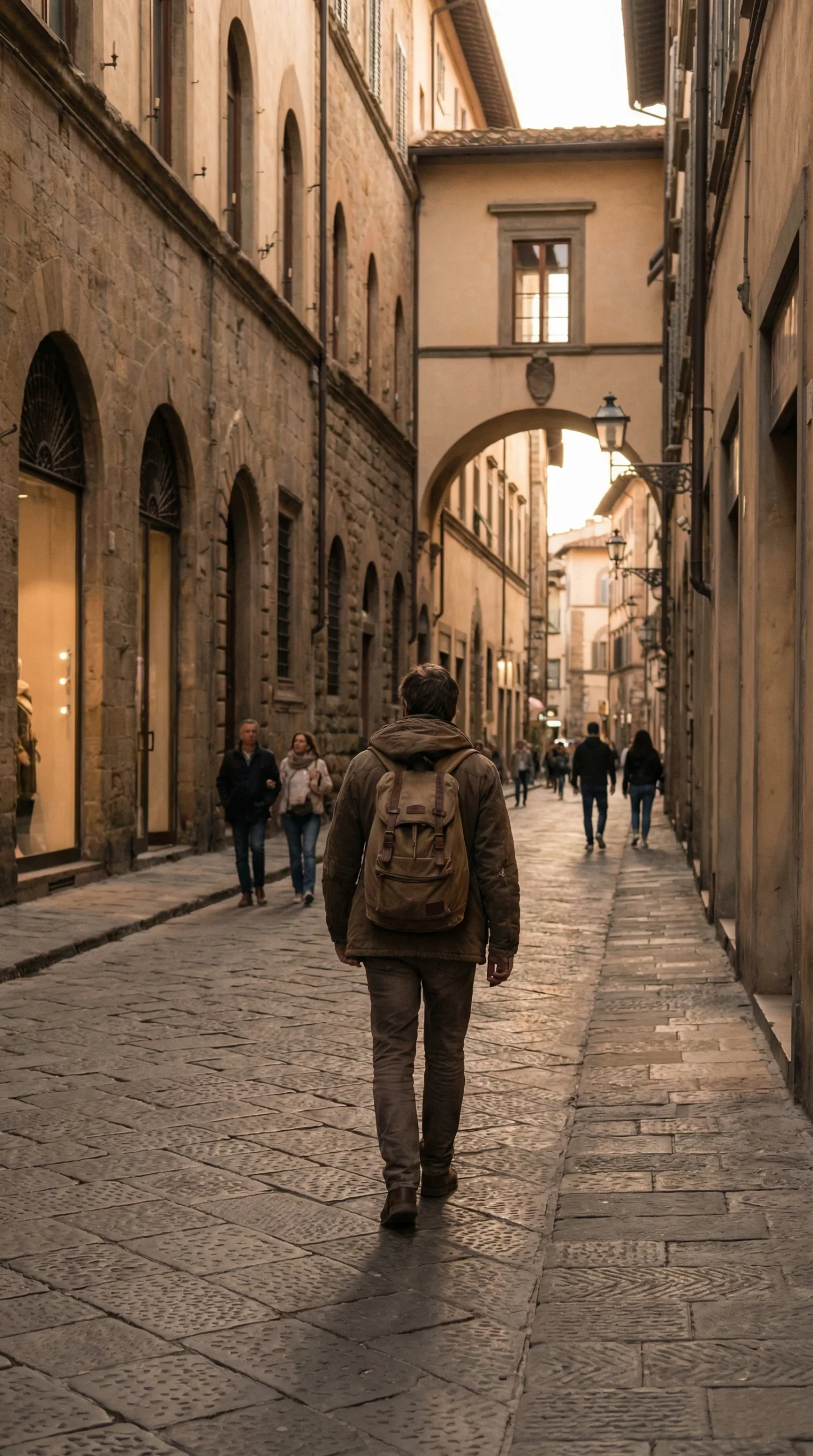
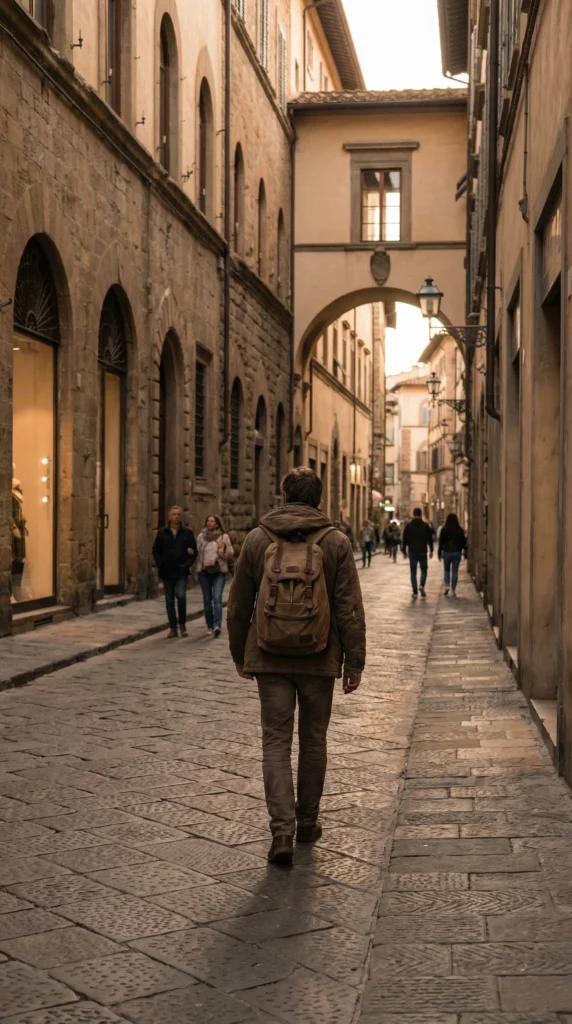
Many of the places that have stayed with me were not the ones I circled on a map beforehand. They were streets turned down without intention. Cafés entered to escape the heat. Conversations that began simply because there was time.
Preparation creates the conditions for discovery. It does not eliminate it.
Arrive With the Right Mental Frame
No amount of research can fully prepare you for how a place feels.
But it can shift your posture.
Arrive curious rather than evaluative.
Observant rather than hurried.
Aware that you are stepping into continuity — a city that existed long before you and will continue long after you leave.
Meaningful travel is not about collecting highlights. It is about understanding context.
And context begins before arrival.
TLDR
- Learn the broad historical context of your destination.
- Understand basic cultural and faith norms.
- Research neighbourhood geography and transport.
- Prepare practical details calmly in advance.
- Avoid overscheduling — leave room for discovery.
Preparation is not about control. It is about respect.
FAQ
How much research should I do before travelling?
You do not need deep academic knowledge. Focus on major historical events, cultural norms, and basic geography. A few hours of intentional research is often enough to transform your perspective.
Is travel insurance necessary for cultural travel?
Travel insurance is a practical safeguard rather than a cultural tool. It protects against disruptions that could otherwise overshadow your experience. Preparing responsibly allows you to focus on the destination itself.
How do I research a destination beyond tourist highlights?
Look for books, long-form articles, documentaries, or local history summaries rather than list-based travel guides. Prioritise understanding why a place developed the way it did.
Should I plan every day before I arrive?
It is helpful to identify key anchors — major sites or experiences — but avoid filling every hour. Leaving space allows unexpected discoveries and meaningful encounters.
How do I balance preparation with spontaneity?
Prepare structural and contextual details in advance. Once on the ground, allow flexibility. Preparation should create freedom, not restrict it.